

Why Strong Instructor Relationships Matter in Long-Term Education Program Outcomes
Learn why strong instructor relationships matter in long-term education program outcomes, including how supportive faculty can improve student confidence, communication skills, motivation, academic persistence, and career readiness throughout the college experience.
May 4, 2026
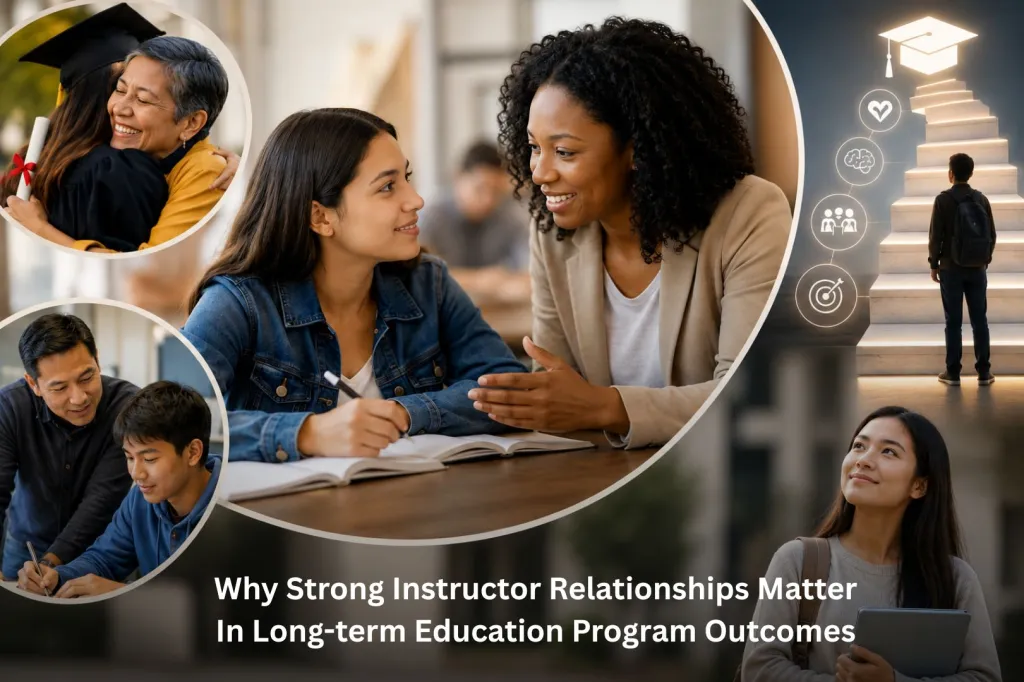
Choosing a college program often involves thinking about schedules, career pathways, affordability, and long-term educational goals. However, many students discover that one of the most meaningful parts of their college experience comes from the relationships they build with instructors throughout their academic journey. Supportive instructors can influence motivation, confidence, communication, and persistence in ways that extend far beyond the classroom.
For students enrolled in long-term educational pathways, faculty support may help create a more encouraging and engaging learning environment. Positive instructor interactions can help students feel more comfortable asking questions, participating in discussions, and staying focused during challenging semesters. Understanding the importance of strong instructor relationships in long-term education outcomes can help students recognize how mentorship and academic support contribute to long-term success.
Student-Centered Learning at Edison State
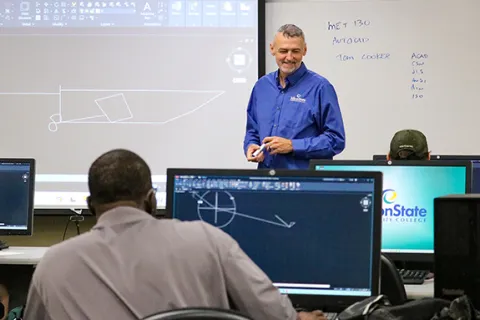
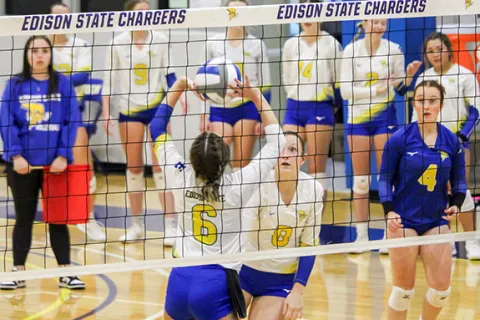
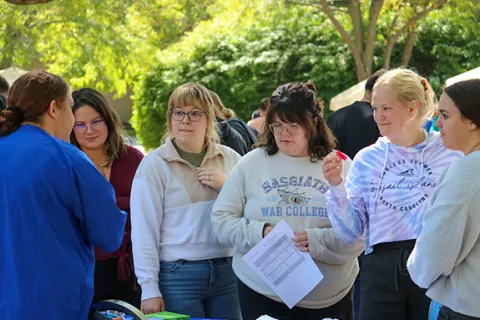
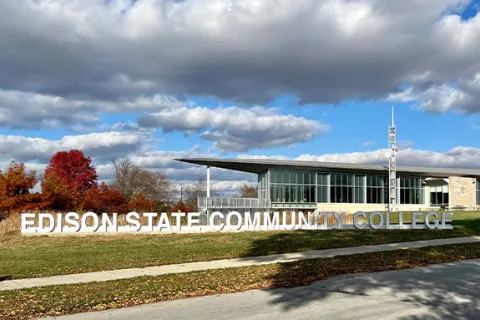
One of the advantages of attending Edison State Community College is the opportunity to learn in a supportive environment where students can build meaningful relationships with instructors throughout their educational journey. Faculty members bring professional experience, subject-matter expertise, and a commitment to student success that extends beyond traditional classroom instruction.
Through academic guidance, mentoring, career-focused conversations, and personalized support, instructors help students navigate challenges, strengthen their skills, and stay focused on long-term educational and career goals.
Why Supportive Instructors Can Influence Educational Success
Students pursuing long-term educational goals often balance multiple responsibilities while completing coursework. Work schedules, family obligations, financial concerns, and academic expectations can create stress throughout the learning process. Instructors who provide guidance, patience, and encouragement may help students feel more supported as they continue progressing toward graduation. Students planning their academic journey may also benefit from understanding how long community college programs are as they prepare for long-term educational success.
The way instructors communicate with students can also shape classroom confidence and academic engagement. Students who feel respected and encouraged may become more comfortable participating in discussions, asking for clarification, and developing stronger study habits over time. This is one reason why student-instructor relationships matter for long-term learning outcomes across many educational pathways.
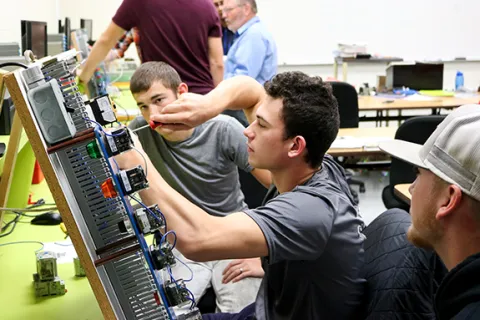
Supportive faculty members may also help students better understand how classroom concepts connect to real-world career preparation. Whether students are pursuing technical training, transfer pathways, or career-focused education, positive relationships with instructors can foster stronger long-term learning habits and professional development.
How Instructor Relationships Build Student Confidence

Confidence plays an important role in educational success, especially for students returning to school after time away from academics or balancing multiple personal responsibilities. Positive instructor relationships may help students feel more capable of managing coursework, improving communication skills, and overcoming academic challenges. Supportive faculty guidance can also help students better understand how colleges support career-focused education through practical learning and student-centered support.
Students often remember instructors who demonstrate professionalism, empathy, and a genuine interest in student growth. Constructive feedback, approachable communication, and consistent encouragement can create learning environments where students feel motivated to continue improving throughout their program.
The Role of Communication in Long-Term Learning
Strong communication between instructors and students often supports better educational experiences and long-term academic persistence. Clear expectations, helpful feedback, and respectful communication may improve student engagement while helping learners stay organized and focused.
Instructors also help students strengthen professional communication habits that can support future workplace success. Skills related to collaboration, accountability, problem-solving, and teamwork are valuable across industries, including business, health care, manufacturing, and information technology. For students beginning their college experience, knowing what to expect during their first year at a community college can make it easier to communicate with instructors and stay engaged.
Understanding how instructor relationships impact long-term education program success involves recognizing that education is not only about coursework. Long-term success often develops through consistent support, mentorship, and meaningful interactions that encourage students to continue learning and growing.
Student Experience and Instructor Support

Student experiences often highlight the lasting impact instructors can have throughout an educational journey. Positive faculty support may help students remain motivated during difficult semesters while encouraging long-term academic and personal growth.
One student reviewer, Danielle Faber, shared a positive experience about the support received from instructors at Edison State Community College. It helps illustrate how meaningful instructor relationships can contribute to student confidence, motivation, and long-term educational persistence.
The reviewer shared that they have had a very positive experience at the school, praising the supportive instructors and staff who genuinely care about student success. They appreciated the guidance they received throughout their time there and credited the faculty with helping them stay on track and achieve their goals.
This experience reflects how supportive instructors may influence educational confidence, persistence, and overall student satisfaction. Many students value educators who encourage, provide practical guidance, and create a learning environment that supports them throughout their academic journey.
Why Building Strong Instructor Relationships Improves Program Outcomes
Educational pathways often require long-term commitment, consistency, and motivation. Students who feel connected to instructors and supported throughout their program may be more likely to stay engaged and continue working toward their goals. Positive faculty relationships can encourage stronger communication habits, academic persistence, and long-term educational confidence.
Instructors may also help students navigate challenges related to coursework, career planning, transfer pathways, internships, and skill development. These supportive interactions can strengthen both educational experiences and career readiness over time.
Understanding how building strong instructor relationships improves program outcomes can help students appreciate the broader value of mentorship and academic support throughout their educational journey. Students developing communication, collaboration, and career-readiness skills may also benefit from understanding how marketing skills open doors to multiple career paths across different professional fields.
Final Thoughts
Strong relationships with instructors can have a lasting impact on student confidence, motivation, communication skills, and long-term academic success. Students who feel supported by faculty members may be more likely to stay engaged in coursework, overcome challenges, and continue progressing toward their educational and career goals. Positive mentorship and encouraging classroom experiences often help create stronger long-term learning outcomes throughout a student’s educational journey.
At Edison State in Piqua, students can explore flexible and career-focused opportunities through education programs designed to support academic growth, hands-on learning, and long-term student success. Students can explore pathways in business, engineering & manufacturing, health sciences, information technology, and social & public services, based on their career interests and educational goals. With supportive instructors, student-centered learning environments, and pathways connected to evolving workforce needs, Edison State continues to help students build confidence and prepare for future opportunities. Contact us today to learn more about getting started.