

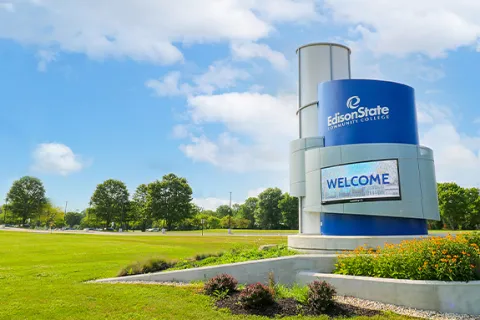
How Edison State Community College Supports Career-Focused Education in Piqua and Beyond
Career-focused education in Piqua connects students with affordable, hands-on training aligned to local and regional workforce needs. Learners gain practical skills, flexible scheduling options, and employer partnerships that support long-term career success.
February 20, 2026

Choosing the right college is one of the most important decisions a student or working adult can make. In west-central Ohio, access to affordable, high-quality, skills-based education close to home has a direct impact on both individual success and regional economic growth. Edison State Community College, headquartered in Piqua, Ohio, plays a central role in delivering career-focused education that prepares students for immediate employment and long-term advancement. In this blog, we’ll explore how career-focused education works, why it matters in Piqua, and how Edison State supports students through hands-on training, employer partnerships, flexible scheduling, and comprehensive student services.
Key Takeaways
- Edison State in Piqua, Ohio, serves as a primary community college supporting career-focused education in the region, with additional campuses in Eaton, Greenville, and Troy.
- The College offers over 100 degree, certificate, and short-term technical certificate programs aligned with in-demand fields, including health care, advanced manufacturing, business, information technology, and law enforcement.
- Students can choose career-ready pathways leading to immediate employment or transfer-focused pathways that connect to four-year universities while staying close to home and keeping costs manageable.
- Flexible formats, including day, evening, online, and hybrid classes, combined with dual-enrollment options and strong advising services, make career-focused education accessible for working adults, recent graduates, and career changers alike.
Understanding Career-Focused Education
What Is Career-Focused Education?
Career-focused education prepares students for specific occupations by combining academic instruction with practical, job-ready skills. Unlike purely theoretical programs, career-focused pathways emphasize hands-on learning, technical training, industry certifications, and real-world application.
At a community college like Edison State in Piqua, career-focused education includes associate degrees, technical certificates, short-term workforce training, and transfer pathways aligned with industry needs. Students can choose programs that lead directly into the workforce or stack credentials over time to build toward advanced degrees.
Why Career Training Matters for Students and Employers
Career training benefits both individuals and the broader community. For students, it provides a clear pathway to stable employment, competitive wages, and professional growth. For employers, it ensures access to skilled workers who are prepared to contribute immediately.
In industries such as health care, advanced manufacturing, logistics, agriculture, and public safety, employers need workers who understand modern tools, technologies, and regulatory standards. Community colleges bridge this gap by aligning curriculum with real workforce demands.
Workforce Needs and Job Growth in Piqua
Piqua and the surrounding areas in west-central Ohio depend on skilled professionals across multiple sectors. Regional hospitals require trained nurses and medical technicians. Manufacturing facilities rely on automation specialists and precision machinists. Agricultural businesses need workers knowledgeable in modern agribusiness practices. School systems, logistics companies, and public safety departments also contribute to ongoing workforce demand.
Edison State was founded in 1973 to meet these needs and continues to adapt programs based on regional job growth trends. Its mission reflects a commitment to strengthening the local workforce through accessible education.
How Edison State Supports Career-Focused Education
Building Practical Skills for Real Careers
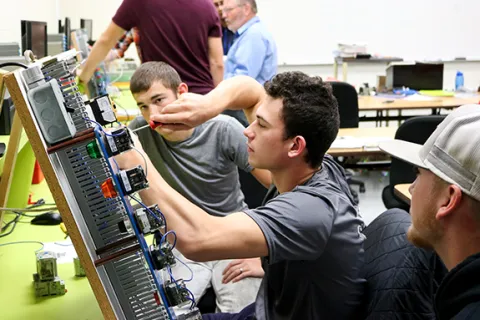
Edison State emphasizes practical skill development in every major program area. Students are not only introduced to foundational theory but also trained in real-world application. Health care students practice in simulation labs that replicate clinical environments. Manufacturing students operate CNC machinery and robotics systems like those used by regional employers. IT students work with current networking and computer systems. This hands-on model ensures graduates are prepared for day-one performance in their chosen careers.
Offering Career-Aligned Programs and Certifications
Edison State structures its programs around career pathways that reflect industry demand. Students can pursue associate degrees designed for immediate employment or an Associate of Arts or Associate of Science that transfer to four-year institutions.
Certificates and short-term training programs allow students to gain specialized skills in one year or less. These stackable credentials create flexible opportunities for advancement over time.
Helping Students Transition Quickly Into the Workforce
Career-focused education is built around efficiency and accessibility. Many students complete clinical rotations, internships, or co-ops before graduating. These experiences often lead directly to employment offers. By integrating classroom learning with professional exposure, Edison State reduces the gap between education and employment.
How Community Colleges Promote Career-Focused Learning
Career Pathway Programs for High-Demand Industries
Edison State organizes its programs into six clearly defined career pathways. These pathways make it easier for students to understand how coursework connects to specific job roles. Industry-aligned areas include health sciences, engineering and manufacturing, business, information technology, social and public services, and university transfer. The College develops each pathway with regional workforce needs in mind.
Hands-On Learning Through Labs and Technical Training
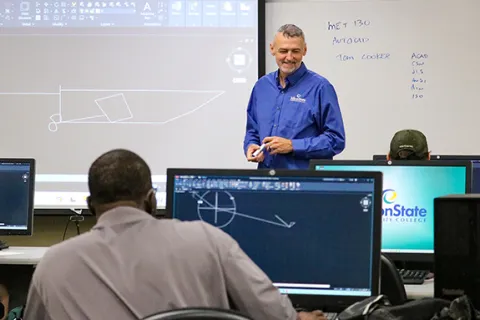
Hands-on instruction is central to career-focused education. Health care students complete supervised clinical hours. Engineering students train in labs equipped with industrial-grade machinery. Business and IT students use professional software applications. This immersive approach builds confidence and technical competence.
Industry-Relevant Curriculum and Updated Course Content
Advisory committees composed of local employers regularly review program content to ensure alignment with current job requirements. When industries evolve, curriculum updates follow. This responsiveness allows Edison State to remain relevant in a changing economy.
How Community Colleges Prepare Students for Careers

Job-Ready Skills and Professional Development
Preparing students for careers goes beyond teaching technical knowledge. At Edison State in Piqua, career preparation includes building the professional competencies employers expect in today’s workforce. Students develop communication skills, critical-thinking abilities, teamwork habits, and problem-solving strategies that translate directly into workplace success.
Classroom projects often simulate real-life scenarios, requiring students to collaborate, meet deadlines, and present solutions clearly. In technical programs, students learn how to follow industry protocols, document procedures accurately, and operate within safety and compliance standards. These expectations mirror the professional environment students will enter after graduation.
Additionally, faculty members bring industry experience into the classroom. Many instructors have worked in health care systems, manufacturing plants, corporate offices, or public safety agencies. Their insight ensures students understand both theory and real-world application. As a result, graduates leave not only with credentials but also with workplace-ready confidence.
Training for Entry-Level and Advanced Career Opportunities
One strength of a community college like Edison State in Piqua is its ability to serve students at different stages of their careers. Some learners enroll to gain entry-level employment quickly. Others are already employed and seeking advancement or specialization.
For entry-level students, associate degrees and certificates provide direct pathways into roles such as registered nurse, medical assistant, maintenance technician, IT support specialist, accounting clerk, or law enforcement officer. The College structures programs to emphasize practical application, ensuring graduates can transition smoothly into these positions.
For working professionals, Edison State offers opportunities to build on existing credentials. Stackable certificates allow students to add specialized skills without starting over. The RN to BSN Completion program, introduced in the Fall of 2024, is an example of how the college supports upward mobility within high-demand professions. By offering advancement opportunities locally, Edison State enables students to remain in the workforce while pursuing higher qualifications.
Career Exploration and Program Advising Support
Choosing the right career path can be overwhelming, particularly for first-generation college students or adults returning to school after many years. Edison State addresses this challenge through comprehensive advising services that begin at enrollment and continue through graduation.
Academic advisors work closely with students to identify interests, assess strengths, and map out semester-by-semester plans. Rather than selecting courses randomly, students follow structured pathways aligned with their career goals. Advisors also help students understand the difference between applied degrees designed for immediate employment and transfer-focused degrees intended for continuation at a four-year university.
This intentional planning reduces confusion, shortens time to completion, and increases student confidence. When students understand how each course fits into a larger career goal, motivation and retention improve significantly.
How Community Colleges Support Workforce Education
Partnering with Local Employers and Workforce Organizations
Edison State plays an active role in west-central Ohio’s workforce ecosystem. The College collaborates with regional employers, economic development organizations, and workforce agencies to ensure programs reflect current and future labor market needs.
Advisory committees regularly review curriculum content and provide direct feedback about emerging technologies, certification requirements, and workforce skill gaps. Because of this continuous dialogue, programs remain current rather than outdated.
This partnership model benefits both students and employers. Students gain education aligned with hiring expectations, while employers receive graduates who require minimal additional training.
Internship, Apprenticeship, and Work-Based Learning Opportunities
Work-based learning is central to career-focused education. Many programs include clinical rotations, internships, co-op placements, or practicum experiences that immerse students in professional environments before graduation.
Health care students complete supervised clinical hours in hospitals, long-term care facilities, and outpatient clinics throughout the region. Manufacturing and engineering technology students often participate in co-op experiences at local plants, gaining exposure to automation systems and industrial operations. Criminal justice students may work alongside regional law enforcement agencies.
These structured experiences serve as extended interviews. Employers observe student performance firsthand, and many graduates secure job offers before completing their programs. This seamless transition into employment highlights the effectiveness of community college workforce preparation.
Customized Workforce Training and Continuing Education Programs
Beyond degree programs, Edison State provides customized workforce training through its Center for Workforce Development and Work-Based Learning. Local companies partner with the College to deliver specialized training for incumbent employees, ensuring businesses remain competitive in evolving industries.
These programs may include short-term technical workshops, safety certifications, leadership development courses, or technology training. Continuing education offerings also allow individuals to update skills without committing to a full degree program. By supporting both new students and current professionals, Edison State strengthens the entire workforce pipeline in Piqua and the surrounding communities.
Benefits of Choosing Edison State Community College in Piqua
Affordable Tuition and Financial Aid Opportunities
Affordability remains one of the most compelling reasons students choose a community college. Tuition at Edison State is significantly lower than at most four-year institutions, allowing students to pursue degrees and certifications without excessive debt.
Financial aid advisors help students explore federal aid programs, state grants, scholarships, employer tuition assistance, and payment plans. By lowering financial barriers, Edison State opens doors for first-generation students, working adults, and career changers who might otherwise postpone higher education.
Students who intend to transfer can complete their first two years locally at a reduced cost before moving on to a university, saving thousands of dollars.
Flexible Scheduling for Working Students
Many Edison State students balance employment, family responsibilities, and education. To support this reality, the College offers day, evening, online, and hybrid course formats. Online and hybrid options provide additional flexibility for students who need to manage unpredictable work schedules. Evening classes enable full-time workers to attend after business hours. This flexible structure allows individuals to pursue credentials at a manageable pace without stepping away from income or family obligations.
Smaller Class Sizes and Personalized Instruction
Unlike large universities where introductory courses may include hundreds of students, Edison State maintains smaller class sizes. This creates a supportive learning environment where instructors know students by name and can provide individualized feedback.
Personalized instruction improves comprehension, encourages participation, and strengthens academic performance. For students who may feel uncertain about returning to school, this level of support can make a significant difference in persistence and success.
Programs That Support Career-Focused Learning at a Community College
Health Care and Medical Training Programs
Health care remains one of the most in-demand sectors in west-central Ohio. Edison State’s nursing, medical assistant, medical laboratory technician, and related programs prepare students for roles in hospitals, clinics, and long-term care facilities.
Students train in simulation labs that replicate real clinical settings before completing hands-on rotations at regional health care facilities. The addition of the RN to BSN Completion program expands opportunities for nurses seeking leadership roles and career advancement.
Business and Accounting Career Programs
Business and accounting programs at Edison State equip students with foundational knowledge in finance, management, marketing, and operations. Coursework integrates practical software applications and case-based learning, ensuring graduates understand real business processes. These programs prepare students for positions in administrative management, accounting support, small business operations, and corporate environments throughout the region.
Skilled Trades and Technical Education
Advanced manufacturing and engineering technology programs reflect the industrial strength of Piqua and the surrounding communities. Students gain experience in robotics, automation systems, precision machining, and industrial maintenance.
Laboratory environments mirror actual production settings, ensuring students graduate ready to operate modern equipment. Employers value this hands-on preparation, particularly in manufacturing sectors that rely on technical precision.
Agriculture and Industrial Training Programs
Agriculture continues to play an important role in Ohio’s economy. Edison State’s agriculture and agribusiness programs prepare students for careers in farm management, agricultural operations, and related industries. Industrial training programs complement agricultural education by focusing on machinery, logistics, and operational efficiency, supporting both rural and industrial sectors of the regional economy.
Student Support Services That Help Career Growth
Career-focused education is most effective when students are supported both inside and outside the classroom. Edison State in Piqua doesn’t leave student success to chance. A network of academic, professional, and personal support services ensures learners can persist through challenges and transition confidently into the workforce.
Career Services and Resume Support
Edison State’s Career Services department plays a central role in helping students translate education into employment. Career readiness is woven into the college experience, not treated as an afterthought near graduation.
Students receive assistance with resume writing tailored to specific industries such as health care, manufacturing, business, and IT. Advisors help students highlight technical competencies, certifications, clinical hours, and work-based learning experiences in ways that resonate with employers. Mock interviews simulate real hiring situations, allowing students to practice answering behavioral and technical questions with confidence.
Career workshops address topics such as professional etiquette, networking strategies, LinkedIn profile development, and salary negotiation. These services are particularly valuable for first-generation college students and adult learners who may not have prior experience navigating professional hiring environments.
By preparing students early and consistently, Edison State ensures graduates are not only academically qualified but also professionally competitive.
Academic Advising and Tutoring
Academic support is a cornerstone of student retention and completion. Edison State provides structured advising services that guide students from their first semester through graduation. Advisors help students select courses aligned with their career pathways, understand degree requirements, and adjust schedules if personal or work obligations arise.
Free tutoring services offer additional reinforcement in subjects such as mathematics, writing, science, and technical coursework. Rather than struggling in isolation, students have access to one-on-one or small-group academic assistance designed to strengthen comprehension and improve performance.
For returning adults who may have been out of school for years, these resources provide reassurance and practical support. The College recognizes that many students are balancing employment, parenting, and other responsibilities. Academic coaching and tutoring help them maintain momentum toward their goals.
Job Placement and Employer Networking
Edison State’s strong employer relationships create direct connections between students and regional representatives. Career fairs, employer information sessions, and on-campus recruiting events bring companies directly to students.
Health care facilities, manufacturing firms, logistics providers, school districts, and public agencies regularly engage with the College to identify emerging talent. Because many programs include internships or clinical placements, students often build professional relationships before graduating.
The College also maintains job boards and employer referral systems to connect graduates with open positions in west-central Ohio. This localized focus strengthens the regional workforce by keeping skilled graduates within local communities.
Support for Adult Learners and Career Changers
Adult learners represent a significant portion of Edison State’s student population. Many are working full time, supporting families, or transitioning from one industry to another. Recognizing these realities, the College provides targeted services to make re-entry into education manageable.
Flexible scheduling options, online course availability, and part-time pathways allow adults to progress at a sustainable pace. Advisors help career changers identify transferable skills and select programs that align with both experience and long-term goals.
Technology assistance, orientation programs, and developmental coursework offer additional support for those who may feel uncertain about returning to college-level study. By fostering a welcoming and accessible environment, Edison State empowers adults to pursue meaningful career transformation without leaving Piqua or the surrounding communities.
Why Career-Focused Community College Education Matters for Piqua’s Future
The impact of career-focused education extends far beyond individual graduates. In Piqua and throughout west-central Ohio, the strength of the regional economy is closely tied to the availability of a skilled and adaptable workforce. Edison State serves as a foundational institution in building that workforce.
Strengthening the Local Workforce
Local employers depend on a steady pipeline of qualified professionals. Hospitals require trained nurses and medical technicians. Manufacturing facilities need automation specialists and maintenance technicians. Agricultural operations seek professionals knowledgeable in modern agribusiness practices. Schools, businesses, and public safety departments rely on educated and skilled staff.
By aligning programs with these needs, Edison State ensures graduates are prepared to step into high-demand roles. The College’s advisory committees and employer partnerships create a feedback loop that keeps training relevant and forward-looking. This alignment reduces workforce shortages and supports business continuity throughout the region.
Creating Opportunities for Long-Term Career Success
Career-focused community college education is not limited to immediate job placement. It also creates pathways for sustained professional growth. Stackable certificates, associate degrees, and bachelor’s completion options allow students to build credentials progressively over time.
For example, a student may begin with a technical certificate, secure employment, and later return to complete an associate degree. From there, transfer agreements with four-year institutions or programs like the RN to BSN Completion option provide continued advancement.
This layered approach to education makes long-term career development accessible and affordable. Students can grow professionally without relocating or taking on excessive debt. As industries evolve, graduates have the foundation needed to adapt and pursue new opportunities.
Supporting Economic Development in Piqua
A strong workforce fuels economic stability and growth. When residents gain access to quality employment, household incomes rise, local businesses thrive, and community investment increases. Education becomes a driver of prosperity.
Edison State contributes directly to regional economic development by supplying skilled professionals, partnering with employers for customized training, and supporting entrepreneurship and business growth. Workforce development initiatives ensure that companies considering expansion in west-central Ohio have confidence in the availability of qualified talent.
In this way, Edison State in Piqua is more than an educational institution—it is an economic anchor. By providing affordable, accessible, and career-focused education, the College strengthens not only individual futures but also the long-term vitality of Piqua and the surrounding communities.
Final Thoughts
Career-focused education plays a critical role in strengthening the workforce and supporting long-term economic growth in west-central Ohio. Throughout this blog, we explored how students can pursue in-demand programs in health sciences, engineering and manufacturing, business, information technology, and social and public services while benefiting from hands-on training, work-based learning, flexible class formats, and strong employer partnerships. From dual-enrollment opportunities to transfer pathways and career services support, students have access to affordable options that lead directly to employment or continued academic advancement.
As a community college residents rely on, Edison State in Piqua provides clear pathways for both immediate job placement and long-term educational growth. Students can begin transfer-focused degrees, such as the Associate of Science or Associate of Arts, or pursue fast-track health care options like the medical assistant and medical coder certificates. With flexible scheduling, strong advising, and deep connections to regional employers, we continue to shape career-ready graduates who strengthen their communities. Ready to take the next step toward your future? Contact us today to learn how we can help you achieve your career goals.
Frequently Asked Questions
Is Edison State Community College the main community college serving Piqua?
Yes, Edison State’s Piqua Campus is the College’s main location and serves as a primary community college for residents of Piqua and the surrounding communities. The College also operates locations in Eaton, Greenville, and Troy, extending its reach across the region.
Can I complete a full degree or certificate entirely at the Piqua Campus?
Many associate degrees, technical certificates, and short-term training programs can be completed fully in Piqua. Some specialized programs may incorporate coursework at Edison State’s other locations or online components, but Piqua remains the College’s central hub with extensive program availability.
How long does it typically take to finish a career-focused program?
Timelines vary based on program type and student circumstances. Short-term certificates may take a few months to one year. Most associate degrees require about two years of full-time study. Part-time students can work with advisors to build extended plans that accommodate work and family responsibilities while maintaining steady progress.
Do I have to choose between a career-focused program and a transfer pathway?
Not necessarily. Some programs are designed to be stackable, allowing students to earn a certificate, enter the workforce, and later build that credential into an associate or bachelor’s degree. Advisors can help you identify programs that offer this flexibility if you’re interested in both immediate employment and long-term educational goals.
What kinds of support are available if I have been out of school for a long time?
Edison State offers placement guidance, developmental support if needed, tutoring, technology assistance, and advising specifically geared toward returning adults and career changers. The College understands that many adult students need a gradual re-entry into college-level work and provides resources to help them succeed regardless of how long they’ve been away from formal education.