


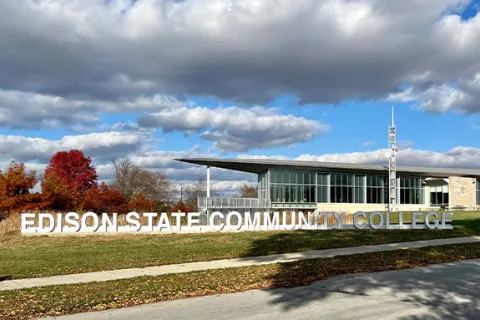
What Is an Emergency Medical Technician (EMT)?
EMT training prepares students to deliver lifesaving pre-hospital care, perform basic life support, and respond confidently in emergencies. Graduates gain certification eligibility, hands-on experience, and pathways into advancing health care careers.
February 23, 2026
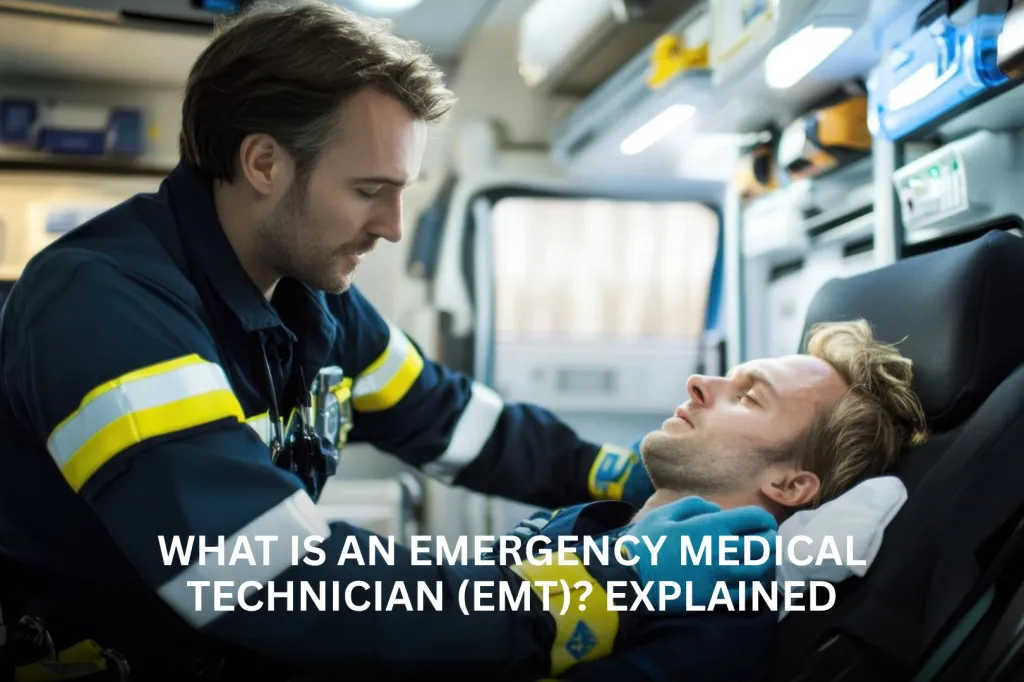
If you have ever seen an ambulance rushing down the road with lights flashing and sirens sounding, you have witnessed emergency medical technicians in action. These highly trained professionals are often the first medically trained providers to arrive after someone calls 911. They deliver immediate, lifesaving care in unpredictable environments and safely transport patients to appropriate medical facilities.
This blog explains the role of EMTs in health care, along with daily responsibilities, required skills, the certification process, and career opportunities. You’ll also learn how to begin your journey through Edison State Community College’s Emergency Medical Technician program.
Key Takeaways
- An EMT is a frontline emergency medical professional who provides pre-hospital care and safely transports patients to appropriate medical facilities.
- EMTs perform basic life support interventions, including cardiopulmonary resuscitation, bleeding control, and oxygen therapy, but have a more limited scope of practice than paramedics.
- EMTs work across Ohio and the U.S. in diverse settings, including 911 ambulances, fire departments, hospitals, private transport services, and special event standby teams.
- Becoming an EMT typically requires a few months of accredited training (around 120–150 hours), plus passing the National Registry of Emergency Medical Technicians (NREMT) exam and obtaining state licensure.
- Community colleges offer EMT and paramedic education pathways that can serve as a stepping stone into broader health care careers.
Introduction to Emergency Medical Technicians (EMTs)
Emergency Medical Technicians (EMTs) play a vital role in the healthcare system by delivering immediate medical care during emergencies. They are often the first trained professionals to arrive at the scene, providing life-saving assistance and ensuring patients are safely transported to medical facilities. Working in unpredictable environments such as homes, roads, workplaces, and public areas, EMTs act as a crucial link between the site of an emergency and hospital-based treatment.
Who Is an Emergency Medical Technician?
An Emergency Medical Technician is typically the first medically trained responder to reach a patient in crisis. Unlike doctors or nurses who primarily work within hospitals, EMTs provide care in real-world environments where emergencies occur.
Their responsibilities focus on basic life support, including:
- Cardiopulmonary resuscitation (CPR)
- Use of automated external defibrillators (AEDs)
- Oxygen administration
- Bleeding control
- Splinting fractures
- Assisting with certain emergency medications
EMTs stabilize patients and prepare them for further treatment by hospital staff or advanced providers such as paramedics.
Definition and Role of EMTs in Healthcare
In healthcare, the term EMT refers to a licensed pre-hospital provider trained in emergency assessment and patient stabilization. EMTs are part of a tiered EMS system that includes:
- Emergency Medical Responders (EMRs)
- Emergency Medical Technicians (EMTs)
- Advanced EMTs (AEMTs)
- Paramedics
The EMT level is considered the standard entry point for ambulance-based emergency care. While EMTs provide essential interventions, paramedics undergo additional training to perform advanced procedures such as administering a wider range of medications, managing advanced airways, and interpreting cardiac rhythms.
EMTs are foundational members of the emergency care team, ensuring patients receive immediate support during critical and life-threatening situations.
What Does an EMT Do?
Key Responsibilities of an Emergency Medical Technician
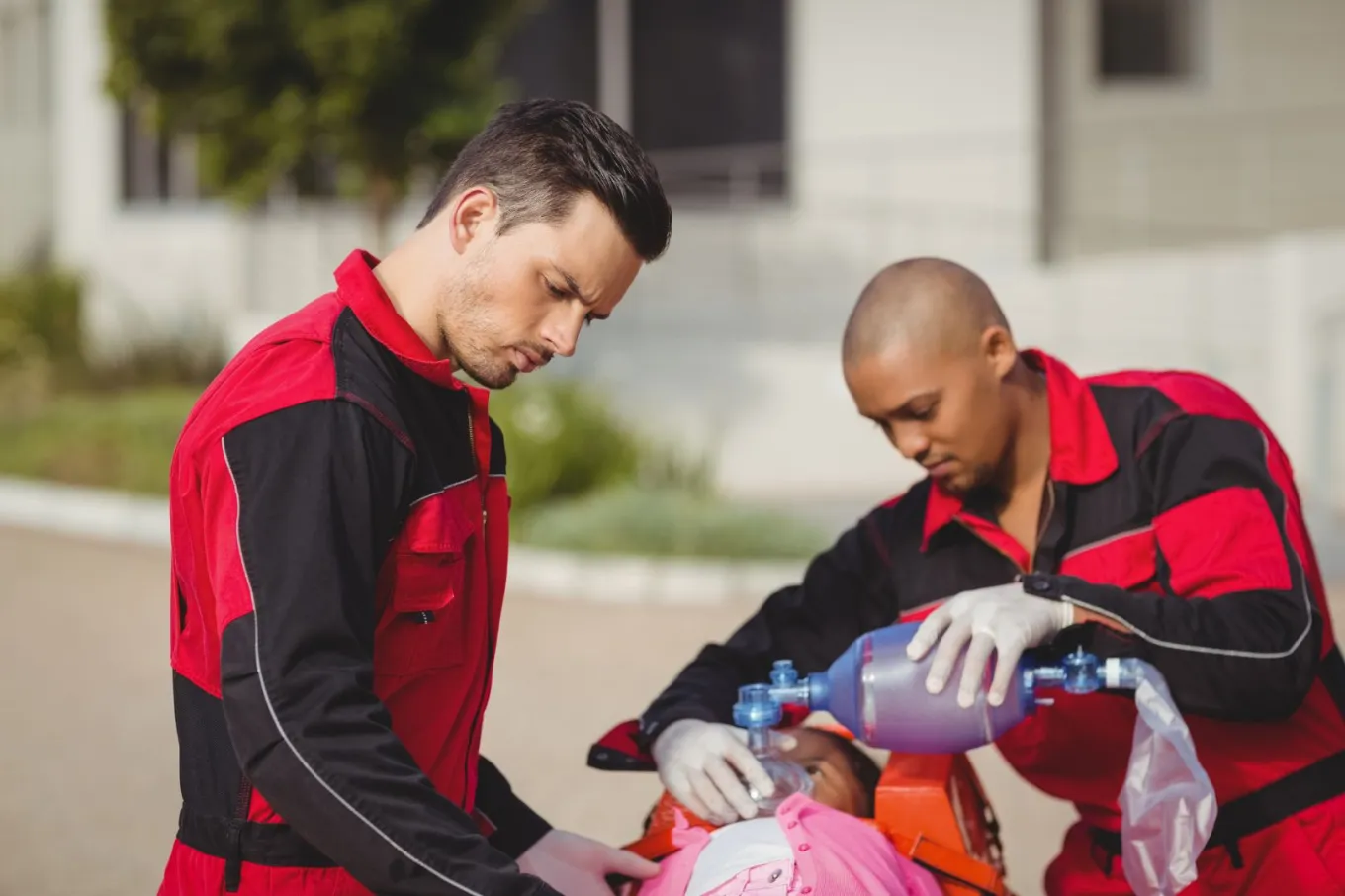
The daily responsibilities of an EMT combine medical skills, critical thinking, communication, and physical activity. No two shifts are exactly the same. When arriving at an emergency scene, EMTs begin with a scene size-up. This involves identifying potential hazards such as traffic, fire, unstable structures, or unsafe individuals. Ensuring scene safety protects both the patient and the provider.
Next comes the patient assessment. EMTs evaluate airway, breathing, and circulation, often referred to as the “ABCs.” They check vital signs, determine the patient’s level of consciousness, and identify life-threatening conditions that require immediate intervention.
Based on their assessment, EMTs may:
- Perform CPR and use an AED during cardiac arrest
- Control severe bleeding using direct pressure or tourniquets
- Provide oxygen therapy to patients experiencing breathing difficulties
- Stabilize suspected spinal injuries
- Splint fractures or dislocations
- Assist patients experiencing allergic reactions, diabetic emergencies, or seizures
Throughout the call, EMTs document their findings and treatments carefully. Accurate documentation is critical for continuity of care when transferring the patient to hospital staff.
Emergency Medical Services (EMS) Role and Patient Care
EMTs operate as part of a larger emergency medical services (EMS) system. This system integrates dispatchers, EMTs, paramedics, firefighters, police officers, and hospital emergency departments. Communication plays a central role in EMS operations. EMTs communicate with dispatch and route, coordinate with first responders on scene, and relay patient information to hospital staff before arrival. This allows emergency departments to prepare for incoming patients.
During transport, EMTs continue monitoring vital signs, reassessing the patient’s condition, and providing ongoing care. The ambulance environment is compact and mobile, requiring strong multitasking and calm decision-making skills. EMTs also provide reassurance and emotional support. Patients are often frightened, confused, or in pain. Compassionate communication helps reduce anxiety during stressful situations.
Common Emergency Situations EMTs Respond To
EMTs respond to a wide range of medical and trauma emergencies. These include:
- Motor vehicle collisions
- Falls and traumatic injuries
- Heart attacks and chest pain
- Strokes
- Respiratory distress
- Overdoses
- Allergic reactions
- Diabetic emergencies
- Seizures
- Obstetric emergencies
In addition to 911 responses, EMTs may assist with non-emergency medical transports and transferring stable patients between facilities.
Why EMTs Are Important in Emergency Care
EMTs as First Responders
Time is critical in medical emergencies. Early CPR and defibrillation significantly improve survival rates during cardiac arrest. Rapid bleeding control can prevent shock. Immediate oxygen therapy can reduce complications in respiratory distress. EMTs often arrive within minutes of a 911 call. Their ability to begin treatment immediately can dramatically affect patient outcomes.
How EMTs Support Hospitals and Paramedics
EMTs provide foundational care that supports both paramedics and hospital teams. In systems where paramedics are present, EMTs assist with advanced procedures and help manage patient care during transport.
By gathering detailed information and beginning treatment early, EMTs ensure hospital staff receive accurate, organized reports upon arrival. This smooth handoff improves efficiency in emergency departments.
EMT’s Role in Saving Lives
EMTs play a direct role in saving lives every day. Their work prevents further injury, stabilizes critical conditions, and ensures safe patient transport. Beyond lifesaving interventions, EMTs provide comfort, dignity, and reassurance to individuals during some of the most vulnerable moments of their lives.
Skills Needed to Become an EMT
Medical and Trauma Response Skills
Every EMT must develop strong clinical competencies, including patient assessment, CPR, bleeding control, splinting, and airway management. Students repeatedly practice these skills during training to ensure confidence in real emergencies. Understanding anatomy, physiology, and medical terminology provides the foundation for sound clinical decision-making.
Communication and Teamwork Skills
Clear communication is essential. EMTs must relay information accurately to partners, dispatchers, and hospital staff. They also need to explain procedures to patients in understandable language.
Teamwork is equally important. EMS is rarely a solo effort. Successful EMTs collaborate effectively with partners and other public safety professionals.
Physical Fitness and Mental Readiness
The profession requires physical endurance. EMTs lift patients, carry equipment, and work long shifts in varying weather conditions. Mental resilience is just as critical. EMTs encounter stressful and emotionally challenging situations. Maintaining focus under pressure and practicing self-care are essential for long-term success.
How to Become an EMT
Education Requirements for EMT Training
To begin EMT training in Ohio, individuals typically must:
- Be at least 18 years old
- Possess a high school diploma or GED
- Hold a valid driver’s license
- Pass a background check and drug screening
- Meet physical capability requirements
Students must also obtain CPR certification at the healthcare provider level.
EMT Certification and Licensing Basics
After completing an approved EMT course, graduates must pass the National Registry of Emergency Medical Technicians (NREMT) examination. This includes a cognitive computer-based exam and a psychomotor skills evaluation. Upon successful completion, candidates apply for state licensure through the Ohio EMS office. Once licensed, they may seek employment with EMS agencies. EMTs must renew certification periodically through continuing education to remain current with evolving medical guidelines.
Guide to the EMT Career Path
EMT certification can serve as the first step in a long-term health care career. Many professionals begin as EMTs and advance to:
- Advanced EMT
- Paramedic
- EMS supervisor or training officer
- Nurse
- Respiratory therapist
- Emergency department technician
Stackable educational pathways allow students to build credentials over time.
A Guide to the Emergency Medical Technician Program
Edison State’s Emergency Medical Technician (EMT) Short-Term Technical Certificate prepares students for immediate entry into the field of emergency medical services. Offered at our Troy location, the program provides focused, practical instruction that equips students with the clinical knowledge, hands-on skills, and professional readiness required for certification and employment.
The occupational outlook for emergency medical technicians (EMTs) reflects steady demand and competitive earning potential across the state. With consistent job openings and thousands of professionals currently employed, the EMT field continues to offer strong opportunities for individuals interested in emergency medical services and frontline health care careers.
Program Details:
Course: EMT 110S Emergency Medical Technician: Comprehensive EMT course covering emergency care, assessment, and injury management; prepares students for the National Registry exam with a required background check.
- Credit Hours: 8
- Total Program Credit Hours: 8
This streamlined program emphasizes essential life-saving skills, patient assessment, and emergency response techniques needed in fast-paced medical situations. With a concise credit structure, students can complete the program efficiently while gaining the foundational knowledge required for certification and employment. It allows students to quickly transition from classroom instruction to real-world emergency medical practice.
What You Learn in EMT Training
The EMT curriculum blends classroom instruction with applied skill development. It introduces students to the foundational sciences that support emergency care while also learning how to perform lifesaving procedures confidently and safely.
Course topics typically apply principles of anatomy, physiology, pathophysiology, lifespan development, and therapeutic communications to the assessment and management of patients. Students learn how to conduct systematic patient assessments, identify life-threatening conditions, and implement appropriate basic life support interventions.
Beyond technical procedures, the program emphasizes professionalism, ethical decision-making, communication, and teamwork. These competencies are essential in emergency environments where clear communication and coordinated response directly impact patient outcomes.
Successful completion of the program prepares students to sit for the National Registry of Emergency Medical Technicians (NREMT) examination, a required step toward state licensure in Ohio.
Hands-On Clinical and Field Experience
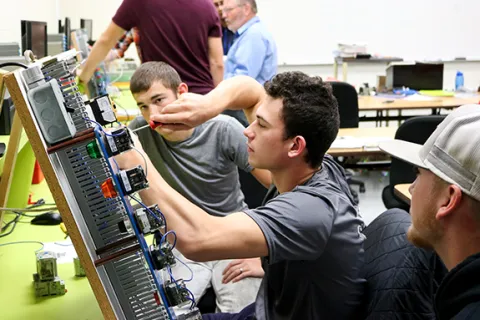
Hands-on learning is a cornerstone of the EMT program at Edison State. Students practice critical skills in lab settings that simulate real-world emergency scenarios. Through guided instruction, learners build confidence in procedures such as CPR, oxygen administration, bleeding control, splinting, and patient immobilization.
Scenario-based training allows students to apply clinical reasoning in dynamic situations that mirror real EMS calls. Working through simulated emergencies helps prepare students for the unpredictability of field work while reinforcing safe and effective care practices.
Many students also gain exposure to clinical or field experiences alongside professional EMS providers. These opportunities allow learners to observe and participate in patient care under supervision, bridging the gap between classroom knowledge and real-world application.
How Long Does EMT Training Take?
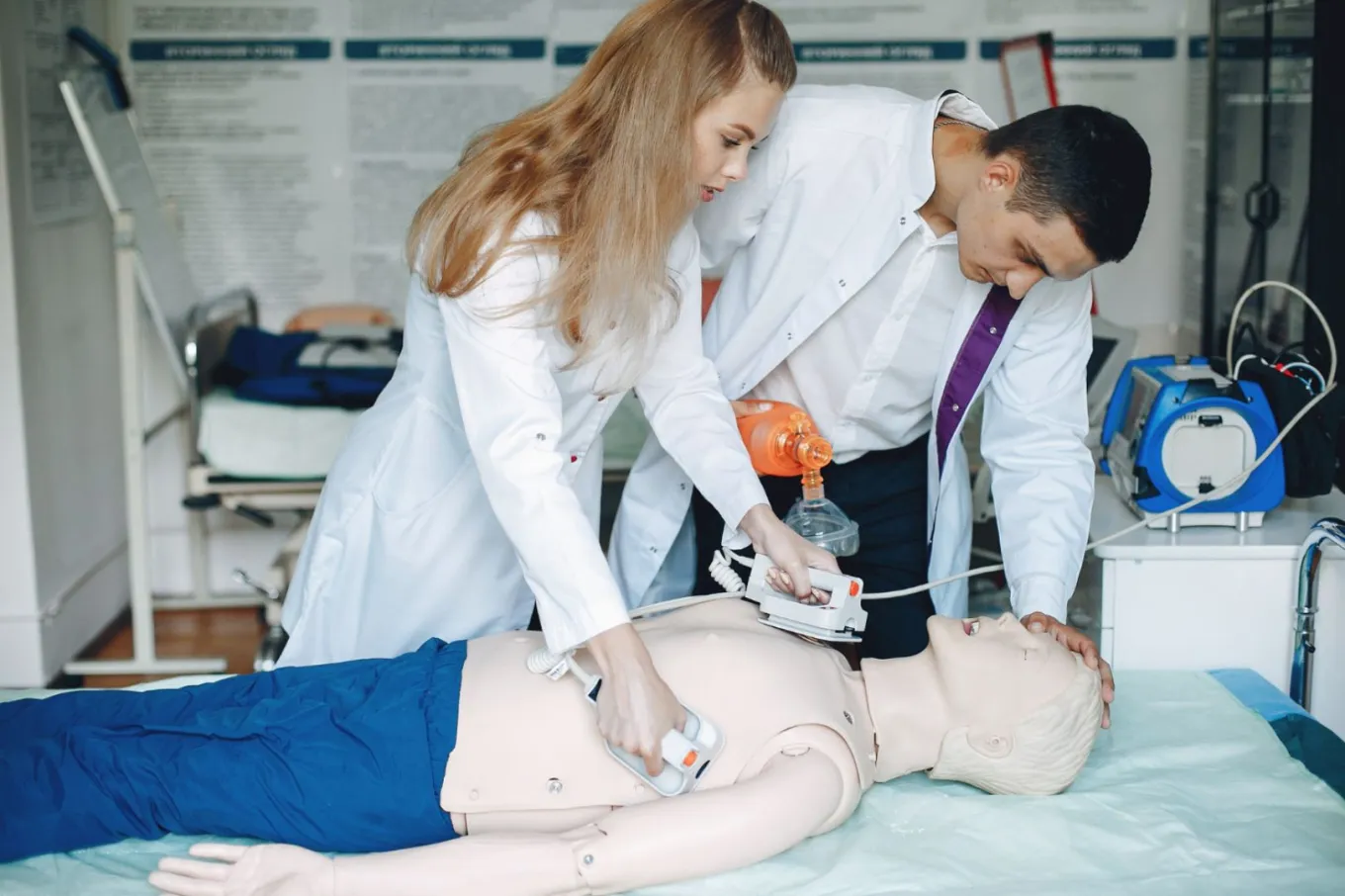
One of the most appealing aspects of EMT education is the relatively short timeframe required to complete the program. Edison State’s Emergency Medical Technician program is a short-term technical certificate that can typically be completed in one academic semester.
This accelerated program enables students to move quickly from enrolment to workforce readiness. After completing coursework and required competencies, graduates are eligible to sit for the National Registry exam and apply for state certification.
For individuals seeking a fast entry point into health care, EMT training offers an efficient and practical route.
Guide to EMT Program Benefits
Choosing to pursue EMT training at Edison State offers advantages that extend beyond earning a certificate. The program supports both immediate employment and long-term career growth.
Fast Entry Into the Health Care Field
Many health care professions require years of schooling before entering the workforce. EMT certification, by contrast, provides a rapid pathway into direct patient care. Within a single semester, students can complete training and become eligible for certification.
This quick transition allows students to begin gaining hands-on health care experience while continuing to explore future educational opportunities. For those unsure of their long-term path, EMT training provides valuable exposure to emergency medicine and patient care environments.
Strong Job Demand and Career Opportunities
Emergency medical technicians remain essential members of health care systems throughout Ohio and across the country. Communities depend on EMS professionals to respond to medical emergencies, accidents, and disasters at all hours.
As health care needs grow and populations age, the demand for trained emergency responders continues. EMTs work in urban centers, rural communities, and suburban areas, making the certification highly versatile.
Edison State prepares graduates for employment in 911 ambulance services, private transport agencies, fire departments, hospitals, and other health care settings. The program’s alignment with state and national standards ensures students meet employer expectations upon graduation.
Opportunity to Advance to Paramedic Training
EMT certification is often the first step in a broader EMS career. Students who discover a passion for emergency medicine can continue their education by pursuing Advanced EMT or paramedic credentials.
Edison State supports stackable credentials, allowing students to build upon their EMT foundation. By advancing their education, graduates can expand their scope of practice, increase earning potential, and pursue leadership roles within EMS agencies.
For many students, EMT training serves as both a career launch and a stepping stone toward advanced health care professions.
Emergency Medical Technician Program in Troy
Edison State’s Troy location serves as a regional hub for health care education in west-central Ohio. Our EMT program meets local workforce needs while maintaining high academic and clinical standards.
Why Choose an EMT Program in Troy
Edison State at Troy offers accessible, community-centered education for students across Miami County and the surrounding areas. The College’s mission focuses on preparing students for in-demand careers while maintaining affordability and flexibility.
Small class sizes allow students to receive individualized instruction and feedback from experienced faculty members. The learning environment emphasizes collaboration, professionalism, and practical skill development.
Our Troy location also benefits from proximity to local EMS agencies, hospitals, and public safety organizations. These connections help students gain exposure to real-world emergency care environments and establish professional networks early in their careers.
What to Look for in EMT Training
When evaluating EMT programs, it’s important to consider several factors. Prospective students should look for programs that are state-approved, aligned with national certification standards, and structured to prepare students for the NREMT examination.
Hands-on training opportunities are equally important. A strong EMT program includes simulation labs, scenario-based instruction, and opportunities for supervised field or clinical experiences.
Support services also matter. Academic advising, financial aid assistance, and clear progression pathways can make a significant difference in a student’s educational experience. Edison State’s comprehensive student services ensure learners receive guidance from enrollment through graduation.
Career Opportunities for EMTs in Troy and Nearby Areas
Graduates of our EMT program in Troy are well-positioned to seek employment throughout west-central Ohio. Local opportunities may include municipal EMS departments, fire-based EMS units, private ambulance companies, and hospital transport teams.
Many students choose to work part time while continuing their education. Others pursue full-time EMS careers immediately after certification. The flexibility of EMT credentials allows graduates to adapt their schedules to meet personal and professional goals.
The strong community presence of Edison State helps connect students with employers seeking trained and certified emergency responders.
Where Can EMTs Work?
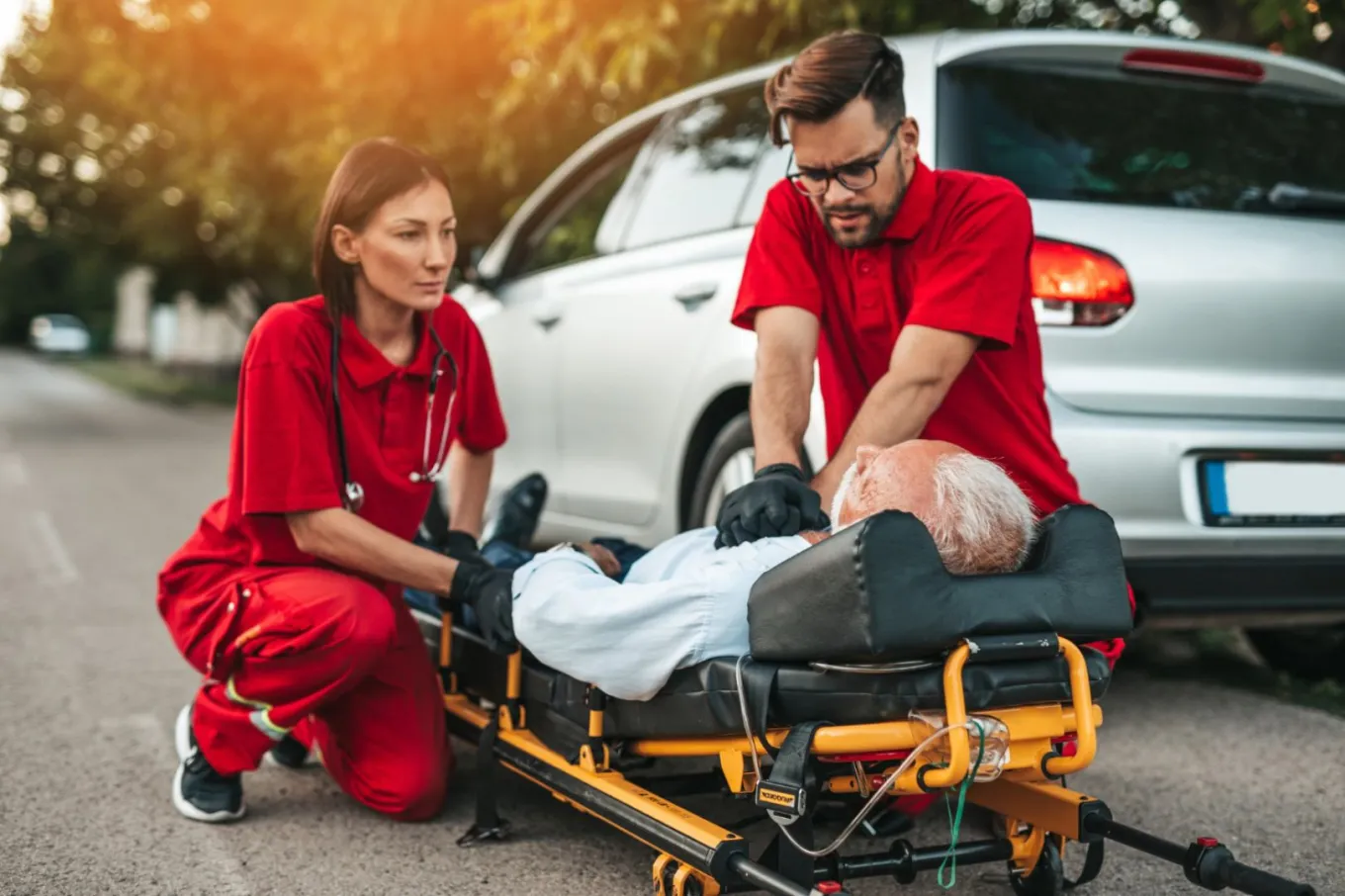
EMT certification opens doors to a wide range of employment settings within health care and public safety.
Ambulance Services and Emergency Response Units
Most EMTs begin their careers working on ambulances. In this role, they respond to emergency calls, provide basic life support care, and transport patients to hospitals. These positions often involve rotating shifts, including nights, weekends, and holidays.
Ambulance-based EMTs work closely with paramedics and other first responders, forming the frontline of emergency medical response in their communities.
Hospitals, Clinics, and Fire Departments
EMTs may also work in hospital settings, particularly in emergency departments. In these roles, they assist nurses and physicians with patient care tasks, monitor vital signs, and support trauma teams.
Fire departments frequently require firefighter candidates to hold EMT certification. In combined fire-rescue roles, EMTs provide medical care at fire scenes, accidents, and hazardous incidents.
Community and Public Safety Organizations
Beyond traditional EMS roles, EMTs may find employment with industrial facilities, schools, universities, sporting venues, and event organizations that require on-site medical coverage.
Some EMTs participate in disaster response teams or community health outreach initiatives, teaching CPR and first aid to the public. These roles extend the impact of EMT training beyond emergency response and into preventative community care.
Final Thoughts
Becoming an emergency medical technician (EMT) is one of the fastest and most impactful ways to enter the health care field. EMTs provide critical pre-hospital care, respond to emergencies, stabilize patients, and transport them safely to medical facilities. With focused training, National Registry certification, and state licensure, you can begin serving your community in just a few months. EMT certification also opens doors to career advancement, including paramedic training and other allied health professions, making it a strong foundation for long-term growth in health care.
At Edison State Community College, students can start their journey through the emergency medical technician program, which prepares graduates for real-world EMS careers. As part of the College’s comprehensive health sciences programs, students benefit from hands-on instruction, experienced faculty, and stackable career pathways. Those interested in expanding their health care opportunities may also explore programs such as the physical therapist assistant program. Contact us now to learn more about the emergency medical technician program, admissions requirements, upcoming start dates, and financial aid options.
Frequently Asked Questions
How long does it take to become an EMT?
Students can complete most EMT programs in one academic semester, typically requiring 120–150 hours of instruction. After finishing coursework, students must pass the National Registry exam and obtain state licensure before working professionally.
What is the difference between an EMT and a paramedic?
EMTs provide basic life support, including CPR, oxygen administration, and bleeding control. Paramedics complete advanced training that allows them to administer more medications, perform advanced airway procedures, interpret cardiac rhythms, and deliver advanced life support.
Do EMTs need to renew their certification?
Yes. EMTs must renew National Registry certification and maintain state licensure through continuing education and periodic recertification. Ongoing training ensures providers stay current with updated medical guidelines, protocols, and emergency care best practices.
Where can EMTs work after certification?
EMTs can work for ambulance services, fire departments, hospitals, private transport companies, and public safety organizations. Some also provide medical standby at events, industrial sites, or participate in disaster response and community health programs.
Is EMT certification a good starting point for health care careers?
Yes. EMT certification provides hands-on patient care experience and exposure to emergency medicine. Many professionals use it as a stepping stone toward paramedic training, nursing, respiratory therapy, emergency management, and other allied health careers.