



What to Expect During Your First Year at a Community College
Your first year at a community college introduces you to orientation, supportive student services, flexible schedules, and campus involvement, helping you build confidence, stay organized, and prepare for future academic or career success.
October 24, 2025
Starting your first year at a community college is an exciting new chapter filled with opportunities, challenges, and growth. Whether you’re beginning your college journey straight out of high school, returning to education after some time away, or pursuing a new career path, community college offers a supportive and affordable way to reach your goals.
This article will walk you through what to expect during your first year, from orientation and scheduling classes to managing finances and getting involved on campus. You’ll also learn how to make the most of student services, explore scholarship options, and prepare for your future, whether that means transferring to a four-year university or stepping directly into the workforce.
Key Takeaways
- Orientation is key for a smooth start, providing students with the information and resources they need to succeed.
- Utilizing student services like tutoring, mental health resources, and career services can significantly enhance your community college experience.
- Getting involved in campus life builds social connections and offers leadership opportunities, enriching your overall college journey.
Navigating Your First Week
Your first week at a community college sets the tone for your first semester—and your first year. Orientation programs help new students acclimate by providing practical knowledge about academic processes, campus layout, and available support services. An academic advisor during orientation is crucial as it assists in understanding degree requirements and selecting appropriate courses for the first time.
Campus tours help ease first-day anxiety by familiarizing you with key locations like the library, dining area, and student services. Orientation activities also foster social connections, helping you meet peers and promote early friendships, which are vital for a sense of belonging.
Adjusting to College Classes
Adjusting to college classes can be one of the most significant challenges for new students. Workshops during orientation often focus on essential skills like time management, study strategies, and mental health awareness to support student success. Creating a monthly calendar to track important academic deadlines, such as assignment due dates and exams, can keep you organized.
A weekly priority list helps manage both immediate and long-term assignments effectively. Designating a specific time and place for studying can enhance your focus and make your study habits more consistent. Incorporating flex time in your weekly schedule helps address unexpected events without disrupting your plans.
Selecting the right classes in your first semester greatly influences long-term success. Dedicating about two hours of study time for every hour spent in class might seem overwhelming at first, but with a structured approach, you’ll find your rhythm and excel academically over the year.
Building Your Schedule
A balanced schedule helps manage both academic and personal commitments effectively. Your schedule should reflect individual commitments and productivity rhythms, including leisure time for mental health. Reminders can help you stay organized and on track with tasks.
To enhance productivity:
- Prioritize tasks based on urgency and energy levels.
- Maintain a flexible schedule to allow for adjustments when unexpected circumstances arise.
- Personalize your schedule and use organizational tools to help maintain focus and manage responsibilities to advance.
Utilizing Student Services

Community colleges offer a range of student services that can significantly enhance your experience and support your academic and personal well-being. Mental health resources support students’ emotional well-being, while tutoring services and access to a comprehensive library offer academic support to enhance learning.
Career services assist in job placement, internships, and career planning, preparing students for the workforce. Campus events enrich your student experience and provide networking opportunities.
Using available student services greatly enhances your community college experience and supports your academic journey.
Financial Aid and Scholarships
Navigating financial aid and scholarships is a critical aspect of your community college journey. The Free Application for Federal Student Aid (FAFSA) allows community college students to access federal loans and grants. Some community colleges also offer state grants that require the FAFSA.
Many students may qualify for scholarships, including traditional and nontraditional students. Some scholarships for community college students require a minimum GPA, though there may also be opportunities that don’t include GPA as a final determination of eligibility. Edison State offers scholarship opportunities that directly benefit its students.
Part-time community college students can access various financial aid options, though most awards favor full-time enrollment. Community colleges offer affordable, quality education and provide resources for tuition and aid.
Engaging in Campus Life

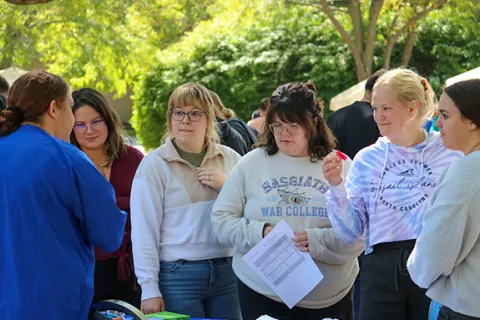
Participating in campus life significantly enhances your college experience. Joining student organizations helps build social connections and provides leadership opportunities through various activities.
Involvement in campus life offers several benefits:
- Student government allows you to influence campus policies and budget decisions.
- Intramural sports teams offer a fun way to stay active while fostering social interactions and interests.
- Engagement helps build networks of friends and mentors, enhancing your college experience.
Transferring to a Four-Year University
If transferring to a four-year university is part of your plan, consider the following:
- Start planning from the first semester.
- Transfer programs at community colleges mirror the first two years of four-year programs, ensuring a smoother transition.
- Articulation agreements between community colleges and four-year universities facilitate credit transfers.
Maintaining a specific GPA is essential for transferring to four-year colleges. The application processes for transfer students differ from those of new applicants at four-year institutions, so familiarize yourself with the transfer application requirements. There are also scholarships specifically for community college students planning to transfer to four-year institutions.
Job Prospects After Community College
Graduates with associate degrees from community colleges typically experience the following benefits:
- Higher annual earnings compared to those without degrees
- Increased job stability and potential earnings through an associate degree or short-term certificate
- Preparation for the job market through career services that develop the necessary skills
Benefits of Starting at a Community College
Starting at a community college provides numerous benefits. Community colleges often have lower tuition costs compared to four-year institutions, making them more affordable for degree-seeking students. Many scholarships specifically target community college students, allowing applications based on enrollment status.
Community colleges offer several advantages:
- Flexible scheduling, including evening and online classes, accommodating students with various responsibilities
- Smaller class sizes that allow for more personalized instructor attention
- A diverse student population, enriching the learning experience with varied perspectives
These institutions provide resources like tutoring and academic advising to support student success. Choosing a community college allows you to take advantage of these benefits while pursuing your academic goals.
Final Thoughts
Your first year at a community college marks the beginning of an exciting academic and personal journey. This article has explored what new students can expect during their first year, including orientation, adjusting to college classes, managing schedules, using student services, and exploring financial aid options. It also highlighted the importance of getting involved in campus life, planning to transfer to a four-year university, and developing the skills needed for long-term success in education and beyond.
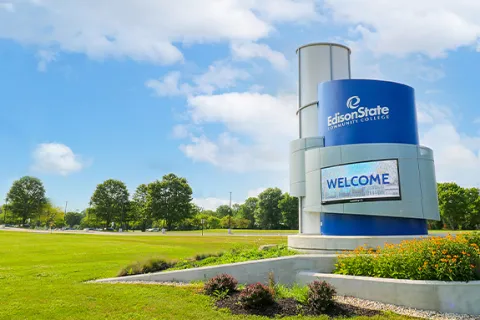
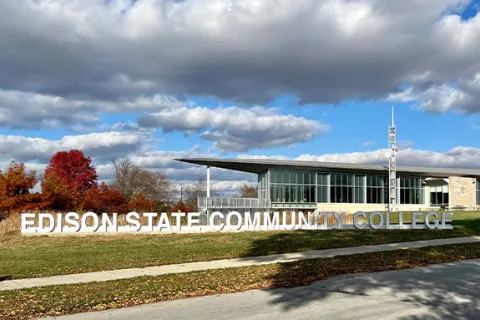
Edison State Community College, a community college with locations in Piqua, Eaton, Greenville, and Troy, provides students with a welcoming and supportive environment to achieve their educational and career goals. With experienced faculty, diverse academic programs, and extensive student resources, we empower learners to succeed both in and out of the classroom. Whether you’re just beginning your higher education journey or working toward career advancement, we’re committed to helping you every step of the way.
Frequently Asked Questions
What should I expect during my first week at a community college?
Your first week is all about getting familiar with campus life, making new friends, and learning about the student services available to you.
How can I balance my classes, work, and personal life?
Start by creating a realistic schedule that includes time for studying, work, and relaxation. Using planners or digital calendars can help you stay organized. Remember to prioritize tasks and allow some flexibility for unexpected changes.
What types of support services do community colleges offer?
Most community colleges provide academic tutoring, career services, and mental health and wellness resources designed to help you succeed both academically and personally. Don’t hesitate to use them.
Can I transfer to a four-year university after attending a community college?
Yes! Many community colleges have transfer agreements with four-year universities. Maintaining a strong GPA and meeting transfer requirements will help ensure a smooth transition to the next stage of your education.
How can I get involved in campus life?
Join student clubs or attend campus events to meet people and build leadership skills. Participating in campus activities makes your college experience more enjoyable and helps you grow personally and professionally.