




How Agriculture Is Evolving and Creating Career Opportunities
Modern agriculture is advancing through technology, sustainability practices, and innovation, creating diverse career opportunities in science, business, and skilled trades while supporting food systems and long-term industry growth.
December 19, 2025
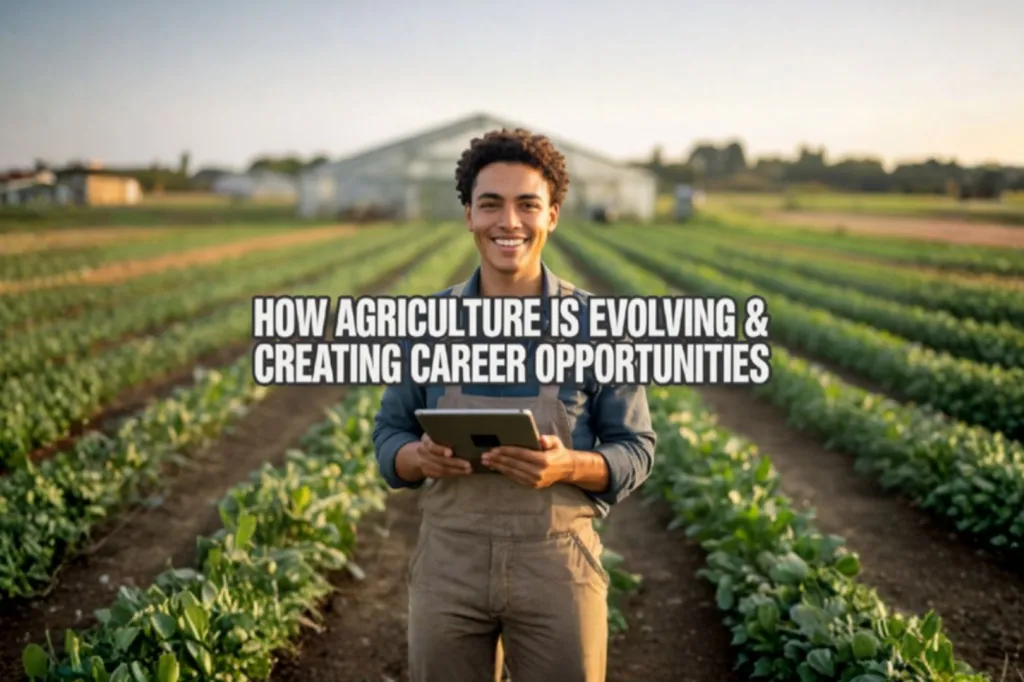
Agriculture is undergoing rapid transformation driven by technology, innovation, and changing global demands. Modern practices now combine science, data, and sustainability with traditional farming knowledge. These shifts are creating new roles that extend beyond the field and into research, business, and technology. Career paths are expanding as the industry adapts to future challenges. In this blog, we’ll explore how these changes are shaping agriculture and opening new career opportunities.
Key Takeaways
- Global agriculture is transforming from traditional farming into a technology-driven, science-based industry, with projections showing nearly 105,000 annual job openings through 2030 in food, agriculture, and related fields.
- Modern career opportunities now span precision agriculture, data analytics, artificial intelligence, sustainability consulting, urban farming, and agribusiness—far beyond conventional farm work.
- Governments, universities, and ag-tech startups are investing heavily in agricultural innovation, creating strong demand for skilled workers who can blend agricultural knowledge with technical expertise.
- Young people and career changers can enter the agriculture sector through formal education, reskilling programs, and entrepreneurship, even without a farming background.
- These emerging roles directly contribute to climate change solutions, food security, rural revitalization, and economic development in communities worldwide.
Why Modern Agriculture Is a Career Engine
Agriculture in 2024–2025 looks nothing like your grandparents’ farm. Today’s agricultural operations rely on satellites tracking crop health from space, sensors monitoring soil conditions in real time, and startups developing innovative solutions to feed a growing planet. This transformation is creating career opportunities that simply didn’t exist a generation ago.
Consider the numbers: the global population is projected to approach 10 billion by 2050, requiring food production to increase by roughly 50% compared to 2012 levels. Meeting this demand while addressing climate change and resource constraints requires a new generation of agricultural professionals. According to a comprehensive employment outlook report, the United States alone will see approximately 104,766 annual job openings in food, agriculture, renewable natural resources, and environmental fields from 2025 to 2030. Yet only about 48% of these positions are expected to be filled by graduates with directly related degrees—signaling tremendous opportunity for those ready to step into this space.
This evolution is generating skilled jobs across the entire value chain: from input supply and crop production to processing, logistics, marketing, and waste reduction. Whether you’re drawn to technology, environmental stewardship, business, or community development, modern agriculture offers pathways that align passion with purpose.
Technological Transformation: From Manual Labor to Smart Farming
The shift from manual labor to smart farming has accelerated dramatically since 2010, with digital tools, automation, and artificial intelligence fundamentally changing how farmers make decisions. What began as experimental technology is now standard practice on farms of all sizes, from family operations to large agricultural enterprises.
Precision agriculture uses GPS-guided tractors that can plant seeds with centimeter-level accuracy. Drones equipped with multispectral cameras scout entire fields in minutes, identifying pest pressure or nutrient deficiencies invisible to the human eye. IoT soil sensors continuously monitor moisture levels and nutrient availability, while AI-powered yield prediction models help farmers optimize every input.
These technologies deliver real results: reducing waste of fertilizers, water, and fuel while improving crop yields and supporting climate-smart decisions at the field level. The agriculture industry is becoming increasingly data-driven, and that shift directly creates new roles.
Artificial Intelligence, Robotics, and Data Analytics on the Farm
The 2020s marked a turning point when AI and robotics moved from pilot projects to commercial deployment across major crops, including corn, wheat, fruits, and vegetables. What was once cutting-edge research is now a practical reality on farms worldwide.
Consider these examples: smartphone apps now use AI to detect plant diseases from a simple photo, giving farmers instant diagnostic information. Robotic weeders equipped with computer vision can distinguish crops from weeds and remove unwanted plants mechanically, reducing herbicide use. Sophisticated algorithms analyze weather patterns, soil data, and market conditions to optimize irrigation schedules and planting decisions in real-time data.
These technological advancements create specific job titles in agriculture:
|
Role |
Primary Responsibilities |
|
Agricultural Robotics Engineer |
Design and implement autonomous farming systems |
|
Machine Learning Specialist |
Develop crop modeling and prediction algorithms. |
|
Field Implementation Engineer |
Deploy and troubleshoot smart equipment on farms. |
|
Agricultural Data Scientist |
Analyze large datasets to improve farm operations. |
|
Computer Vision Specialist |
Create systems for plant identification and health assessment. |
Data analysis has become central to modern agricultural operations. Professionals in these roles interpret sensor data, satellite imagery, and weather forecasts to advise farmers and agribusinesses on everything from planting timing to harvest logistics. These positions exist in ag-tech startups, equipment manufacturers like John Deere and AGCO, and large farming enterprises—not only on small family farms.
Digital Platforms and Farm Management Software
Since 2018, farm management information systems, mobile apps, and online marketplaces have proliferated, transforming how farmers run their operations and access markets. These digital platforms represent a growing segment of agricultural innovation.
Farm management software helps farmers track inputs, monitor fields through real-time data feeds, plan harvests efficiently, and sell produce directly to buyers. From seed-to-sale traceability to automated record-keeping for regulatory compliance, these tools are becoming essential to competitive agricultural operations.
This digital transformation creates numerous opportunities for professionals who understand both technology and agriculture:
- Product managers for ag-tech applications who translate farmer needs into software features
- UX designers who tailor tools specifically for agricultural users, often working in challenging field conditions
- Customer success specialists who help farmers adopt and maximize value from digital tools
- Digital extension advisors who blend traditional agricultural knowledge with modern platform expertise
Many of these careers allow remote or hybrid work, making agriculture accessible to urban professionals who might never have considered the sector. However, success requires both digital literacy and a genuine understanding of agricultural operations—knowing what matters to a farmer at 5 AM during planting season.
Sustainable and Regenerative Agriculture: Careers with Environmental Impact
Climate change, soil degradation, and water scarcity have pushed the agriculture sector toward sustainable agricultural practices since the mid-2010s. What was once a niche concern has become central to how farmers, agribusinesses, and policymakers think about food production.
Sustainable agriculture balances economic viability, environmental health, and social equity—ensuring that farming practices today don’t compromise the ability of future generations to meet their needs. Regenerative agriculture goes further, actively restoring soil health and ecosystem function rather than merely minimizing harm.
These approaches include specific sustainable farming practices:
- Reduced or no-till cultivation to protect soil structure
- Cover cropping to prevent erosion and build organic matter
- Crop rotation to break pest cycles and improve soil quality
- Agroforestry integrating trees with crops or livestock
- Integrated pest management, reducing chemical inputs
- Organic farming certifications meeting strict standards
This shift toward sustainability generates meaningful career paths. Sustainable agriculture consultants help farms transition to eco-friendly practices. Regenerative farm managers oversee operations focused on soil restoration. Soil health specialists design testing protocols and recommend improvements. Carbon farming advisers help farmers monetize carbon sequestration. Biodiversity officers work to protect and enhance on-farm ecosystems.
Many of these roles intersect with policy organizations, certification bodies, NGOs, and climate-focused investment funds, offering diverse work environments for professionals passionate about environmental stewardship.
Climate-Smart Agriculture and Carbon Markets
Climate-smart agriculture has emerged as a key strategy linked to national climate targets and international agreements like the Paris Agreement. As nations commit to reducing emissions, agriculture plays a crucial role in both mitigation and adaptation.
One of the most significant developments is the growth of carbon markets, where farmers receive payment for ecosystem services. Through verified carbon credits, agricultural professionals are monetizing sustainable practices—but this requires accurate measurement, reporting, and verification (MRV) of carbon sequestration and emissions reductions.
This creates demand for specialized roles:
|
Career |
Skills Required |
|
Carbon Accounting Analyst |
Quantifying farm-level emissions and sequestration |
|
MRV Specialist |
Verifying climate claims meet rigorous standards |
|
Remote Sensing Analyst |
Using satellite data to track land use changes |
|
Carbon Program Project Manager |
Coordinating multi-farm carbon credit initiatives |
These positions require knowledge of both agronomy and climate science, often supported by specialized training or postgraduate study. For professionals interested in addressing climate change through practical action, these careers offer direct impact on reducing agriculture’s carbon footprint.
Organic and Specialty Food Production
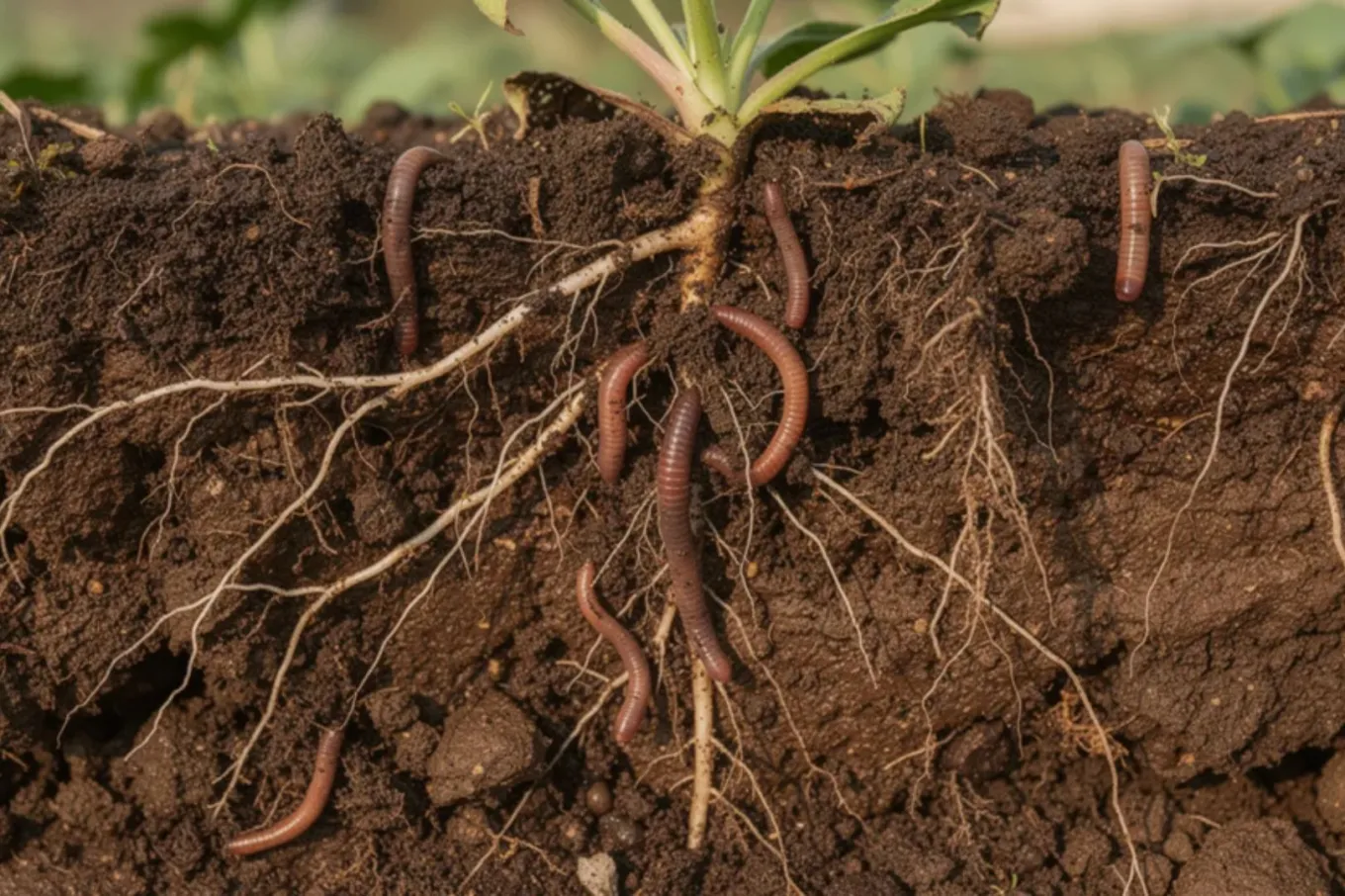
The organic and specialty food markets have grown steadily over the past decade, driven by consumer demand for transparency, health, and environmental responsibility. Plant-based proteins, fair-trade products, vegan-friendly ingredients, and niche crops like specialty mushrooms and ancient grains have moved from the margins to mainstream retail.
Certification schemes—organic, fair trade, Rainforest Alliance, and others—create substantial work in auditing, compliance, and supply-chain traceability. Someone needs to verify that the food quality matches the label claims, and that means jobs for professionals who understand both agricultural production and certification requirements.
Career paths in this space include:
- Organic certification inspectors who audit farms and processing facilities
- Quality and sustainability managers in food companies ensure products meet standards
- Niche-crop agronomists who help farmers succeed with specialty commodities
- Supply chain traceability specialists who document product journeys from farm to table
The surge in vegan and plant-based lifestyles has significantly increased demand for specific plant products, from avocados and cacao to high-protein legumes. This represents millions in market potential, and farms producing these ingredients are actively seeking skilled professionals.
These roles suit people passionate about ethical consumption, animal welfare, and creating a more sustainable future through food choices.
Urban Agriculture and Vertical Farming: New Jobs in the City
Urban agriculture, vertical farms, and controlled-environment agriculture are transforming city spaces into productive food hubs. What started as community gardens has evolved into sophisticated indoor farming operations producing fresh food year-round, regardless of climate or season.
From rooftop gardens in New York to container farms in Singapore and warehouse hydroponics in Amsterdam, cities across North America, Europe, and Asia are embracing local food production. These operations address food deserts, shorten food supply chains, and create local employment opportunities close to consumers.
Urban agriculture blends horticulture with building technology, logistics, and community development. It’s agriculture meeting engineering, business, and social impact in the heart of cities. Many roles exist in fast-growing companies building commercial vertical farms, while community-focused NGOs offer positions centered on food access and education.
This sector demonstrates how agriculture can contribute to economic growth and food security simultaneously, proving that farming and cities are no longer mutually exclusive.
Technical and Operational Roles in Vertical Farming
Vertical farms rely on hydroponics, aeroponics, LED lighting systems, and precise climate control to grow crops indoors year-round. These facilities can produce leafy greens, herbs, and vegetables at densities impossible in traditional agriculture, with dramatically reduced water usage and zero pesticides.
Job types in vertical farming include:
|
Position |
Key Responsibilities |
|
Hydroponic Technician |
Managing nutrient solutions and growing systems |
|
Greenhouse Operations Manager |
Overseeing daily production and staff |
|
Climate Control Specialist |
Optimizing temperature, humidity, and CO2 levels |
|
Maintenance Engineer |
Servicing pumps, lighting, and automation systems |
|
Crop Production Specialist |
Maximizing yields and quality through cultivation expertise |
These roles demand an understanding of plant physiology combined with electrical and mechanical systems knowledge and basic data monitoring skills. Vertical farming often runs on shift-based teams, offering entry-level positions alongside advanced technical careers.
Companies like AeroFarms, Plenty, and Bowery Farming have created hundreds of jobs in cities where traditional agricultural employment didn’t exist. Gotham Greens operates rooftop greenhouses in multiple U.S. cities, demonstrating how urban farming creates local businesses and employment in unexpected places.
Community, Education, and Food Access Roles
Urban farms serve as more than food production sites—they’re community hubs, education centers, and social enterprises that address food security and neighborhood revitalization. This creates job opportunities focused on people rather than plants.
Positions in this space include:
- Community farm coordinators who manage volunteers and programming
- Urban agriculture educators who teach growing skills to residents
- Youth program leaders who engage the next generation with hands-on learning
- Food access project managers who connect farms with underserved communities
These roles focus on nutrition education, school partnerships, and training residents in basic growing skills that can improve household food security. The social impact is significant: providing green jobs in underserved neighborhoods, building local leadership, and strengthening community connections.
Many of these positions are supported by city governments, nonprofits, or philanthropic funding, offering pathways into agriculture for people motivated by community development and social justice.
Agribusiness, Supply Chains, and Food Systems Careers
Modern agriculture extends far beyond the farm gate. The complete food system includes complex value chains: input providers, processors, logistics firms, retailers, and exporters moving food from field to fork. Understanding this broader system reveals numerous opportunities for agricultural professionals.
As food systems globalize and digitize, demand grows for professionals who can manage risk, ensure sustainability, and maintain transparency across supply chains. A single product might involve farmers in developing countries, processors in one region, and consumers thousands of miles away—all connected by sophisticated logistics and information systems.
Major agribusiness career areas include:
- Input and seed sales connecting farmers with products that improve productivity
- Commodity trading, managing price risk, and market access
- Logistics and cold chain management, ensuring food quality during transport
- Procurement specialists sourcing agricultural products for manufacturers
- Export marketing opens international markets for agricultural goods
The rise of traceability tools—blockchain, QR codes, digital ledgers—requires specialists in data integrity and compliance who can verify claims and maintain trust in the food system. These roles blend business, economics, and agricultural knowledge, often offering clear advancement pathways for ambitious professionals.
Agri-Finance, Insurance, and Investment
Banks, microfinance institutions, and impact investors have dramatically expanded financing products tailored to farmers and ag-tech enterprises. This creates a specialized career space at the intersection of finance and agriculture.
Agricultural banking jobs have evolved significantly, embracing digital banking, innovative loan products, and alternative finance mechanisms. Modern agricultural banks offer seasonal loans, input financing, equipment leasing, crop insurance, and hedging instruments—all requiring professionals who understand both farming realities and financial modeling.
Key roles include:
|
Career |
Focus Area |
|
Agricultural Loan Officer |
Evaluating farm creditworthiness and structuring loans |
|
Rural Credit Analyst |
Assessing risk in agricultural lending portfolios |
|
Crop Insurance Underwriter |
Designing coverage for weather and market risks |
|
Sustainable Agriculture Investment Analyst |
Identifying opportunities in climate-smart farming |
|
Agri-fintech Product Manager |
Building digital financial tools for farmers |
Public and private initiatives that de-risk loans to smallholders are expanding, particularly in rural areas of developing countries. Organizations like the World Bank and regional development banks fund programs requiring specialized staff who understand agricultural finance.
These roles can have a significant development impact by improving farmers’ access to capital and risk protection, contributing to economic development in agricultural communities worldwide.
Food Safety, Quality Assurance, and Regulatory Careers
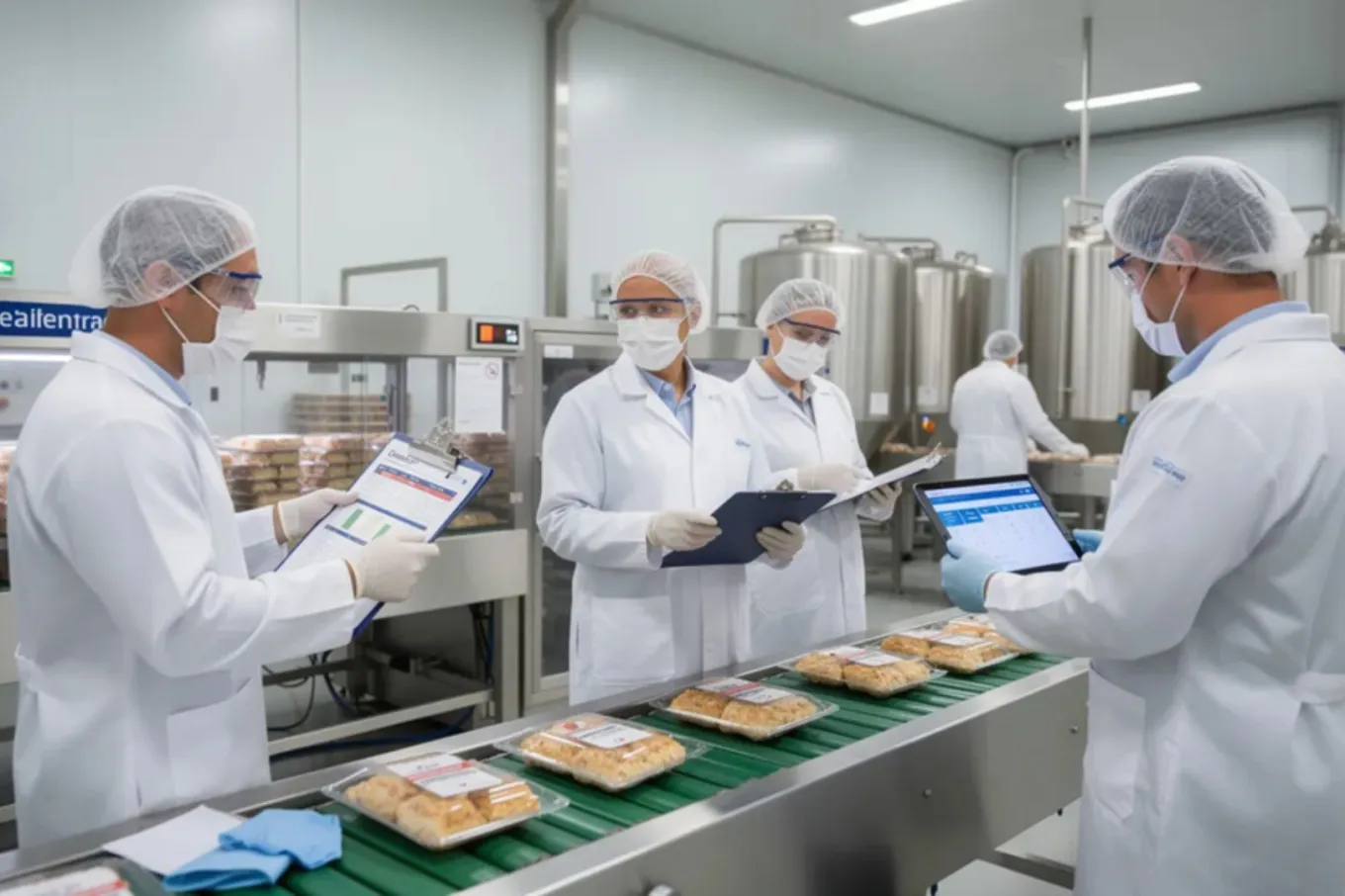
Recent food safety regulations and high-profile recalls have increased scrutiny throughout the supply chain. Consumers, retailers, and regulators all demand higher standards, creating steady demand for food safety professionals.
Typical roles include:
- Quality assurance managers at processing plants ensure consistent standards
- Food safety auditors conducting facility inspections and compliance reviews
- HACCP coordinators implementing hazard analysis and critical control points
- Regulatory affairs specialists navigating complex national and international requirements
These jobs involve designing protocols, testing products, ensuring compliance with regulations, and training staff. With the growth of export markets, companies need experts who understand destination-country requirements—European food standards differ from those in Asia or the Americas.
This field suits detail-oriented professionals with backgrounds in food science, microbiology, environmental science, or public health. As global trade in agricultural products expands, food safety careers offer stability and growth potential, playing a crucial role in protecting environmental health and consumer welfare.
Preparing for the Future of Agriculture Careers
Agriculture continues to evolve through technology, innovation, and interdisciplinary skills, creating career opportunities beyond traditional farming roles. From data-driven decision-making to business and technical support, the industry now welcomes diverse talent. Understanding these changes helps individuals align education with long-term, in-demand careers.
If you’re ready to move forward, Edison State Community College offers hands-on, career-focused learning designed for today’s workforce. We support students pursuing an agriculture education program in Piqua with practical training, experienced faculty, and clear pathways to employment. Programs connected to social public services, information technology, general business studies, and associate arts provide flexible academic pathways that support modern agriculture careers. Connect with us and start building your future in agriculture today.
Frequently Asked Questions
Do I need to come from a farming family to build a career in modern agriculture?
No farming background is required to enter modern agriculture. Many roles focus on technology, business, engineering, and data analysis. While learning agricultural fundamentals is important, employers value transferable skills and adaptability. A willingness to learn and apply expertise to real agricultural challenges matters most.
What entry-level jobs are available if I have a general science or business degree?
Graduates can pursue roles such as agribusiness analyst trainee, farm management assistant, quality control technician, ag-technology support specialist, or urban farm technician. These positions offer industry exposure while building sector-specific knowledge. Employers often prioritize analytical, communication, and organizational skills over direct farming experience.
How can I transition into agriculture from an IT or engineering career?
IT and engineering professionals are in demand for precision agriculture, robotics, and ag-technology development. Opportunities exist in software platforms, sensor networks, equipment systems, and data modeling. Adding foundational agronomy or agriculture courses helps bridge technical expertise with practical agricultural applications.
Are agricultural jobs future-proof in the age of automation?
Automation is reshaping agriculture but not eliminating opportunities. While manual roles decline, demand is growing for system operators, technicians, data analysts, and automation specialists. Careers requiring decision-making, technical oversight, and problem-solving remain strong, especially for professionals committed to ongoing skill development.