





Agriculture Careers Guide: Different Careers in Agriculture
Agriculture careers require practical skills, problem-solving, and knowledge of modern farming systems. Learners can explore various roles in agriculture, including agribusiness, crop science, animal care, and technology-driven work, for long-term career growth.
January 16, 2026
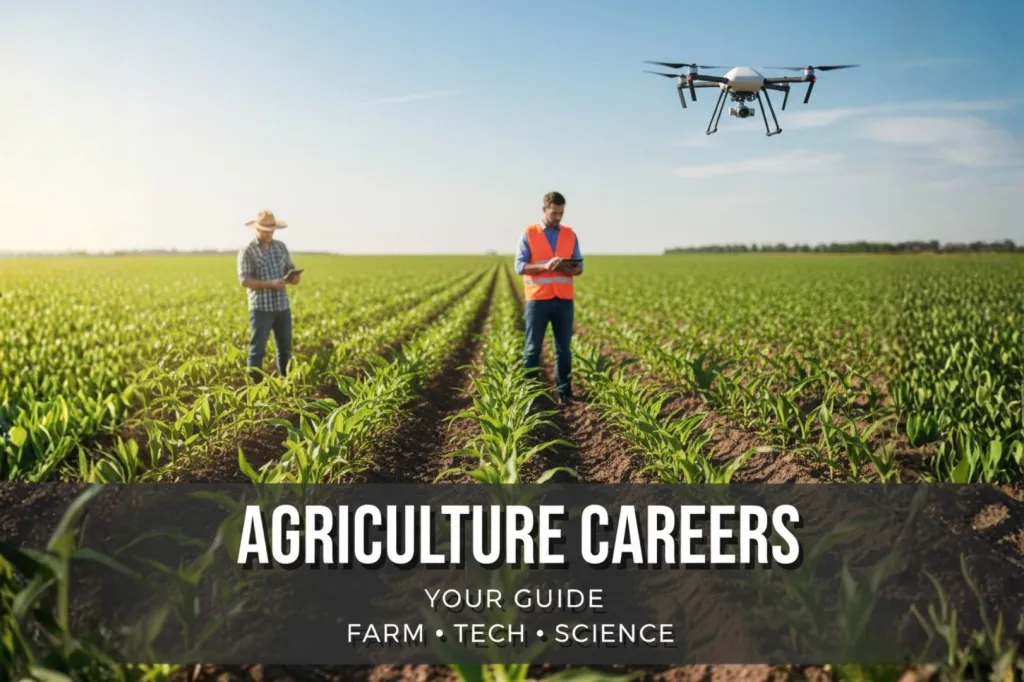
The agricultural industry has evolved dramatically from its historical roots. Today, careers in agriculture encompass business, science, technology, education, and natural resources, creating diverse opportunities for people with varied interests and skill sets. Whether you’re drawn to working outdoors with crops and farm animals, conducting research in a laboratory, or managing supply chains from an office, the agriculture field offers a path that fits.
This blog walks you through major career categories, from management and agribusiness to science, production, education, and environmental conservation. You’ll find specific job examples, typical salary ranges, education requirements, and practical tips for choosing your path and gaining the experience you need to succeed.
Key Takeaways
- Agriculture careers span far beyond traditional farming; today’s opportunities include business management, scientific research, technology innovation, education, and natural resource management globally.
- Both degree and non-degree paths lead to fulfilling careers in agriculture; some roles require advanced degrees, while others value hands-on experience and certifications.
- Strong job demand is projected, driven by population growth, climate change challenges, and global food security needs.
- Salary ranges vary widely by specialization, from entry-level technician roles to six-figure positions in agricultural engineering, agribusiness leadership, and veterinary medicine.
- Practical experience through internships, farm work, and networking with local producers can be just as valuable as formal credentials when launching your agriculture career.
Why Consider a Career in Agriculture Today?
Agriculture represents a multi-trillion-dollar global industry that does far more than grow food. This sector produces fiber, fuel, and essential environmental services that sustain over 8 billion people worldwide. According to United Nations data, agriculture accounts for more than 36 percent of global employment, making it one of the most significant economic sectors on the planet.
Modern agriculture careers look vastly different from what many people imagine. Yes, farming operations remain vital, but today’s agriculture also involves drones mapping crop yields, data scientists optimizing food supply chains, environmental engineers designing sustainable water systems, and policy analysts shaping agricultural policies. The industry has embraced digital transformation, environmental sustainability practices, and complex global logistics which create roles for professionals from nearly every background.
Why agriculture careers stand out:
- Job stability: Food production is essential, creating consistent demand for skilled workers regardless of economic cycles
- Meaningful impact: Agriculture professionals directly contribute to feeding and clothing communities while addressing climate change and environmental issues
- Competitive compensation: Many roles, particularly in agricultural engineering, food science, and agribusiness management, offer strong average salaries
- Work environment flexibility: Opportunities exist for both outdoor fieldwork and indoor office or laboratory settings
- Geographic reach: Agriculture careers exist in rural communities, suburban areas, and urban centers across every state and internationally
Employment projections show steady demand for agricultural engineers, food scientists, and environmental specialists through 2030 and beyond. This growth connects directly to pressing global challenges: population increases, resource pressure on water resources and soil types, supply-chain resilience needs, and the urgent requirement for climate adaptation. These aren’t temporary trends; they represent fundamental shifts that will shape employment for decades.
Major Career Pathways in Agriculture
Understanding how agriculture careers cluster into distinct pathways helps you identify which direction fits your interests and strengths. Rather than viewing agriculture as a single career, think of it as an ecosystem of interconnected professional tracks.
Five main pathways organize most agriculture careers:
- Management and Agribusiness – Focuses on business practices, finance, operations, and supply chain management within agricultural companies, cooperatives, and farms
- Science and Engineering – Involves research, technology development, and technical problem-solving to improve crop production, animal health, and food safety
- Food and Biomaterials Production – Centers on the hands-on work of growing crops, raising livestock, and processing agricultural products
- Education, Communication, and Public Service – Encompasses teaching, extension services, agricultural communications, inspection, and policy work
- Environment and Natural Resources – Addresses conservation, sustainability, wildlife management, forest management, and protecting important natural resources
Each pathway offers distinct work environments and educational requirements. Management roles typically operate from offices and require business-focused degrees. Science positions split time between laboratories and field trials, usually requiring a bachelor’s degree or higher. Production careers happen primarily on farms and in processing facilities, with paths for both degree-holders and those building skills through experience. Education and public service roles work across schools, government agencies, and community organizations. Environmental careers take professionals into forests, wetlands, and conservation sites.
As you continue reading, you’ll find detailed sections for each pathway with concrete job examples, salary information, and guidance on how to prepare.
Management and Agribusiness Careers
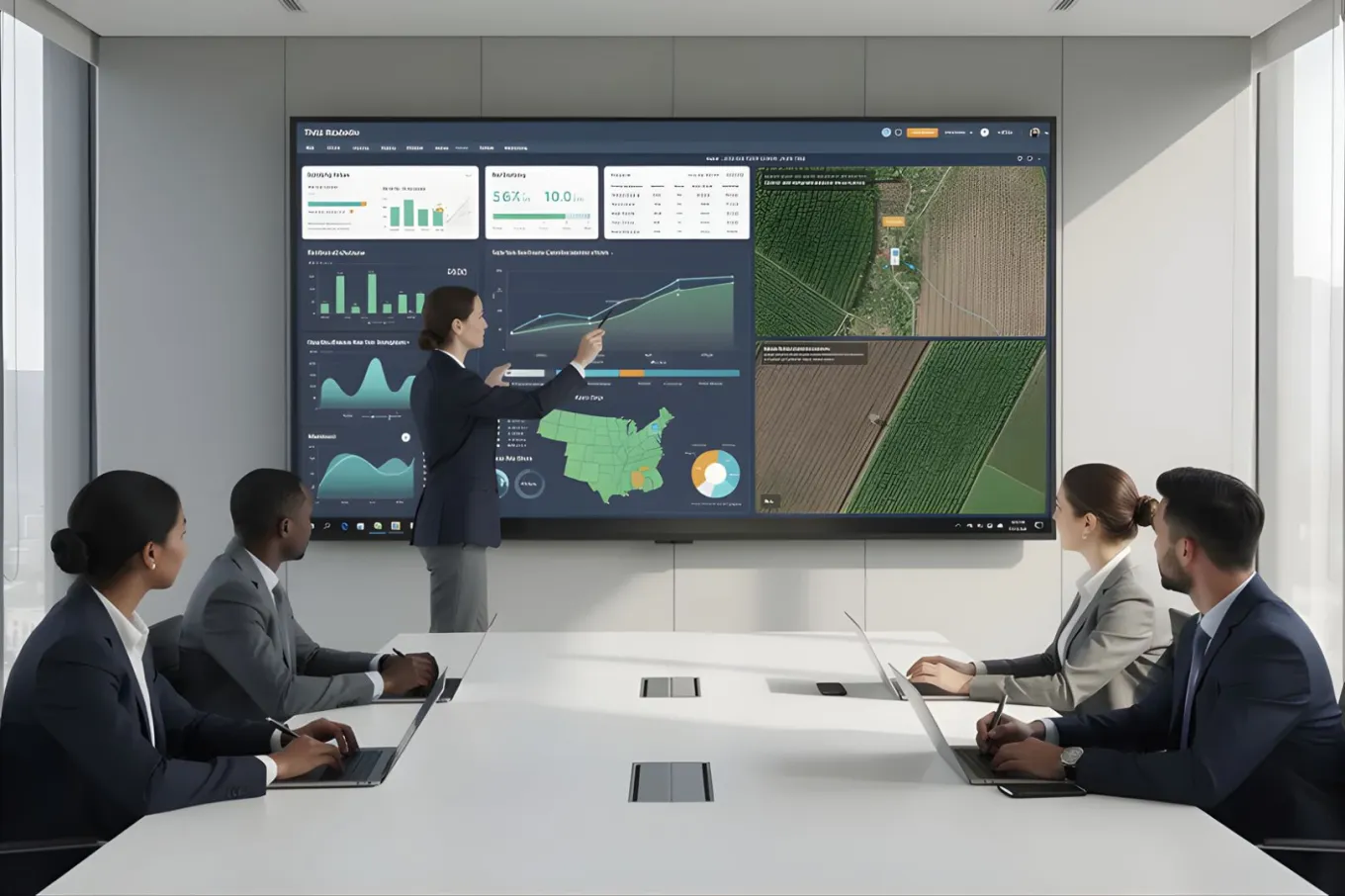
Nearly half of agriculture-related job openings fall into business-oriented categories. These roles keep farming operations running efficiently, connect producers to markets, and manage the financial health of agricultural enterprises. If you enjoy strategic planning, working with numbers, or leading teams, agribusiness offers excellent opportunities.
Professionals in this pathway handle budgeting, logistics, marketing, risk management, and asset oversight. They work for farms, cooperatives, agricultural lenders, input suppliers, and food corporations. Strong problem-solving skills and communication abilities prove essential across these positions.
- Agribusiness Manager – Oversees operations for agricultural businesses, coordinating production, marketing, and financial activities. Typical degrees include agribusiness or agricultural economics. These roles often pay in the mid-$60,000s to $90,000+ range depending on operation size and location. Employers include large farms, cooperatives, and agribusiness corporations.
- Agricultural Loan Officer – Helps farmers secure funding for operations, property purchases, and expansions. This position serves as a potential lifeline for producers needing capital to grow or survive difficult seasons. A bachelor’s degree in business administration, finance, or agricultural business is common. Salary ranges typically fall between $50,000 and $85,000, with Farm Credit institutions and agricultural banks being the primary employers.
- Risk and Insurance Specialist – Analyzes agricultural risks and develops insurance products protecting producers from weather events, price fluctuations, and other factors. Degrees in business, agricultural economics, or finance prepare candidates well. These specialists earn competitive salaries while working for insurance companies and farm management firms.
- Supply Chain Manager – Coordinates the movement of agricultural products from farm to market, optimizing logistics and reducing waste. Strong analytical skills and knowledge of food products are essential. Positions often require degrees in business, supply chain management, or agribusiness, with salaries ranging from $60,000 to over $100,000 for experienced professionals.
- Agriculture Marketing Manager – Develops strategies to promote agricultural products and build relationships with farming clients. This role combines agricultural knowledge with marketing expertise. Employers include commodity organizations, agricultural retailers, and food companies.
Internships with grain elevators, farm credit institutions, or crop protection dealers provide valuable entry points. Networking with local producers and agricultural business associations during your studies accelerates career development significantly.
Science and Engineering Careers in Agriculture
Science and engineering roles drive the innovation that improves crop yields, protects animal health, ensures food safety, and promotes sustainable resource use. These careers require analytical thinking and typically demand at least a bachelor’s degree, with many positions requiring a master’s degree or doctoral research experience.
Professionals in this pathway work in research labs, conduct field trials on farms, develop processes in food processing plants, design equipment for manufacturers, or conduct research at universities and government agencies like the United States Department of Agriculture (USDA). The intersection of agricultural science with digital technology creates particularly strong opportunities.
- Agricultural Engineer – Designs and improves farming machinery, irrigation systems, and processing equipment to enhance efficiency. These professionals might develop electrical systems for precision agriculture equipment or design buildings for livestock housing. A bachelor’s degree in agricultural or biological engineering is standard, with salaries often ranging from $80,000 to $95,000 annually.
- Food Scientist – Develops, evaluates, and manufactures food products while ensuring quality assurance and food safety standards. Food scientists work for processors, ingredient suppliers, and federal government agencies. Degrees in food science or food technology are typical, with experienced professionals earning competitive salaries in the $65,000 to $90,000 range.
- Soil and Plant Scientists – Studies soil types, plant life, and crop science to improve agricultural productivity. Plant scientist roles involve advising producers on implementing methods to enhance practices. These positions typically require degrees in plant science, agronomy, or related fields. According to labor statistics, salaries vary by specialization and setting.
- Agricultural Economist – Analyzes trends, data, and patterns within the agriculture industry to make predictions and serve as financial advisors for businesses and policy decisions. This role requires strong quantitative skills and typically a degree in agricultural economics. Economists work for universities, government agencies, and agribusiness firms.
- Precision Agriculture Specialist – Provides technical assistance to farmers using satellite imagery, sensors, geographic information system (GIS) mapping, and data analytics in their crop production processes. This emerging field combines agricultural knowledge with technology skills. Demand is growing rapidly as digital farming expands.
Climate-smart agriculture, sustainable packaging, and advances in crop protection are creating new research and engineering opportunities. Professionals who can integrate data science with traditional agricultural science are particularly well-positioned for career growth.
Food and Biomaterials Production Careers
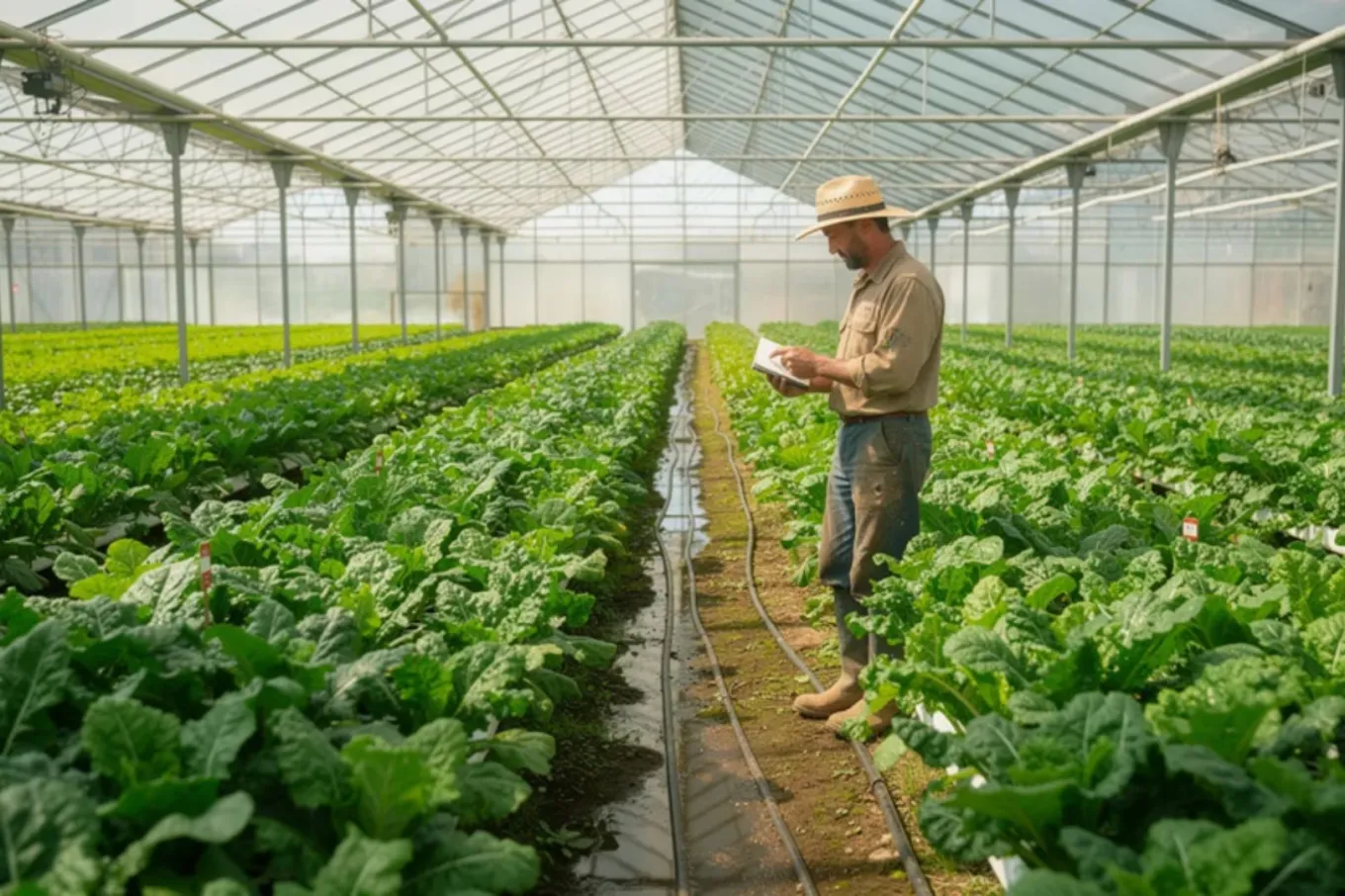
Production agriculture includes the hands-on work of growing crops, raising livestock, and processing food and fiber. These jobs happen on farms, ranches, in greenhouses, and at processing facilities. While automation is changing many traditional roles, skilled managers, technicians, and specialists remain in strong demand.
This pathway offers opportunities for both degree-holders and those who prefer building expertise through direct experience. Work often involves early mornings, physical activity, and outdoor conditions, but can provide excellent earning potential, especially when managing large-scale operations or specialty products.
- Crop Production Manager – Oversees planting, cultivation, and harvesting operations across agricultural lands. Responsibilities include scheduling planting, coordinating workers, managing pest control, controlling weeds, and operating precision equipment. A degree in agricultural science or crop science is helpful, though experience-based advancement is possible.
- Ranch or Livestock Manager – Supervises establishments raising farm animals for meat, dairy, or fiber production. This role combines business management with animal husbandry knowledge. While historically experience-based, degrees in animal science increasingly support career advancement. Salaries vary significantly based on operation size.
- Poultry Farm Supervisor – Manages production processes in poultry operations, ensuring protocol compliance, hiring and training employees, and overseeing financial records. A bachelor’s degree in livestock management or animal agriculture is often required.
- Greenhouse or Horticulture Technician – Cares for plants in controlled environments, managing growing conditions for vegetables, flowers, or specialty crops. Entry can occur with an associate degree or hands-on training, making this an accessible starting point.
- Nutrient Management Specialist – Develops feeding and fertilization programs to optimize plant and animal feed nutrition while minimizing environmental impacts. This role connects production efficiency with environmental stewardship.
These careers offer strong long-term earning potential, particularly for those managing large operations, organic production, specialty crops, or seed agriculture production. The physical nature of the work suits individuals who prefer active environments over office settings.
Education, Communication, and Public Service Careers
Many agriculture professionals work in roles that educate, inform, or regulate rather than directly producing food. Teachers, communicators, extension educators, and government specialists all play crucial parts in keeping the agriculture industry healthy and informed.
Employers in this pathway include K-12 schools, universities, extension services, commodity groups, government agencies, non-governmental organizations (NGOs), and media organizations. If you enjoy writing, public speaking, teaching, or community outreach, these careers offer meaningful ways to contribute.
- Agricultural Teacher – Teaches agriculture courses at secondary or postsecondary levels, helping students explore career paths and develop technical skills. Agricultural education degrees combined with teaching credentials prepare candidates for these positions. Many states actively seek qualified agriculture teachers.
- Extension Educator – Connects university research with farming communities, helping producers adopt new practices and technologies. This role requires strong communication skills and often a master’s degree in agricultural science or a related field. Extension work offers the satisfaction of seeing research create real-world impact.
- Agricultural Communications Specialist – Shares news, stories, and advances in the agriculture industry through writing, public relations, and media production. Degrees in agricultural communications or journalism prepare candidates for roles with commodity organizations, publications, and marketing agencies.
- Agricultural Inspectors – Ensure food safety standards and agricultural policies are followed throughout the food supply chain. These positions often require technical degrees in agriculture, environmental science, or related fields, and may involve work with the federal government or state agencies.
- Policy or Program Analyst – Develops and evaluates agricultural policies and programs affecting producers and rural communities. Strong analytical and writing skills are essential, along with knowledge of agricultural systems and government processes.
These careers particularly suit individuals who find satisfaction in helping others succeed, whether that means training the next generation of farmers or ensuring consumers can trust the food products they purchase.
Environment, Conservation, and Natural Resources Careers
Agriculture and environmental stewardship are deeply interconnected. Soil health, water quality, biodiversity, and forest management all depend on skilled professionals who can balance production needs with conservation goals. Growing attention to climate change and environmental issues drives demand for these specialists.
Professionals in this pathway work for conservation districts, federal and state agencies like the U.S. Fish and Wildlife Service and Natural Resources Conservation Service, environmental consultancies, and companies engaged in sustainable forestry or rangeland management.
- Conservationist – Develops and implements plans to protect soil, water resources, and wildlife habitat on agricultural lands. These professionals help producers implement sustainable practices while maintaining productivity. Degrees in environmental science, natural resource management, or related fields prepare candidates for these roles.
- Agronomist (Regenerative Focus) – Specializes in building soil health and ecosystem function while maintaining crop production. This growing specialization addresses climate adaptation and carbon sequestration goals. A bachelor’s degree in agronomy or crop science is typical.
- Water Quality Specialist – Monitors and addresses water quality concerns related to agricultural operations, including nutrient runoff and harmful pests' impacts on watersheds. Watershed scientists in these roles ensure clean water sources while helping farmers maintain compliance.
- Forester or Forest Ranger – Manages forest lands for timber production, recreation, and ecological health through forest management practices including controlled burns and sustainable harvesting. State and federal agencies are common employers.
- Wildlife Manager – Oversees wildlife management programs that balance animal populations with agricultural land use. Protecting healthy bee populations, managing hunting programs, and addressing wildlife damage all fall within this specialty.
- Wetlands Biologist – Designs and restores wetland habitats that filter water, provide wildlife habitat, and buffer against flooding. These professionals work at the intersection of environmental science and landscape architecture principles.
Demand for professionals who can address environmental sustainability while supporting productive agriculture remains strong. Government funding for climate adaptation projects supports continued job growth in these areas, particularly those addressing urban development impacts on agricultural lands.
Education and Training Paths for Agriculture Careers
Agriculture careers span from certificate-level technician positions to doctoral research roles. Matching your educational plan to your desired career track ensures you invest time and resources wisely.
Main education options include:
- Certificates and two-year degrees – Prepare you for technician, mechanic, and entry-level production roles. Programs like an Associate of Applied Science in Sustainable Agriculture or an Associate of Science in Forest Technology emphasize hands-on training for immediate workplace impact.
- Four-year bachelor’s degrees – Standard preparation for most professional positions in agricultural science, agribusiness, environmental science, and engineering. Many employers expect at least this level of education for career-track positions.
- Graduate degrees – Required for specialized research, academic, and senior leadership roles. Options include:
- Master of Agriculture (applied focus for practitioners)
- Master of Science (research and technical depth)
- Master of Arts (education and communications emphasis)
- Engineering degrees for technical design positions
Many employers value practical experience as highly as formal credentials. Internships, farm work, undergraduate research, and extension projects provide the hands-on learning that differentiates candidates. Students should actively seek these opportunities throughout their studies.
Non-traditional paths also lead to success. Online programs offer flexibility for working adults. Stackable certificates allow gradual credential building. Mid-career changers often combine existing skills in business, IT, or communications with targeted agriculture coursework. Some positions, like rancher roles or florist work, require only a high school diploma combined with on-the-job training, offering faster entry points for those eager to begin working. High school courses in biology, chemistry, mathematics, and agricultural education provide strong foundations for future specialization.
How to Choose Your Agriculture Career Path
With so many opportunities available, selecting your focus can feel overwhelming. You can narrow choices effectively by honestly assessing your interests, strengths, and preferred work conditions.
Key questions to consider:
- Do you prefer working outdoors in varying weather, or in controlled indoor environments?
- Are you drawn to hands-on physical tasks, or do you prefer analysis, planning, and desk work?
- Would you rather work directly with animals, plants, people, data, or machinery?
- How much formal education are you willing to complete before beginning work?
- Do you want to stay in one location, or does geographic mobility appeal to you?
Practical exploration steps:
- Arrange informational interviews with local farmers, agronomists, or extension agents to learn about their daily work and career paths
- Visit college agriculture departments to learn about programs, meet faculty, and connect with current students
- Volunteer with community gardens, conservation groups, or local farms to test your interest in different types of work
- Attend regional agricultural career fairs to meet employers and discover positions you hadn’t considered
- Use job boards and LinkedIn to review actual job descriptions and qualifications, aligning your education with real market needs
Agriculture offers room for growth, specialization, and geographic mobility. Your career path can evolve as your interests develop, and new opportunities emerge. Choosing a direction is an ongoing process rather than a single, permanent decision, so take your first step with confidence, knowing you can adjust course as you learn more.
Your Next Step in Agriculture
Agriculture offers far more than traditional farming; it includes science, engineering, business, technology, policy, and food systems careers. With flexible education paths and growing industry demand, students can build a strong future in agriculture by choosing a role that matches their interests and long-term goals.
Edison State Community College offers an agriculture degree in Greenville that can help you build career-ready skills through flexible learning options designed for today’s students. We also offer training paths in general business studies and more to support a variety of career goals. Apply today and take the first step toward a rewarding agriculture career.
Frequently Asked Questions
What agriculture careers pay the most, and what education do they usually require?
Top-paying agriculture careers include agribusiness executives, agricultural engineers, veterinarians, senior agricultural economists, and food industry leaders. Most require a bachelor’s degree, while higher roles often demand a master’s, PhD, or professional credential like a Doctor of Veterinary Medicine (DVM), plus experience.
Can I work in agriculture if I live in a city and don’t own land?
Yes. Many agriculture jobs are urban-based, including food processing, research labs, marketing, supply chain operations, policy offices, and agritech companies. Urban farming is also expanding. Land ownership isn’t required for most careers, from food science to agricultural economics.
Is it possible to move into an agriculture role mid-career from another industry?
Yes. Career changers often enter agribusiness, data-driven farming, education, and sustainability roles. Skills from IT, finance, engineering, and communications transfer well. Adding agriculture coursework, certificates, and hands-on experience improves competitiveness and helps bridge industry knowledge gaps quickly.
Are there remote or hybrid jobs available in agriculture?
Yes. While farming and field roles require on-site work, remote or hybrid jobs are common in agribusiness consulting, market analysis, policy research, marketing, software development, and precision agriculture analytics. Roles focused on data, communication, or digital systems offer flexibility.
How quickly can I get started in an agriculture job if I’m just beginning?
You can start quickly through seasonal farm work, technician roles, apprenticeships, or entry-level jobs at cooperatives and agricultural retailers, often within a single season. Specialized careers take longer, but gaining experience while earning certificates or degrees is common.