



How to Prepare for a Physical Therapist Assistant (PTA) Program
Being prepared for a PTA program requires strong study habits, basic science knowledge, and good time management. Building these skills helps students meet admission requirements, handle clinical training confidently, and succeed in supporting patient recovery in health care settings.
January 23, 2026
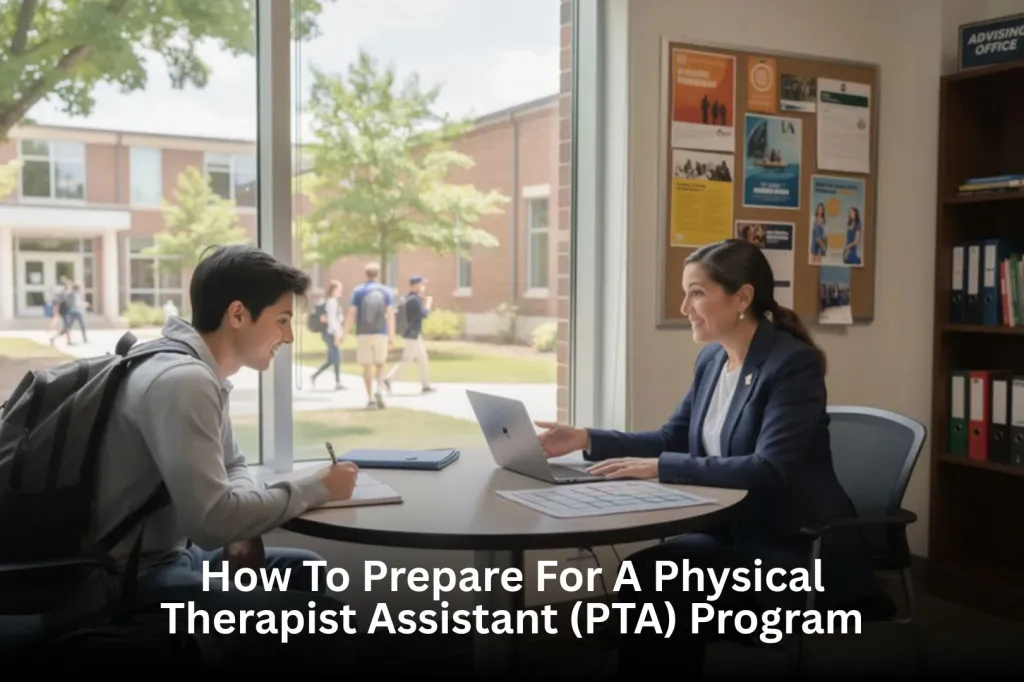
Entering a PTA program is an exciting step toward a hands-on health care career. With the right planning and preparation, success starts before the first class.. Building strong study habits and understanding program expectations can help you stay confident. It’s also important to prepare mentally and physically for the clinical demands of the field. In this blog, we’ll explain practical steps to get ready and increase your chances of success.
Key Takeaways
- Preparing for a physical therapist assistant program should begin six to eighteen months before your application deadline, giving you time to complete prerequisites, observation hours, and truly understand what PTAs do every day.
- Target only Commission on Accreditation in Physical Therapy Education (CAPTE)–accredited programs and compare key outcome data, graduation rates, first-time National Physical Therapy Exam (NPTE) pass rates, and employment statistics from the last three to five years before making your shortlist.
- Build a strong academic foundation in human anatomy, physiology, and basic math while gaining hands-on exposure through 20–50 documented hours in physical therapy clinics.
- Successful planning goes beyond admission; it includes organizing finances, developing time management skills, and preparing for a rigorous academic program.
Why Prepare Early for a PTA Program?
A physical therapist assistant program is typically a two-year associate’s degree that prepares you to work alongside licensed physical therapists, in helping patients recover from injuries, surgeries, and chronic conditions. Because these programs have limited seats and strong demand, competitive admission means you should begin preparing at least 6–six to 12 months before the application deadline, or sometimes even earlier if you need to complete prerequisite coursework.
The U.S. Bureau of Labor Statistics (BLS) projected approximately 24% growth for physical therapist assistants, significantly outpacing most other occupations. This growth, driven largely by an aging population needing more physical therapy services, highlights the increasing demand for qualified professionals. Many programs are selective to ensure they admit high-quality students who will become excellent PTAs, which is why early preparation gives you a real advantage.
Starting early allows you to:
- Complete prerequisite courses without rushing and potentially retake any classes where your grade wasn’t competitive
- Gather the required clinic observation hours while still having time to reflect on those experiences
- Secure thoughtful letters of recommendation from supervisors who actually know your work
- Evaluate multiple schools, public community colleges, private career colleges, and health-science-focused institutions, rather than defaulting to the first program you find
Understand the PTA Role Before You Apply
A physical therapist assistant is a licensed health care professional who works under the direction and supervision of a licensed physical therapist to provide therapeutic interventions. Physical therapist assistants work in diverse settings, including outpatient clinics, hospitals, skilled nursing facilities, home health care services, and school-based programs. Their daily work involves direct patient care, developing treatment plans within the plan of care set by the supervising physical therapist.
Typical daily tasks for a PTA include:
- Assisting patients with therapeutic exercises, gait training, and mobility activities
- Incorporating therapeutic interventions such as electrical stimulation, ultrasound, and thermal modalities
- Documenting the patient’s progress in electronic medical records
- Communicating with the supervising physical therapist about patient changes or concerns
A physical therapist holds a doctoral degree (DPT) and is responsible for evaluating patients, establishing a PT diagnoses, writing goals, and creating a plan of care. A physical therapist assistant implements that plan under supervision but cannot perform evaluations or change the plan of care. If you want to become a physical therapist, you’ll need to pursue doctoral-level physical therapy education. The PTA career path offers faster entry into patient care with an associate degree.
Do you enjoy direct, hands-on patient contact? Are you comfortable with physical work? Do you enjoy critical thinking? Do you want to help patients move? Do you communicate clearly and patiently? These are daily realities in physical therapy practice.
Find and Evaluate the Right PTA Program
Choosing the right PTA program is one of the most important preparation steps you’ll take. Every candidate should verify that their target schools hold accreditation status from the Commission on Accreditation in Physical Therapy Education (CAPTE). Only graduates from a program accredited by CAPTE are eligible to sit for the National Physical Therapy Examination (NPTE).
How to search for programs:
- Visit the official CAPTE directory on the American Physical Therapy Association website
- Filter by state, degree type (associate), and format (on campus, hybrid)
- Create a shortlist of three to seven programs that fit your geographic and scheduling needs
Key factors to compare across programs:
|
Factor |
What to Look For |
|
Tuition and fees |
Total cost of the full program, including lab fees |
|
Clinical education sites |
Local hospitals and clinics vs. long-distance placements |
|
Class size |
Cohorts of 20–40 students typically allow more individual attention. |
|
Schedule |
Daytime, evening, or blended options that fit your life |
|
Financial aid opportunities |
Grants, scholarships, and payment plans available. |
Reviewing program outcome data:
Look up each program’s graduation rates, NPTE pass rates, and six- to 12-month employment rates. Strong programs often show graduation rates above 80% and NPTE pass rates above 85%. This data is published on the program’s website.
Meet with an academic advisor before applying. Come prepared with specific questions about program expectations, support services, and requirements of the program. This shows initiative and helps you determine fit.
Meet Academic and Admission Requirements
Physical therapist assistant education programs are college-level and require specific academic preparation. Most programs require a high school diploma or GED, plus completion of prerequisite courses with minimum grades, often C or better, though some programs require B- or higher in science courses.
Common PTA program prerequisites include:
- High school or college-level physics and chemistry
- Human Anatomy and Physiology with lab components
- Basic algebra, statistics, or college-level math
Common PTA program corequisites include:
- English composition
- Introductory psychology, human development, or other behavioral sciences
- General education courses in communication and humanities
Understanding point-based admission systems:
Many programs use a point system that weights multiple factors, such as:
- Cumulative GPA and science GPA
- Observation hours completed
- Entrance exam scores (like ATI-TEAS)
- Interview performance
- Letters of recommendation quality
About entrance exams:

Certain programs require the ATI-TEAS exam, which covers reading comprehension, math, science, and English language usage. Schedule this test at least two to three months before your application deadline to allow time for retakes if needed. Many community colleges offer TEAS prep courses or practice exams.
Gain Hands-On Exposure and Observation Hours
Many PTA programs require documented observation or volunteer hours in physical therapy settings before you can apply. Requirements typically range from 10 to 40 hours under a licensed physical therapist or licensed physical therapist assistant, though some competitive applicants complete 40–50 hours or more.
Where to get observation hours:
- Outpatient physical therapy clinics (orthopedic, sports medicine, neurological)
- Acute care hopsitals
- Inpatient rehabilitation units at hospitals
- Skilled nursing facilities with rehab departments
- Home health agencies that allow observation ride-alongs
- School-based physical therapy services
What to pay attention to during observation:
- How PTAs communicate exercise instructions clearly and patiently to patients
- How documentation happens quickly between patient sessions
- How staff manages multiple patients in a busy clinical
- The physical demands of the work, assisting patients with transfers, and hands on activities completed by the PTA
- The interpersonal skills required when working with patients who are in pain or frustrated
These observation experiences become powerful material for your personal statement and interview. Specific stories about what you witnessed and why it inspired you are far more compelling than generic statements about “wanting to help people.”
Prepare Your Application Materials Strategically
Well-prepared application materials demonstrate professionalism before a program advisor ever meets you in person. Disorganized or last-minute submissions can cost you admission even if your qualifications are strong.
Personal statement guidance:
Write a focused statement that connects your specific observation experiences and academic preparation to your motivation for entering this rewarding career. Instead, describe a specific moment during your observation hours that confirmed your interest, and explain how your academic background has prepared you for the rigor ahead.
Transcripts and centralized applications:
Some programs use centralized application systems and require official transcripts from every college you’ve attended. Order these early; transcript processing can take two to three weeks, and delays can disqualify your application.
Interview preparation:
If your program includes an interview component, practice answering questions like:
- “Why PTA instead of PT?”
- “Describe a time you handled a difficult situation with another person.”
- “What did you learn from your observation hours?”
- “How will you balance school with other responsibilities?”
Practice with family members or friends who can give honest feedback on your clarity and confidence.
Academic Habits to Build Before Starting a PTA Program
Building strong study habits before your program starts will make the transition into challenging courses like anatomy, kinesiology, and therapeutic exercise much smoother. Students completing their PTA curriculum report that the academic jump from general education courses to program-specific content can be significant.
Pre-study key topics:
Before your first semester, review foundational material in:
- Basic musculoskeletal anatomy (bones, muscles, joints)
- Medical terminology (prefixes, suffixes, root words)
- Introductory physiology (how body systems function)
Resources include community college textbooks, open-education anatomy websites, and medical terminology flashcard apps. Even 30 minutes of review several times per week builds familiarity.
Create a weekly study routine:
|
Day |
Time Block |
Activity |
|
Monday |
6:00–8:00 PM |
Reading and note-taking |
|
Wednesday |
6:00–8:00 PM |
Flashcard review and self-testing |
|
Friday |
6:00–8:00 PM |
Practice questions and concept review |
|
Saturday |
9:00 AM–12:00 PM |
Deep study session, diagrams, teaching concepts aloud |
Practice active learning strategies:
- Create flashcards for muscle origins, insertions, and actions
- Draw and label anatomical diagrams from memory
- Explain concepts aloud to a friend or family member
- Take practice quizzes to identify weak areas
Why anatomy and physiology matter so much:
Students often consider courses covering human anatomy and physiology the most challenging in the PTA curriculum because they provide the foundation for everything else, including understanding injuries, treatment approaches, and therapeutic interventions. PTA students who struggle often report wishing they had spent more time mastering essential academic skills in A&P before the program started.
Understand Clinical Requirements, Immunizations, and Background Checks
Clinical education is a major component of every CAPTE-accredited physical therapist assistant program. Before you can assist patients in clinical rotations, you must meet specific health and legal requirements that protect both you and the people you’ll serve.
Common immunizations and health clearances:
- Hepatitis B vaccine series (can sometimes be started during the first semester)
- MMR (measles, mumps, rubella) vaccine or proof of immunity via blood titers
- Varicella (chickenpox) vaccine or proof of immunity
- Tdap (tetanus, diphtheria, pertussis)
- Annual influenza vaccine
- Tuberculosis screening (PPD skin test or blood test)
Background checks and drug screenings:
Most programs require:
- Criminal background check covering a seven-year nationwide history
- Sex offender registry check
- Medicare fraud and abuse screening
- Drug screening
If you have past convictions, disclose them honestly on your application. Non-disclosure can result in dismissal if discovered later. Having a record doesn’t automatically disqualify you, but clinical education sites may refuse placement, which could prevent program completion. Consider consulting with the program director or seeking legal advice if you have concerns.
BLS certification:
Programs typically require current Basic Life Support (BLS) certification for health care providers from an organization like the American Heart Association. Complete this before your first semester if allowed.
Clinical handbook review:
Read each program’s clinical handbook carefully before enrolling. Key information includes:
- Professional dress codes and appearance standards
- Travel expectations (some clinical sites may require significant commuting)
- Weekly hour requirements during clinical affiliations (often 32–40 hours per week)
- Documentation and evaluation procedures
Are PTA Programs Hard? Set Realistic Expectations
Is PTA programs hard? The honest answer is yes, PTA programs are rigorous. But they’re also manageable with proper preparation. The difficulty often comes from the combination of lab skills, lecture exams, clinical training requirements, and technical skills assessments rather than any single course.
Typical workload includes:
- Multiple science-heavy courses per term with regular exams
- Weekly lab check-offs where you demonstrate manual therapy and exercise techniques
- Full-time clinical rotations in later semesters, working five days per week at clinical sites, plus completing documentation and studying
Emotional and physical demands:
PTA students report that the work is physically demanding, you’ll spend long hours on your feet, and you’ll help patients who may be in pain, frustrated, or anxious about their health conditions. Balancing school with family responsibilities, part-time work, or other obligations adds another layer of challenge.
Keeping perspective:
Thousands of PTA students graduating each year prove this path is achievable. According to the U.S. Bureau of Labor Statistics (BLS), physical therapist assistants earn a median salary of approximately $60,050, and the satisfying career of helping patients recover from injuries and improve their quality of life makes the hard work worthwhile. View the program as intense but absolutely achievable if you build good habits and use the support services your college provides.
PTA Program Success Tips
Adopting these practical habits during your final months of preparation and carrying them throughout your PTA program will help you succeed.
Create a realistic weekly calendar:
Block off class time, study time, work hours, commuting, and rest periods. Many students underestimate travel time to clinical sites or the hours needed for documentation. Build in buffer time so you’re not constantly behind.
Actively use campus resources:
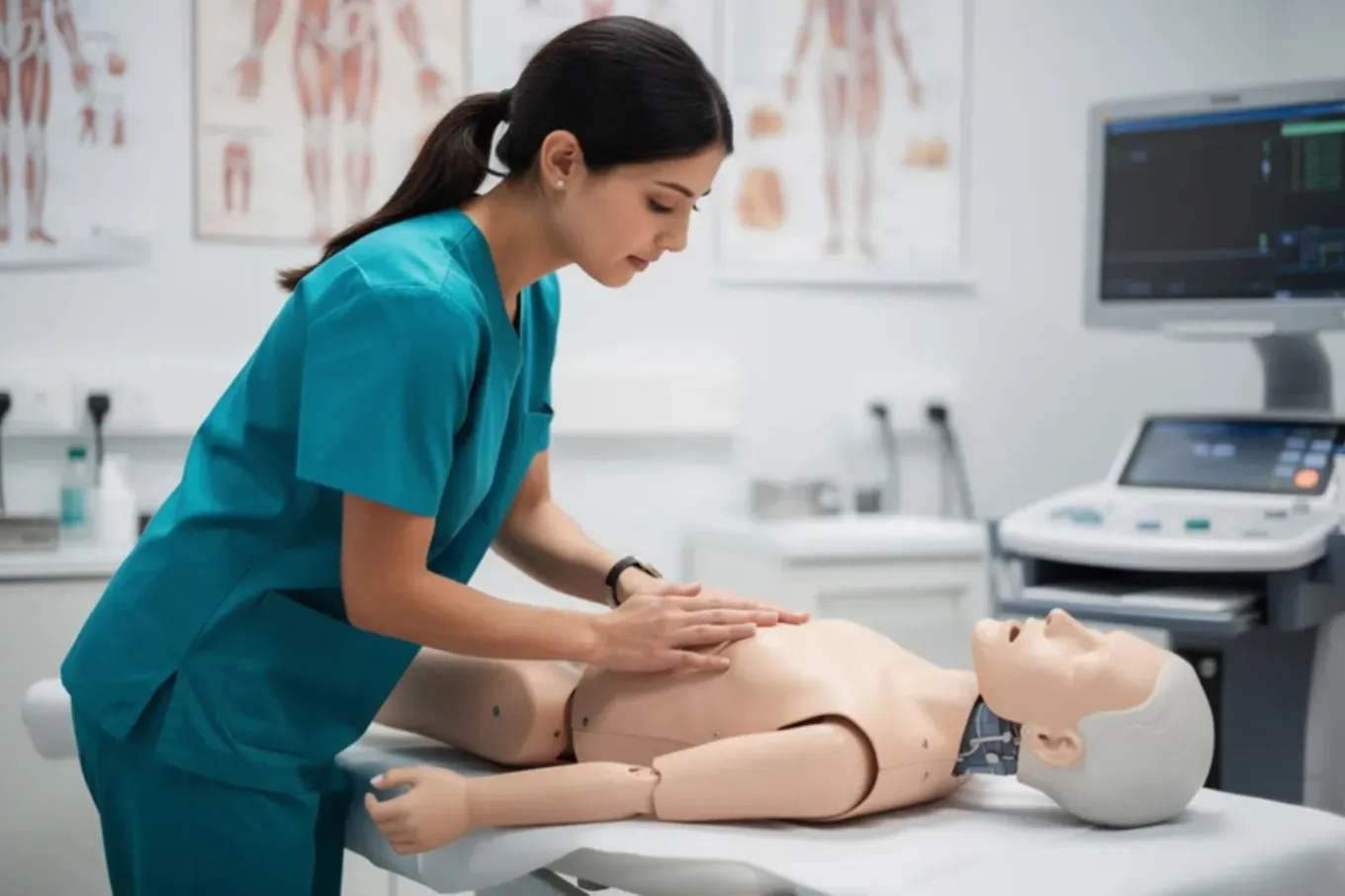
- Tutoring centers for difficult subjects like anatomy
- Faculty office hours for clarifying concepts
- Accessibility services if you need accommodations
- Counselling or mental health services when stress builds
Don’t wait until you’re struggling to seek help; connect with these resources early.
Build your professional network:
Form relationships with program faculty, classmates, and clinical instructors, from day one. These connections often lead to:
- Mentorship that guides your development
- Study groups that reinforce learning
- Job leads when you’re ready for employment
Maintain healthy habits:
Rather than generic self-care advice, focus on habits that directly support learning, such as:
- Aiming for seven to eight hours of sleep on school nights
- Scheduling two to three short exercise sessions weekly (even 20-minute walks help)
- Preparing simple, balanced meals ahead of the week to avoid fast food reliance
A sample manageable routine: Sunday meal prep, Monday/Wednesday/Friday morning walks before class, consistent 10:30 PM bedtime on weekdays.
Get Familiar with the NPTE for PTAs Early
After graduating from an accredited institution, you must pass the National Physical Therapy Examination (NPTE) for PTAs to obtain your PTA license and practice legally. Understanding this state-administered national exam early helps you see the long-term path from the first semester to licensure.
About the PTA NPTE:
The licensure examination consists of 180 multiple-choice questions covering major content areas:
- Musculoskeletal system
- Neuromuscular system
- Cardiovascular/pulmonary system
- Integumentary system (skin and wounds)
- Non-system domains (safety, professional responsibilities, research)
Early preparation steps:
Even before starting your program, you can download the official NPTE content outline from the Federation of State Boards of Physical Therapy (FSBPT). Reviewing this document shows you exactly what knowledge areas will be tested, helping you understand how each course connects to your ultimate goal.
Official practice tools:
The FSBPT offers the Practice Exam and Assessment Tool (PEAT), which simulates the actual PTA exam experience. While these are typically used closer to graduation, knowing they exist helps you plan. Many programs integrate NPTE preparation into their curriculum during the final semester, with state boards requiring official verification from your school before you can schedule your exam.
Final Thoughts for Future PTA Students
Preparing for a physical therapist assistant (PTA) program takes more than meeting prerequisites; it’s about building strong study habits, gaining observation experience, and staying organized. When you plan ahead, you reduce stress and increase your chances of success in both coursework and clinical training.
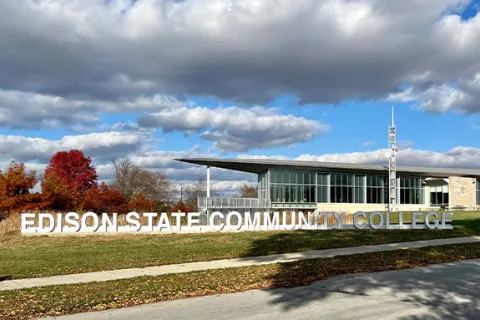
Edison State Community College offers a PTA program in Troy to give students the structure and support to move confidently toward a health care career. Edison State also offers other health science programs such as medical assistant certificate for students exploring in-demand pathways. Reach out today to learn more and take the next step toward your future in health care.
Frequently Asked Questions
How long does it typically take from starting prerequisites to becoming a licensed PTA?
The PTA program typically takes two years to complete, with a few additional months to take and pass the NPTE. Some students spend a year completing co-requisite courses prior to applying. With all prerequisites and co-requisites met, it is possible to finish the program in two years.
Can I work while I’m in a PTA program?
Yes, many students work part-time, especially early in the program. However, full-time work becomes very difficult once clinical rotations start because they often require 32–40 hours weekly, plus studying, documentation, and travel time. Planning finances early can reduce stress.
Do PTA programs accept online science prerequisites?
It depends on the college. Some PTA programs accept online lecture courses but require in-person labs for anatomy, physiology, or chemistry. Others may reject online science courses entirely. Always confirm requirements with the college’s admissions office before enrolling to avoid repeating courses later.
Is it better to do observation hours with a PT or a PTA?
Both are useful and often accepted. Many programs allow observation hours with either a licensed PT or PTA in a clinical setting. Some colleges may prefer PTA observation hours. Observing in different environments, such as outpatient, inpatient, and pediatrics, also strengthens your understanding and application.
What if my GPA is low? Can I still get into a PTA program?
Yes, you may still qualify. Retake key prerequisites to improve your science GPA, since many programs value recent performance. Increase observation hours, write a strong personal statement showing growth, and secure solid recommendations. Ask programs if they offer holistic admissions reviews.