


What Does a Medical Laboratory Technician Do?
What does a medical laboratory technician do? Learn about the daily duties, skills, and work settings of a medical laboratory technician, plus the career outlook in health care. Discover how Edison State Community College's Medical Laboratory Technology program in Piqua prepares students for this in-demand career.
August 28, 2026
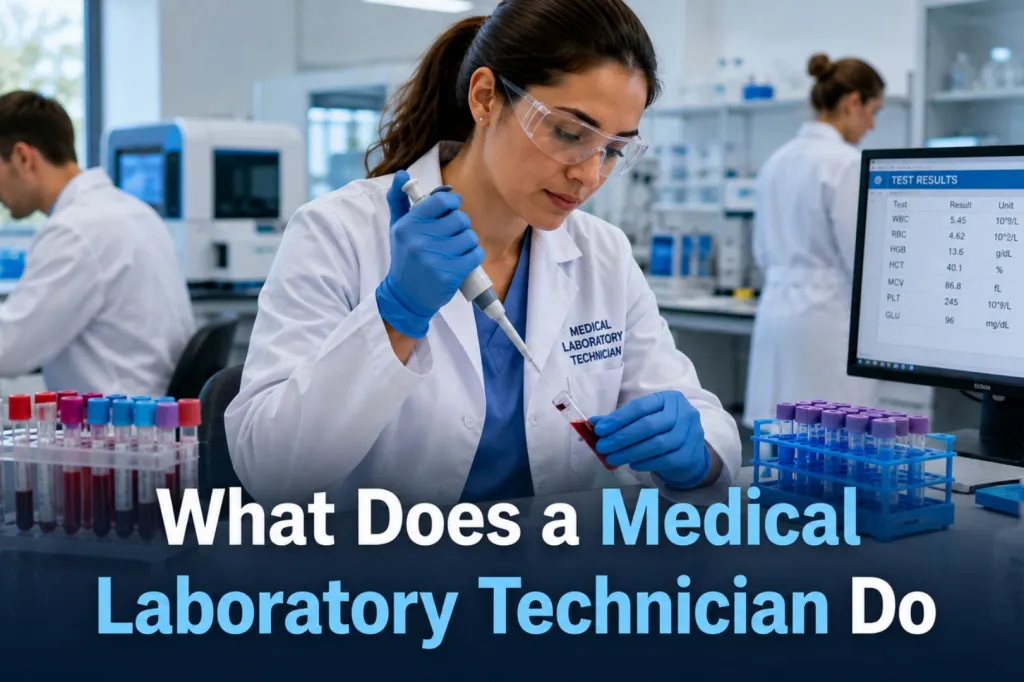
Behind nearly every diagnosis and treatment decision is a professional working carefully in a laboratory, yet many people never see this important role in action. If you’ve ever wondered what a medical laboratory technician does, you’re exploring one of the most essential and behind-the-scenes careers in health care. Medical laboratory technicians help physicians make accurate decisions by testing and analyzing patient samples with precision and care.
This blog explains the key duties of a medical laboratory technician, the skills the role requires, the settings where these professionals work, and the career outlook in this growing field. It also highlights how Edison State Community College's Medical Laboratory Technology program in Piqua helps students build the knowledge and hands-on experience needed to enter this rewarding profession.
Edison State's Medical Laboratory Technology Program in Piqua
Edison State’s Medical Laboratory Technology associate degree program helps students prepare for careers in diagnostic laboratory services through a combination of classroom instruction, laboratory experiences, and clinical training. Students develop the technical knowledge, analytical skills, and hands-on experience needed to work with patient samples and support diagnostic decision-making in health care settings.
Through clinical placements and career-focused instruction, students gain experience using laboratory procedures and equipment while preparing for employment in hospitals, clinics, and diagnostic laboratories.
Combining intensive classroom coursework with hands-on practice at participating clinical sites gives students the chance to apply what they learn in real laboratory environments, building both confidence and job-ready skills. Edison State designed its medical laboratory technology program in Piqua to prepare students for the accuracy and professionalism the field requires. Knowing what to expect during their first year at a community college can also help prospective students prepare for the transition into college-level learning.
Beyond the classroom, students benefit from supportive faculty and a career-focused approach that helps them enter the workforce prepared. Those exploring the field can also read more about the skills you need to succeed as a medical laboratory technician. For many students, the medical laboratory technology program is a direct pathway into a stable, in-demand health care career.
Key Takeaways
- Medical laboratory technicians test and analyze patient samples that help physicians make accurate diagnoses and treatment decisions.
- The role involves both technical laboratory work and careful attention to detail, accuracy, and safety.
- Medical laboratory techs work in settings such as hospitals, clinics, and diagnostic laboratories.
- Strong technical skills, focus, and teamwork support success in this career.
- Edison State's Medical Laboratory Technology program in Piqua combines classroom learning with hands-on clinical practice to prepare students for the field.
What a Medical Laboratory Technician Does
A medical laboratory technician, often called a medical lab tech or MLT, plays a vital role in patient care by performing the testing that guides medical decisions. While much of their work happens behind the scenes, the results they produce directly affect how patients are diagnosed and treated. In many ways, medical laboratory techs are the detectives of health care, uncovering the information physicians rely on.
Students in Edison State’s Medical Laboratory Technology program learn to obtain, process, test, and evaluate patient biological samples, including blood and other body fluids. The results and information these tests provide help physicians make accurate diagnoses and choose appropriate treatments. This makes the medical laboratory tech an essential member of the health care team, even though patients may rarely see them at work.
A Day in the Life of a Medical Laboratory Technician
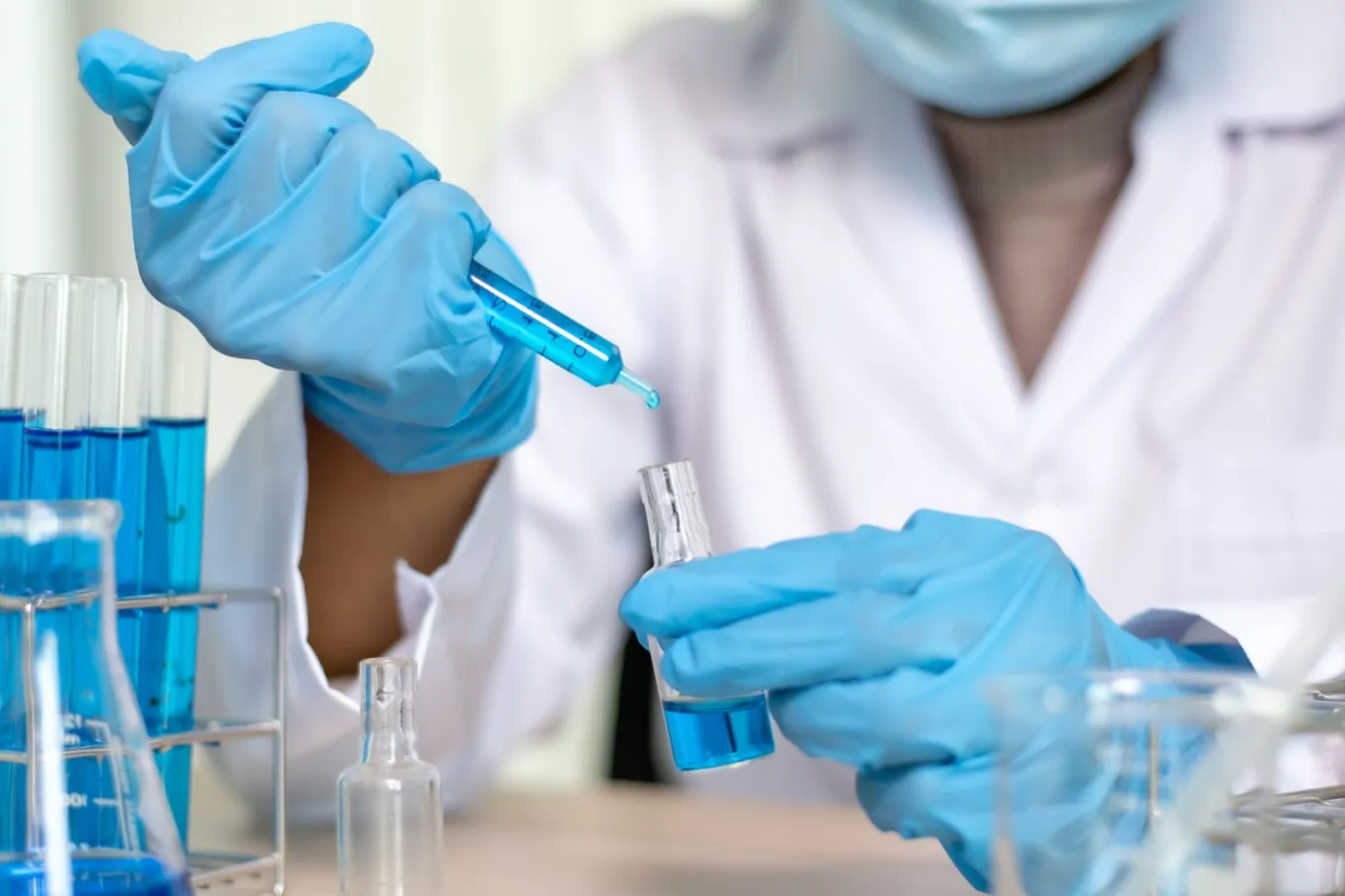
No two days are exactly alike for a medical laboratory technician, but many spend their shifts collecting, processing, testing, and analyzing patient samples. Depending on the workplace, MLTs may perform blood testing, analyze body fluids, review laboratory results, maintain equipment, and collaborate with physicians and other members of the health care team.
Because laboratory testing helps guide diagnoses and treatment decisions, accuracy, efficiency, and attention to detail remain important throughout every stage of the testing process.
Common Medical Laboratory Technician Duties
So what does a medical laboratory tech do day to day? A typical medical laboratory technician job description includes a mix of sample handling, testing, and reporting. While specific tasks can vary by workplace, the core responsibilities typically include:
- Collecting, processing, and preparing patient samples such as blood and other body fluids
- Performing routine to moderately complex laboratory tests
- Operating and maintaining specialized laboratory equipment
- Recording, analyzing, and reporting test results accurately
- Following strict safety, quality, and infection-control procedures
- Working closely with physicians, nurses, and other laboratory professionals
These duties require both technical skill and consistent accuracy. Because test results influence important medical decisions, medical laboratory techs must be careful, methodical, and reliable in everything they do. This blend of science and responsibility is part of what makes the role so meaningful.
Education and Certification Requirements for Medical Laboratory Technicians
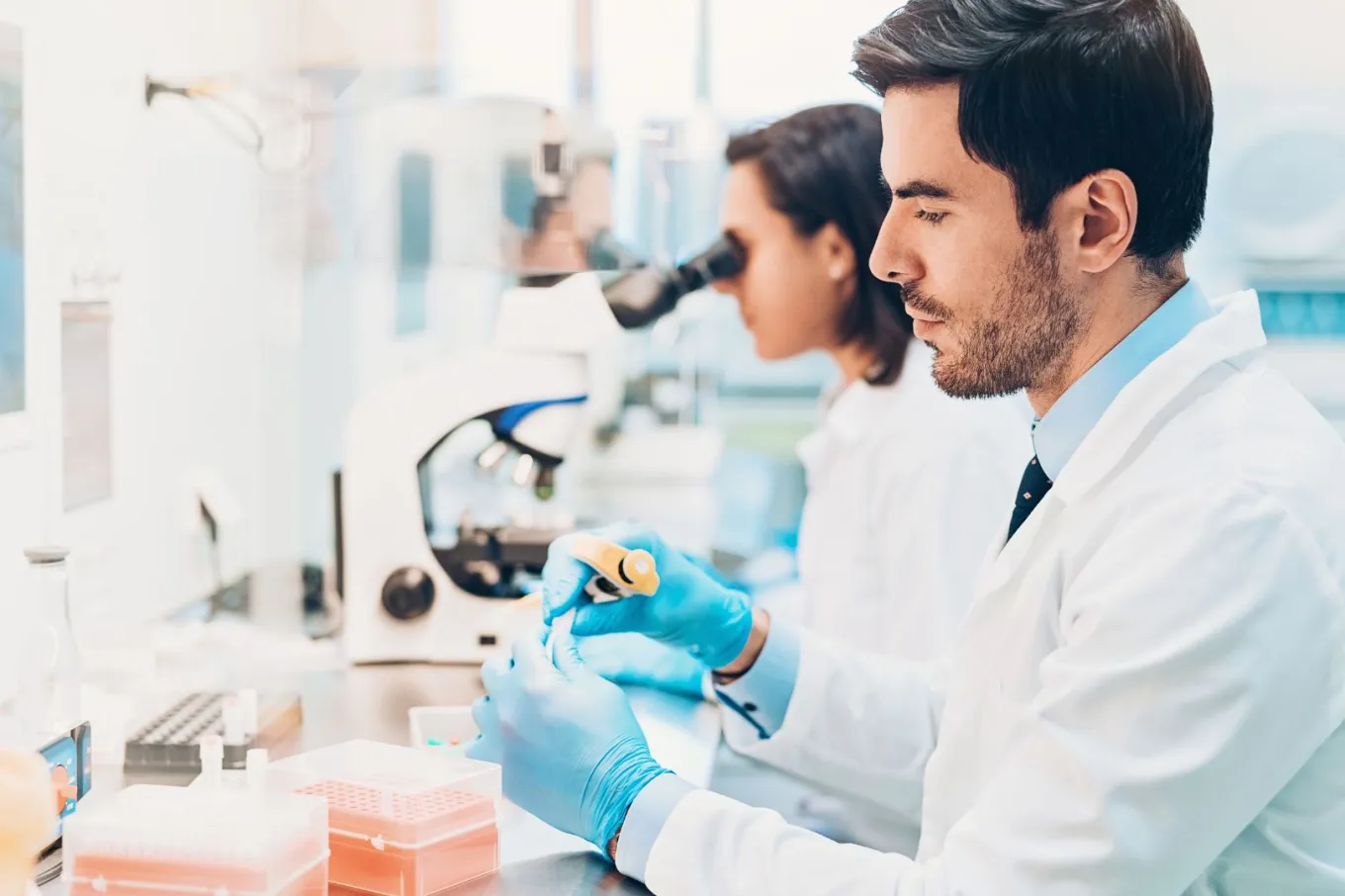
Students interested in becoming medical laboratory technicians typically complete an accredited medical laboratory technology program that combines scientific coursework with hands-on laboratory and clinical experiences. After completing educational requirements, graduates may pursue certification opportunities that demonstrate professional competency and support career advancement.
Edison State’s accredited Medical Laboratory Technology associate degree program prepares students for the workforce with both theoretical and hands-on clinical experience. Students should also consider how long community college programs take when planning their educational path.
In addition to formal education, many states require medical laboratory technicians to obtain occupational licensing to practice. Licensing requirements vary but often include passing a certification exam from a recognized national accrediting agency such as the American Society for Clinical Pathology. Certification demonstrates competence in laboratory procedures and helps ensure accurate test results, which are critical for identifying diseases and supporting patient care.
Continuing education and professional development are also important for medical laboratory technicians to maintain certification and stay current with advances in medical technology and laboratory management. For those interested in advancing their careers, further education can lead to roles as clinical laboratory scientists or laboratory managers, expanding opportunities within hospital laboratories and other clinical settings.
Skills and Qualities That Support Success
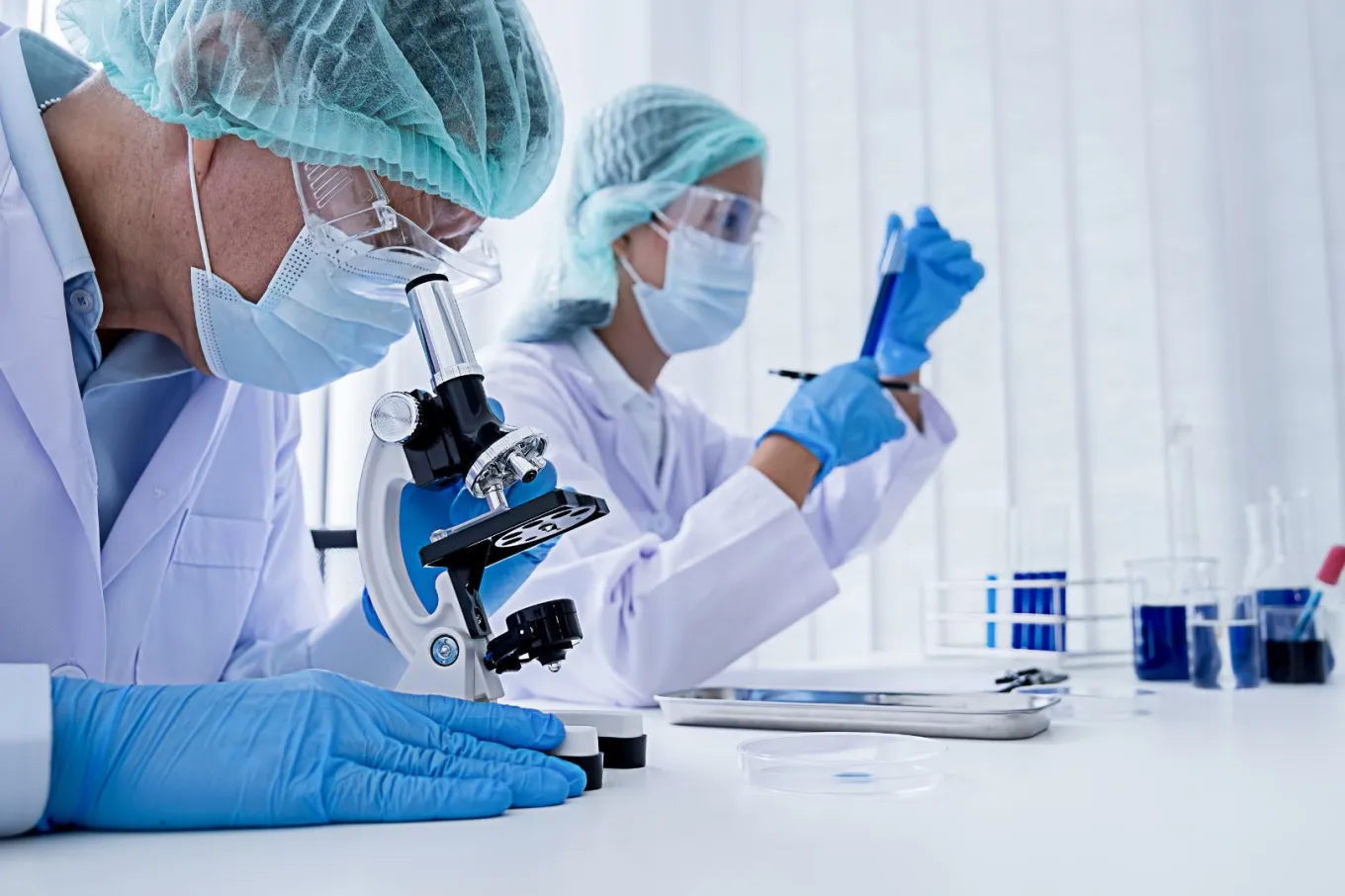
A career as a medical laboratory technician calls for more than an interest in science. Success in this role depends on a combination of technical ability and personal qualities that support accurate, dependable work. Building these skills helps students thrive both during their training and throughout their careers.
Key Skills for a Medical Laboratory Technician
The most effective medical laboratory technicians bring a mix of technical and interpersonal strengths to their work. Some of the most valuable skills and qualities include:
- Attention to detail: ensuring every test and result is accurate and precise
- Technical proficiency: operating laboratory equipment and following procedures correctly
- Analytical thinking: interpreting results and recognizing when something needs a closer look
- Organization: managing samples, records, and tasks efficiently
- Teamwork: collaborating with the broader health care team
- Ethical responsibility: maintaining accuracy, confidentiality, and professional standards
These skills matter for daily performance and can also open doors to career advancement over time. Many students build these strengths through hands-on training, where they practice real laboratory techniques in a supportive learning environment before entering the workforce. Developing the skills needed to succeed as a medical laboratory technician can help students meet the field's expectations.
Where Medical Lababoratory Technicians Work

Many areas of health care need medical laboratory technicians, which makes this a versatile and stable career choice. Because laboratory testing supports so many medical decisions, skilled MLTs are in demand in a variety of settings throughout Ohio and beyond.
Common Work Settings and Career Outlook
Medical laboratory technicians can find opportunities in a range of environments, each offering a slightly different experience. Common work settings include:
- Hospitals and medical centers
- Clinics and physician offices
- Diagnostic and reference laboratories
- Public health and research facilities
Medical laboratory technicians continue to play an important role in modern health care because laboratory testing supports diagnosis, treatment planning, disease monitoring, and preventive care. As health care systems continue to rely on accurate laboratory information, professionals with strong technical and analytical skills remain valuable members of the health care workforce.
Some MLTs continue their education to pursue additional laboratory certifications, bachelor's degrees, leadership positions, or careers as medical laboratory scientists.
Building a Career in Medical Laboratory Technology
Medical laboratory technicians play an essential role in patient care by providing the laboratory information physicians use to diagnose illnesses, monitor conditions, and guide treatment decisions. The profession combines science, technology, critical thinking, and attention to detail in a career that supports health care from behind the scenes.
Edison State’s Medical Laboratory Technology program helps students build the knowledge, laboratory skills, and clinical experience needed to succeed in this rewarding profession. Through classroom instruction, practical training, and career-focused education, students can prepare for opportunities throughout the health care field while developing a strong foundation for future growth.
The College also offers phlebotomy, Associate of Science, and general business studies programs. Explore our programs to find an educational path that supports your career goals.
Frequently Asked Questions
What does a medical laboratory technician do?
A medical laboratory technician collects, processes, tests, and analyzes patient samples such as blood and other body fluids. The results they produce help physicians make accurate diagnoses and choose appropriate treatments. Medical laboratory technicians also operate laboratory equipment, record results carefully, and follow strict safety and quality procedures.
What is the difference between a medical laboratory technician MLT and a medical laboratory scientist MLS?
Medical laboratory technicians typically complete a two-year associate degree and perform routine to moderately complex testing, while medical laboratory scientists usually hold a four-year bachelor's degree and handle more complex analyses and supervision. Both roles work closely together as part of the laboratory team. Earning an associate degree as a medical laboratory technician can also serve as a foundation for further education.
What skills do you need to be a medical laboratory technician?
Medical laboratory technicians need strong attention to detail, technical proficiency with laboratory equipment, and analytical thinking to interpret results. Organization, teamwork, and ethical responsibility are also important, since accuracy and confidentiality are essential to patient care. Students develop many of these skills through hands-on training during a medical laboratory technology program.
Where do medical laboratory technicians work?
Medical laboratory technicians work in settings such as hospitals, clinics, physician offices, diagnostic laboratories, and public health or research facilities. Because laboratory testing supports so many medical decisions, skilled MLTs are in demand across many areas of health care. This gives graduates flexibility and strong career potential.
How can I become a medical laboratory technician?
You can start by enrolling in a medical laboratory technology program, such as the associate degree program offered at Edison State in Piqua. The program combines classroom coursework with hands-on practice at participating clinical sites to prepare students for the field. Speaking with an Edison State advisor can help you understand the steps to get started.
How does Edison State prepare students for medical laboratory technician careers?
Edison State's medical laboratory technology program combines classroom instruction, laboratory activities, and clinical experiences to help students develop the technical knowledge and practical skills required in professional laboratory settings. Students gain experience with patient samples, testing procedures, and laboratory equipment while preparing for careers in hospitals, clinics, and diagnostic laboratories.