


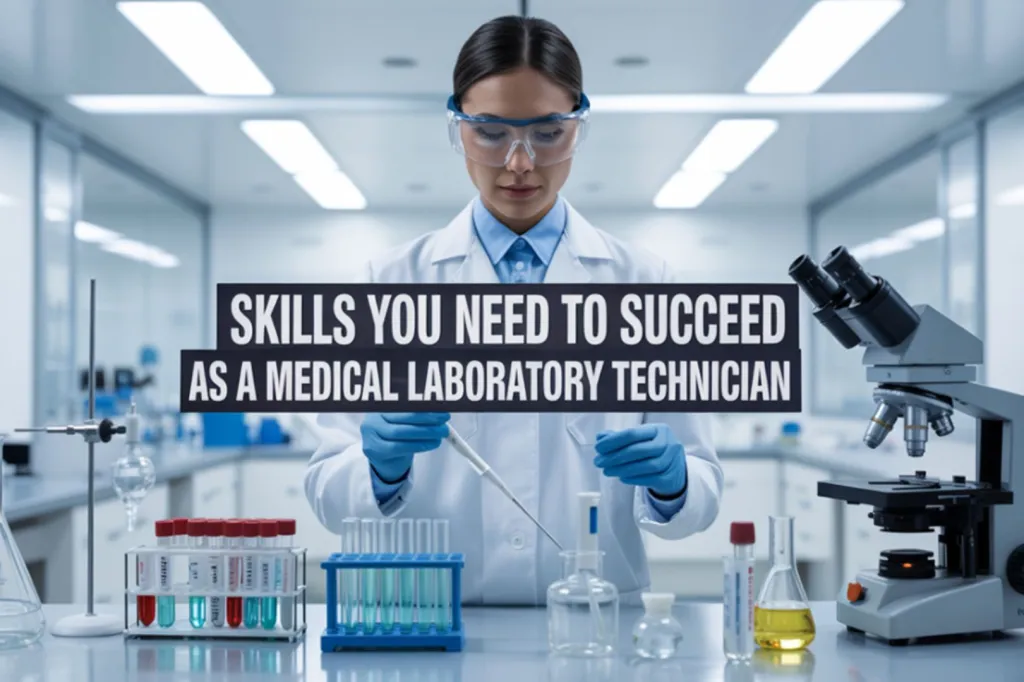
Skills You Need to Succeed as a Medical Laboratory Technician
Success as a medical laboratory technician depends on technical accuracy, analytical thinking, and professional responsibility. Mastering these skills supports reliable testing, effective teamwork, patient safety, and long-term growth in today’s health care laboratories.
December 2, 2025
Every day, physicians and health care professionals rely on laboratory results to diagnose diseases, monitor treatment, and make critical decisions about patient care. Behind those results stands the medical laboratory technician, a professional who combines scientific knowledge with hands-on precision to deliver accurate diagnostic data. If you’re considering this career path, understanding the specific skills you need to succeed will help you prepare for a role where your work directly impacts patient outcomes.
Whether you’re currently enrolled in a clinical laboratory science program or exploring this field for the first time, the skills outlined below will serve as your roadmap. Let’s explore what it takes to thrive as a medical laboratory technician (MLT) in today’s health care environment.
Key Takeaways
- Medical laboratory technicians perform diagnostic testing that influences approximately 60–70% of all medical decisions, making accuracy and reliability essential to patient care.
- Success in this career requires a blend of technical laboratory skills, strong attention to detail, effective teamwork, and unwavering ethical responsibility, not just a passion for science.
- These skills matter for daily performance and open doors to career advancement into senior MLT positions or medical laboratory scientist roles.
- This guide is designed for students, recent graduates, and early-career technicians considering or starting an MLT career between 2024 and 2030.
Core Technical Laboratory Skills
Technical skills form the foundation of your work as an MLT. These skills involve performing laboratory tests, operating sophisticated laboratory equipment, and following standard operating procedures across disciplines like hematology, chemistry, microbiology, immunology, and urinalysis. In practical terms, this means you’ll process biological samples, perform complex tests, and generate the test results that doctors use to guide patient treatment.
Specimen Processing Competency
Before any test can be performed, samples must be handled correctly. Your responsibilities include:
- Verifying proper labeling with two patient identifiers (full name and date of birth or medical record number)
- Performing centrifugation at correct speeds and times
- Aliquoting samples into appropriate containers
- Storing specimens at required temperatures (for example, refrigeration at 2–8°C for certain chemistry samples)
- Documenting sample preparation steps and any issues encountered
Instrument Operation
Modern laboratories rely heavily on automated analyzers. You’ll need to master equipment from manufacturers like Sysmex (hematology), Roche, and Abbott (chemistry). Daily tasks include:
|
Task |
What It Involves |
|
Loading specimens |
Placing properly labeled tubes in the correct racks and positions |
|
Selecting test menus |
Choosing appropriate assays based on the physician's orders |
|
Running controls |
Processing quality control materials at the start of each shift |
|
Recognizing flags |
Identifying instrument alerts that indicate potential problems |
Quality Control and Calibration
Performing quality control is non-negotiable. You’ll need to interpret Levey-Jennings charts to spot trends, know when to stop testing if controls fall out of range, and understand calibration principles that ensure accurate recording of patient values.
Technology and Laboratory Information Systems Skills
Modern medical laboratory technicians work with both physical instruments and digital systems daily. Your comfort with medical technology must extend beyond the bench to the software that manages every aspect of laboratory procedures.
Basic Computer Literacy
You’ll work on Windows-based workstations throughout your shift. Essential skills include:
- Typing efficiently for data entry and documentation
- Navigating shared network drives to access standard operating procedures (SOPs) and reference materials
- Using basic troubleshooting steps when systems freeze or perform unexpectedly
Laboratory Information Systems (LIS)
The LIS is your primary digital workspace. Platforms like Epic Beaker, Sunquest, and Cerner Millennium PathNet handle order entry, specimen tracking, result verification, and reporting. You’ll log quality control (QC) results, use middleware for autoverification of routine results, and investigate delta checks flagged when current results differ significantly from previous values.
Electronic Medical Records Integration
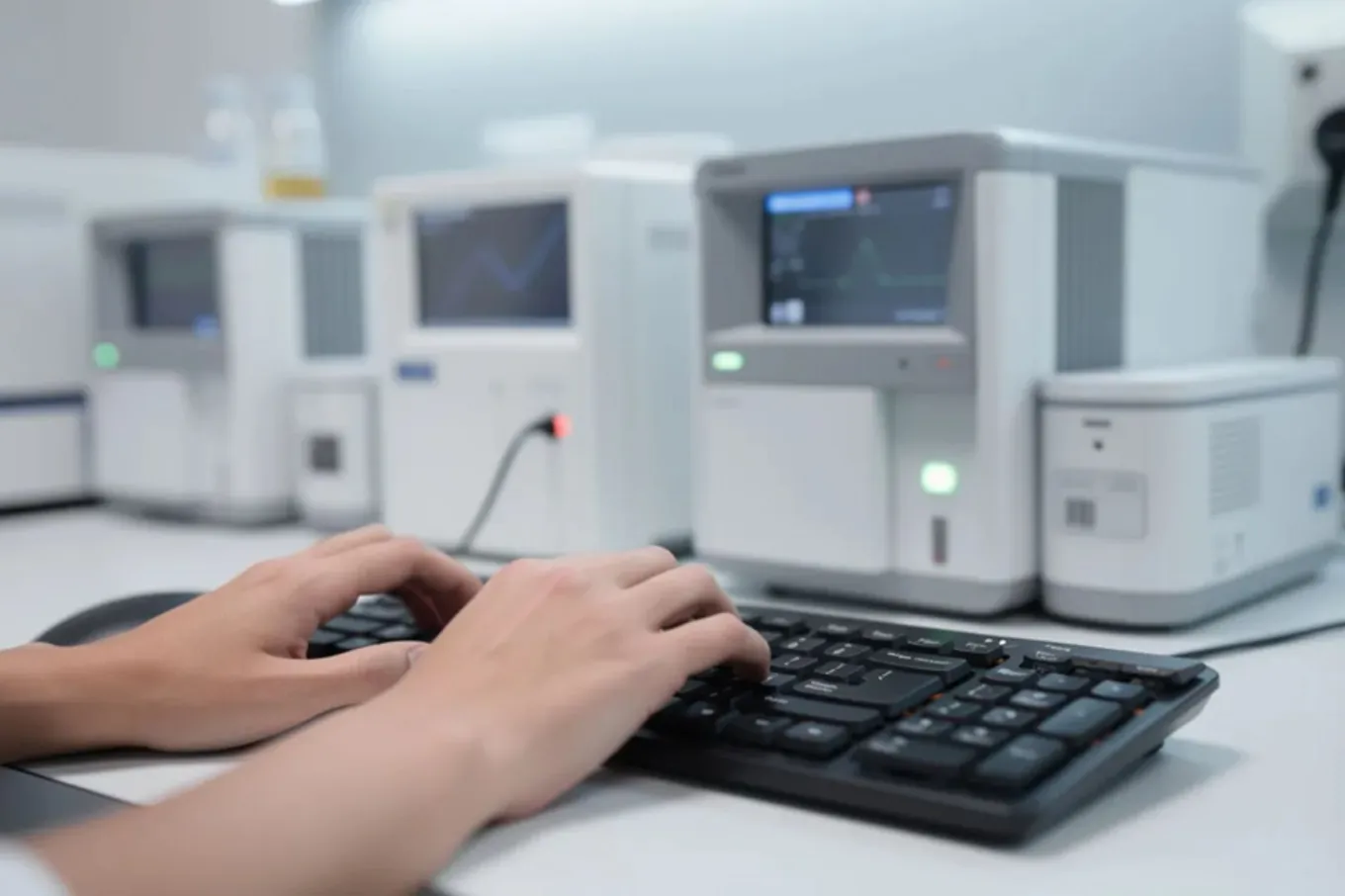
While your primary focus is the LIS, you’ll also access electronic medical record (EMR) systems like Epic or Cerner PowerChart to view patient history or correlate current laboratory results with previous findings. This data analysis capability helps you spot inconsistencies that might indicate a problem with the sample rather than a true clinical change.
Troubleshooting Technology Issues
Interface problems between analyzers and the LIS happen regularly. You’ll need to recognize when barcode scanning fails, resolve common connectivity issues, and know when to escalate persistent problems to IT or vendor support. These technical training skills keep the laboratory running smoothly.
Attention to Detail and Accuracy
In a medical laboratory, attention to detail isn’t just a nice-to-have; it’s a patient safety imperative. A single-digit error, a misplaced decimal, or a unit confusion (mg/dL versus mmol/L) can mislead clinicians and potentially cause patient harm. Your ability to maintain accuracy across various tasks directly affects the quality of care patients receive.
The “Right Patient, Right Test, Right Time” Principle
Every specimen you handle requires verification. Before processing, confirm:
- Patient’s full name matches the order
- Date of birth or medical record number is correct
- Specimen type and collection time are appropriate for the ordered tests
- No discrepancies exist between labels and requisition information
Following SOPs Step by Step
Laboratory procedures exist for a reason. Whether you’re performing a rapid strep test with a specific incubation time or running a coagulation assay that requires precise timing, following each step exactly as written ensures reproducible, reliable results. This includes documenting lot numbers, checking reagent expiration dates, and adhering to proper handling requirements.
Data Verification
When reviewing results before release, watch for:
- Instrument flags indicating potential interference
- Critical values requiring immediate notification
- Results that seem physiologically implausible
- Patterns suggesting pre-analytical problems
Analytical and Problem-Solving Abilities
Analytical skills for MLTs go beyond performing tests. They involve interpreting results, recognizing patterns, and knowing when something doesn’t make clinical or technical sense. These problem-solving abilities separate competent technicians from exceptional ones.
Basic Data Interpretation
As a medical laboratory technician, you’ll develop the ability to correlate laboratory results. For example:
- Comparing white blood cell (WBC) count with the differential to assess infection patterns
- Relating glucose levels to HbA1c for diabetes monitoring
- Recognizing when electrolyte values don’t fit expected clinical pictures
Troubleshooting QC Failures
When controls fall out of range, you’ll follow a systematic approach:
- Check reagent expiration dates and storage conditions
- Review instrument maintenance logs for recent issues
- Verify calibrator lot numbers and preparation
- Rerun controls before releasing patient samples
- Document all corrective actions taken
Problem-Solving Under Pressure
Emergency situations test your analytical skills intensely. During a trauma case with STAT orders, your analyzer may display repeated error codes. You must quickly determine whether the problem is reagent-related, mechanical, or sample-specific, all while the emergency department team awaits critical results.
Knowing When to Escalate
Not every problem has an immediate solution at the technician level. Recognizing when to consult a senior technician, lead MLT, pathologist, or medical laboratory scientist for complex procedures or unusual findings demonstrates good professional judgment.
Communication and Teamwork Skills

Although laboratory technicians often work behind the scenes, effective communication with nurses, physicians, phlebotomists, and fellow laboratory staff is essential. These soft skills ensure critical information reaches the right people at the right time.
Verbal Communication
When calling critical values, such as positive blood cultures, dangerously high potassium, or severely low hemoglobin, you must:
- Clearly state your name, department, and the patient identifier
- Report the critical result precisely
- Use read-back procedures where the receiving party repeats the information
- Document who received the result, when, and any instructions given
Written Communication
Your documentation in the LIS must be accurate and concise. You’ll add comments explaining specimen issues (hemolyzed, lipemic, insufficient volume), note any deviations from standard procedures, and complete incident reports when problems occur.
Teamwork Across Shifts
Laboratories operate 24/7, requiring smooth hand-offs between day, evening, and night shifts. Effective team members:
- Communicate outstanding issues during shift change
- Support colleagues during high-volume periods like flu season
- Cross-cover other benches when coworkers handle urgent situations
- Maintain professional, respectful interactions even under stress
Organization, Time Management, and Consistency
Laboratories process hundreds or thousands of specimens daily. Your ability to organize workflow, prioritize tasks, and maintain consistent performance directly impacts turnaround times and result reliability.
Organizing Workflow
Effective organization strategies include:
|
Strategy |
Application |
|
Batching similar tests |
Running all chemistry panels together for efficiency |
|
Using rack systems |
Color-coding or labeling of STAT versus routine samples |
|
Planning ahead |
Using slower periods for preventive maintenance or reagent inventory |
|
Maintaining clean workspaces |
Keeping reagent areas labeled and uncluttered |
Time Management
Balancing multiple priorities requires constant awareness. You’ll monitor turnaround times for critical assays, manage multiple timers simultaneously, and ensure STAT orders receive appropriate prioritization without neglecting routine work.
Consistency in Procedures
Regulatory compliance depends on performing complex procedures the correct way every time. Whether it’s how you label tubes, the order you load specimens, or how you document QC, consistency ensures reproducible results and supports accreditation requirements from bodies like the College of American Pathologists (CAP) or The Joint Commission.
Professionalism, Ethics, and Safety Mindset
Every day, you’ll handle confidential patient information, body fluids, chemical samples, and potentially hazardous materials. A strong ethical foundation and safety mindset protect both patients and yourself.
Confidentiality and HIPAA Compliance
Patient privacy is paramount. Essential skills include:
- Never discussing patient results outside appropriate channels
- Securing printed reports and disposing of them properly
- Logging out of EMR/LIS systems when leaving your workstation
- Understanding that violations carry serious professional and legal consequences
Safety Competencies
Working with biological samples requires strict adherence to safety protocols, such as:
- Using appropriate personal protective equipment (PPE), such as gloves, lab coats, and eye protection, consistently
- Following proper handling procedures for sharps and hazardous materials
- Managing spills according to established protocols
- Disposing of biohazard waste correctly
- Understanding Biosafety Level 2 (BSL-2) procedures for handling clinical specimens
Ethical Decision-Making
Sometimes you’ll face pressure to take shortcuts. Ethical MLTs:
- Refuse to skip QC steps even when time is tight
- Report errors transparently rather than hiding them
- Speak up when policies are being ignored
- Prioritize patient safety over convenience
Professional Conduct
Reliability matters in 24/7 operations. Punctuality, dependable attendance for weekend and holiday shifts, and respectful interactions with colleagues create a positive work environment and ultimately benefit patients.
Physical Stamina and Fine Motor Skills
The MLT role is more physically demanding than many people realize. Understanding these requirements helps you prepare appropriately.
Physical Demands
Typical requirements include:
- Standing at benches for several hours at a time
- Walking between specimen reception, analyzers, and storage areas
- Occasionally lifting supply boxes and reagent containers
- Working rotating shifts, including nights and weekends
Fine Motor Skills and Dexterity
Precise hand movements are essential for:
- Pipetting microliter volumes accurately
- Making quality blood smears for microscopic examination
- Streaking culture plates with proper technique in microbiology
- Safely handling glass slides, capillary tubes, and delicate laboratory equipment
Visual Acuity
You’ll need to distinguish subtle color changes in test strips, read analyzer screens, and examine cell counters and microscopic findings for extended periods. Color discrimination is particularly important for interpreting Gram stains and agglutination reactions.
Self-Care and Ergonomics
Protect your body with practical measures:
- Wear supportive, comfortable footwear designed for long standing
- Use anti-fatigue mats at frequently used workstations
- Adjust microscope height to maintain proper posture
- Take brief movement breaks when possible
- Build stamina through regular physical activity outside work
How to Build and Showcase These Skills as an Aspiring MLT
Skills develop over time through education, clinical rotations, entry-level positions, and continuous professional development. The good news? You can start building them before graduation.
Educational Foundation
Most MLT positions require an associate degree from an accredited program. These programs, typically two years in length, include coursework in hematology, clinical chemistry, microbiology, immunology, and blood banking, plus clinical practicums in hospital or clinic laboratories. Many programs align with the American Society for Clinical Pathology (ASCP) Board of Certification expectations, preparing you for the credentialing exam.
Building Experience Before Graduation
- Seek part-time roles as a phlebotomist or laboratory assistant
- Volunteer in hospital laboratories where opportunities exist
- Maximize your school laboratory courses by practicing aseptic technique, pipetting, and instrument operation
- Document your clinical rotation sites with specific dates and responsibilities
Showcasing Skills on Your Resume
When applying for positions, hiring managers look for specifics:
|
What to Include |
Example |
|
Instruments used |
“Operated Sysmex XN-Series hematology analyzers and Roche Cobas chemistry platforms.” |
|
Clinical rotations |
“Completed 480-hour rotation at Regional Medical Center Core Laboratory, March–August 2024.” |
|
Technical competencies |
“Proficient in specimen processing, QC documentation, and LIS navigation.” |
|
Soft skills |
“Demonstrated teamwork during high-volume flu season testing.” |
Interview Preparation
Prepare short stories that demonstrate your essential skills:
- A time you solved a problem under pressure
- How you handled a difficult team situation
- An example of catching an error before it affected patient care
- Your approach to learning new laboratory procedures
Continuing Education
After starting work, maintain your edge by:
- Attending workshops from organizations like the American Society for Clinical Laboratory Science (ASCLS)
- Completing vendor training on new analyzers
- Tracking continuing education credits for certification maintenance
- Exploring specialization in areas like microbiology, blood bank, or molecular diagnostics
Long-Term Growth
These skills open doors to advancement. With experience, you might specialize in a particular discipline, take on lead technician responsibilities, or pursue a bachelor’s degree to become a medical laboratory scientist with expanded responsibilities in research, method validation, and supervision.
Building a Strong Future in the Medical Laboratory Field
Success as a med lab technician depends on a balanced mix of technical expertise, attention to detail, problem-solving ability, and strong communication skills. By continuously learning and refining these skills, professionals can adapt to advancing technologies and play a vital role in accurate diagnoses and quality patient care.
For those ready to move forward, Edison State Community College offers career-focused programs designed to prepare students for real-world health care environments. With hands-on training and supportive faculty, we help students pursue their medical laboratory technician certification in Piqua and confidently enter the workforce. Other health sciences programs, such as physical therapist assistant, registered nursing, and respiratory care, provide additional pathways for those exploring diverse health care careers. Connect with us to learn how our programs can help you gain the skills, credentials, and confidence needed to succeed in a growing health care field.
Frequently Asked Questions
What is the difference between a medical laboratory technician (MLT) and a medical laboratory scientist (MLS)?
Medical laboratory technicians typically complete a two-year associate degree and perform routine to moderately complex testing. Medical laboratory scientists usually hold a four-year bachelor’s degree and handle more complex analyses, validation, and supervision. Both roles collaborate closely, with MLS professionals overseeing advanced procedures and troubleshooting.
Do I need prior health care experience to become a successful MLT?
Prior health care experience is beneficial but not required. Many MLTs begin directly after high school or switch from unrelated careers. Success depends more on strong science fundamentals, reliability, and engagement during clinical rotations. A willingness to learn and attention to detail are critical for developing competence.
How important is certification for MLTs in the United States?
Certification is essential for most MLT positions. Credentials like MLT(ASCP) are required or strongly preferred by employers and mandated in some states. Certification validates skills, improves employability, and often increases earning potential. Employers commonly expect certification or exam eligibility at the time of hire.
Can I work in areas outside hospitals as a medical laboratory technician?
Yes. MLTs work in physician offices, public health laboratories, reference laboratories, biotech and pharmaceutical companies, fertility clinics, research institutions, and forensic or veterinary laboratories. Each setting offers different workflows and schedules, allowing technicians to align roles with their interests, lifestyle preferences, and long-term career goals.