How Long Does It Take to Become a Respiratory Therapist?
How long does it take to become a respiratory therapist? Learn about the typical timeline, education, clinical training, and licensure steps involved. Discover how Edison State Community College's Respiratory Care program in Piqua helps students prepare for this in-demand health care career.
August 31, 2026
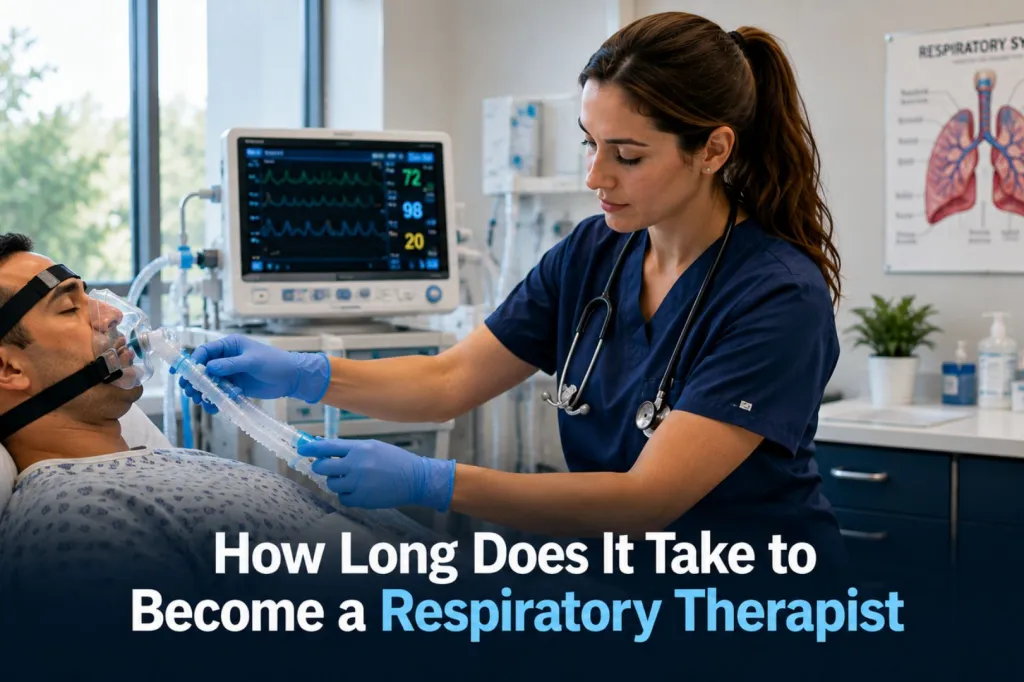
If you’re drawn to a hands-on health care career that makes a real difference in patients' lives, you may be asking one key question: How long does it take to become a respiratory therapist? For many aspiring professionals, the timeline is more achievable than they expect, making respiratory therapy an appealing pathway into health care. Understanding the steps involved can help you plan your education with confidence.
This blog walks through the typical timeline to become a respiratory therapist, including the education, clinical training, and licensure steps along the way. It also highlights how Edison State Community College's Respiratory Care program in Piqua helps students build the knowledge and hands-on experience needed to enter this growing and rewarding field.
Edison State's Respiratory Care Pathway
Edison State's Respiratory Care Associate of Applied Science provides students with a direct pathway into the respiratory therapy profession. Through classroom instruction, laboratory practice, simulation experiences, and clinical training, students develop the technical knowledge and patient-care skills needed to work with individuals experiencing respiratory and cardiopulmonary conditions.
Students gain hands-on experience with ventilators, oxygen therapy, diagnostic procedures, and respiratory equipment while preparing for certification, licensure, and employment opportunities throughout the health care field.
Key Takeaways
- Becoming a respiratory therapist typically starts with an associate degree that takes about two years to complete.
- The pathway includes classroom learning, laboratory practice, and hands-on clinical experience.
- After graduation, students take a certification exam and pursue state licensure to practice.
- Respiratory therapy offers a relatively efficient route into a stable, in-demand health care career.
- Edison State's Respiratory Care program in Piqua prepares students for certification, licensure, and real-world patient care.
The Typical Timeline to Become a Respiratory Therapist
Most students become respiratory therapists by completing an accredited associate degree program, which typically takes about two years of full-time study. During that time, students complete classroom coursework, laboratory training, and supervised clinical experiences that prepare them for professional practice.
After graduation, students become eligible to pursue certification and state licensure requirements needed to enter the profession. Many students can complete the pathway from enrollment to employment in approximately two years, making respiratory therapy one of the more efficient routes into a skilled health care career.
The Path to Becoming a Respiratory Therapist
Step 1: Complete an Accredited Respiratory Care Program
Students build foundational knowledge in anatomy, physiology, respiratory care procedures, patient assessment, and cardiopulmonary health.
Step 2: Participate in Laboratory and Clinical Training
Hands-on learning experiences help students apply classroom concepts while working with respiratory equipment and patient-care procedures.
Step 3: Graduate with an Associate Degree
Successful completion of the program qualifies graduates to pursue the next steps toward certification and licensure.
Step 4: Complete Certification Requirements
Graduates become eligible to pursue the credentialing examinations associated with respiratory therapy practice.
Step 5: Obtain State Licensure
Licensure allows respiratory therapists to practice professionally and provide patient care within their state.
What You Study and Learn Along the Way
Understanding how long a respiratory therapy program takes is easier when you know what the program includes. Respiratory care education blends academic learning with practical, hands-on training so students graduate prepared for real clinical settings. This combination is what makes the timeline both focused and comprehensive.
Classroom, Lab, and Clinical Learning
A respiratory care program typically combines several types of learning to build well-rounded professionals. Students can expect to gain experience in areas such as:
- Classroom instruction covering respiratory anatomy, physiology, and patient care
- Laboratory practice using treatment processes, ventilators, and other equipment
- Clinical experiences that apply skills in real-life patient care settings
- Training in patient communication, diagnostic testing, and teamwork
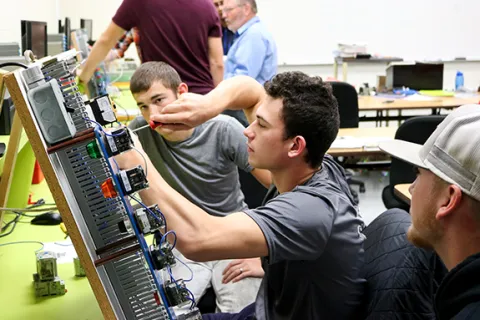
Students in Edison State’s Respiratory Care program learn to use the treatment processes, ventilators, and other equipment that make respiratory therapists a valuable part of a patient's care team. This hands-on approach helps students build confidence and competence before they enter the workforce, ensuring the time they invest translates into real, job-ready skills.
Certification and Licensure Steps
After completing an accredited respiratory care program, graduates take a certification exam as part of becoming a practicing respiratory therapist. At Edison State, graduates receive an Associate of Applied Science in Respiratory Care and are eligible to take the Respiratory Therapist Multiple-Choice (TMC) exam required for licensure as a Certified Respiratory Therapist (CRT). Graduates are also prepared to pursue the Registered Respiratory Therapist (RRT) credential, which is increasingly seen as a standard in the field. To practice in Ohio, respiratory therapists must obtain state licensure and maintain continuing education, ensuring they stay current with best practices throughout their careers.
Hands-On Learning and Clinical Experience
Respiratory therapy is a hands-on profession that requires students to apply technical knowledge in real clinical situations. Through laboratory instruction, simulation activities, and supervised clinical experiences, students learn how to assess patients, administer respiratory treatments, operate ventilators, and work collaboratively with health care teams.
These experiences help students gain confidence and develop the practical skills needed for success in professional respiratory care environments.
Career Outlook and Opportunities for Respiratory Therapists

Respiratory therapists work in diverse health care settings, including hospitals, clinics, long-term care facilities, and home health care. They play a crucial role in evaluating and treating patients with breathing difficulties and cardiopulmonary conditions, making their expertise highly sought after.
The demand for respiratory therapists is expected to grow over the next decade, with employment projected to grow much faster than average. This growth is driven by an aging population and rising prevalence of chronic respiratory diseases such as asthma, chronic obstructive pulmonary disease (COPD), and sleep apnea.
Many respiratory therapists choose to specialize in areas like neonatal and pediatric care, adult critical care, or pulmonary function testing, which can lead to advanced certifications and expanded job opportunities. Pursuing additional credentials such as the Registered Respiratory Therapist (RRT) certification or advanced degrees can further enhance career prospects and earning potential.
Respiratory therapy offers a stable and rewarding career path with opportunities for advancement into leadership, education, or specialized clinical roles through the future of respiratory therapy careers in Piqua. For students considering the profession, the combination of a relatively short educational pathway, strong workforce demand, and opportunities for specialization makes respiratory therapy an appealing career option.
Why Respiratory Therapy Is Worth the Investment
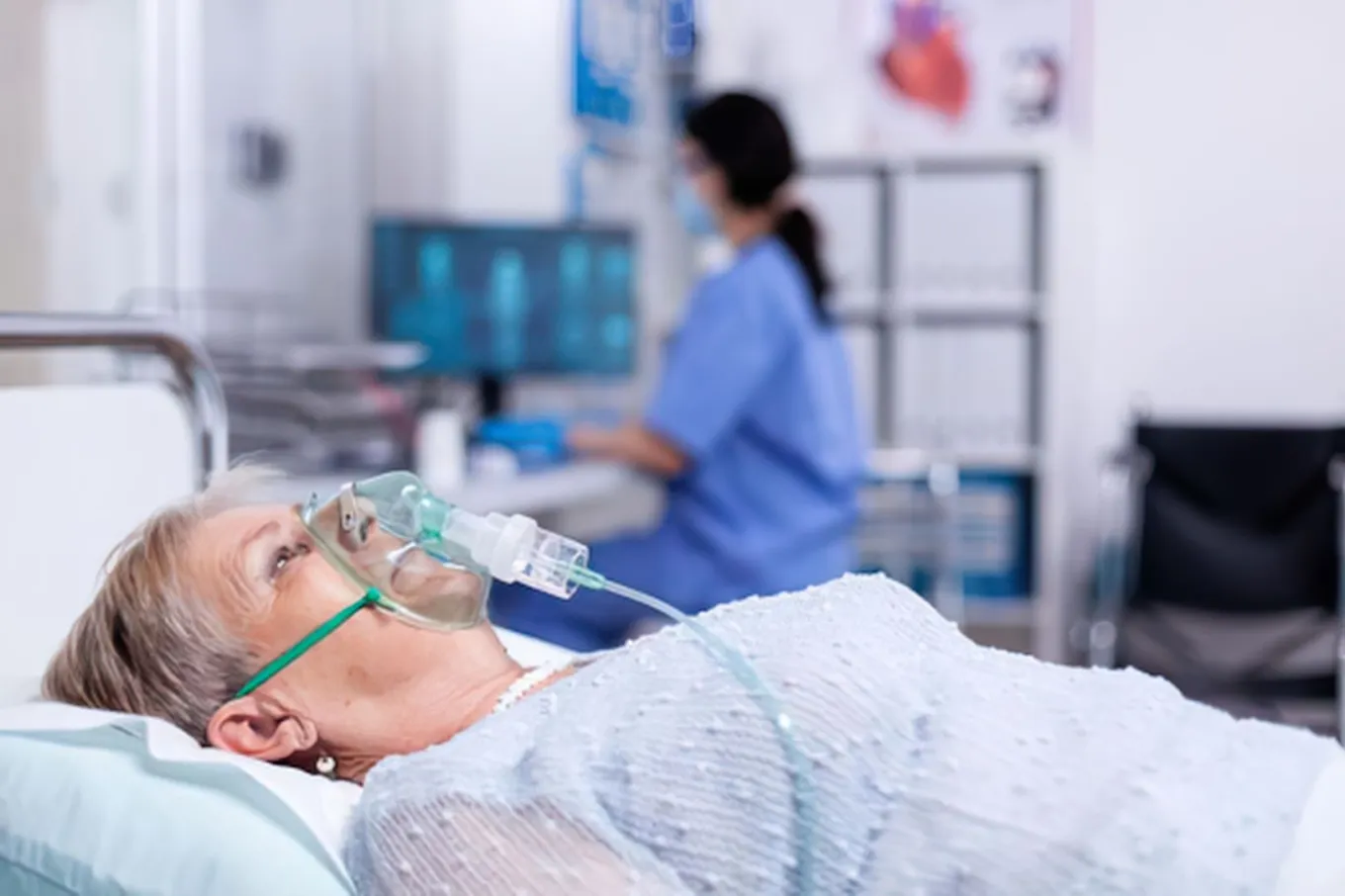
For many students, respiratory therapy offers an appealing balance of educational efficiency, career stability, and meaningful patient interaction. The profession allows individuals to enter the workforce after completing an associate degree while pursuing opportunities for specialization, advanced certifications, leadership, and continued education later in their careers.
Because respiratory therapists work directly with patients experiencing serious respiratory and cardiopulmonary conditions, many professionals find the work especially rewarding and impactful.
A Growing, In-Demand Career
Respiratory therapists are in strong demand across health care, and that demand is expected to continue growing. These professionals play a vital role in caring for patients with breathing and cardiopulmonary conditions, working with people of all ages in a variety of settings. The combination of a focused educational timeline and strong job outlook makes respiratory therapy a rewarding pathway.
- Hospitals, clinics, and other health care settings all need respiratory therapists.
- The role involves meaningful, hands-on patient care that saves and improves lives.
- Respiratory therapy offers stability and opportunities for long-term advancement.
- The associate degree pathway allows graduates to enter the workforce relatively quickly.
Why Students Choose Edison State's Respiratory Care Program
Students choose Edison State's Respiratory Care program because it combines academic preparation with extensive hands-on experience. Through classroom instruction, laboratory practice, clinical placements, and patient-care experiences, students build the technical and professional skills required in modern respiratory therapy settings.
Additional benefits include:
- Clinical experiences with regional health care partners
- Hands-on equipment training
- Supportive faculty and mentorship
- Preparation for certification and licensure
- Career-focused learning environments
Taking the Next Step Toward Respiratory Care

Becoming a respiratory therapist involves a combination of focused education, practical training, certification preparation, and licensure. For most students, the pathway can be completed in about two years while providing the knowledge and clinical experience necessary for professional practice.
Edison State’s Respiratory Care program helps students prepare for every stage of that journey through classroom instruction, laboratory experiences, clinical training, and career-focused support. By combining technical education with hands-on patient care experiences, the program provides a strong foundation for success in a growing health care profession.
Edison State also offers registered nursing, Associate of Science, business management, and accounting programs. Explore our programs and take the next step toward achieving your education and career goals with us.
Frequently Asked Questions
How long does it take to become a respiratory therapist?
Becoming a respiratory therapist typically begins with an associate degree that takes about two years of full-time study to complete, though the exact timeline can vary. This pathway includes classroom learning, laboratory practice, and hands-on clinical experience. After earning the degree, graduates take a certification exam and pursue state licensure to begin practicing. Some students later pursue a bachelor's degree for additional advancement, though it is not required to begin working in the field.
What does the respiratory care program at Edison State include?
Edison State's Respiratory Care program in Piqua combines classroom instruction, laboratory practice, and clinical experiences in real-life settings. Students learn to use treatment processes, ventilators, and other equipment while building patient-care and critical-thinking skills. After completing the program, graduates receive an Associate of Applied Science in Respiratory Care and are eligible to take the certification exam required for licensure.
What certification and licensure do respiratory therapists need?
After completing an accredited program, graduates are eligible to take the Respiratory Therapist Multiple-Choice (TMC) exam required for licensure as a Certified Respiratory Therapist (CRT). Many also pursue the Registered Respiratory Therapist (RRT) credential, which is becoming a standard in the field. To practice in Ohio, respiratory therapists must obtain state licensure and maintain continuing education.