Future of Respiratory Therapy Careers in Piqua: Trends and Demand
Explore the future of respiratory therapy careers in Piqua, including evolving health care trends, patient care environments, technology integration, and the growing demand for skilled respiratory therapists across hospitals, rehabilitation centers, home health care, and outpatient settings.
May 22, 2026
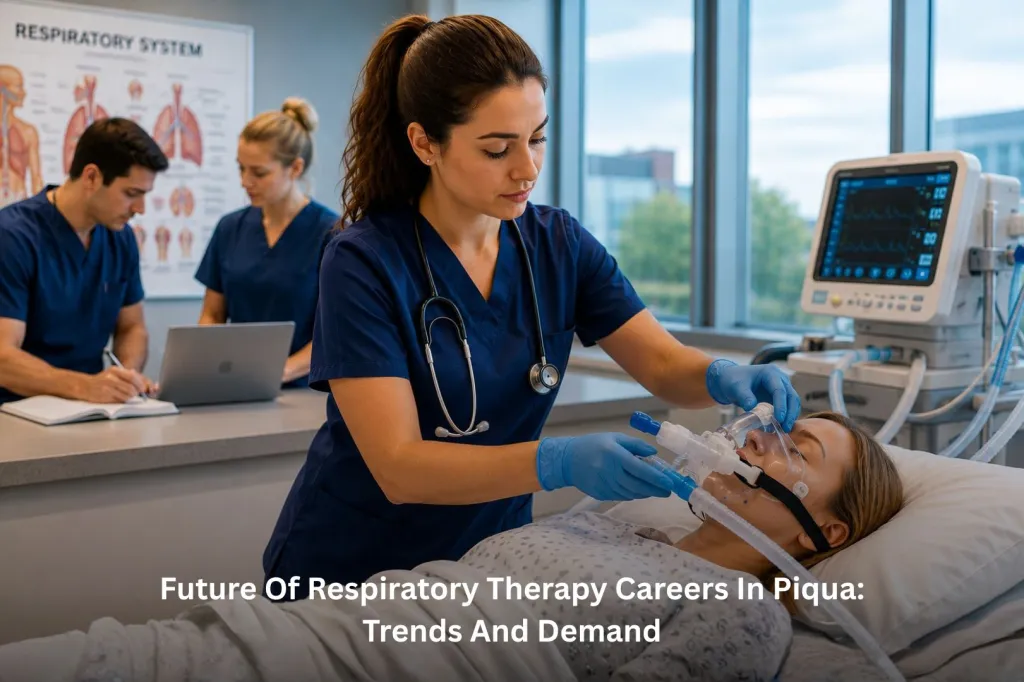
Respiratory therapy careers in Piqua, Ohio, continue to attract students interested in patient care, hands-on learning, and long-term professional growth within evolving health care environments. As respiratory conditions, aging populations, and expanded care services continue shaping regional health care needs, respiratory therapists play an increasingly important role in supporting patients across hospitals, rehabilitation settings, home health care, and long-term care facilities.
For students exploring future careers in respiratory therapy in Piqua, understanding trends and demand, and how the field continues to evolve, can help them prepare for both educational and career pathways in respiratory care. This guide explores how respiratory therapy is changing across Piqua and west-central Ohio, including evolving patient care environments, technology integration, workforce expectations, educational preparation, and the wide range of settings where respiratory therapists may build meaningful long-term careers.
Edison State’s Respiratory Care Pathway
Edison State Community College's Respiratory Care Associate of Science helps students prepare for careers supporting patients with respiratory and cardiopulmonary conditions. Through classroom instruction, laboratory practice, simulation experiences, and clinical learning opportunities, students develop the technical knowledge, patient-care skills, and professional competencies needed for respiratory therapy environments.
Students build experience working with respiratory equipment, patient assessments, breathing treatments, oxygen therapy, and interdisciplinary care teams while preparing for licensure, certification, and long-term career opportunities throughout the health care field.
Key Takeaways
- Respiratory therapy continues evolving as health care organizations expand patient care services across hospitals, rehabilitation settings, home health care, outpatient clinics, and long-term care facilities.
- Students exploring respiratory care pathways may benefit from hands-on learning experiences that help prepare them for patient support, clinical environments, respiratory equipment operation, and teamwork within fast-paced medical settings.
- Aging populations and increasing respiratory health concerns continue shaping the need for trained respiratory care professionals who can support patients across a variety of care environments.
- Modern respiratory therapy careers increasingly involve technology such as remote patient monitoring, telehealth tools, digital health platforms, and advanced respiratory equipment used in patient care and long-term treatment management.
- Edison State Community College offers a Respiratory Care Associate of Science designed to help students build practical clinical knowledge, patient communication skills, and career-focused preparation for respiratory therapy pathways.
- Students interested in long-term career growth may explore opportunities connected to specialty credentials, advanced education pathways, clinical experience, and evolving respiratory care environments across regional health care systems.
Current Respiratory Therapy Job Market in Piqua, Ohio
Respiratory therapy pathways in Piqua, Ohio, continue attracting students interested in patient care, clinical environments, and long-term professional development within the growing health care field. Respiratory therapists support patients with breathing difficulties and cardiopulmonary conditions, including asthma, COPD, sleep apnea, pneumonia, and other respiratory concerns that affect daily health and quality of life.
Students exploring respiratory care often learn how respiratory therapists work closely with patients, physicians, nurses, and other health care professionals across a variety of medical settings. Respiratory therapists may assist with breathing treatments, monitor patient progress, support airway management, operate respiratory equipment, and help patients manage both acute and chronic respiratory conditions. These responsibilities often require strong communication skills, problem-solving abilities, attention to detail, and the ability to work in fast-paced care environments.
Respiratory care pathways can also expose students to a wide range of professional settings beyond traditional hospital environments. Opportunities may exist within emergency departments, intensive care units, pulmonary diagnostics laboratories, rehabilitation settings, outpatient clinics, home health care, long-term care facilities, and community-based patient care services throughout west-central Ohio.
In communities near Piqua, Greenville, and the surrounding areas, respiratory therapists often support broader regional health care systems that continue adapting to changing patient needs and evolving care models. As respiratory care continues expanding beyond traditional inpatient settings, students entering the field may benefit from understanding how patient education, technology integration, teamwork, and long-term disease management now play a larger role in respiratory therapy environments.
Many students pursuing respiratory therapy pathways are also drawn to the field because it combines hands-on clinical learning with meaningful patient interaction. Educational preparation may include clinical experiences, laboratory instruction, patient communication, equipment training, and exposure to real-world respiratory care situations that help students build confidence and prepare for long-term professional growth in health care settings.
Regional Health Care Facilities and Career Opportunities
Students exploring respiratory therapy pathways near Piqua may discover opportunities to gain experience across a variety of health care environments throughout west-central Ohio. Regional medical facilities, rehabilitation centers, outpatient services, and long-term care settings continue shaping how respiratory care is delivered across communities such as Greenville and the surrounding areas.
Respiratory therapy education often prepares students to work in diverse patient care settings where communication, adaptability, teamwork, and hands-on clinical skills are essential. As students learn more about the profession, they may discover opportunities connected to:
- Hospitals and emergency departments, where respiratory therapists support patients experiencing acute breathing difficulties and critical respiratory conditions.
- Intensive care units, where respiratory therapists may assist patients requiring advanced respiratory support and close monitoring.
- Pulmonary diagnostics laboratories, where therapists help perform respiratory assessments, breathing evaluations, and pulmonary function testing.
- Pulmonary rehabilitation clinics, where patients receive support for improving breathing function, endurance, and long-term respiratory health management.
- Home health care settings, where respiratory therapists may help patients manage oxygen therapy, respiratory equipment, and chronic respiratory conditions outside traditional hospital environments.
- Long-term care facilities and skilled nursing facilities, where ongoing respiratory support and patient monitoring may be part of daily care plans.
- Sleep disorder centers, where respiratory therapists may assist with sleep apnea education, respiratory monitoring, and long-term treatment support.
As respiratory care continues to evolve, students may also notice that respiratory therapists increasingly work in settings focused on long-term disease management, patient education, and preventive care rather than solely in emergency hospital treatment. This broader range of learning and career environments can help students develop adaptable clinical skills as they prepare for evolving patient care needs across regional health care systems.
Emerging Trends in Respiratory Therapy
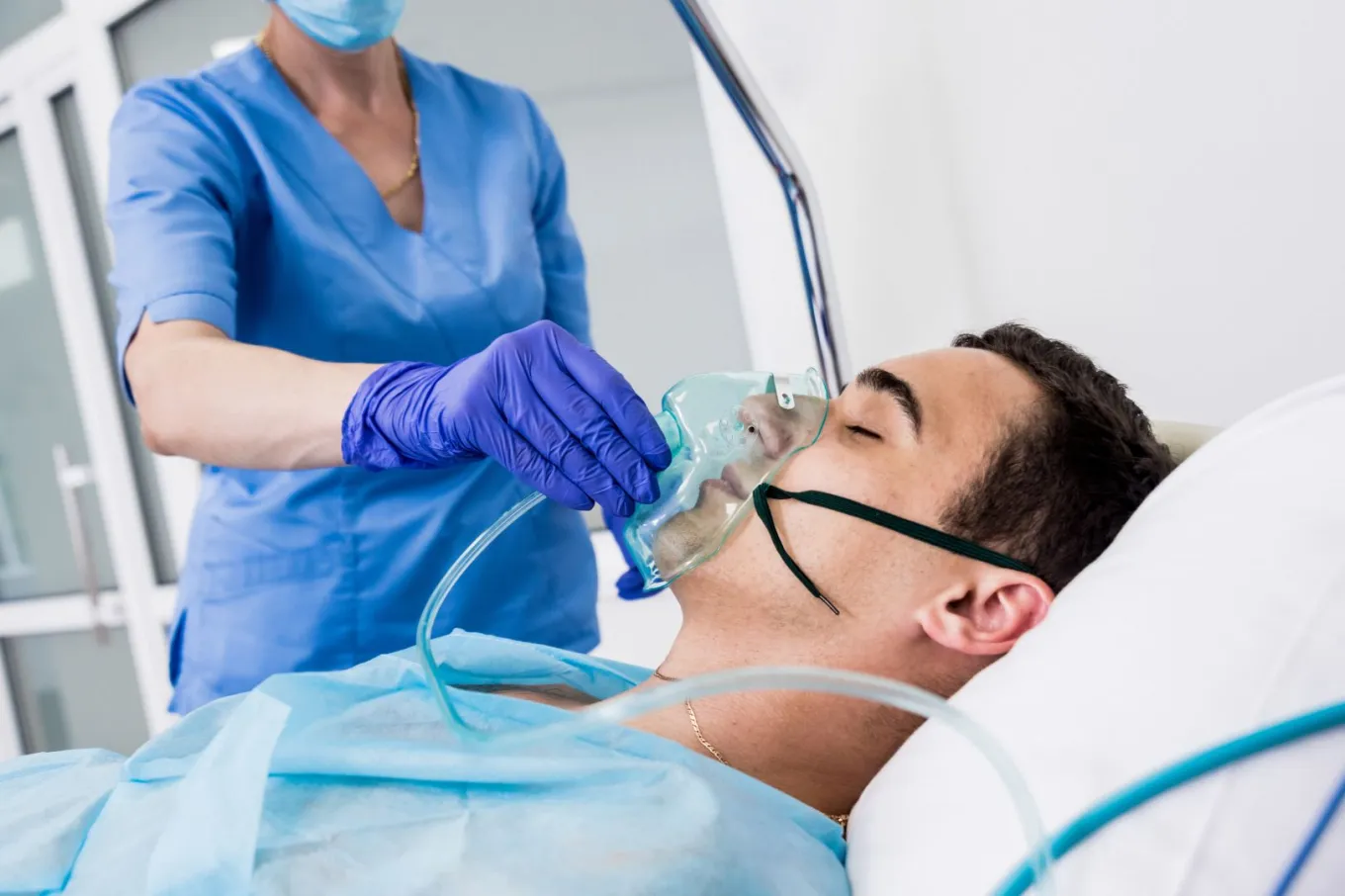
Modern respiratory therapy increasingly involves:
- Remote patient monitoring
- Telehealth and virtual care support
- Portable respiratory technology
- Home-based respiratory services
- Chronic disease management
- Patient education and preventive care
As health care systems continue evolving, respiratory therapists play a growing role in helping patients manage long-term respiratory conditions while supporting care both inside and outside traditional hospital settings.
Preparing for a Career in Respiratory Therapy
Students interested in respiratory therapy should understand accreditation requirements, certification expectations, licensure processes, and the importance of clinical experience. Hands-on learning opportunities, patient interaction, and preparation for credentialing examinations all play important roles in career readiness and long-term professional success.
Students beginning their academic journey may feel more prepared when they know what to expect during their first year at a community college before entering a career-focused health care program.
Common mistakes include:
- Choosing a program without checking accreditation. To become a respiratory therapist, individuals typically need to earn at least an associate degree in respiratory therapy from an accredited program. However, some may pursue a bachelor’s degree for broader career growth and advancement opportunities.
- Underestimating certification requirements. After earning a degree, aspiring respiratory therapists must pass the Certified Respiratory Therapist (CRT) or Registered Respiratory Therapist (RRT) exam, which is required for licensure in most states.
- Forgetting about state licensure. Respiratory therapists must obtain state licensure to practice, which involves meeting specific requirements that vary by state, as well as continuing education requirements to maintain licensure.
- Ignoring hands-on experience. Internships, clinical rotations, and supervised patient care help students learn how to work with respiratory equipment, monitor vital signs, communicate with the health care team, and make decisions under pressure.
- Not exploring specialty credentials. Specialty credentials in respiratory therapy can be earned through the National Board for Respiratory Care (NBRC), allowing respiratory therapists to focus on areas such as pediatric care, sleep disorder testing, or critical care, which can support career advancement opportunities.
- Assuming every respiratory therapy role is the same. Respiratory therapists often have variable routines and responsibilities, working directly with patients to determine effective therapies and treatment plans for specific breathing conditions, including both chronic and acute respiratory conditions.
- Not preparing for real-world schedules. The work environment for respiratory therapists can be fast-paced and high-demand, often requiring them to be on their feet for most of their shifts, including nights, weekends, and holidays, as many medical facilities operate around the clock.
A new graduate who understands these expectations may be better positioned for respiratory therapist jobs in hospitals, long-term care facilities, skilled nursing facilities, home care, outpatient settings, and other respiratory care environments.
Future Respiratory Therapy Outlook in West-Central Ohio
Respiratory therapy continues to become an important part of modern health care as patient needs, respiratory conditions, and care environments continue evolving across west-central Ohio. Students exploring respiratory therapy pathways may notice growing awareness of respiratory wellness, long-term disease management, patient education, and the expanding role of respiratory therapists across hospitals, outpatient services, rehabilitation settings, and home health care environments. Students looking for flexible, career-focused learning may also consider why a community college might be the best option for their education as they prepare for respiratory therapy pathways.
The future of respiratory therapy careers in Piqua, Ohio, is also being shaped by broader changes within health care systems. Aging populations, chronic respiratory conditions, and ongoing advancements in respiratory treatment approaches continue to influence how respiratory care services are delivered across Ohio communities. Respiratory therapists increasingly support patients managing conditions such as COPD, pneumonia, asthma, sleep apnea, and other cardiopulmonary concerns that require both immediate treatment and long-term respiratory support.
Health care providers across Ohio continue recognizing the importance of respiratory therapists within patient care teams. Respiratory therapists often contribute to ventilator management, oxygen therapy, patient monitoring, breathing treatments, chronic disease management, and respiratory education across a variety of medical environments. As care models continue expanding beyond traditional hospital settings, respiratory therapists may also support home-based care, preventive care education, outpatient respiratory services, and telehealth-connected patient support.
Technology and evolving treatment approaches are also influencing how students prepare for careers in respiratory therapy. Respiratory care environments increasingly involve digital monitoring systems, respiratory diagnostic tools, telehealth communication, and patient-centered treatment planning. Students preparing for respiratory therapy pathways may benefit from educational experiences that combine hands-on clinical learning, patient interaction, communication skills, and exposure to modern respiratory equipment used throughout health care settings.
The long-term outlook for respiratory therapy pathways also reflects the importance of adaptable health care professionals who can support patients across changing care environments. Students pursuing respiratory therapy education may continue to find opportunities in clinical learning, specialty credentials, advanced education pathways, patient care experience, and evolving respiratory support roles throughout west-central Ohio communities.
Educational Pathways at Edison State
Students exploring respiratory therapy careers often look for educational pathways that combine hands-on learning, clinical preparation, patient interaction, and long-term career development within evolving health care environments. Edison State in Piqua provides a local pathway for students interested in building practical respiratory care skills while preparing for licensure, patient care responsibilities, and future respiratory therapy opportunities throughout west-central Ohio. Students comparing degree options may also benefit from understanding the length of community college programs when planning their respiratory care education pathway.
Edison State’s Respiratory Care Associate of Science is designed to help students prepare for real-world respiratory therapy environments where communication, adaptability, technical knowledge, and patient support all play important roles. Students learn to operate respiratory equipment, support breathing treatments, work under pressure, educate patients and families, and collaborate with physicians, nurses, and other health care professionals. Training may involve supporting premature infants, adult patients, older adults, and individuals experiencing acute or chronic respiratory conditions.
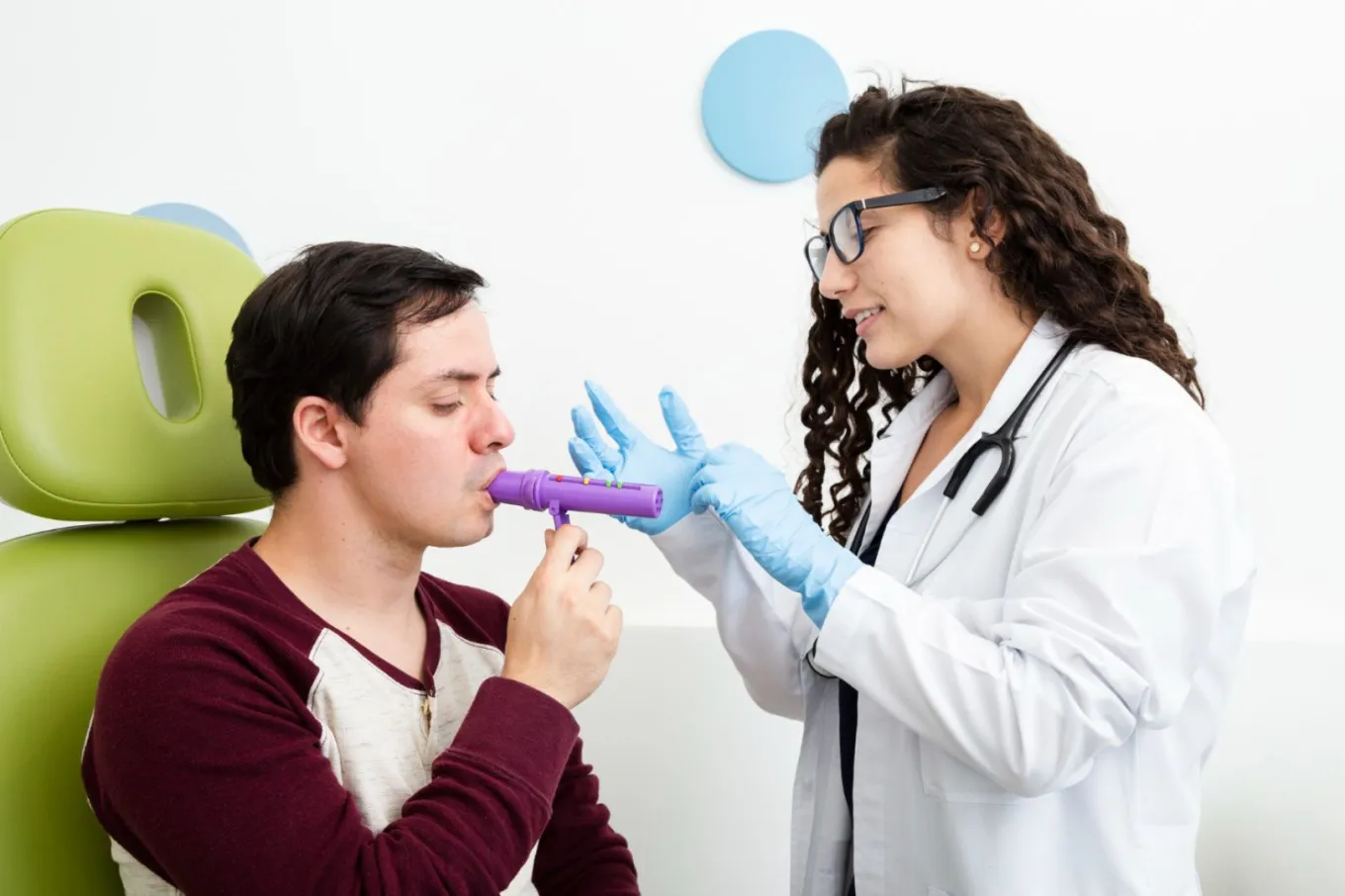
A typical pathway to becoming a respiratory therapist includes:
- Completing prerequisite education such as anatomy and physiology, biology, chemistry, and related science coursework.
- Enrolling in an accredited program in respiratory therapy or respiratory care.
- Completing classroom instruction, laboratory practice, and clinical rotations.
- Earning an associate degree, with some students later pursuing a bachelor’s degree for broader advancement opportunities.
- Passing the CRT or RRT exam.
- Obtaining Ohio licensure and maintaining continuing education requirements.
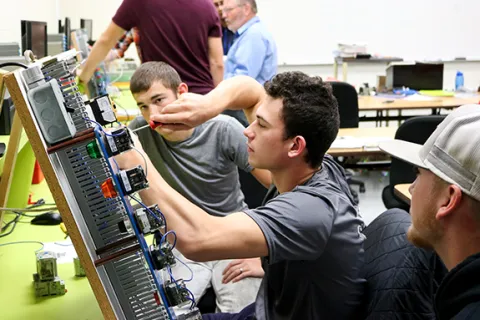
Hands-on learning experiences remain an important part of respiratory therapy education. Edison State’s Piqua Campus provides local students with clinical experiences, laboratory learning, internships, and supervised patient care opportunities close to home. These learning environments help students strengthen patient communication, equipment management, diagnostic testing, teamwork, and critical thinking skills that are important within respiratory therapy settings.
Students exploring respiratory care pathways may also benefit from learning about transfer opportunities and long-term educational planning. Some students begin with an associate degree before pursuing bachelor’s degree pathways in leadership, education, management, specialized respiratory care, or advanced practice respiratory therapist roles as the profession continues to evolve.
Prior Learning Assessment (PLA) opportunities may also help some adult learners and career changers who already have experience in health care, the military, emergency medical services, nursing assistant, or patient care. Students should check directly with Edison State to determine whether PLA applies to respiratory therapy coursework, clinical requirements, or related health sciences credits.
Respiratory therapy pathways combine patient interaction, technical skill development, hands-on clinical learning, and long-term professional growth within health care environments that continue adapting to changing patient needs throughout west-central Ohio.
Final Thoughts
Respiratory therapy continues to play an increasingly important role in modern health care. Through Students exploring careers in respiratory therapy may benefit from hands-on clinical learning, patient interaction, technical skill development, and educational experiences that prepare them for evolving respiratory care environments across west-central Ohio. As respiratory care continues expanding across hospitals, rehabilitation settings, home health care, and outpatient services, respiratory therapists remain an important part of patient-centered health care teams.
At Edison State in Piqua, students interested in respiratory care can explore career-focused educational pathways designed to support clinical learning, patient care preparation, and long-term professional growth. Students may also explore broader opportunities within health sciences, including physical therapist assistant, practical nursing, and the RN to BSN completion program. Through hands-on learning opportunities, internships, laboratory instruction, and supportive educational environments, we help students prepare for evolving health care pathways connected to regional patient care needs. Contact us today to learn more about getting started.
Frequently Asked Questions
What makes respiratory therapy a meaningful long-term career pathway?
Respiratory therapy combines patient interaction, hands-on clinical learning, problem-solving, and technical skill development within evolving health care environments. Many students are drawn to respiratory therapy because the field allows them to support patients experiencing breathing difficulties while working closely with physicians, nurses, and other health care professionals throughout a variety of care settings.
What skills are important for students preparing for respiratory therapy careers?
Students preparing for respiratory therapy pathways often benefit from developing communication, teamwork, adaptability, technical knowledge, and critical thinking skills. Respiratory therapists may work in fast-paced environments where patient monitoring, equipment management, patient education, and collaboration with the health care team are integral to daily responsibilities.
What types of environments do respiratory therapists work in?
Respiratory therapists may work in hospitals, intensive care units, pulmonary rehabilitation clinics, outpatient facilities, long-term care environments, home health care settings, and sleep disorder centers. As respiratory care continues evolving, therapists may also support telehealth communication, home-based respiratory care, and long-term disease management programs.