




What You Can Do with a Manufacturing or Engineering Degree: Career Paths Explained
Discover the wide range of career opportunities a manufacturing degree can provide, from production and quality control to engineering and leadership roles, while exploring essential skills, career advancement strategies, and pathways to long-term success in the manufacturing industry.
July 9, 2026
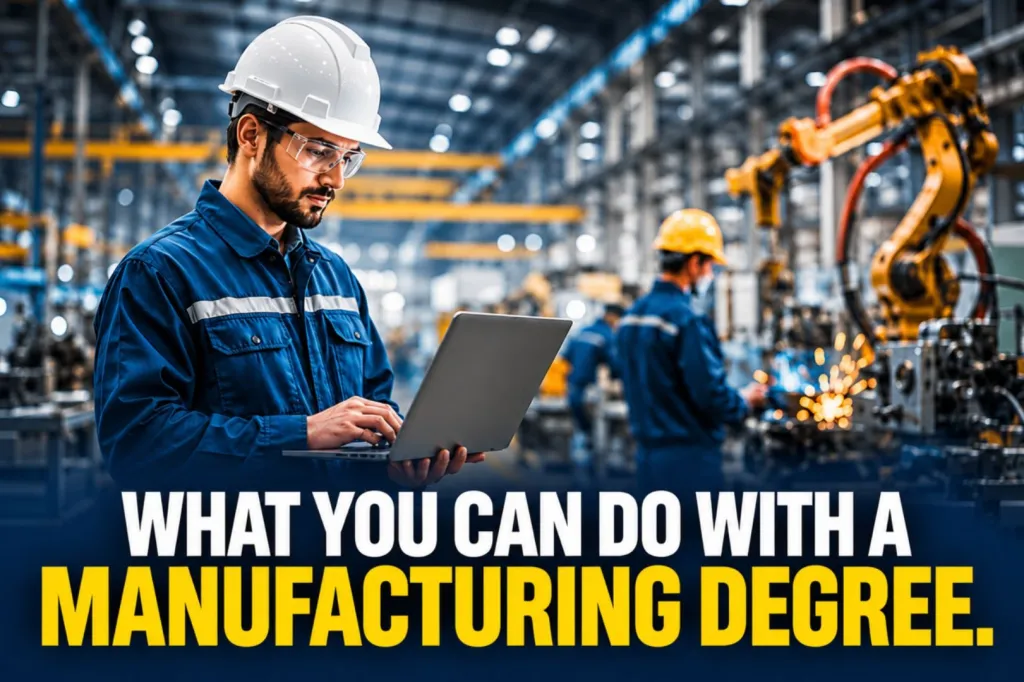
A manufacturing degree puts you on track for careers that pay well, stay in demand, and build the intermediate or final products the world depends on—from aircraft components to medical devices. Manufacturing includes over 96 different careers, and graduates can work in industries such as aerospace, automotive, and health care. This college degree opens a wide range of career opportunities across six distinct pathways.
This blog breaks down those six pathways, the high-demand manufacturing jobs waiting for degree holders, how to advance from entry-level technician to leadership, and how Edison State Community College prepares you for success in this field.
Edison State's Engineering & Manufacturing Pathway
Edison State's Engineering & Manufacturing programs help students build technical knowledge, problem-solving skills, and hands-on experience that support a wide range of manufacturing careers. Through classroom instruction, laboratory experiences, industry partnerships, internships, and workforce-focused training, students prepare for opportunities in production, automation, maintenance, quality control, logistics, and advanced manufacturing environments.
Students can explore programs connected to automation and robotics, electro-mechanical engineering, manufacturing technology, mechanical design, and other engineering-focused pathways while building a strong foundation for workforce entry, career advancement, or continued education.
Key Takeaways
Manufacturing has distinct career pathways, each with its own trajectory from the shop floor to upper-level managers.
- Career advancement comes from combining technical expertise with leadership skills and industry certifications.
- Strong job security exists in essential sectors—automotive, aerospace, health care, semiconductors, and clean energy manufacturing—which are actively hiring.
- Hands-on experience and internships are important for career readiness in manufacturing and accelerate career progression faster than classroom learning alone.
Core Engineering & Manufacturing Career Pathways
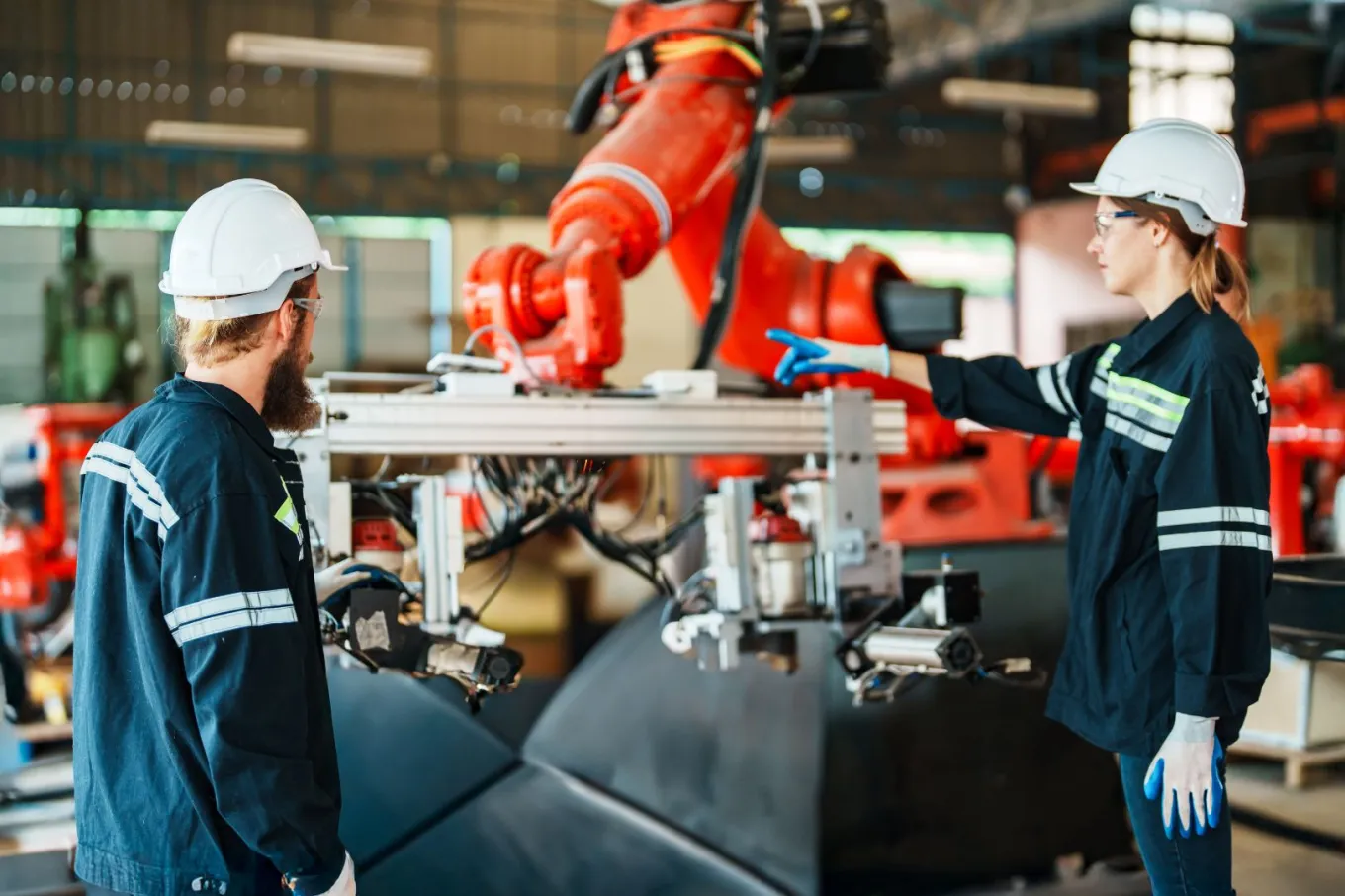
The manufacturing career cluster is organized into pathways, each representing a different focus area within the industry. Understanding these pathways helps you align your career goals with roles that match your strengths.
1. Production Pathway
This is the front line of manufacturing. The production pathway includes CNC machining and welding careers, along with assembly operations where production workers assemble parts on the shop floor. Professionals here transform raw materials into finished products using tools, equipment, and skilled labor. CNC machining is a key manufacturing method that demands precision, and welders join metals to create everything from structural beams to automotive frames.
2. Mechanical Design
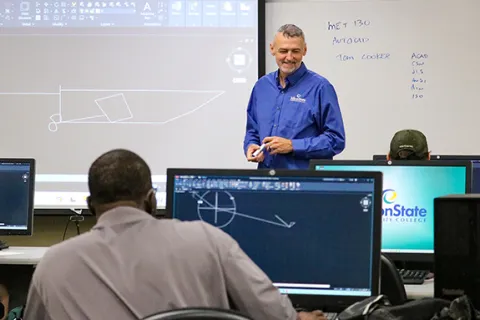
Process and design engineers work to increase efficiency across the production process. They use computer-aided design (CAD), simulation software programs, and statistical methods like Six Sigma to optimize how a company's products are made. Manufacturing engineers design and improve manufacturing processes, reducing waste and cutting costs while maintaining quality.
3. Maintenance, Installation, and Repair
Maintenance, installation, and repair careers focus on equipment upkeep, troubleshooting breakdowns, and installing new equipment. As automation expands, the U.S. had about 38,000 industrial robot installations in 2025; these professionals keep increasingly complex systems running on time.
4. Quality Assurance
Quality assurance professionals ensure products meet industry standards. This pathway covers inspection, testing, statistical process control, and standards compliance. Quality assurance processes help identify raw materials meeting specifications before they enter the production line, and quality assurance inspectors verify that finished goods match design requirements.
5. Logistics and Inventory Control
Logistics and inventory control careers manage material transportation, procurement, warehousing, and supply chain coordination. Professionals use ERP systems, forecasting tools, and vendor management strategies to keep production goals on track and materials flowing without delay.
6. Health, Safety, and Environmental Assurance
Health and safety engineers design systems to prevent workplace injuries, while environmental engineers develop pollution-control solutions. Health and safety professionals conduct hazard inspections regularly and ensure compliance with safety regulations, including OSHA standards. These roles also address chemical hazards. Health and safety engineers protect people from chemical hazards in facilities handling volatile materials.
Career Growth Opportunities in Manufacturing

A manufacturing career often provides multiple opportunities for advancement. Many professionals begin in hands-on production, maintenance, quality, or technical roles before moving into supervisory, engineering support, project management, operations, or leadership positions.
As employees gain experience, develop technical expertise, and earn industry certifications, they may pursue opportunities such as:
- PLE Programming
- Manufacturing Engineer
- Quality Manager
- Maintenance Manager
- Process Engineer
Hands-On Learning and Career Readiness
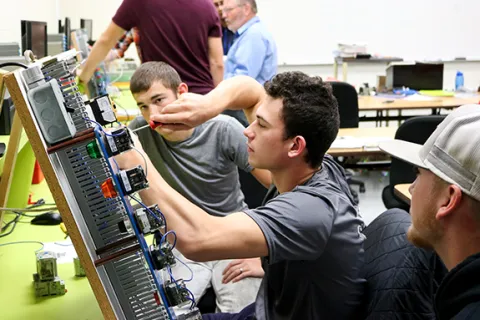
Successful manufacturing professionals combine technical knowledge with practical experience. Through laboratory instruction, internships, co-ops, simulations, and industry partnerships, students gain experience working with equipment, processes, and technologies used in modern manufacturing environments.
These experiences help students strengthen technical skills, build confidence, and prepare for workplace expectations before entering the workforce.
Career Opportunities Across Manufacturing Industries
A manufacturing degree can prepare students for opportunities in a wide range of industries that rely on production, quality, technology, logistics, and operational excellence.
- Automotive Manufacturing: Supporting production processes, quality assurance, automation systems, and supply chain operations.
- Aerospace and Aviation: Helping manufacture components that require precision, safety, and strict quality standards.
- Health Care and Medical Device Manufacturing: Supporting the production of medical equipment, diagnostic tools, and health care technologies.
- Advanced Manufacturing and Automation: Working with robotics, automated systems, industrial controls, and smart manufacturing technologies.
- Food and Beverage Production: Assisting with quality control, process improvement, safety compliance, and production management.
- Agriculture and Equipment Manufacturing: Supporting the design, production, maintenance, and distribution of agricultural equipment and related products.
Because manufacturing organizations depend on problem-solving, technical knowledge, quality management, and operational efficiency, graduates can apply their skills across many industries while exploring long-term career growth opportunities.
Building Your Manufacturing Career: From Graduate to Leader
Career progression in manufacturing follows a logical path, but the speed at which you advance depends on the choices you make early.
- Start with internships and entry-level positions to gain experience. Hands-on work, whether through co-ops, apprenticeships, or internships;, gives you direct exposure to production planning, equipment operation, and resolving issues on the floor in real time. Understanding how long community college programs take to complete can help students plan the education needed before entering the workforce. This practical foundation is what separates strong job candidates from the rest.
- Pursue industry certifications. Six Sigma Green Belt and Black Belt, Lean Manufacturing, NIMS credentials for machinists, and safety certifications like OSHA 30-hour all signal to employers that you bring verified technical expertise. Quality assurance roles require attention to detail and training, and certifications validate both.
- Develop both technical expertise and soft skills. Moving into operations management or a leadership role means you need communication, project management, and the ability to lead other employees through new challenges. Detail-oriented technical knowledge gets you hired; leadership skills get you promoted.
- Seek mentorship from experienced manufacturing professionals. Veteran engineers, plant managers, and career advisors can help you navigate the manufacturing career cluster strategically, pointing you toward specializations and avoiding dead-end paths.
- Consider specializations in emerging areas. Cutting-edge technologies like automation and robotics, AI-driven process control, predictive maintenance analytics, and smart factory design are reshaping what manufacturing technology looks like. By 2030, adoption of highly automated production processes is expected to more than double, creating a strong demand for professionals who can bridge technical support activities with human oversight.
- Network through professional organizations and industry events. Regional manufacturing associations, trade shows, and local employer partnerships connect you with hiring managers and keep you current on sector-specific trends in your area.
How Edison State Prepares You for Manufacturing Success
Edison State's Engineering & Manufacturing programs combine hands-on labs with real industry partnerships to produce job-ready graduates. Students work with industry-standard equipment—CNC machines, robotics systems, and ; programmable logic controls (PLCs)—to build the practical skills that manufacturers in west-central Ohio need.
Prior Learning Assessment opportunities let experienced workers who already have manufacturing experience earn credit for what they know, accelerating their path to a degree or credential without repeating what they've already mastered on the job.
Internship and co-op programs connect students with local manufacturers across the Piqua, Troy, Greenville, and Eaton areas. Partnerships like the Edison State to Honda Manufacturing Pathway give students direct access to one of the region's largest employers, while smaller manufacturers offer hands-on roles where students can gain experience across multiple departments and sometimes step into a leadership role earlier.
Transfer pathways provide opportunities for students to continue their education after earning an associate degree. Graduates of mechanical, electro-mechanical, and related engineering technology programs may be eligible to transfer significant credit toward a Bachelor of Science in Applied Science completion program. For many students, this creates an efficient pathway to a bachelor's degree that can be completed with approximately two additional years of study beyond the associate degree while building on the technical knowledge and hands-on experience gained at Edison State.
Edison State’s Career & Job Services department connects graduates with regional manufacturing employers actively hiring for production, maintenance, quality assurance, logistics, and safety roles. Manufacturing and Engineering Technology degrees are versatile and valuable across many sectors, and Edison State's career advisors help you match your skills to the right opportunity.
Students also benefit from transfer opportunities, academic advising, workforce development resources, and industry-connected instruction that helps align classroom learning with current manufacturing needs.
Prepare for a Successful Manufacturing Career
A manufacturing degree can lead to a wide range of rewarding careers in production, operations, quality control, engineering support, and advanced manufacturing. Choosing the right program helps you build technical knowledge, practical skills, and industry readiness while creating opportunities for career advancement or continued education in a growing manufacturing sector.
Edison State supports students pursuing a manufacturing degree in Piqua with programs designed to prepare them for today's evolving workforce. We also offer educational opportunities with an Associate of Science or Associate of Arts, along with programs such as business management, registered nursing, and more, to support a variety of career goals. Take the next step with us and discover a program that helps you achieve your educational and professional goals.
Frequently Asked Questions
Do I need additional certifications beyond my manufacturing degree?
While your degree provides the foundation, certifications significantly boost your competitiveness. Employers seek skills in lean manufacturing, Six Sigma, and data analysis. NIMS credentials for machinists, ASQ certifications for quality roles, and OSHA safety certifications are among the most valued. Many manufacturing careers require a college degree as a baseline, but certifications demonstrate specialized competence.
How important is hands-on experience compared to classroom learning?
Both matter, but employers consistently prioritize candidates who have practical experience. Apprenticeships provide hands-on experience in manufacturing that builds competence faster than coursework alone. Internships and co-ops, like those offered through Edison State's industry partnerships, give you direct exposure to real manufacturing environments and make you a stronger candidate upon graduation.
What manufacturing industries are growing in west-central Ohio?
West-central Ohio has a strong base in automotive supply, metals fabrication, food and beverage processing, and agriculture equipment manufacturing. Nationally, sectors like semiconductors, other electrical equipment, component manufacturing (projected to grow by nearly 30% through 2034), and pharmaceutical manufacturing are adding significant numbers of jobs. Regional manufacturers are also investing in automation, creating demand for graduates with skills in robotics, mechatronics, and smart manufacturing.
Can I transition into manufacturing from another field?
Yes. Many manufacturing careers welcome professionals from other backgrounds, especially those with transferable skills in problem-solving, project management, or technical support. Edison State's Prior Learning Assessment program can award credit for relevant work experience, and workforce training programs help career changers build the specific technical knowledge needed for manufacturing roles. Specialized training can enhance job prospects quickly, especially when combined with certifications in areas like quality control or automation.
How does Edison State prepare students for manufacturing careers?
Edison State's Engineering & Manufacturing programs combine classroom instruction, laboratory experiences, industry partnerships, internships, and workforce-focused training to help students develop technical skills and real-world experience. Students gain exposure to the equipment, technologies, and processes used by modern manufacturers while preparing for workforce opportunities and continued education.
Can I continue my education after earning an engineering or manufacturing degree from Edison State?
Yes. Edison State students can explore transfer opportunities that build upon their associate degree and support bachelor's degree completion. Graduates of mechanical, electro-mechanical, and related engineering technology programs may receive favorable transfer credit toward a Bachelor of Science in Applied Science completion pathway, allowing them to continue their education while preparing for advanced technical, supervisory, and leadership roles in manufacturing and engineering.