How Long Does It Take to Become a Phlebotomist?
Learn how long it takes to become a phlebotomist by exploring training timelines, certification requirements, educational pathways, clinical experience, and the factors that influence your journey toward a rewarding healthcare career.
July 27, 2026
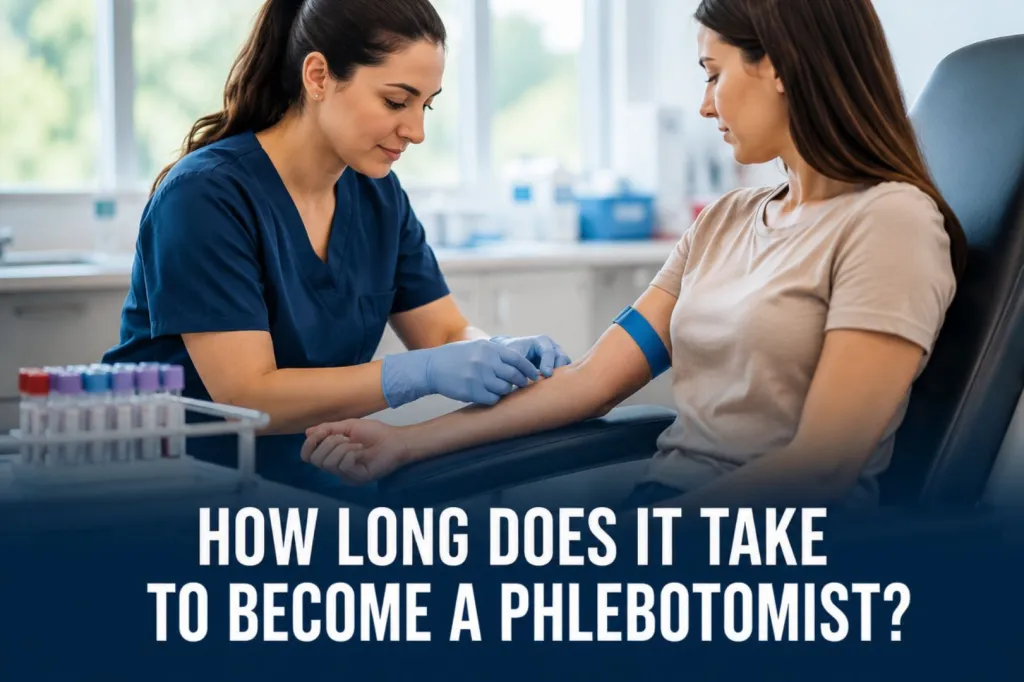
Most aspiring phlebotomists can complete their training and earn a phlebotomy certification in as little as four to 12 weeks through a certificate program. That makes phlebotomy one of the fastest entries into health care—far shorter than most clinical roles that require semesters or years of education. Whether you're exploring a phlebotomy career for the first time or looking for a fast-track path into the medical field, understanding the entire process from enrollment to employment will help you plan with confidence.
This blog breaks down the phlebotomy training timeline, compares your educational options, walks through each step of the journey, and explains the factors that can speed up or slow down your progress.
Edison State's Phlebotomy Pathway
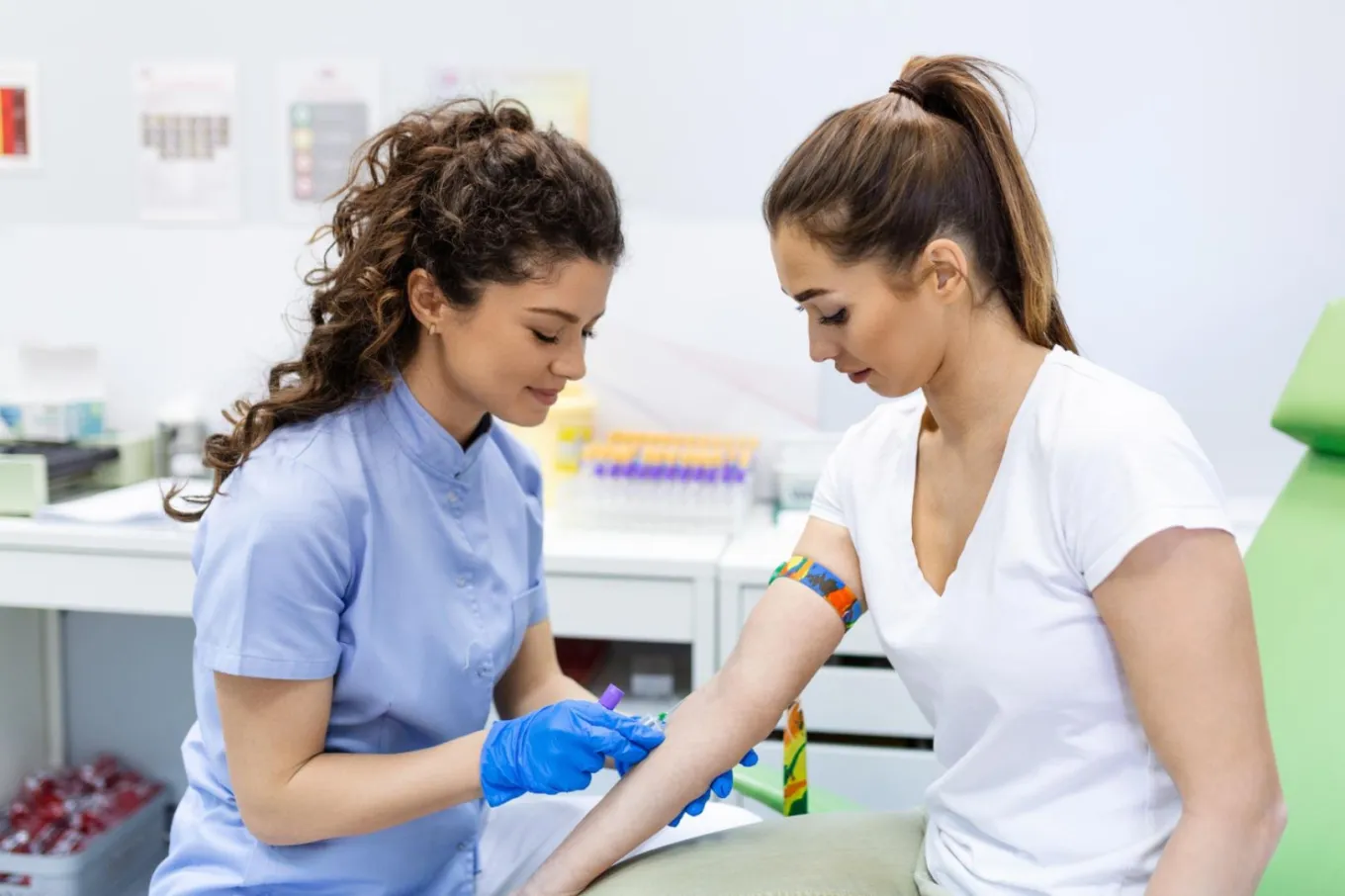
Edison State Community College's Phlebotomy Program provides a fast and practical pathway into the health care field. Through classroom instruction, laboratory experiences, clinical training, and certification preparation, students develop the technical skills and hands-on experience needed to pursue entry-level phlebotomy positions.
Designed for students seeking an efficient route into health care, the program combines career-focused training with opportunities for continued education through Edison State's broader Health Sciences pathway.
Key Takeaways
- Certificate programs typically take four to 16 weeks to complete and are the most common route to becoming a phlebotomist.
- Accelerated phlebotomy programs can be completed in as little as two to 4 weeks, and some programs can be completed in as little as three weeks.
- Community college phlebotomy programs usually take 12 to 16 weeks (one semester).
- Clinical externship requirements and the certification exam typically add two to eight weeks to the total timeline.
- Total time from enrollment to employment is usually six to 16 weeks for most students.
Phlebotomy Training Timeline Overview
Most students can complete phlebotomy training and certification preparation in a matter of weeks rather than years, making phlebotomy one of the fastest pathways into the health care field. Through Edison State's Phlebotomy program, students receive a combination of classroom instruction, laboratory practice, and clinical experiences that help prepare them for certification and employment in hospitals, laboratories, physician offices, and other health care settings.
During training, students develop skills in anatomy, medical terminology, infection control, venipuncture techniques, specimen collection, specimen handling, and patient interaction. Hands-on learning opportunities help students practice blood collection procedures and build confidence in a clinical environment before working with patients.
The exact timeline can vary based on program format, scheduling options, clinical requirements, and individual student circumstances. Students attending on a full-time schedule may complete their training more quickly than those balancing work or family obligations through part-time enrollment. Edison State's flexible scheduling options help students choose a pathway that aligns with both their educational goals and personal responsibilities.
For students seeking broader laboratory career opportunities, Edison State also offers a Medical Laboratory Technician program that includes phlebotomy training as part of a more comprehensive health sciences education pathway.
Certificate Programs vs Other Educational Options
Phlebotomy offers a stable and flexible career, and certificate programs are the fastest route to becoming a certified phlebotomist. At four to 16 weeks, they focus exclusively on phlebotomy skills and prepare students for a national certification exam. This is the path most aspiring phlebotomists choose.
For students interested in a broader health care education, associate degree programs in medical laboratory technology include phlebotomy as one component within a two-year curriculum. These programs prepare graduates for roles beyond specimen collection, including laboratory testing and clinical pathology. While the time investment is greater, the career flexibility and earning potential are also higher.
Online phlebotomy programs typically take four to eight weeks to complete the didactic portion. These online programs deliver lectures and coursework remotely, but students must still complete in-person clinical hours and practice blood draws at an approved site. The hybrid program format works well for those who need scheduling flexibility.
|
Option |
Duration |
Best For |
|
Accelerated Programs |
2–4 weeks |
Full-time students wanting faster training |
|
Certificate Programs |
4–12 weeks |
Most aspiring phlebotomists |
|
Community College Certificates |
12–16 weeks |
Students wanting comprehensive preparation |
|
Online Phlebotomy Programs |
4–8 weeks (didactic) + clinical |
Self-paced learning and working adults |
|
Associate Degree (MLT) |
2 years |
Broader health care careers |
Step-by-Step Process to Becoming a Phlebotomist
Students pursuing phlebotomy training at Edison State typically move through several key stages as they prepare for certification and employment.
Step 1: Apply and Complete Admission Requirements
Students begin by applying to Edison State and completing any required admissions, health, and program documentation. Depending on program requirements, this may include background checks, immunization records, or other health-related clearances.
Step 2: Complete Classroom and Laboratory Instruction
Students build foundational knowledge in areas such as anatomy, medical terminology, infection control, specimen collection, patient safety, and venipuncture techniques. Laboratory experiences allow students to practice blood collection procedures and develop technical skills in a controlled learning environment.
Step 3: Gain Hands-On Clinical Experience
A key component of Edison State's Phlebotomy program is hands-on learning. Through clinical training experiences, students apply classroom concepts in health care settings while practicing specimen collection, patient interaction, safety procedures, and professional communication.
Step 4: Prepare for Certification
After completing program requirements, students prepare for national certification examinations. Certification can help demonstrate competency to employers and may improve employment opportunities within hospitals, laboratories, physician practices, and other health care environments.
Step 5: Enter the Workforce or Continue Your Education
After completing training and certification requirements, graduates can pursue entry-level phlebotomy positions or continue exploring additional health sciences pathways. Some students choose to build on their education through programs such as medical laboratory technician and other allied health professions available through Edison State.
Factors That Influence Your Phlebotomy Training Timeline
How long does it take to become a phlebotomist? The answer depends on several variables:
Full-Time vs. Part-Time Enrollment
Full-time students can often move through coursework and clinical requirements more quickly. Part-time students may take longer to complete training because they are balancing school with work, family responsibilities, or other commitments. It’s important to choose a schedule that supports both success and consistency and to decide whether phlebotomy is a good career when choosing the training path that best fits your goals.
Program Format
Colleges may offer phlebotomy programs in traditional classroom, hybrid, or partially online formats. While online coursework can provide flexibility for learning concepts such as anatomy, medical terminology, and safety procedures, students must still complete hands-on laboratory and clinical experiences in person. Program format can affect how quickly students progress through training requirements.
Clinical Site Availability
Clinical experiences are a critical part of phlebotomy education because students must demonstrate competency in blood collection techniques and patient interaction. The availability of clinical placements may influence how quickly students complete program requirements. Programs with strong partnerships with hospitals, laboratories, physician offices, and other health care facilities may be able to place students more efficiently.
Previous Health Care Experience
Students with prior practical experience in patient care, medical assisting, or working alongside other health care professionals may qualify for Prior Learning Assessment, which can shorten their program. Some institutions grant credit for demonstrated competency, letting experienced individuals complete training faster.
Certification Preparation and Exam Scheduling
After completing training requirements, students typically prepare for the national certification examination. The amount of time devoted to exam preparation, along with the availability of testing dates, can affect the overall timeline from enrollment to employment. Planning ahead and scheduling certification exams early can help students transition more quickly into the workforce.
Career Goals and Educational Plans
Some students choose the fastest route into employment through a certificate program, while others use phlebotomy as a stepping stone toward broader health sciences careers. Students who plan to continue their education through programs such as medical laboratory technician or other allied health pathways may take a longer route but gain additional career opportunities and advancement potential.
Hands-On Learning and Career Readiness
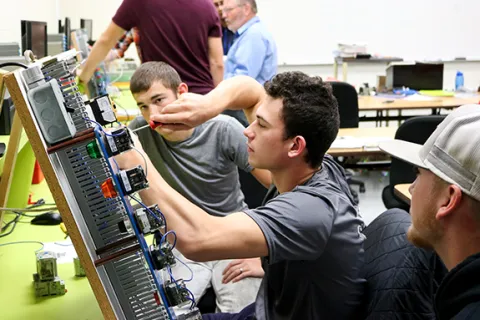
Phlebotomy is a hands-on profession that requires technical skill, attention to detail, and effective patient communication. Through laboratory activities and clinical experiences, students practice blood collection techniques, specimen handling procedures, safety protocols, and patient interactions in realistic health care environments.
These experiences help students develop the confidence and practical skills employers expect from entry-level phlebotomy professionals.
Edison State's Approach to Phlebotomy Training
Edison State offers a comprehensive Phlebotomy program that prepares students for national certification and immediate employment in west-central Ohio's health care facilities. The program combines rigorous classroom instruction with extensive hands-on clinical experience, ensuring graduates are confident and competent when they begin drawing blood from patients. Learn what to expect in a phlebotomy program to decide if it’s the right path for you.
Students interested in a broader scope can also explore Edison State's Medical Laboratory Technician program, which includes phlebotomy training as part of a more comprehensive associate degree in medical laboratory technology. This path prepares graduates for expanded roles in laboratory testing, clinical pathology, and specimen processing.
Edison State offers Prior Learning Assessment options for students who have existing health care experience. This means health care professionals who already have practical experience with patient care or specimen collection may be able to shorten their training timeline.
Flexible scheduling options, including evening and part-time formats, make the program accessible to working adults and part-time learners. Internship opportunities with local hospitals and clinics give students real-world clinical experience in a supportive environment. Edison State's Career and Job Services office connects many graduates with employment partnerships across regional health care providers, and advisors help students navigate their next steps after certification.
Take the First Step Toward a Health Care Career
Becoming a phlebotomist is one of the quickest ways to enter the health care field, offering students an opportunity to develop clinical skills and begin working in a relatively short period of time. Through classroom instruction, laboratory training, clinical experiences, and certification preparation, students can prepare for immediate employment and future educational opportunities.
Edison State’s Phlebotomy program in Piqua provides flexible and career-focused training designed to help students enter the workforce with confidence while building a foundation for continued growth within the health care field. We also offer an Associate of Science and Associate of Arts to help you explore a variety of educational and career pathways. Let us help you take the next step toward achieving your educational and professional goals with confidence.
Frequently Asked Questions
How long does phlebotomy certification take at Edison State?
Students can complete Edison State's Phlebotomy program in a single semester. The program includes classroom instruction, laboratory practice, and a clinical externship that prepares students to sit for a national certification exam. Students with prior health care experience may qualify for Prior Learning Assessment, potentially shortening their timeline.
Can I complete phlebotomy training while working full time?
Yes. Many phlebotomy certification programs offer evening, weekend, or part-time schedules to accommodate working students. Students can complete online phlebotomy programs in four to eight weeks for the didactic portion, with clinical hours scheduled around their availability. Edison State provides flexible options designed to fit working adults' schedules.
What's the difference between a certificate program and an associate degree for medical laboratory technology?
A phlebotomy certificate focuses exclusively on blood collection skills and can be completed in four to 16 weeks. An associate degree in medical laboratory technology takes approximately two years and includes phlebotomy as one component alongside broader laboratory testing, clinical pathology, and specimen processing coursework. The associate degree opens doors to more advanced health care careers.
How many clinical hours are required to become a certified phlebotomist?
Most programs require between 40 and 100 clinical hours, though requirements vary by state and certifying body. Some states require a minimum of 40 hours of clinical practice, while others require a specific number of successful blood draws.
What happens after I complete phlebotomy training?
After finishing your phlebotomy program, you'll schedule and take a national certification exam through ASCP, NHA, or NCCT. Graduates can schedule most certification exams within one to two weeks after training. Once certified, you're eligible for employment at hospitals, labs, outpatient clinics, and blood donation centers. Phlebotomist employment is projected to grow faster than average, so job prospects are strong.
How does Edison State prepare students for phlebotomy careers?
Edison State's phlebotomy program combines classroom instruction, laboratory experiences, clinical training, and certification preparation. Students build technical skills, develop workplace confidence, and gain hands-on experience that helps prepare them for entry-level employment in hospitals, clinics, laboratories, and other health care environments.