
Reasons to Choose Phlebotomy Program for a Stable and Flexible Career
A phlebotomy program offers a fast path into healthcare, combining strong job demand, flexible work schedules, and diverse employment settings. It provides practical training, career stability, and opportunities for long-term professional growth.
March 2, 2026
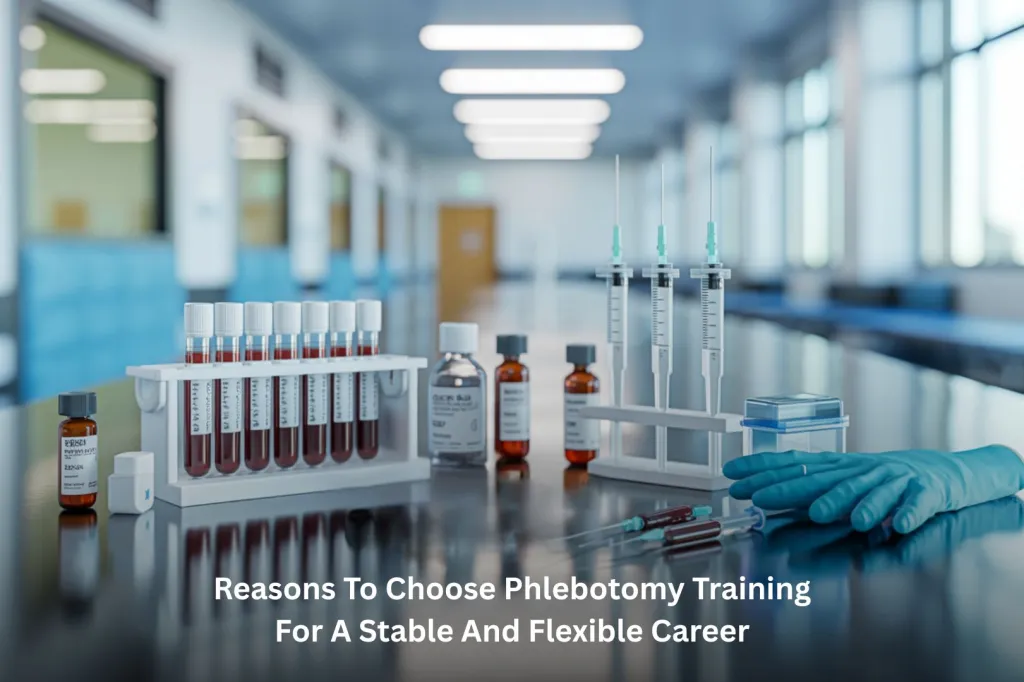
The Bureau of Labor Statistics projects phlebotomist employment to grow 6% from 2024 to 2034, faster than the average for all occupations, with approximately 18,400 job openings annually. While industries like retail and manufacturing face volatility from automation and economic uncertainty, the healthcare industry continues to offer stable career paths for those seeking meaningful work. The phlebotomy program provides an accessible entry point into the healthcare field, combining job security with the flexibility many professionals need.
This blog explores why phlebotomy programs lead to rewarding careers that balance stability with work-life flexibility. Whether you’re considering a career change or starting your healthcare journey, understanding what phlebotomy offers can help you make an informed decision about your future.
Key Takeaways
- The BSL projects phlebotomist jobs to grow faster than average, with about 18,400 annual openings nationwide.
- Training programs typically take four to twelve weeks to complete, with some fast-track options available in as few as two to four weeks.
- Flexible schedules include part-time, full-time, and varied shift options across diverse work environments.
- Ohio phlebotomists earn approximately $40,000 to $43,000 annually, with opportunities for advancement.
- The role provides meaningful patient interaction and can serve as a stepping stone to other medical careers.
Exceptional Job Security and Growing Demand
Blood tests remain fundamental to modern medicine, from diagnosing conditions to monitoring chronic diseases and preparing patients for surgery. This essential role in patient care translates directly into job security for those who become phlebotomists. Unlike positions vulnerable to outsourcing or automation, drawing blood requires human skill, precision, and meaningful patient interaction that technology cannot replicate.
The aging Baby Boomer population continues to drive demand for diagnostic services. As chronic conditions requiring regular blood samples become more prevalent, medical facilities need more certified phlebotomy technicians to meet patient needs. This high demand creates approximately 18,400 annual job openings across the country, ensuring future phlebotomists can find employment in their communities.
Health Care Industry Stability
The healthcare sector demonstrates remarkable resilience during economic downturns. While elective procedures may slow during recessions, routine diagnostics, hospital admissions, and chronic care continue regardless of economic conditions. Blood collection for diagnostic purposes is non-negotiable in modern medicine; physicians rely on accurate blood samples to make treatment decisions daily.
Ohio’s employment data reflects this stability, with phlebotomy positions showing steady growth and consistent demand across the state. For students in the Miami Valley region, this means local job opportunities in hospitals, outpatient clinics, and diagnostic laboratories that serve surrounding communities.
Unmatched Career Flexibility and Work-Life Balance
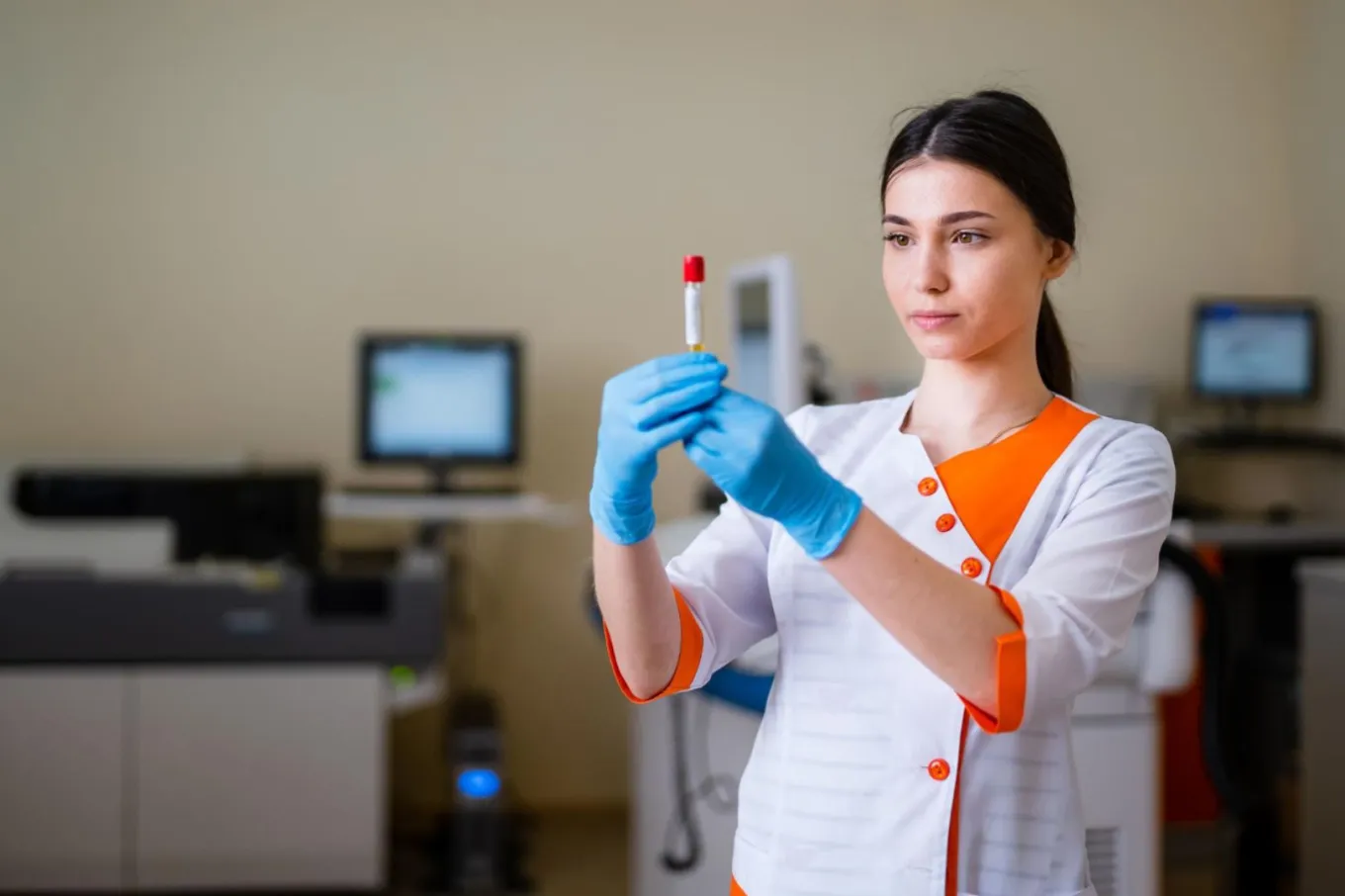
Many phlebotomists enjoy flexible schedules that accommodate personal responsibilities. Medical professionals in this field work various shift patterns—8-hour, 10-hour, or 12-hour shifts—allowing them to structure their work around family needs, education, or other commitments. Those working long shifts often enjoy three or four consecutive days off each week, creating a healthy work-life balance.
Hospitals and blood donor centers operate around the clock, meaning evening, weekend, and holiday shifts are available for those who prefer non-traditional hours. Part-time and per-diem positions provide additional flexibility for students, parents, or those pursuing further education while maintaining a steady income.
Mobile phlebotomy represents an emerging opportunity in the healthcare world. Companies now offer in-home blood draws for patients who cannot travel, seniors in assisted living facilities, and participants in clinical research trials. This growing niche allows phlebotomists to work independently, set their own routes, and enjoy variety in their daily work environments.
Diverse Work Environment Options
The phlebotomy career path offers remarkable workplace variety. Certified phlebotomists work in:
- Hospitals (emergency departments, inpatient units, laboratories)
- Outpatient clinics and medical offices
- Diagnostic labs and medical lab facilities
- Blood donation centers and blood banks
- Mobile health services
- Research institutions and pharmaceutical companies
- Public health departments
This diversity means you can transition between settings as your preferences evolve. Someone who thrives in a fast-paced hospital environment might later prefer the predictable hours of an outpatient clinic, while others may choose the autonomy of mobile phlebotomy services.
Quick and Accessible Training Path to Employment
Unlike medical careers that require years of college education, phlebotomy programs typically take four to twelve weeks to complete. Some accelerated programs offer completion in as few as two to four weeks, combining classroom instruction with hands-on experience in blood draws and patient care. This stands in stark contrast to the two to four years required for a college degree in related allied healthcare careers.
Training programs at community colleges and technical schools remain affordable, making this career path accessible regardless of financial background. Many institutions offer evening and weekend classes, allowing working adults to complete training without leaving their current jobs.
Certification requirements vary by state, but obtaining credentials through organizations like the National Healthcareer Association (NHA) or the American Society for Clinical Pathology (ASCP) significantly improves employment prospects and earning potential. These certifications demonstrate competency in safety procedures, blood collection techniques, and patient information handling.
Students with existing healthcare experience, such as nursing assistants, EMTs, or hospital aides, may qualify for Prior Learning Assessment (PLA) credit. This recognition of existing skills can reduce training time and costs, accelerating entry into the workforce.
Meaningful Work with Direct Patient Impact
Phlebotomy offers more than just a job; it provides a fulfilling career centered on saving lives and supporting patient care. Phlebotomists play a vital role in early disease detection, collecting the blood samples that enable physicians to diagnose conditions ranging from diabetes to cancer. Accurate blood samples lead to accurate diagnoses, making the phlebotomist’s skill directly relevant to patient outcomes.
Blood donations represent another avenue where phlebotomists contribute to saving lives. Working at blood donation centers, these medical professionals collect donations essential for surgeries, transfusions, trauma response, and treating chronic conditions. Each successful blood draw potentially saves multiple lives.
The critical role phlebotomists play extends to clinical research and medical trials, where properly collected specimens advance medical science. This connection to healthcare progress provides job satisfaction that transcends routine work, giving professionals a sense of purpose in their daily responsibilities.
Patient interaction skills developed through phlebotomy, communication, empathy, professionalism, and infection control create a solid foundation for those considering broader healthcare careers. Many phlebotomists describe the patient connection as the most rewarding aspect of their work.
Building a Future with Confidence
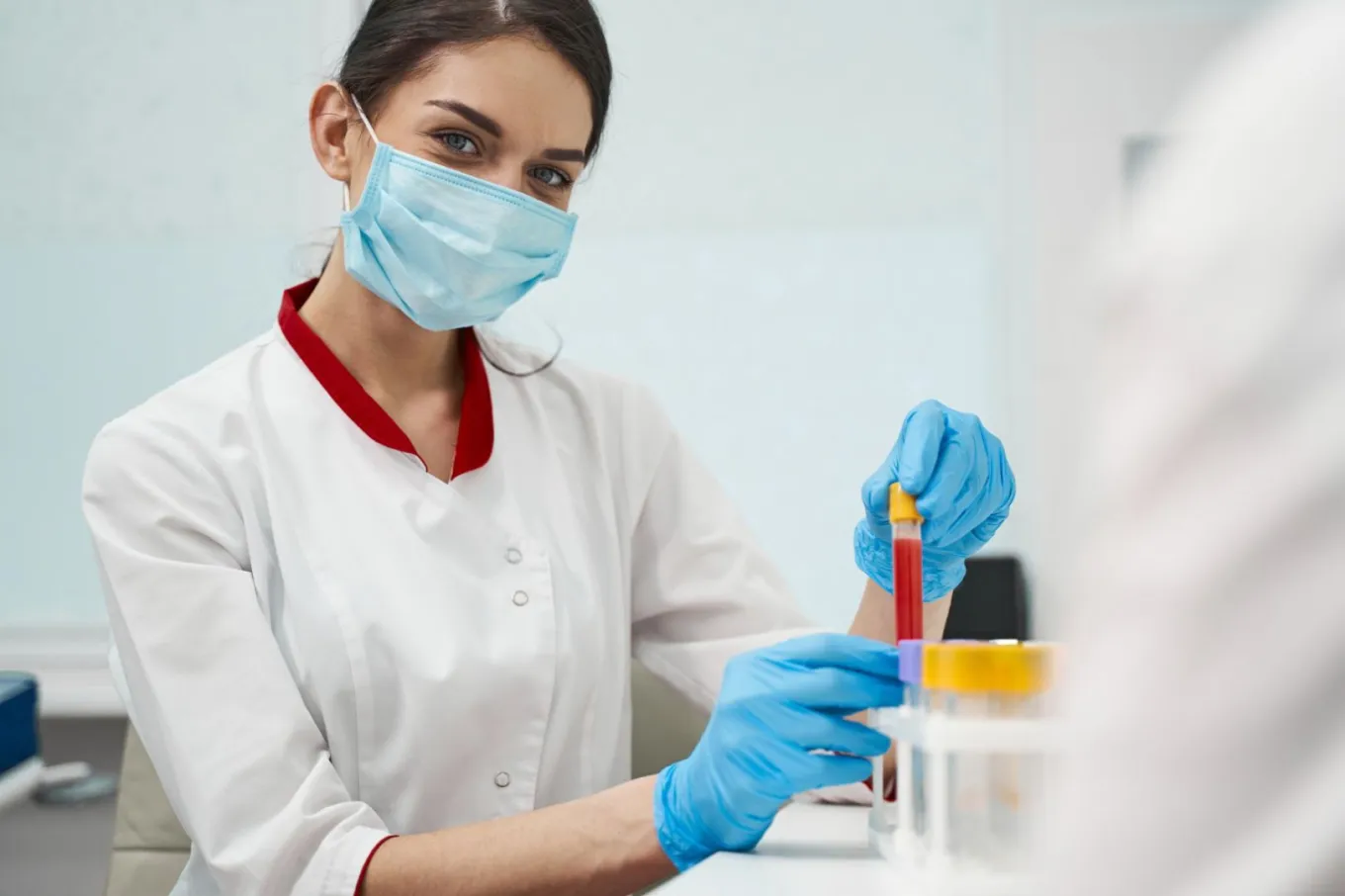
Choosing a phlebotomy program offers a reliable path toward a stable and flexible career in healthcare. With growing demand, short training periods, and diverse work settings, it provides both security and adaptability. This field allows individuals to quickly enter the workforce while maintaining opportunities for growth and long-term professional development.
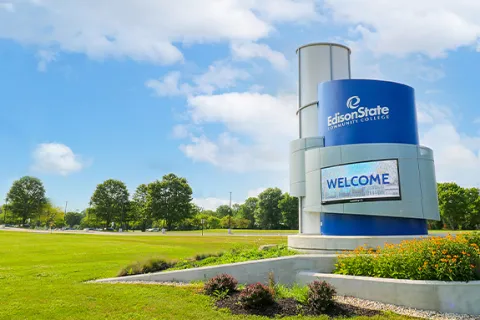
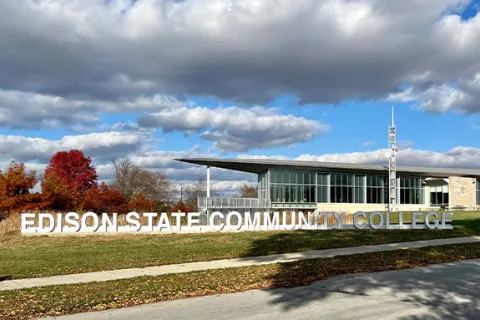
Edison State Community College offers a strong foundation through its phlebotomy program in Piqua, helping students gain practical skills for real-world success. Our health sciences programs extend into registered nursing, medical laboratory technician, respiratory care, physical therapy, and more, opening multiple career pathways. Take the next step with us and begin building a future in healthcare today.
Frequently Asked Questions
How long does phlebotomy program take to complete?
Most phlebotomy programs take four to twelve weeks, though some accelerated options can be complete in two to four weeks. Training combines classroom instruction covering safety protocols, anatomy, and patient care with clinical practice performing venipunctures and skin punctures. Some programs include externship components for additional hands-on experience in real medical facilities.
Can I work part-time as a phlebotomist?
Yes, many phlebotomists work part-time or per-diem positions. Hospitals, blood banks, outpatient clinics, and mobile phlebotomy services regularly hire part-time staff to cover varied shifts and fluctuating patient volumes. This flexibility makes phlebotomy attractive for students, parents, or those balancing multiple responsibilities while maintaining flexible hours.
What advancement opportunities are available after the phlebotomy program?
Career advancement includes supervisory positions overseeing other phlebotomists, transitioning to specimen processing roles, or becoming phlebotomy educators who train future phlebotomists. Many professionals use phlebotomy as a stepping stone to other medical professions, pursuing additional education to become a medical laboratory technician or exploring other allied healthcare careers that build on their foundational skills.
Do I need prior healthcare experience to start the phlebotomy program?
No prior healthcare experience is required for most phlebotomy programs. Entry requirements typically include a high school diploma or equivalent, a background check, current immunizations, and sometimes a drug screening. The training provides all the necessary knowledge and hands-on experience to become a certified phlebotomist, making this an accessible entry point into the healthcare world.
Where can phlebotomists work besides hospitals?
Phlebotomists find employment across diverse settings, including diagnostic labs, blood donation centers, outpatient clinics, medical offices, research institutions, and mobile health services. Emerging opportunities include home health agencies performing in-home blood draws, pharmaceutical companies conducting clinical trials, and public health departments serving community needs, offering variety for those seeking different work environments throughout their career.