What to Expect in a Phlebotomy Program?
Success in the phlebotomy program depends on building strong blood collection skills, patient communication, and safety awareness. Learners can expect hands-on practice, infection control training, and professional guidance to prepare for real clinical settings and certification success.
January 5, 2026
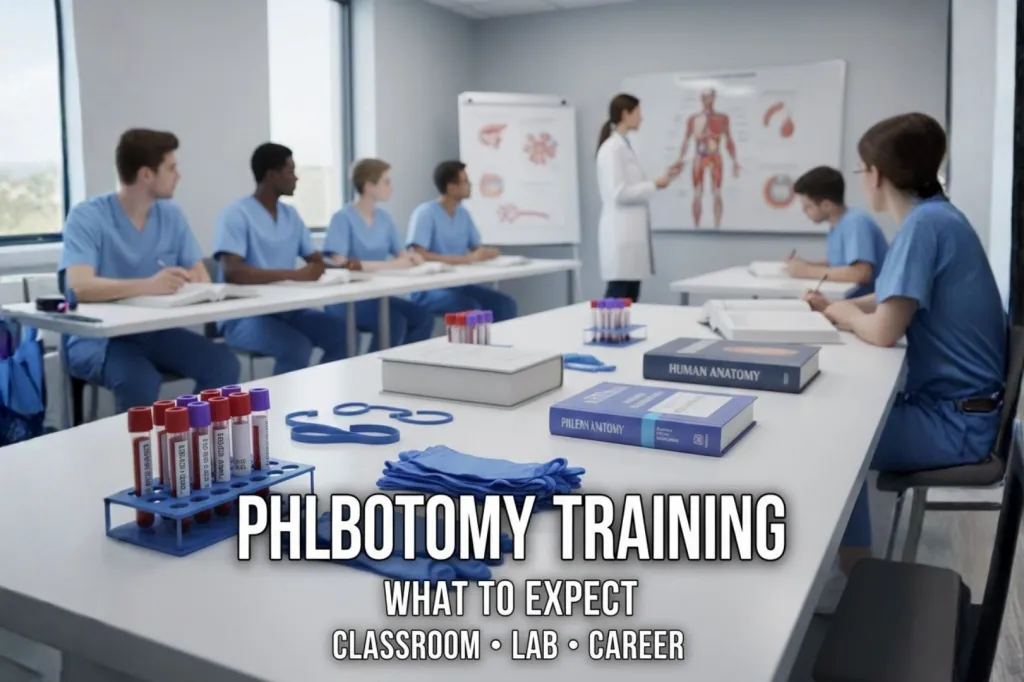
Phlebotomy is an essential health care skill that supports accurate testing, diagnosis, and patient care. Training in this field combines classroom learning with hands-on practice to build both confidence and technical ability. Students learn how to work safely, follow medical standards, and interact professionally with patients. A structured program also prepares learners for real clinical settings and career opportunities. In this blog, we’ll explain what a phlebotomy program involves and what you can expect from start to finish.
Key Takeaways
- Most phlebotomy programs combine classroom lectures, hands-on practice in skills labs, and a clinical externship. Students can typically complete their program in less than a year.
- You’ll learn essential skills including venipuncture, capillary draws (fingersticks), patient communication, infection control protocols, and proper specimen handling techniques.
- The program prepares students for national certification exams, such as the one through the American Society for Clinical Pathology (ASCP), and opens doors to entry-level positions in hospitals, laboratories, and clinics.
- No prior medical experience is typically required; most programs only ask for a high school diploma or GED, making this an accessible pathway into the health care industry.
- Completing an accredited phlebotomy program and earning certification significantly improves your hiring prospects and sets the foundation for long-term career opportunities.
What a Phlebotomy Program Really Looks Like
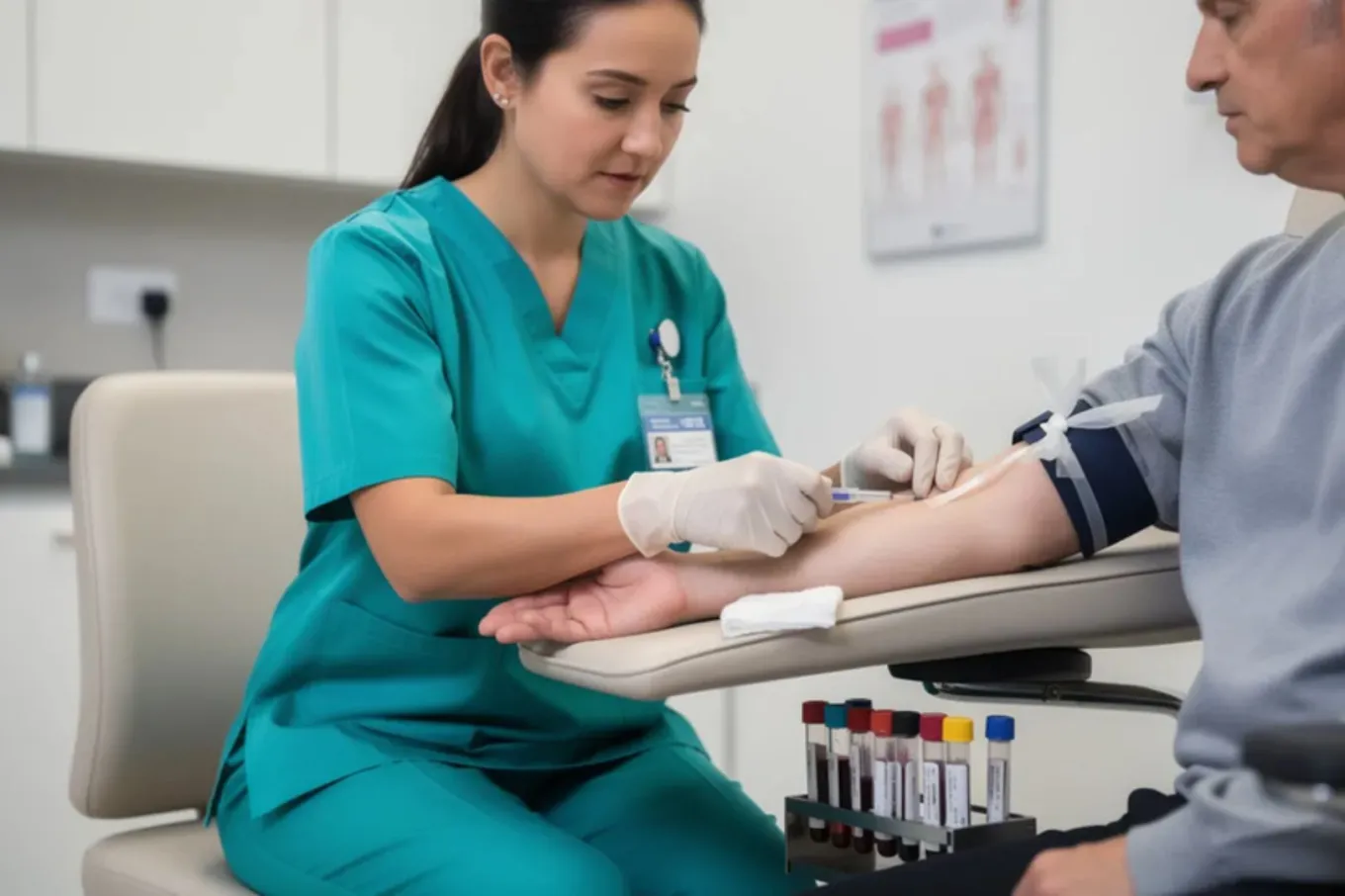
The phlebotomy program is designed for individuals who want to enter the medical field quickly and start making a difference in patient care. Whether you’re a recent graduate, a career changer, or someone exploring health care fields for the first time, these programs prepare students to become skilled phlebotomy technicians capable of safely collecting blood samples for diagnostic testing.
Programs take you from zero experience to job-ready status through a carefully designed progression. You’ll move through lecture-based theory that builds your foundational knowledge, supervised skills labs where you practice drawing blood, and a clinical internship where you work alongside experienced professionals.
The time frame for completing training can vary depending on your chosen program format. Many certificate programs run approximately four to twelve weeks for full-time students, while part-time or evening options may require several additional months. Some community college programs that combine phlebotomy with broader medical laboratory technology courses may take longer. Regardless of the format, graduates typically qualify for national certification exams and become eligible for entry-level employment in hospitals, outpatient clinics, diagnostic laboratories, and blood donation centers.
Core Components of a Phlebotomy Program
A quality phlebotomy program includes several interconnected components that work together to build your competence and confidence. Here’s what you can expect:
- Classroom/Lecture Instruction: Covers the theoretical foundation, including human anatomy, circulatory system physiology, safety protocols, and the science behind blood collection and laboratory testing.
- Skills Labs: Provide hands-on training where you practice blood draws on training devices first, then progress to supervised practice on classmates or volunteers.
- Clinical Internship: Places you in health care settings such as hospitals, outpatient laboratories, or blood donation centers to gain practical experience.
- Additional Requirements: Some schools include CPR/BLS certification (often from the American Heart Association or American Red Cross), basic computer and electronic health records orientation, or professionalism workshops as part of their curriculum.
What You Learn in the Classroom
Classroom instruction provides the foundational knowledge you need to perform safe, accurate blood collection. Before you ever touch a needle, you’ll build an understanding of why procedures are done the way they are and what can go wrong if shortcuts are taken.
Topics covered typically include:
|
Topic Area |
What You’ll Learn |
|
Anatomy & Physiology |
The circulatory system, major veins used for venipuncture (median cubital, cephalic, basilic), and how blood flows through the body |
|
Medical Terminology |
Phlebotomy-specific terms, laboratory test abbreviations, and common medical vocabulary you’ll encounter on the job |
|
Infection Control |
OSHA blood-borne pathogen standards, universal precautions, proper personal protective equipment (PPE) use, and protocols to prevent contamination |
|
Specimen Requirements |
Tube colors and their additives, the critical order of draw, proper labeling, and test requisition forms |
|
Professional Ethics |
HIPAA privacy rules, patient confidentiality, informed consent, and working with diverse and vulnerable patient populations |
|
Safety Protocols |
Sharps disposal, needlestick injury prevention, and responding to complications like hematomas or nerve injuries |
Classroom content often spans 40 to 88 hours total, divided into basic and advanced modules. You’ll start with foundational topics like infection control and patient identification before moving into more complex areas like anti-coagulation theory and preanalytical error prevention.
Hands-On Laboratory Training: Practicing Your Skills
Skills labs are where you turn theory into real, repeatable abilities with close instructor guidance. This is the training that builds the muscle memory and confidence you’ll rely on when working with future patients.
Training typically follows a progressive approach:
- Practice on Training Devices: You’ll start with artificial training arms that simulate human veins, allowing you to practice needle insertion, tourniquet application, and tube changes without pressure.
- Live Practice: Once you’ve demonstrated basic competency, you’ll progress to performing draws on classmates or volunteers under direct supervision.
- Skill Refinement: Instructors provide immediate feedback to help you refine your technique before moving to clinical settings.
Specific skills you’ll develop include:
- Applying tourniquets correctly to make veins more visible and accessible
- Selecting appropriate needles and equipment for different patients and draw types
- Performing venipuncture using proper technique to minimize patient discomfort
- Conducting capillary collection (fingerstick for adults, heel stick for infants)
- Using collection tubes in the correct order of draw to avoid cross-contamination from additives
- Labeling specimens accurately with patient information
- Inverting tubes properly and managing samples to prevent hemolysis or contamination
Laboratory sessions also focus heavily on patient interaction skills. You’ll learn how to explain procedures clearly, help patients feel comfortable, and manage anxious or needle-phobic individuals with empathy and professionalism. Instructors closely monitor your technique, safety practices, and professional demeanor, often requiring you to complete a minimum number of successful draws before advancing.
Clinical Internship: Real-World Phlebotomy Experience
The clinical internship bridges the gap between what you learn in the classroom and what you’ll do as an employed phlebotomist. This is where everything comes together in a real health care environment.
Typical Placement Sites:
- Hospital laboratories
- Outpatient draw stations
- Physician offices and outpatient clinics
- Blood donation centers
- Nursing homes and long-term care facilities
Hour requirements vary depending on your state and school. Many programs mandate 40 to 120 supervised clinical hours, along with a set number of successful venipunctures (100 required) and capillary draws (typically 10). During this time, you’ll work under licensed or experienced phlebotomists, following clinic schedules and workflows.
The internship experience helps you:
- Build confidence in your abilities through repetition
- Develop speed and accuracy that come only with practice
- Experience different patient types, from pediatric to geriatric cases
- Learn to handle difficult veins and unexpected complications
- Understand how phlebotomists work within larger health care teams
- Practice routine blood draws in a variety of settings
Preparing for National Certification and Licensure
Many employers in the health care industry prefer or require nationally certified phlebotomy technicians. Earning your phlebotomy certification demonstrates you’ve met standardized competency requirements and are prepared for professional practice.
Common Certifying Organizations:
|
Organization |
Credential |
|
National Healthcareer Association (NHA) |
Certified Phlebotomy Technician (CPT) |
|
American Medical Technologists |
Registered Phlebotomy Technician (RPT) |
|
ASCP Board of Certification |
Phlebotomy Technician (PBT) |
|
National Center for Competency Testing (NCCT) |
Nationally Certified Phlebotomy Technician (NCPT) |
The certification process typically requires:
- Being at least 18 years old
- Holding a high school diploma or GED
- Completing an approved training program
- Meeting clinical experience minimums
Our phlebotomy curriculum is intentionally aligned with the content outline of the American Society for Clinical Pathology (ASCP) Board of Certification Phlebotomy Technician (PBT) exam—the credential our graduates are prepared to earn. The ASCP exam evaluates competency in areas such as patient identification and safety, specimen collection and handling, infection control, waived and point-of-care testing, and professionalism within the clinical laboratory.
Coursework and clinical experiences are designed to directly support mastery of these domains. Students also receive focused exam preparation, including structured review sessions and practice materials. This intentional alignment contributes to our strong ASCP certification pass rates and ensures graduates are workforce-ready from day one.
Throughout your course, expect regular assessments, including:
- Written quizzes on theory and procedures
- Skills check-offs to verify competency
- Practical exams demonstrating proper technique
- A final exam before internship placement (many programs require a grade of “C” or better)
Consistent attendance is essential. Most programs have strict policies due to the hands-on nature of the training; you simply can’t learn to collect blood without being present for practice sessions.
Skills and Qualities You’ll Develop
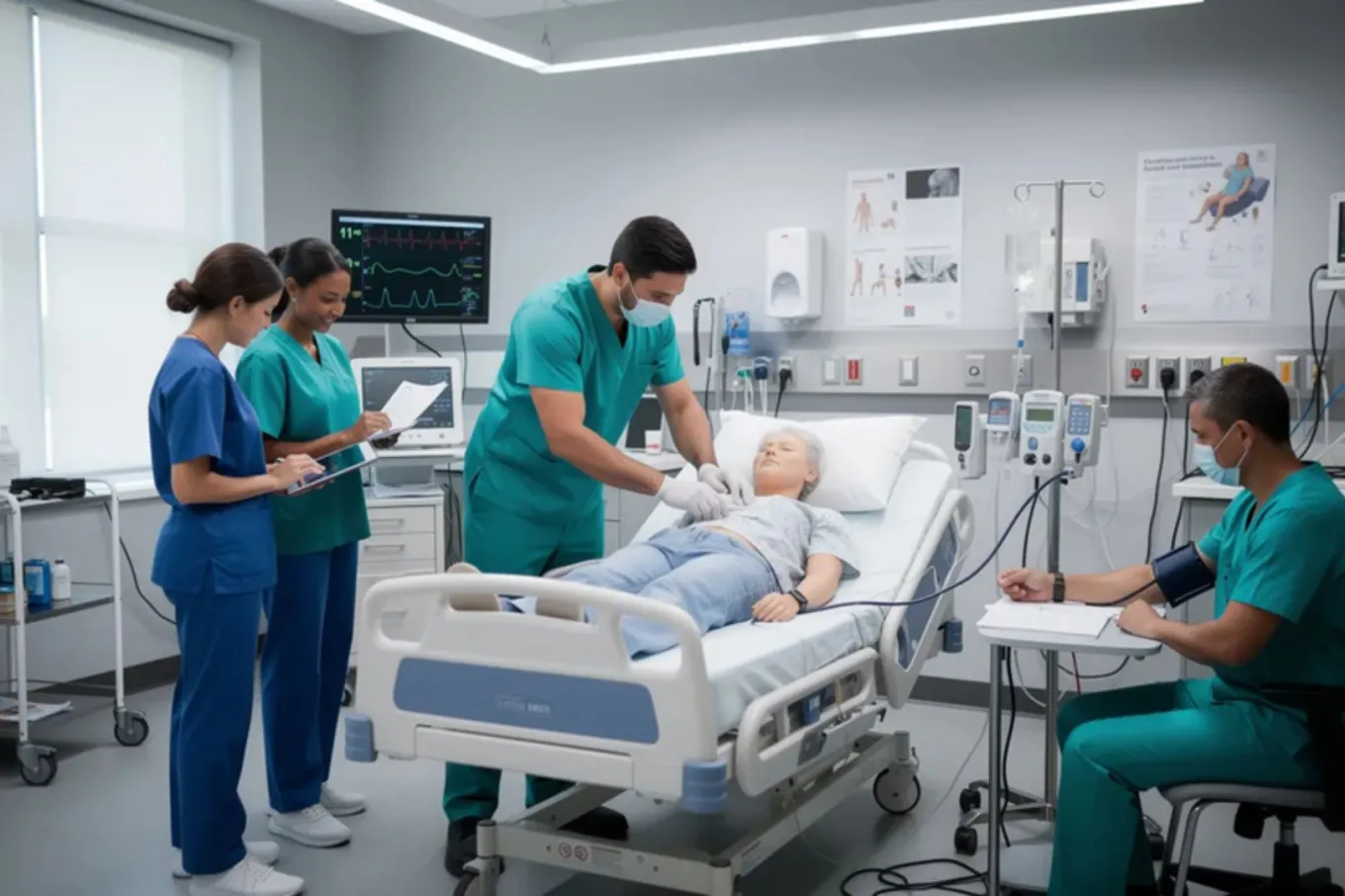
The phlebotomy program builds both technical abilities and interpersonal skills that are valuable across many health care roles. You’ll graduate with a well-rounded skill set that prepares you for the realities of patient care.
Technical Skills:
- Accurate venipuncture technique for various vein sizes and locations
- Capillary collection for fingerstick and heel-stick procedures
- Specimen processing basics, including proper handling, labeling, and transport
- Strict adherence to safety and infection control procedures
- Understanding of clinical pathology principles and how specimens support diagnosis
Soft Skills:
- Clear communication skills for explaining procedures to patients
- Empathy and patience when working with anxious, elderly, or pediatric patients
- A customer-service mindset that helps patients feel comfortable and cared for
- The ability to remain calm under pressure, even with difficult sticks
Professional Qualities:
- Time management and multitasking abilities for busy clinic environments
- Punctuality and reliability that employers value
- Professional appearance and demeanor
- Respectful interaction with diverse patients and health care team members
- Attention to detail that prevents errors in patient information and specimen handling
These practical skills translate directly to workplace success and can also serve as a foundation if you choose to pursue additional health care credentials in the future.
Career Paths After Completing a Phlebotomy Program
Completing a phlebotomy program opens doors to immediate employment and long-term career growth. Phlebotomy plays a crucial role in health care; nearly every diagnosis relies on laboratory testing, and someone needs to collect those blood samples.
Entry-Level Positions:
- Hospital phlebotomist
- Outpatient laboratory technician
- Blood donation center phlebotomist
- Mobile phlebotomy services
- Physician office laboratory assistant
Specialized Directions (with Experience):
- Pediatric phlebotomy
- Geriatric care settings
- Research and clinical trial support
- Lead phlebotomist or supervisor roles
According to labor statistics, the median salary for phlebotomists is approximately $50,470, with career opportunities expected to remain strong due to aging populations and expanded diagnostic testing needs.
Phlebotomy can also serve as a stepping stone toward broader careers in the medical field. Many certified phlebotomists pursue additional education to become:
- Medical assistants
- Medical laboratory technicians
- Registered nurses
- Other allied health professionals
Consider cross-training opportunities such as medical assisting to expand your job options and earning potential. The knowledge and patient interaction experience you gain in phlebotomy provides an excellent foundation for growth throughout the health care industry.
How to Choose the Right Phlebotomy Program
Selecting the right program is an important decision that affects your preparation, certification eligibility, and job prospects. Take time to compare options carefully before enrolling.
Key Factors to Evaluate:
|
Factor |
Questions to Ask |
|
Accreditation/Approval |
Is the program accredited or approved by your state? This matters especially in states with licensure regulations. |
|
Curriculum Content |
How many hours of lecture, laboratory, and internship are included? Does it meet certification exam requirements? |
|
Schedule Options |
Are classes offered during days, evenings, or weekends? Does this fit your life? |
|
Clinical Sites |
Where are internship placements located? Are sites reliably available? |
|
Instructor Experience |
Do instructors have real-world phlebotomy experience? |
|
Outcomes |
What are the program’s certification exam pass rates? Do they offer job placement support? |
Practical Considerations:
- Understand all costs upfront, including tuition, books, uniforms, background checks, drug testing, and immunization requirements
- Ask whether CPR certification and certification exam fees are included or additional
- Verify that the program meets your state’s specific licensing requirements, if applicable
- Consider the reputation of the school and feedback from graduates
Many programs report strong outcomes. Some achieve 91% or higher pass rates on national exams, so asking about these statistics can help you identify programs that truly prepare students for success.
Preparing for a Successful Phlebotomy Career
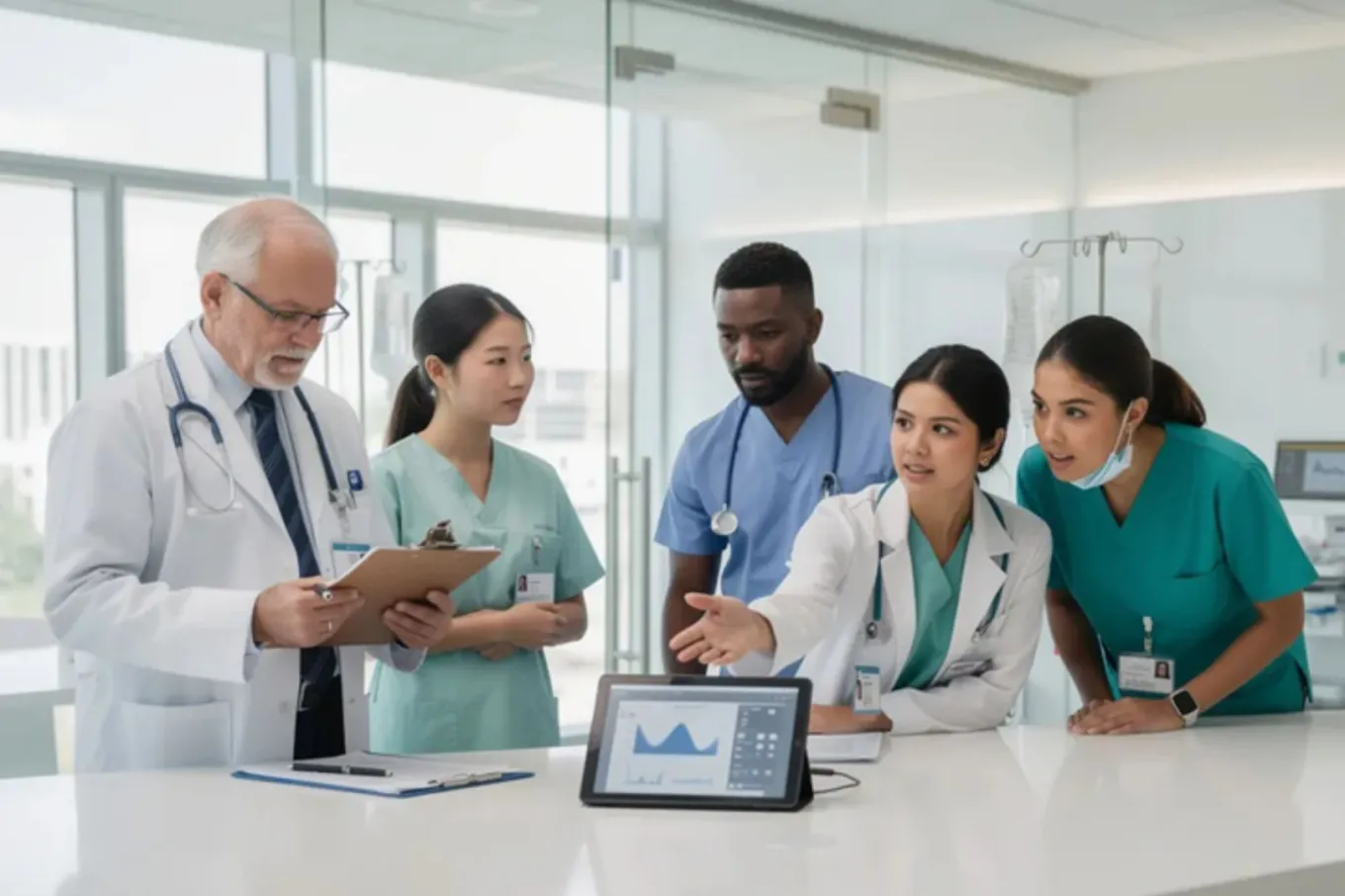
Phlebotomy certification prepares students with the knowledge and hands-on skills needed to safely collect blood samples, follow lab protocols, and provide professional patient care. From classroom learning to clinical experience, learners can expect structured instruction, practical practice, and career-focused preparation for entry-level health care roles.
Edison State Community College offers a phlebotomy program in Piqua with career-ready training designed to build real clinical confidence and job-ready skills. We also provide other pathways in health sciences, including registered nursing, medical laboratory technician, and respiratory care. Request information today and take the next step toward your future in health care.
Frequently Asked Questions
How long does a phlebotomy program usually take, and can I work while I’m in the program?
Most phlebotomy certificate programs take less than a year for full-time students. Part-time or evening schedules may extend training. Many students work while enrolled, but strict attendance for labs and clinical sessions can make balancing work difficult.
Do I need previous medical experience to enroll in the phlebotomy program?
No, most phlebotomy programs are designed for beginners and do not require prior medical experience. Common prerequisites include a high school diploma or GED, being at least 18 years old, completing a background check, and sometimes holding CPR certification, depending on program requirements.
Is phlebotomy certification hard, and which parts do students typically find most challenging?
The phlebotomy program can feel challenging at first, especially learning venipuncture technique and finding veins consistently. Students also often struggle with memorizing tube colors, the order of draw, and safety procedures. With repeated lab practice, clinical experience, and steady studying, confidence improves quickly.
Will completing training guarantee me a job as a phlebotomist?
Completing training does not guarantee a job, but it greatly strengthens your chances of being hired. Graduates who earn national certification and complete supervised clinical experience are often preferred by employers. Programs with exam preparation, strong instruction, and job placement guidance can improve outcomes further.
Can phlebotomy be a long-term career, or is it mainly a stepping stone?
Phlebotomy can be both a long-term career and a valuable stepping stone. Many professionals stay in the field and advance into lead or supervisory roles. Others use the experience to move into nursing, medical assisting, laboratory technology, or other health care training programs.