





Is Phlebotomy a Good Career?
Phlebotomy is a rewarding health care career that offers quick entry into the medical field, strong job security, and meaningful patient interaction. With short training programs and growing demand, it’s an excellent choice for those seeking stability, hands-on care, and a pathway to future health care opportunities.
September 29, 2025
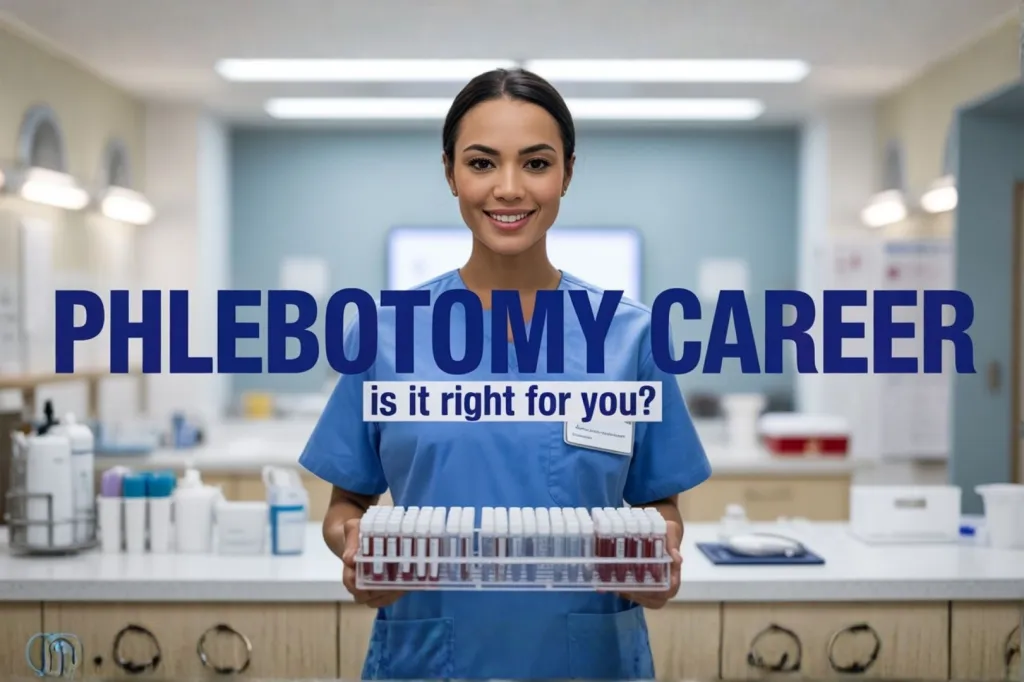
Choosing the right career in health care can be both exciting and overwhelming, especially with so many paths available. One option that continues to grow in demand is phlebotomy, a specialized field of collecting blood and other biological samples to help determine proper patient diagnosis and care. Phlebotomy offers a unique opportunity to enter the medical field quickly while playing a vital role in a patient’s overall care.
Explore whether phlebotomy is a good career choice for you below. We’ll cover its key benefits, potential challenges, required skills, and training options. Whether you’re just starting your career journey or looking to transition into health care, this guide will help you decide whether phlebotomy aligns with your goals and interests.
Key Takeaways
- Phlebotomy technicians are essential health care professionals responsible for collecting blood samples, which play a critical role in diagnostics and patient care.
- The career offers rapid entry into the health care field with minimal education, strong job security due to increasing demand, and rewarding patient interaction.
- Challenges include physical and emotional demands, limited career advancement without further training, and the need for effective communication skills to manage patient anxiety.
What Does a Phlebotomy Technician Do?
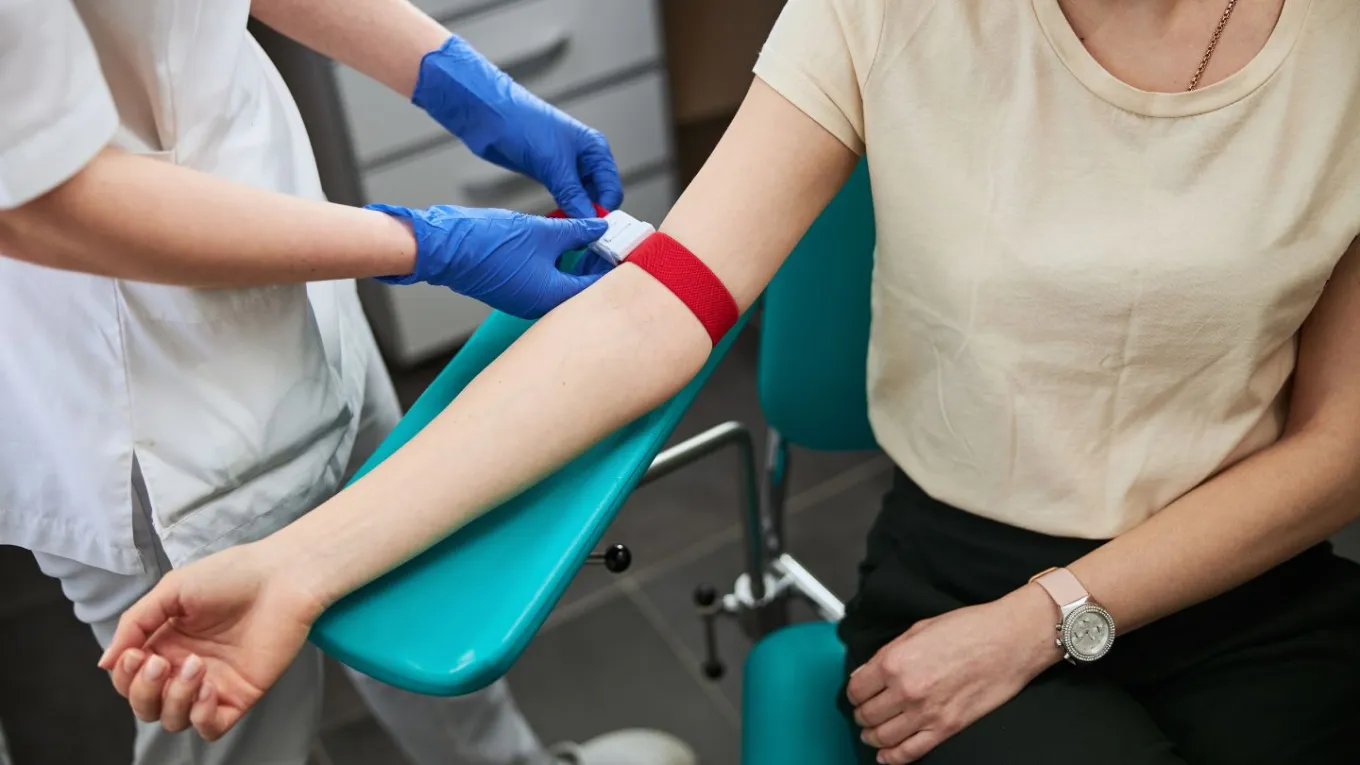
Phlebotomy technicians play a crucial role in the health care industry and are primarily responsible for collecting blood and other biological samples from patients, ensuring samples are properly labeled and prepared for laboratory analysis. These technicians work in a variety of settings, including hospitals, clinics, medical laboratories, blood donation centers, and doctors’ offices, offering diverse job opportunities within the medical field.
Their work is not only essential for routine blood testing and early health issue detection but also supports critical research efforts and life-saving blood donations. Staying updated with medical technologies and understanding the various factors that influence blood analysis results and laboratory testing are essential components of the role.
Phlebotomists work alongside other health sciences professionals, gaining valuable insight into how different medical disciplines operate together to support patient care. Whether in nursing homes or research institutes, phlebotomy technicians contribute significantly to the healthcare system.
Day-to-Day Responsibilities
The day-to-day duties of phlebotomists are varied and require a high level of attention to detail and patient care. Their primary tasks include:
- Drawing blood for testing and collecting tissue samples
- Ensuring patient comfort during the procedure
- Accurately labeling samples for laboratory analysis
- Following strict safety procedures to avoid exposure to contaminants like blood and other bodily fluids
- Explaining the procedure to patients to reassure those who may be anxious about the process
The role can be physically demanding, requiring phlebotomists to spend long periods on their feet and handle various activities throughout the day. They must be detail-oriented to prevent mislabeling transport samples, which is critical for timely patient treatment.
The job also demands significant manual dexterity and the ability to troubleshoot and maintain records related to blood draws. Balancing these responsibilities with effective communication and empathy is essential for success in this crucial health care role.
Many phlebotomists also collaborate with medical laboratory technicians to ensure accurate test results and efficient sample processing—showcasing how teamwork enhances health care delivery.
Pros of a Phlebotomy Career
A career as a phlebotomist offers numerous advantages, making it an attractive option for those looking to enter the health care field. Key benefits include:
- The ability to start working with minimal education and training
- Job security due to a rising demand for phlebotomists
- Opportunities to work in various medical settings
Additionally, the role allows for flexible work schedules, which can help phlebotomists maintain a good work-life balance. The job is also inherently rewarding, as phlebotomists can make a profound impact on patients’ lives by aiding in accurate diagnoses and providing comfort during procedures.
Quick Entry with Minimal Education
One of the most appealing aspects of a phlebotomy career is the relatively quick and straightforward entry into the field. Key points include:
- Most phlebotomy training programs can be completed in as little as four to eight months.
- These short training programs are often available at technical schools and community colleges.
- The programs enable aspiring phlebotomists to enter the workforce quickly.
This minimal education and training requirement makes phlebotomy an accessible career path for many individuals. It’s an excellent option for those who are eager to start working in a fast-paced environment without the need for extensive further education.
Quick entry into the health care field allows individuals to gain valuable experience and begin making a difference in patients’ lives sooner. For many, it also serves as a foundation for pursuing advanced health care roles, such as medical laboratory technician or other clinical specialties.
Job Security and Positive Job Outlook
The health care industry is one of the fastest-growing sectors, and the demand for skilled phlebotomists is steadily increasing. According to the Bureau of Labor Statistics, the employment growth rate for phlebotomists is projected to be 10% through 2031, underscoring the strong job prospects in the field. This growth is driven by the ongoing need for blood tests and other diagnostic procedures, as well as the expanding health care needs of an aging population.
With employment opportunities available in various health care settings, such as hospitals, clinics, and diagnostic laboratories, phlebotomists can enjoy stable job security. This stability, combined with the potential for career growth and advancement, makes phlebotomy an appealing career choice for many.
The positive job outlook and strong demand ensure that phlebotomists will continue to be an integral part of the health care industry. Many professionals use their experience to transition into clinical laboratory assistant or medical laboratory technician programs to advance their health care careers.
Rewarding Patient Care Experience
One of the most fulfilling aspects of a phlebotomy career is the direct patient care experience it offers. Phlebotomists regularly interact with patients, providing comfort and support during the blood-drawing process. These interactions can significantly enhance job satisfaction, as phlebotomists play a crucial role in helping patients feel at ease and ensuring accurate medical diagnosis and care.
Effective communication is essential for phlebotomists to explain procedures and reassure patients who may be anxious or fearful about blood tests. This ability to make a positive impact on patients’ lives is a key reason many find phlebotomy to be a rewarding career.
Whether working in hospitals, clinics, or blood donation centers, phlebotomists contribute to the overall well-being of patients. Many later pursue advanced degrees, such as medical laboratory technician, registered nursing and RN to BSN completion programs, expanding their clinical knowledge and patient care capabilities.
Cons of a Phlebotomy Career
While a career in phlebotomy has many advantages, it’s important to consider the challenges as well. New phlebotomists often find it difficult to adapt to the fast-paced environment of health care clinics, which requires strong time management skills. Additionally, the lack of experience can impact their confidence and ability to connect with patients.
Another common challenge is dealing with difficult patients and managing the fear of needles, both of which require patience and effective communication skills.
Physical and Emotional Demands
The physical demands of a phlebotomy career can be quite intense.
- Phlebotomists spend a significant amount of time on their feet.
- They often work long shifts ranging from eight to 12 hours.
- This level of physical activity can be taxing, leading to fatigue and lower job satisfaction over time.
However, the benefit of longer shifts is the potential for more days off, which can help balance the physical demands.
Emotionally, phlebotomists must maintain resilience to handle challenging patient interactions. Many patients may arrive feeling anxious, angry, or scared about blood tests, adding to the emotional strain of the job. Effective communication and empathy are crucial for phlebotomists to manage these situations and provide the necessary comfort and reassurance to patients.
Limited Career Advancement
A significant drawback of a phlebotomy career is the limited opportunities for advancement without further education. To move up in the health care field, phlebotomists often need to pursue additional certifications or degrees. This requirement can be a barrier for those looking for quick career growth.
However, with further education and training, phlebotomists can expand their skill sets and access more advanced health care roles. While the initial career path may be limited, the potential for growth exists for those willing to invest in further education and certifications. This additional training can lead to more rewarding career opportunities within the health care industry.
Importance of Certification and Training

Certification and training are crucial components of a successful phlebotomy career. Becoming certified signifies that a phlebotomist has completed formal training and is ready to handle the responsibilities of the job. Certification also offers several benefits, including the potential for higher salaries, more job choices, and better qualifications.
Phlebotomy also serves as a foundational role that can lead to advanced positions in health care with additional training.
Certification Programs
Phlebotomy certification programs are designed to equip aspiring phlebotomists with the necessary skills and knowledge. Key points include:
- To start a career in phlebotomy, one typically needs a high school diploma or GED and to complete a phlebotomy training program.
- Training programs often last from a few weeks to a year, depending on the intensity and structure.
- Programs may include day, afternoon, and night classes to accommodate various schedules.
Certification programs cover essential skills such as:
- Collecting blood
- Maintaining sterile environments
- Patient communication
- Safety protocols
Internship opportunities, often offered through local clinics or included in training programs, provide practical experience for phlebotomy students.
The skills acquired while completing this program are essential for enhancing job prospects and meeting certification exam standards.
Continuous Learning and Development
Continuous learning and development are vital for phlebotomists to keep up with evolving practices and technologies. Pursuing further education can lead to increased job opportunities, higher salaries, and greater professional fulfillment. This not only ensures phlebotomists remain competent in their roles but also provides a solid foundation for career growth and advancement within the health care industry.
Real-Life Experiences from Phlebotomists
Hearing from those who have walked the path can provide invaluable insights. Many phlebotomists share that their careers are both challenging and rewarding. Common career paths after being a phlebotomist include becoming a medical laboratory technician, nurse, or pursuing other allied health careers. These transitions are possible due to the solid foundation in health care that phlebotomy provides.
Real-life experiences highlight the diversity of work environments phlebotomists encounter, from hospitals to blood donor centers, and the variety of skills they develop. These stories often emphasize the importance of continuous learning and the personal satisfaction derived from patient interactions and contributions to medical research.
Is Phlebotomy the Right Career for You?
Deciding whether phlebotomy is the right career involves considering several factors:
- Individuals intrigued by the medical field may find a career in phlebotomy suitable, regardless of their plans for advanced roles.
- Minimal schooling is required, making it accessible for many.
- Phlebotomy offers flexible work schedules, which can lead to an improved work-life balance.
When evaluating whether this career is the right choice for you, consider:
- Personal interests
- Financial needs
- Scheduling preferences
- Long-term goals
Phlebotomy can be a stepping stone to other medical careers or a fulfilling long-term profession in itself.
Personal Traits and Skills
Certain personal traits and skills may indicate suitability for a phlebotomy career:
- A genuine passion for continuous learning
- The ability to handle stress
- Thriving in a fast-paced environment
- Fine motor skills
- Effective communication to soothe patients
- Strong attention to detail to prevent errors in handling blood samples
Interpersonal skills are crucial, as phlebotomists often explain procedures and comfort patients who may be anxious about blood draws. Taking vital signs such as blood pressure and pulse before drawing blood ensures patient safety and demonstrates a phlebotomist’s comprehensive skill set.
Final Thoughts
A career in phlebotomy offers a fast and accessible entry point into the medical field, combining strong job security, rewarding patient interaction, and meaningful contributions to patient care. With minimal education requirements and short training programs, phlebotomy allows aspiring professionals to quickly begin working in hospitals, clinics, or laboratories. While the role brings challenges such as physical demands and limited advancement without additional education, it remains an excellent choice for those who value hands-on patient care and stability in their career path.
At Edison State Community College, our phlebotomy program is designed to equip students with the skills, confidence, and clinical experience needed to succeed. Through hands-on training and expert instruction, students gain the practical knowledge required to excel as phlebotomy technicians and open doors to future opportunities in health care. The phlebotomy program can be completed at Edison State’s Piqua or Troy campus.
Frequently Asked Questions
What type of education is required to become a phlebotomist?
To become a phlebotomist, a high school diploma or GED is required, along with the completion of a phlebotomy training program that typically ranges from a few weeks to a year.
What are the primary responsibilities of a phlebotomy technician?
The primary responsibilities of a phlebotomy technician include drawing blood, collecting tissue samples, ensuring patient comfort, and preparing samples for laboratory analysis. These duties are crucial for accurate diagnosis and treatment.
What are the job prospects for phlebotomists?
The job prospects for phlebotomists are promising, with a projected employment growth rate of 10% through 2031, driven by an expanding health care sector and a consistent demand for blood tests and diagnostic procedures. This growth indicates a stable and increasing need for skilled phlebotomists in the workforce.
Are there opportunities for career advancement in phlebotomy?
Yes, especially if one pursues additional certifications and degrees, which can open doors to more advanced roles in health care.
What are some common career paths after being a phlebotomist?
Transitioning from a phlebotomist can lead to various career opportunities, such as becoming a medical laboratory technician or nurse, as you build upon the foundational skills acquired in phlebotomy.