







Why Community College Might Be the Best Option for Your Education
Community college offers an affordable, flexible path to higher education with personalized support, career-focused programs, and seamless transfer options, helping students build strong foundations for academic success and rewarding careers.
October 13, 2025

Choosing the right path for your education is one of the most important decisions you’ll ever make, and for many students, community college offers the perfect balance of affordability, flexibility, and opportunity. Whether you’re a recent high school graduate, a working professional looking to advance your career, or someone exploring new academic interests, community colleges provide a supportive and cost-effective way to achieve your goals.
Explore below why community college might be the best option for your education. From lower tuition costs and smaller class sizes to flexible schedules and seamless transfer pathways to four-year universities, you’ll discover how community colleges empower students to build a strong foundation for success.
Key Takeaways
- Community colleges offer an affordable education with significantly lower tuition costs than typical four-year universities.
- Flexible scheduling options at community colleges, including evening and online classes, cater to students balancing work and personal responsibilities, enhancing accessibility.
- Smaller class sizes in community colleges allow for personalized attention from instructors, fostering better engagement and interaction, which can lead to improved academic performance.
Affordable Education
One of the most compelling reasons to consider attending a community college is the significant cost savings. The average annual tuition for community colleges varies, but is typically about one-third the cost of in-state university tuition at four-year public universities. This lower cost can make higher education more accessible, allowing you to pursue your academic goals without the financial strain that often accompanies a four-year college or university.
Attending a community college can also help you save money and minimize student loan debt. Lower tuition costs reduce the need for loans, allowing you to manage your financial obligations more effectively. In the long run, this means less debt and a more secure financial future.
Starting at a community college allows you to explore different academic interests without a heavy financial burden, making it worth considering for many.
Flexible Scheduling Options
Flexibility is another hallmark of community colleges, making them a smart option for those with busy lives. Many community college students can work part-time thanks to flexible scheduling that supports both education and income. This flexibility allows you to balance your studies with work and personal responsibilities, making it easier to achieve your academic and career goals.
Community colleges often offer evening and weekend classes to accommodate students with daytime commitments, as well as online courses. Hybrid classes that combine online and in-person learning are also available, offering the best of both worlds. This blended approach provides the flexibility of online learning with the personal interaction of traditional classes.
Whether you’re a working adult, a parent, or someone with other obligations, these flexible scheduling options can make it possible to pursue a degree without disrupting your daily life.
Smaller Class Sizes and Personalized Attention
One of the most significant advantages of attending a community college is the smaller class sizes compared to larger universities. Smaller class sizes mean you won’t get lost in the crowd, and you’ll have more opportunities to interact with your instructors and classmates. This personalized attention can significantly enhance your learning experience, making it easier to grasp complex concepts and excel academically.
Research shows that the ideal class size for better student performance is 20 students or fewer. In such an environment, instructors can provide more individualized attention, addressing your specific needs and questions. This level of engagement can be particularly beneficial for students who may need extra help or prefer a more interactive learning experience.
Moreover, smaller class sizes encourage more personalized instruction and engagement between students and faculty. This close-knit learning environment fosters a sense of community and support, helping you build strong relationships with your peers and instructors. As a result, you’ll feel more connected and motivated to succeed.
Transfer Pathways to Four-Year Universities

Community colleges are not just a final destination; they can also serve as a stepping stone to a four-year degree. Most community colleges have articulation agreements with four-year universities, allowing for seamless credit transfer. These agreements clarify the transfer process, making it easier for students to transition to a bachelor’s degree program.
Completing an associate degree before transferring can save you money on tuition and fees while ensuring you meet the admissions standards of your target university. Starting at a community college can help you achieve your academic goals more affordably and efficiently.
By taking advantage of transfer agreements between two- and four-year colleges, students can maximize their educational opportunities and set themselves up for long-term success. This means that community college students have a viable and cost-effective route to achieving a four-year degree.
Career-Focused Programs
Community colleges offer career-focused programs that equip students with practical skills necessary for success in high-demand fields, including:
- Engineering
- Health care
- Technology
- Social and public services
These programs are often developed in collaboration with local industries, ensuring the skills you acquire are relevant and in demand.
Those unsure about their future career or looking to switch fields can explore a diverse range of programs and courses, allowing them to find their ideal career paths. Community colleges provide the resources and support you need to make informed decisions about your academic and professional journey.
Jobs that require a two-year degree are likely to grow in various fields, providing graduates with ample employment opportunities. By enrolling in a community college, you can gain the skills and credentials needed to enter the workforce quickly and start building a successful career. This focus on practical, career-oriented education makes community colleges an excellent choice for many students.
Financial Aid and Scholarships

Financial aid and scholarships are crucial in making higher education accessible to all. Community college students are eligible for a variety of financial aid options, including federal and state aid, which encompasses grants and loans.
Scholarships for community college students can vary from institution-based to privately sponsored opportunities. These scholarships often do not have a maximum age requirement, making them inclusive for adult learners.
Qualifying for federal financial aid requires students to meet specific criteria and complete the Free Application for Federal Student Aid (FAFSA). Utilizing these financial aid options can make education more affordable and allow you to focus on your academic and career goals.
Proximity to Home
Attending a local community college offers the added advantage of proximity to home. About 90% of the U.S. population lives within commuting distance of a community college, making it a convenient option. Staying close to home allows you to reduce living expenses while accessing educational opportunities.
Living at home while attending community college helps students maintain close relationships with family and friends, providing a supportive environment for their studies and enhancing their social lives. This familiarity can enhance comfort and confidence, making it easier to focus on academic goals. Additionally, commuting from home can save time and reduce stress, especially when needing to retrieve items or documents for school.
Geographic proximity to community colleges can positively influence enrollment and degree completion among minority and low-income students. By choosing a local community college, you can benefit from a supportive and familiar environment that enhances your chances of academic success.
Support Services
Community colleges offer vital support services, such as academic advising, tutoring, and career counseling, to help students succeed academically and professionally. These services provide the guidance and resources needed to navigate your educational journey and achieve your goals.
Career advisors at community colleges assist students in identifying career pathways and planning class schedules. This personalized support can be invaluable in helping you make informed decisions about your future and ensuring you’re on track to achieving your career goals. Additionally, tutoring provides the extra support needed to excel in your studies.
Community colleges often provide additional academic support services like mentoring and organized study groups to help students succeed. These services create a supportive learning environment that fosters academic success and personal growth.
Utilizing these resources allows you to maximize your potential and achieve your academic and career goals.
Workforce Training and Continuing Education
Community colleges offer short-term training programs that directly lead to certifications in high-demand job sectors. These programs provide you with the practical skills and credentials needed to enter the workforce quickly and start building a successful career. Whether you’re interested in becoming a paramedic, real estate agent, or equipment service technician, community colleges have programs to help you achieve your career goals.
Community colleges align their programs with local industry needs, ensuring graduates have the relevant skills that employers are looking for. By partnering with local businesses, community colleges create curricula and training opportunities that directly address regional workforce gaps. This alignment ensures you’re well-prepared to meet the demands of the job market and succeed in your chosen career path.
Community college programs often emphasize hands-on learning experiences, helping you apply theoretical knowledge to real-world job situations. These practical experiences enhance your job readiness and provide you with the confidence and skills needed to excel in your career. Choosing a community college provides a comprehensive education that prepares you for workforce success.
Final Thoughts
Community colleges provide countless advantages that make them an outstanding option for higher education. With affordable tuition, flexible scheduling, smaller class sizes, and personalized attention, they create a supportive environment where students from all walks of life can thrive. Additionally, their transfer pathways to four-year universities and career-focused programs make community colleges a valuable stepping stone toward achieving academic and professional success.
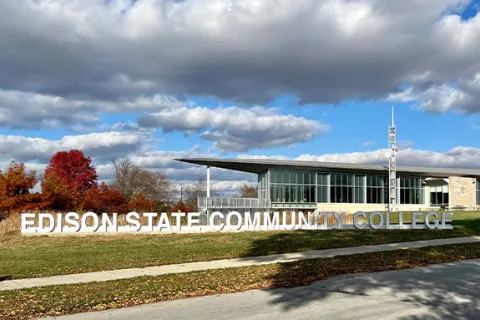
At Edison State Community College, a leading community college in Piqua, students benefit from exceptional programs, knowledgeable faculty, and a welcoming learning environment designed to help them reach their goals. With accessible locations in Eaton, Greenville, and Troy, comprehensive support services, and diverse learning opportunities, we empower students to build a strong foundation for their future. Explore us today and take the next step toward a brighter, more rewarding educational journey.
Frequently Asked Questions
What are the benefits of attending a community college?
Community colleges offer affordable tuition, flexible class schedules, smaller class sizes, and accessible locations. They also provide clear transfer pathways to four-year universities and career-focused training programs that help students gain practical skills for the workforce.
Can I transfer from a community college to a four-year university?
Yes! Most community colleges have articulation agreements with universities that make it easy to transfer credits toward a bachelor’s degree. Completing an associate degree first can save you money and ensure a smoother transition to a four-year program.
Are there online or evening classes available?
Absolutely. Community colleges are known for their flexible scheduling options, including online, evening, and weekend classes, perfect for students balancing work, family, or other responsibilities.
What types of financial aid are available at community colleges?
Students can apply for federal and state financial aid through the FAFSA, as well as scholarships, grants, and work-study opportunities.
Do community colleges offer career training programs?
Yes. Community colleges provide hands-on, career-oriented programs in high-demand fields like health care, technology, business, and skilled trades. These programs prepare students for immediate entry into the workforce or for continuing their education.