




Can You Work While in Practical Nursing School?
Wondering if you can work while in practical nursing school? Learn how students balance a job with nursing coursework and clinicals, plus practical time-management tips. Discover how Edison State Community College's Practical Nursing program at Eaton supports students pursuing an LPN career.
August 14, 2026

Deciding to pursue a nursing career is exciting, but many prospective students share one very reasonable concern: can you work while in practical nursing school? For students who need to earn an income, support a family, or maintain job experience, this question can shape their decision to enroll. Some practical nursing students work while completing their education, but the number of hours that is manageable varies considerably by student and semester.
This blog explains what working during practical nursing school can look like, how to balance a job with coursework and clinicals, and the habits that help students succeed. It also highlights how Edison State Community College's Practical Nursing program at Eaton helps students in the surrounding communities pursue a licensed practical nurse (LPN) career while managing other responsibilities.
Edison State's Practical Nursing Pathway
Edison State Community College offers a 34-credit Practical Nursing Technical Certificate at Eaton. Designed to be completed in two semesters, the program combines classroom instruction, laboratory and simulation experiences, and supervised clinical training. Students develop the knowledge and hands-on skills needed to provide safe, evidence-based, client-centered care in settings such as hospitals, long-term care facilities, rehabilitation centers, and home health environments.
After completing the program, graduates are eligible to take the NCLEX-PN. Graduates must pass the examination and meet applicable state licensure requirements before practicing as licensed practical nurses.
Students interested in continuing their education may later apply to Edison State’s LPN/ADN Transition program and, after becoming registered nurses, pursue the College’s RN-to-BSN Completion program. Admission and credit applicability are subject to the requirements in effect when the student applies.
Because practical nursing education includes scheduled classes, laboratories, studying, and clinical assignments, students considering employment should carefully evaluate how many hours they can realistically work. A nursing advisor can help prospective students understand current program expectations before they commit to a work schedule.
Key Takeaways
- Many students do work while in practical nursing school, especially with careful planning and time management.
- Balancing a job with coursework and clinicals is easier when students set a realistic schedule and strong priorities.
- Support systems, communication, and self-care play a major role in helping working students succeed.
- Edison State's Practical Nursing program at Eaton combines classroom instruction with hands-on clinical training to prepare students for an LPN career.
- Completing the program prepares students to take the licensure exam and enter the health care workforce or continue their education.
Can You Work During Nursing School?
For many students, the short answer is yes; working while in nursing school is possible, and plenty of students do it successfully. If you’re asking whether you can work while in nursing school, know that practical nursing programs are demanding, but they’re also designed with career-focused students in mind, many of whom are balancing school with jobs and family life. Understanding what to expect can help you plan for a schedule that works.
The key is to be realistic about your time and energy. Practical nursing school includes classroom learning, laboratory practice, and clinical experiences, each of which requires focus and preparation. Students who work often find success by choosing flexible or part-time employment, communicating openly with their employer, and building a schedule that protects time for studying and rest. With the right approach, working while in practical nursing school can be manageable and even rewarding.
What to Consider Before Working
Before deciding how much to work during nursing school, it helps to think through a few important factors. Reflecting on these can help you set a schedule that supports your success:
- Your program's schedule, including class times, labs, and clinical rotations
- How many hours you realistically have for work, study, and rest each week
- Whether your employer can offer flexible or part-time hours
- The support available from family, friends, or classmates
- Your financial needs and long-term career goals
How to Balance Work and Nursing School

Balancing work and nursing school is all about planning and prioritizing. Students who succeed usually treat their time like a valuable resource, mapping out their weeks in advance and staying flexible when schedules shift. A little organization goes a long way toward reducing stress and keeping everything on track.
Once students receive their class, laboratory, and clinical schedules, they can use that information to plan work hours and personal commitments. Because nursing schedules may change, students should maintain some flexibility and communicate regularly with their employer. Knowing your schedule ahead of time makes it easier to arrange work hours, study sessions, and personal commitments so that nothing gets overlooked. Working while in nursing school becomes much more manageable when students plan proactively rather than react to each week as it comes.
Time-Management Tips for Working Students
Time management is often the skill that determines whether students feel overwhelmed or in control. Creating routines, planning ahead, and using time intentionally can help students balance coursework, clinical experiences, employment, and personal responsibilities.
- Create a weekly schedule that blocks out class, clinical, work, study, and rest time.
- Communicate early with your employer about your class and clinical commitments.
- Prioritize studying by focusing on the most important material first.
- Use small pockets of time, such as breaks or commutes, to review notes.
- Lean on your support system for encouragement and help when needed.
- Protect time for sleep, meals, and stress relief to stay healthy and focused.
Choosing the Right Kind of Job
The type of work you choose can make balancing school much easier. Many nursing students look for positions with flexible scheduling, part-time hours, or shifts that fit around their classes. Some students also find value in health care roles, such as support or entry-level positions, that build experience while they study. Choosing a job that fits your schedule and goals can help you stay on track without feeling overwhelmed.
When possible, jobs with predictable schedules, flexible hours, or supportive employers tend to fit best alongside nursing school responsibilities. Some students choose positions within health care settings because they provide exposure to patient care environments while helping students build professional experience and workplace confidence.
The best job during nursing school is one that supports your educational goals rather than competes with them.
Building Habits That Support Success

Beyond scheduling, the habits you build during nursing school play a big role in your ability to balance work and study. Strong routines help students stay consistent, reduce stress, and maintain the energy needed for demanding coursework and clinicals. These habits often benefit students long after graduation, too.
Healthy Routines and Support Systems
Success in practical nursing school requires more than academic effort. Managing stress, maintaining healthy routines, and building a strong support system can help students stay focused and motivated throughout the program.
Support may come from family members, classmates, instructors, coworkers, or friends who help students navigate challenges and stay committed to their goals.
- Establish a consistent study routine so learning becomes a steady habit.
- Set realistic goals for each week to stay motivated and avoid burnout.
- Stay connected with classmates for study groups and mutual support.
- Reach out to instructors and advisors when you need guidance.
- Make time for rest and activities that help you recharge.
When students combine smart scheduling with healthy routines and a reliable support system, balancing work and nursing school becomes far more achievable. Many students find these habits not only help them adjust to their first year at a community college and graduate but also prepare them for the demands of a nursing career.
Edison State at Eaton's Practical Nursing Program
Edison State's Practical Nursing program prepares students to provide safe, evidence-based, person-centered care in a variety of health care settings. Through classroom instruction, skills laboratories, and clinical experiences, students develop the knowledge and practical abilities needed for success as licensed practical nurses.
The program's combination of academic instruction and hands-on learning helps students build confidence while preparing for the National Council Licensure Examination for Practical Nurses (NCLEX-PN) and entry into the workforce.
Edison State's Practical Nursing program also offers a strong foundation for future growth. Graduates who wish to continue their education can pursue an associate degree in registered nursing, and later a bachelor's degree, with credits earned in the practical nursing program applying toward those pathways. This ladder approach gives working students a flexible way to advance their nursing careers over time while considering how long it takes to become an RN.
Flexible Job Options for Practical Nursing Students

Many practical nursing students find that choosing flexible jobs helps them balance their school responsibilities with earning an income. Jobs with adaptable hours or part-time shifts allow students to work fewer hours during busy weeks, such as exam periods or clinical days, and increase hours when they have more free time. Common flexible roles for nursing students include patient care technician positions, certified nursing assistant jobs, and home health aide roles. These health care jobs not only offer schedule flexibility but also provide valuable clinical skills and patient care experience that complement nursing school learning.
In addition to health care roles, some students pursue remote jobs or freelance work, such as medical scribe positions , which can be done on a flexible schedule from home. These options reduce commuting time and allow students to better manage school and work. Edison State encourages students to explore financial aid options and speak with academic advisors or contact admissions to find programs and support that fit their personal circumstances, while becoming a successful online college student can offer useful strategies for managing remote coursework.
Students who choose to work may want to consider positions with predictable or adjustable schedules. Health care support positions can provide relevant experience, but qualifications and scheduling requirements vary by employer. Students should avoid assuming that a particular job will accommodate laboratory or clinical assignments.
Balancing Work and Nursing School
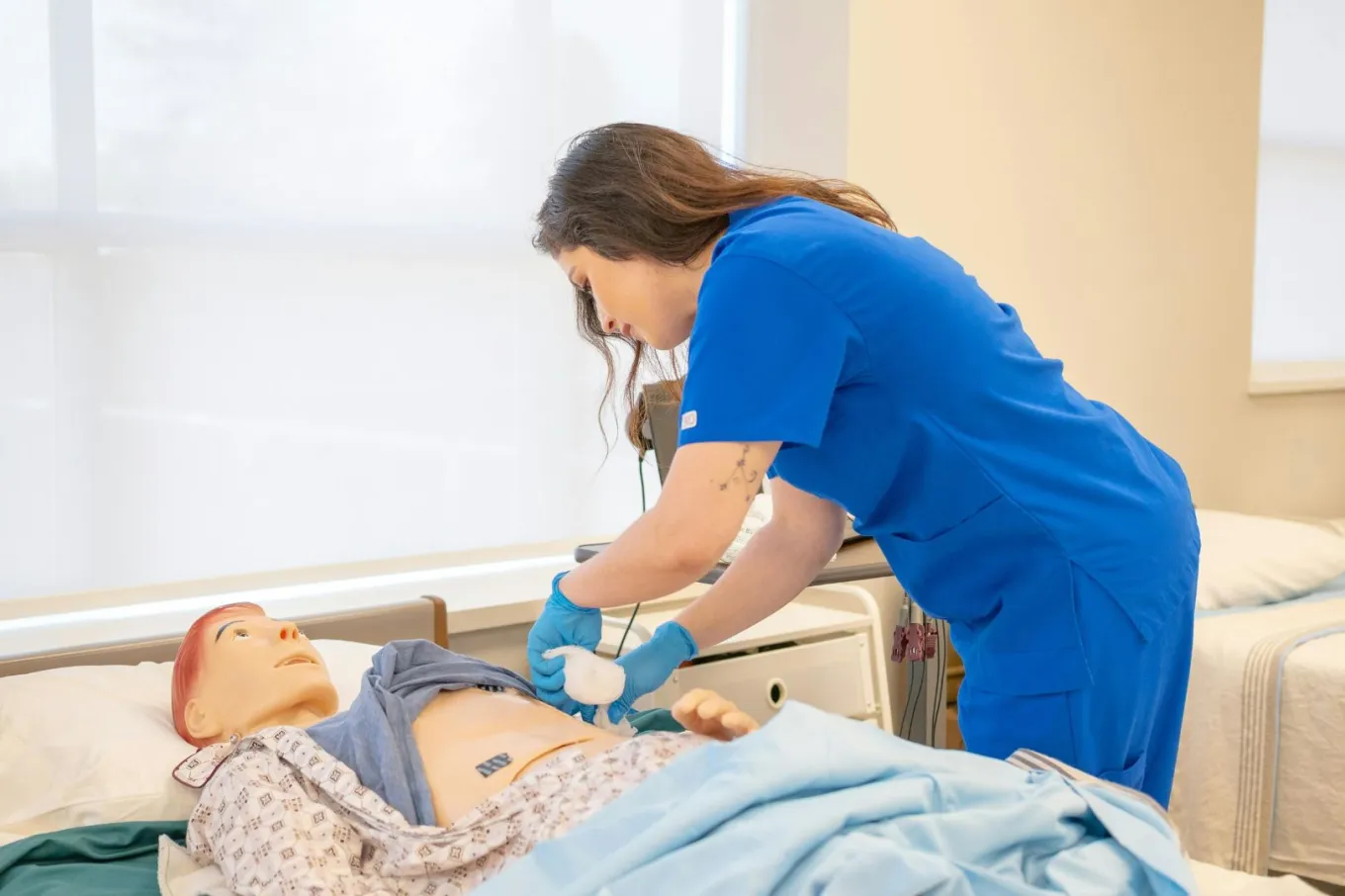
Working while attending practical nursing school is possible for many students, but success often depends on planning, time management, flexibility, and support. By creating realistic schedules, building healthy habits, and staying focused on long-term goals, students can successfully balance employment and nursing education.
Edison State at Eaton's Practical Nursing program provides the classroom instruction, clinical training, faculty support, and career-focused preparation students need to pursue licensure and begin meaningful careers in health care. Through a combination of academic learning and hands-on experience, students can build a strong foundation for future nursing opportunities.
We also offer programs in accounting and an Associate of Arts. Explore our programs and discover the educational pathway that best supports your goals and future career plans.
Frequently Asked Questions
Can you work while in practical nursing school?
Yes, many students work while in practical nursing school, especially when they plan carefully and manage their time well. Practical nursing programs include coursework, labs, and clinical rotations, so students often choose flexible or part-time jobs that fit around their class schedules. With a realistic plan and a strong support system, balancing work and school is achievable for many students.
How can I balance a job with nursing school coursework and clinicals?
Balancing work and nursing school starts with planning your week in advance and prioritizing your time. Blocking out class, clinical, study, work, and rest time helps ensure you don’t overlook anything, and communicating early with your employer about your schedule can make a big difference. Building healthy routines and leaning on your support system also help students stay focused and avoid burnout.
What kind of job works best while in nursing school?
Jobs with flexible scheduling or part-time hours tend to work best for nursing students, since students can arrange them around classes and clinicals. Some students also choose entry-level or support roles in health care to gain experience while they study. Choosing a job that fits your schedule and long-term goals can help you stay on track without feeling overwhelmed.
What is the Practical Nursing program at Eaton like?
Edison State at Eaton's Practical Nursing program blends classroom instruction with hands-on clinical training to prepare students for a licensed practical nurse career. Students learn to provide safe, evidence-based, client-centered care in settings such as hospitals, long-term care, rehabilitation, and home health. After completing the program, graduates are eligible to take the NCLEX-PN. Graduates must pass the examination and meet applicable licensure requirements before practicing as licensed practical nurses.
Can I continue my education after finishing the practical nursing program?
Yes. Graduates of Edison State's Practical Nursing program can continue their education by pursuing an associate degree in registered nursing, and later a bachelor's degree, at Edison State. Graduates who earn their practical nursing license may apply to Edison State’s LPN/ADN Transition program in Piqua and later continue through the RN-to-BSN Completion program, which is completed primarily online. Credits earned through the Practical Nursing program may apply toward these degree options, subject to current admission and curriculum requirements.
How does Edison State support students who work while attending practical nursing school?
Edison State recognizes that many practical nursing students balance education with work and family responsibilities. Through supportive faculty, academic advising, structured clinical experiences, and flexible planning resources, the College helps students create realistic pathways toward program completion and licensure.