



How Long Does It Take to Become an RN?
Becoming a registered nurse requires completing the appropriate education, clinical training, and licensure. Program length varies by pathway, but each prepares you for patient care, professional responsibility, and long-term career advancement.
December 8, 2025

Becoming a registered nurse is a goal that attracts individuals who want a stable, meaningful, and skill-driven health care career. The journey involves a combination of education, clinical training, and licensing requirements. Timelines can vary based on the educational path you choose and your prior experience. Understanding these options early helps set realistic expectations. In this blog, we will break down the typical timelines and pathways involved in becoming a registered nurse.
Key Takeaways
- Becoming a registered nurse typically takes about 2–4 years from the start of college-level prerequisites to RN licensure, depending on which pathway you choose.
- The fastest common routes include an 18–24 month Associate Degree in Nursing (ADN) or a 12–18 month Accelerated BSN for those who already hold a non-nursing bachelor’s degree.
- All RN pathways require three core steps: completing an approved nursing program, finishing required clinical hours, and passing the NCLEX-RN exam to obtain state licensure.
- Many hospitals now prefer or require a Bachelor of Science in Nursing (BSN), which typically takes 4 years for new college students.
- Those pursuing advanced roles like nurse practitioner or nurse anesthetist should expect 6–10+ years of total education and experience beyond high school.
How Long Does It Really Take to Become an RN?
If you’re wondering how long it takes to become an RN, here’s the straightforward answer: most new registered nurses in the U.S. spend about 2–4 years in nursing school before they can work independently as licensed professionals. The exact timeline depends on your educational pathway, prior credits, and personal circumstances.
Here’s a quick breakdown of the main options:
- ADN programs: Around 2 years of nursing coursework (plus prerequisites if needed)
- Traditional BSN programs: About 4 years for first-time college students
- Accelerated BSN programs: Approximately 12–24 months for those with an existing bachelor’s degree
Keep in mind that your total time also includes a few additional weeks or months for NCLEX-RN scheduling, receiving results, and completing state licensing paperwork. Many graduates sit for their exam within 4–12 weeks after finishing their degree program.
If you haven’t completed admission prerequisites like anatomy, microbiology, or statistics, plan on adding extra semesters to your timeline. These foundational science courses are required before you can begin the nursing sequence at most schools.
Timing also varies based on factors like your state’s requirements, whether your school operates on semesters or quarters, and whether you attend full-time or part-time. A student taking evening courses while working will have a different nursing journey than someone enrolled in an intensive daytime cohort.
RN Pathways and Typical Timelines
There’s no single “right” amount of time to become a nurse. Instead, several structured RN pathways exist, each with different timelines and trade-offs. Your choice depends on your current education level, career goals, budget, and how quickly you want to enter the nursing profession.
The three primary initial RN education routes are:
- Associate Degree in Nursing (ADN) – offered mainly at community colleges
- Traditional Bachelor of Science in Nursing (BSN) – a four-year degree at universities
- Accelerated BSN (ABSN) or Second-Degree BSN – designed for career changers with existing degrees
Nursing diploma programs and hospital-based RN programs still exist in some regions, though they’re less common today. These programs generally take 2–3 years and focus heavily on hands-on clinical training.
Prior college credits, military training, or health care certifications like CNA or licensed practical nurse credentials can sometimes shorten the time needed in an RN program. Many schools offer credit for prior learning or specialized bridge pathways.
Associate Degree in Nursing (ADN): About 2–3 Years
An associate degree in nursing is typically completed in 4–6 academic semesters, or roughly 18–30 months. These programs are offered mainly at community colleges and technical schools, making them an accessible option for many aspiring nurses.
However, many students need one extra semester—or even a full year—to complete science prerequisites before starting the nursing sequence. When you factor in these foundational courses, the total time from first college course to graduation is often closer to 2–3 years.
ADN graduates are fully eligible to sit for the NCLEX-RN and can begin working as staff nurses in hospitals, long-term care facilities, nursing homes, and clinics. This pathway provides a solid foundation in patient care and nursing practice.
Advantages of the ADN pathway:
- Lower cost compared to four-year universities
- Faster entry into the workforce as an RN
- Widely available at many community colleges
- Flexible scheduling options at some schools
Considerations to keep in mind:
- Some employers, especially many hospitals and magnet facilities, prefer candidates with a BSN
- Fewer leadership and specialty opportunities without additional education
- Many ADN nurses later complete an RN-to-BSN program for career advancement
Traditional BSN: About 4 Years for First-Time College Students
A standard BSN program at a U.S. university generally takes 8 semesters—or four academic years—for someone starting directly after earning a high school diploma.
The first 1–2 years emphasize general education and nursing prerequisites, including English, math, psychology, and sciences like anatomy and chemistry. The final 2 years focus on nursing coursework, skills labs, and clinical rotations in various health care settings.
BSN graduates are eligible for the NCLEX-RN exam and are often preferred by large teaching hospitals, magnet hospitals, and positions on leadership tracks. This nursing degree provides broader preparation in research, public health, evidence-based practice, and health care policy.
Why do some employers require a Bachelor of Science in Nursing? Positions like charge nurse, case manager, nurse educator, and public health nurse often call for the additional knowledge and competencies that BSN programs provide. If your future career path includes management, specialty nursing roles, or graduate education, starting with a BSN can save time later.
Accelerated BSN (ABSN) / Second-Degree BSN: About 12–24 Months
Accelerated nursing programs are designed for students who already have a non-nursing bachelor’s degree and want to switch careers into the nursing field. These intensive programs recognize your prior general education and focus almost entirely on nursing content.
Many ABSN programs across the country can be completed in 12–18 months of full-time study, with some extending to 20–24 months depending on clinical scheduling and program structure. The curriculum covers the same nursing content and clinical hours as traditional BSN programs but compresses everything into a shorter, more demanding timeline.
Before starting the accelerated sequence, students typically must complete specific science prerequisites:
- Anatomy & Physiology I and II
- Microbiology
- Chemistry
- Statistics
If your prior degree didn’t include these courses, plan on adding 1–2 semesters of prerequisite work. Once those are complete, the ABSN pathway can be the fastest way to become an RN for people with an existing four-year degree.
Be prepared for an intensive experience. Research indicates that accelerated programs can demand up to 32 weekly hours of coursework and clinical rotations, not counting study time. Most students cannot work during this period.
Nursing Diploma and Hospital-Based RN Programs: About 2–3 Years

Nursing diploma programs represent the historical foundation of RN training in the United States. These hospital-based programs typically take 2–3 years and emphasize hands-on clinical experience from day one.
While less common today, diploma programs still exist in some regions, often in partnership with colleges that award academic credit alongside the hospital training. Graduates are fully eligible to sit for the NCLEX-RN examination.
One consideration: diploma programs don’t automatically confer college credits toward a degree. If you later want to pursue a BSN or graduate-level nursing education, you’ll likely need to complete additional bridge coursework. In terms of time to initial licensure, diploma routes are similar to ADN programs—generally around 2–3 years from start to completion.
Core Steps to Becoming an RN (and How Long Each Takes)
No matter which education path you choose, the steps to becoming a licensed RN follow the same basic sequence. Understanding each phase helps you plan realistically and avoid surprises along the way.
The three main phases are:
|
Phase |
What’s Involved |
Typical Duration |
|
Prerequisites & Admission |
Complete required courses, apply to nursing programs |
1–3 semesters (if needed) |
|
Nursing Program |
Coursework, skills labs, clinical rotations |
2–4 years |
|
Licensure |
NCLEX-RN exam, state board processing |
Several weeks to a few months |
Some nursing students compress timelines by taking summer courses or carrying heavier term loads. Others extend their programs by studying part-time or taking breaks for work or family responsibilities. Your personal pace will depend on your circumstances and bandwidth.
1. Completing Prerequisites and Applying to Nursing School
Many RN programs require specific high school or college-level courses before formal admission. Common nursing prerequisites include:
- Biology and Chemistry
- Anatomy & Physiology I and II
- Microbiology
- Psychology
- Statistics or College Math
- English Composition
For someone starting from scratch, completing these prerequisites commonly takes 1–3 semesters—roughly 4–18 months—depending on course load and availability. If you already have some college credits, you may be able to transfer them and shorten this phase.
Competitive nursing programs often look for additional qualifications:
- Minimum GPA (frequently 2.5–3.0 or higher in science courses)
- Entrance exam scores (TEAS or HESI are common)
- Letters of recommendation
- Health care exposure or volunteer experience
Application cycles are typically once or twice per year, which means missing a deadline can add several months to your overall timeline. Meeting early with academic advisors and planning your prerequisite sequence carefully can help you avoid unnecessary delays.
2. Nursing Coursework and Clinical Rotations
The core of RN preparation—nursing theory classes, skills labs, and clinical placements—takes roughly 2 years in many ADN and BSN programs once you’re officially admitted to the nursing major.
During this phase, you’ll rotate through clinical areas that provide broad exposure to nursing practice:
- Medical-surgical nursing
- Pediatrics
- Obstetrics and maternity care
- Mental health nursing
- Community and public health
Required clinical hours vary by program and state. For example, Delaware requires 400 clinical hours for RN licensure, while California mandates 850 hours of supervised clinical training for BSN students. These hours are spread across multiple semesters and must be physically completed in health care settings.
Clinical scheduling—including evenings, weekends, and limited site capacity—can influence how quickly students complete requirements. Skills labs and simulation experiences complement your real-world clinical experience and help build confidence in patient-centered care.
3. Taking the NCLEX-RN and Getting Licensed
After graduating from an approved nursing program, you’ll apply to your state board of nursing and register with the National Council of State Boards of Nursing to take the National Council Licensure Examination, commonly called the NCLEX-RN.
Most graduates sit for the NCLEX exam within 4–12 weeks after finishing school, depending on how quickly their paperwork is processed and how soon they can schedule an exam date. The computer-adaptive test covers four major areas:
- Safe and effective care environment
- Health promotion and maintenance
- Psychosocial integrity
- Physiological integrity
Official results are typically available from the state board within a few days to several weeks, though some states offer “quick results” services for faster notification.
If a candidate does not pass the NCLEX RN exam, there’s usually a minimum 45-day waiting period before retaking it. This extends the timeline, so thorough preparation is essential.
Once you pass the NCLEX RN and meet all state requirements—including background checks and fees—the board issues your RN license, allowing you to start your nursing career.
How Prior Education and Experience Affect Your RN Timeline
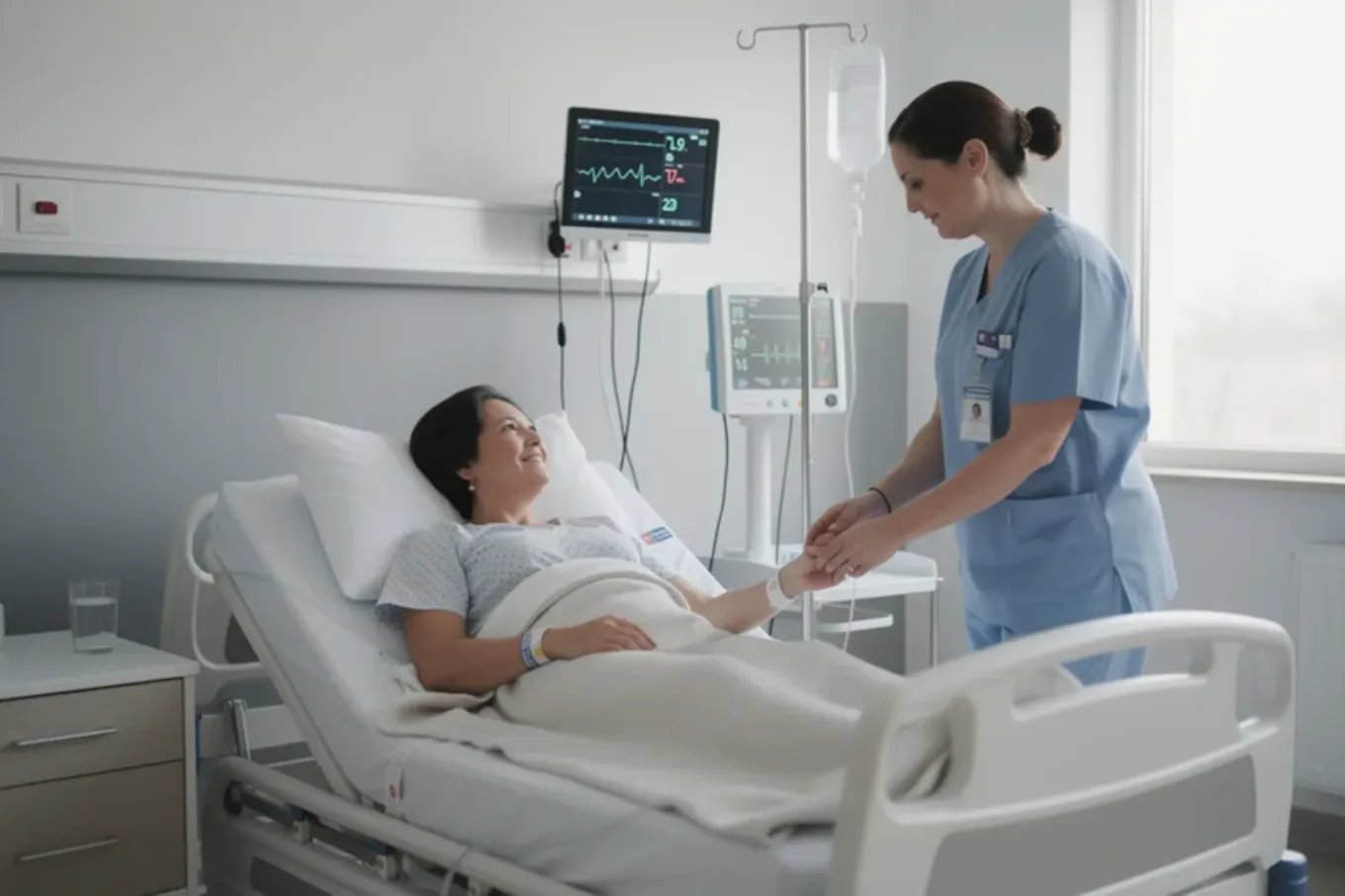
Your starting point significantly changes how long it takes to become a registered nurse. Someone with a prior bachelor’s degree has a different path than a recent high school graduate, and working health care professionals may qualify for accelerated options.
Credit transfers, bridge programs, and recognition of previous coursework can shorten your education by one or more semesters. Here’s how timelines compare:
|
Starting Point |
Typical Path |
Approximate Total Time |
|
High school graduate |
ADN or BSN |
2–4+ years |
|
Bachelor’s degree holder |
ABSN |
1.5–2.5 years (including prereqs) |
|
Licensed practical nurse |
LPN-to-RN bridge |
1–2 years additional |
|
Military medic/paramedic |
Specialized bridge |
Varies by program |
Some schools offer specialized pathways like LPN-to-RN, paramedic-to-RN, or military medic-to-RN that can reduce total time and cost by recognizing your existing clinical training.
Second-Career Students With a Prior Bachelor’s Degree
If you already hold a bachelor’s degree in a non-nursing field, an Accelerated BSN is typically your fastest route to becoming a registered nurse RN. These intensive programs complete nursing-specific coursework in roughly 12–18 months.
If your prior degree didn’t include the required sciences, you may need an additional 1–2 semesters of prerequisites before entering the ABSN program. A realistic timeline for second-career students often looks like:
Example timeline:
- 1 semester of prerequisites: 4–5 months
- 15-month ABSN program: 15 months
- NCLEX-RN and licensing: 2 months
- Total: approximately 22–24 months
This route is intensive and usually requires full-time enrollment, leaving little room for outside employment during the program. However, it’s an efficient path for motivated career changers ready to focus entirely on their nursing education.
LPN-to-RN and Other Bridge Pathways
Licensed practical nurses (LPNs) or licensed vocational nurses (LVNs), who have already completed 12–18 months of training through an LPN program, can enroll in LPN-to-ADN or LPN-to-BSN bridge programs.
These bridge programs typically take about 12–24 months of additional schooling, depending on transfer credits and whether you attend part-time or full-time. Because you’ve already mastered basic patient care skills and foundational nursing concepts, some introductory courses and clinical hours may be waived.
Paramedics, military medics, and other health care professionals may also have access to specialized RN bridge programs that acknowledge prior experience and advanced training. These pathways can significantly shorten your overall time to RN while still preparing you for the NCLEX-RN.
How Long Does It Take to Advance Beyond RN?
Becoming an RN is the foundation, but many nurses choose to pursue advanced degrees and roles that require several additional years of education. While these pathways extend your total time in school, they’re optional and typically pursued after gaining initial RN licensure and clinical experience.
Here’s a general overview of advancement timelines:
|
Advancement Path |
Typical Duration |
Requirements |
|
RN-to-BSN |
12–24 months |
ADN + RN license |
|
MSN (Master’s) |
2–3 years |
BSN + often 1–2 years RN experience |
|
DNP (Doctorate) |
3–4 years |
BSN or MSN + experience |
|
APRN specialties |
6–10+ years total |
Graduate degree + certification |
Most MSN programs and advanced practice registered nurse roles expect 1–3 years of clinical RN experience before enrollment. This adds time but significantly improves your readiness for specialized nursing roles.
RN-to-BSN: 1–2 Years After Becoming an RN
ADN-prepared RNs can complete an RN-to-BSN program in about 12–24 months, often through online nursing programs designed for working nurses. These flexible formats allow you to advance your nursing education while maintaining employment.
The length depends on how many general education credits you already have and how heavy a course load you take each term. Many employers support RN-to-BSN education through tuition reimbursement or flexible scheduling, recognizing that BSN degrees benefit both nurses and patient care outcomes.
An RN-to-BSN program doesn’t change your RN licensure level, but it broadens your knowledge in leadership, research, and community health—opening doors to nursing jobs in management and specialty areas where many hospitals prefer candidates with a bachelor’s degree.
Master’s and Advanced Practice Degrees (MSN, DNP)
Moving into advanced practice roles requires at least a BSN plus a graduate degree. Advanced practice registered nurses include nurse practitioners, nurse midwives, clinical nurse specialists, and nurse anesthetists.
Typical program durations:
- MSN (Master of Science in Nursing): 2–3 years full-time
- DNP (Doctor of Nursing Practice): 3–4 years, depending on program structure
Many MSN programs require 1–2 years of RN experience before admission, especially for high-acuity specialties like critical care or anesthesia. To become a Certified Registered Nurse Anesthetist, for example, nurses typically need a BSN, 1–3 years of critical care experience, and a doctoral degree, totaling a minimum of 8–10 years of study and training from the start of nursing education.
From high school graduation, the total path to becoming an advanced practice registered nurse can range from about 6 to 10+ years of education and experience. These nursing roles are in high demand and offer an expanded scope of practice and increased responsibility in patient education and clinical decision-making.
Planning Your Path to a Nursing Career

Becoming a registered nurse takes careful planning, commitment, and the right educational path. Timelines vary based on prerequisites, program type, and personal responsibilities, but understanding each step helps set realistic expectations. With focus and consistency, aspiring nurses can successfully move from education to licensure and enter a rewarding health care profession.
If you’re ready to move forward, Edison State Community College provides supportive, career-driven education designed for student success. We offer hands-on learning, experienced faculty, and flexible options to help you complete a registered nurse program in Piqua. Our academic offerings span health sciences, physical therapist assistant, medical laboratory technician, respiratory care, and agriculture AAS, giving students multiple career-focused pathways to explore. Connect with us today and take the next step toward your future in nursing.
Frequently Asked Questions
Can I work full-time while I’m in nursing school, and how will that affect how long it takes to become an RN?
Most nursing programs are intensive, requiring 30–40+ hours weekly for classes, labs, and clinicals. Working full-time is difficult, so many students choose part-time enrollment, which can extend completion by 1–2 years. Part-time work is more manageable but still demanding.
What is the absolute fastest realistic timeline to go from no college credits to working as an RN?
The fastest realistic path typically takes about 2.5–3 years. This includes prerequisite courses, 18–24 months in an ADN or ABSN program, and time for the NCLEX-RN and licensing. This assumes no delays, waitlists, or failed courses.
Is there an age limit to starting RN training, and does starting later make the process longer?
There is no upper age limit to becoming an RN. The required education and licensing timeline stays the same. However, older students may choose part-time study due to responsibilities, extending completion time. Many nurses successfully start their careers later in life.
How long does it take for internationally educated nurses to become licensed RNs in the U.S.?
The process can take several months to a few years. It often includes credential evaluation, English proficiency testing if required, state board approval, and passing the NCLEX-RN. Timelines vary by state and depend on documentation, exam scheduling, and processing times.
If I fail the NCLEX-RN, how much longer will it take before I can practice as an RN?
Failing the NCLEX-RN typically adds 1.5–3 months to your timeline. Most states require a minimum 45-day waiting period before retesting. Additional study time is common, and many candidates successfully pass on their second attempt with focused preparation.