

What Skills Do You Learn in a Medical Assistant Program in Piqua?
Learn what skills you can develop through a medical assistant program in Piqua, including clinical procedures, administrative tasks, patient communication, and hands-on training that prepares students for careers in modern health care settings.
May 11, 2026
A medical assistant career combines clinical knowledge, administrative support, and patient communication skills to help health care facilities operate efficiently. In Piqua and surrounding Ohio communities, medical assistants play an important role in physicians’ offices, clinics, urgent care centers, and other medical settings by supporting patient care and daily operations.
Edison State Community College’s Medical Assistant Technical Certificate helps students prepare for these responsibilities through hands-on learning, practical clinical experience, and career-focused training designed for today’s evolving health care field. In this blog, we will explore the essential clinical, administrative, and communication skills students develop through a medical assistant program in Piqua.
Edison State’s Medical Assistant Pathway
Edison State Community College's Medical Assistant Technical Certificate helps students develop the clinical, administrative, and communication skills needed to support patients and health care teams in a variety of medical settings. Through classroom instruction, laboratory experiences, and hands-on clinical training, students learn how to provide quality patient care while supporting the daily operations of health care facilities.
Students build practical experience in patient intake, vital signs, medical records, laboratory procedures, communication, and professional responsibilities, helping prepare them for certification and employment in today's health care environment.
Key Takeaways
- Edison State’s medical assistant program teaches essential clinical skills like taking vital signs, phlebotomy, basic lab tests, ECG procedures, infection control, and patient intake.
- Administrative competencies include electronic health records management, managing patient records, appointment scheduling, medical billing and coding, and insurance processing.
- Students develop critical soft skills, including patient communication, active listening skills, medical ethics, empathy, professionalism, and cultural competency.
- Hands-on training through labs, internships, and externships prepares graduates for immediate workforce entry in Piqua-area health care facilities.
- Culmination of training often involves a hands-on clinical externship in a health care setting before taking certification exams like the Certified Medical Assistant (CMA).
- Practical experience allows medical assisting students to apply theoretical knowledge in real-world health care settings, which is crucial for developing competence and confidence in clinical tasks.
Essential Clinical Skills You’ll Master
Clinical training is one of the most important parts of medical assistant training because medical assistants play a direct role in patient care and patient safety. Students learn to welcome patients, prepare patients for exams, gather medical histories, document the chief complaint, and record a patient’s current health status before the provider enters the room.
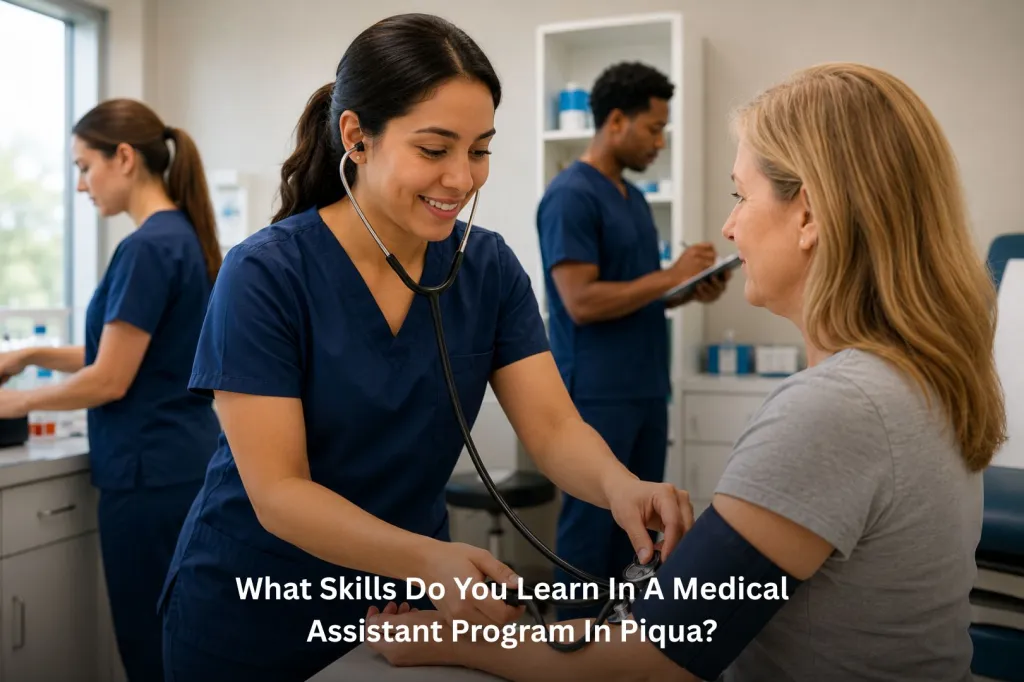
Students learn to accurately measure and record vital signs, perform basic medical tests, and assist in patient examinations and procedures. Medical assistants are trained to perform essential clinical skills such as taking vital signs, which include measuring blood pressure, heart rate, temperature, and respiratory rate, and providing critical data for patient assessment.
Medical assistants are responsible for taking vital signs, including blood pressure, temperature, heart rate, and respiratory rate, providing critical data that indicates a patient’s current health status. These measurements provide critical data that help health care providers make decisions about diagnostic tests, treatments, referrals, and follow-up care.
Edison State’s medical assistant program includes hands-on training in health care labs that simulate exam rooms and everyday health care settings. In these labs, aspiring medical assistants practice direct patient care, learn how to communicate effectively during patient intake, and build the technical skills needed to support physicians during examinations.
Clinical training emphasizes direct patient interaction, ensuring safe patient care and support for physicians during examinations. Medical assistants are taught to maintain proper infection control standards and implement sanitization techniques, which are essential for ensuring patient safety in medical facilities.
These clinical duties connect directly to career outcomes in Piqua-area hospitals, clinics, urgent care centers, and physician practices. Because medical assisting today requires both technical knowledge and professionalism, students graduate with the skills needed to contribute to high-quality patient care and stronger patient outcomes. Students who want to compare training timelines can also explore how long community college programs may take before choosing the path that best supports their career goals.
Advanced Clinical Procedures
Advanced clinical procedures help students move beyond basic patient intake into specialized skills used every day in medical facilities. Phlebotomy, the practice of drawing blood for laboratory testing, is a key skill taught in medical assistant programs, ensuring that students can perform this task safely and effectively.
Phlebotomy, the practice of drawing blood from patients for laboratory testing, is a key responsibility of medical assistants, requiring training in techniques for safely and effectively collecting blood samples. Students also learn specimen labeling, handling, processing, and documentation to ensure blood tests are completed accurately.
Medical assistants perform urinalysis, which involves collecting and analyzing urine samples to detect various health conditions, and they are trained to document and report their findings accurately. These basic lab tests may help screen for urinary tract infections, kidney disease, dehydration, diabetes-related concerns, or other conditions that require provider review.
Training in electrocardiography (ECG) is essential for medical assistants, as it involves recording the heart’s electrical activity to detect cardiac issues and requires both technical skills and patient interaction.
Medication administration is another area where students build specialized knowledge under appropriate supervision. Medical assistants learn pharmacology, which includes understanding various medications, their uses, dosages, and potential side effects, to ensure patient safety and effective treatment.
Administrative and Technology Competencies

A medical assistant career also requires strong administrative skills because medical assistants often manage the flow of information, appointments, patient records, and insurance details. Programs include training in managing electronic health records (EHR), medical billing and coding, and appointment scheduling. For students preparing to begin their academic journey, understanding what to expect during the first year at a community college can make the transition into medical assistant training feel more manageable.
Medical assistants manage both administrative and clinical tasks, including scheduling, patient check-ins, insurance processing, and medical record management, all of which are essential to the smooth operation of health care facilities. At Edison State, students prepare for administrative and clinical duties that support both the front office and the exam room.
Electronic health records are central to medical assisting today. Accurate record-keeping is one of the most important skills developed in medical assistant training, where students learn to handle EHRs and ensure patient information is secure and easily accessible.
Students also learn medical terminology related to human anatomy, physiology, and medical law and ethics, including HIPAA privacy regulations. This foundation helps future certified medical assistants understand provider notes, diagnostic language, lab orders, patient education materials, and documentation standards.
Medical assistants are trained to schedule appointments efficiently, balancing walk-ins and managing cancellations to optimize patient flow and reduce wait times in health care settings. Strong scheduling supports better clinic workflow, helps providers stay organized, and improves the patient experience.
Processing insurance claims is a key administrative duty for medical assistants, including verifying insurance benefits, securing preauthorizations, and resolving disputes over denied claims, making them a vital link between patients and providers. These administrative duties are especially important in smaller offices where one medical assistant may support several administrative and clinical tasks throughout the day.
Edison State’s partnerships with local health care providers and work-based learning opportunities help students see how these administrative tasks operate in real-world medical facilities. That experience helps students understand how managing patient records, communicating with the health care team, and handling insurance details all contribute to enhancing patient care.
Common Administrative Mistakes to Avoid
- HIPAA compliance violations: Students learn that protected health information must be handled carefully. Sharing patient records improperly, leaving medical records visible, or discussing patient details in public areas can create privacy risks and affect patient trust.
- Insurance verification errors: Incorrect insurance information can delay patient care, create billing problems, or cause denied claims. Medical assistants learn to verify benefits, confirm pre-authorizations, and document claim details accurately.
- Medical record documentation mistakes: Incomplete or inaccurate medical records can affect continuity of care. Students practice clear documentation, proper use of medical terminology, and careful EHR updates to ensure health care providers have reliable information.
- Scheduling conflicts: Poor scheduling can disrupt clinic workflow efficiency, increase wait times, and frustrate patients. Training emphasizes appointment systems, cancellation management, walk-in coordination, and communication with the health care team.
Professional Communication and Interpersonal Skills

Technical skills matter, but medical assistants also need the interpersonal skills to help patients feel informed, respected, and safe. Patient education is a major part of the medical assistant’s role, especially when patients need instructions before procedures, after appointments, or while managing medications and follow-up care. For many students, choosing a community college can be a practical way to build career-ready skills while staying focused on long-term education and employment goals.
Students learn how to explain procedures in plain language, confirm understanding, and use active listening skills when patients describe symptoms or concerns. These skills help medical assistants communicate effectively with patients who may be nervous, ill, in pain, or unsure about what will happen next.
Empathy is especially important in direct patient care. Medical assistants learn how to support anxious or distressed patients while maintaining professionalism, privacy, and patient safety. In a fast-paced medical environment, calm communication can improve patient outcomes and help the clinic run more smoothly.
Team collaboration is another essential part of medical assisting. Students learn to work with nurses, physicians, specialists, administrative staff, and other members of the health care team. This includes reporting changes in vital signs, appropriately sharing patient concerns, following the chain of command, and understanding role boundaries.
Cultural competency training helps students serve the Piqua area’s diverse patient population with respect. Medical assistants may work with patients from different cultural, linguistic, age, socioeconomic, and health literacy backgrounds, so communication must be clear, respectful, and adaptable.
These soft skills can also support career advancement. Medical assistants who combine clinical duties, administrative duties, patient education, professionalism, and reliable teamwork are often better positioned for leadership responsibilities, specialized clinical tasks, and long-term growth in the health care field.
Final Thoughts
Medical assistant programs help students build a strong foundation in clinical procedures, administrative responsibilities, patient communication, and professional skills that support modern health care environments. From taking vital signs and assisting with patient intake to managing medical records and supporting daily office operations, students gain practical experience that prepares them for a variety of roles in clinics, physicians’ offices, urgent care centers, and other medical settings.
At Edison State, students interested in becoming medical assistants in Piqua can benefit from hands-on learning opportunities, career-focused training, and real-world experience designed to support long-term professional growth. The program helps students prepare for the responsibilities of today’s evolving health care field while developing the technical and interpersonal skills employers value. Students can also explore additional opportunities through the College’s broader health sciences pathway, including programs such as medical coding, medical laboratory technician, and phlebotomy. Contact us today to learn more about getting started with your future in health care.
Frequently Asked Questions
How long does Edison State’s medical assistant program in Piqua take to complete?
Edison State offers a Medical Assistant Technical Certificate through its health sciences pathway at the Piqua Campus. Exact completion time can vary by course load, placement, and scheduling, so students should contact Edison State for the current plan of study. While some assistant program options elsewhere may advertise completion in only a few months, medical assistant certification programs with labs and clinical experiences often require a more structured sequence.
What hands-on clinical experience do students get during the program?
Students practice patient intake, vital sign measurements, infection control, phlebotomy, ECG procedures, urinalysis, medication support, and assisting during exams. Practical training in labs and clinical experiences helps students apply classroom knowledge in realistic health care settings.
What types of health care facilities hire Edison State medical assistant graduates?
Graduates may work in physicians’ offices, hospitals, urgent care centers, outpatient clinics, specialty practices, and other medical facilities. Because medical assistants learn administrative and clinical tasks, they can support both front-office and back-office roles.
Reviewer’s Bio:
Yvonne Koors
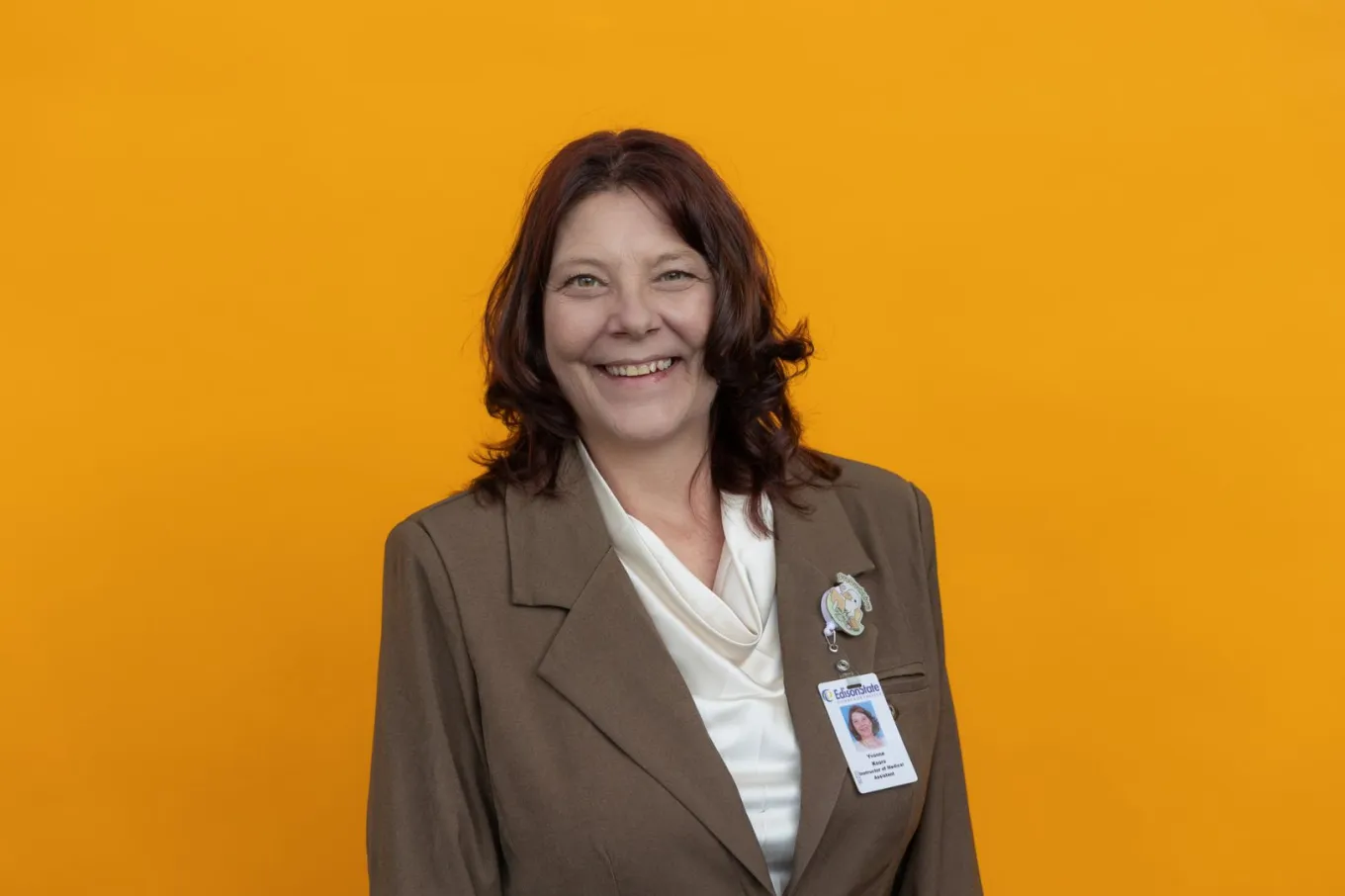
Yvonne Koors, MHA, BS, RMA (AMT), is a seasoned health care educator and administrator who serves as the Medical Assistant Program Director and Associate Professor at Edison State Community College. She holds a master’s degree in Healthcare Administration from Ohio University and an Associate of Science in Medical Assisting from South College in Knoxville, Tennessee, complemented by her credentials as a Registered Medical Assistant. With more than 20 years of experience spanning allied health education, program leadership, and clinical practice, she has led efforts in curriculum design, accreditation compliance, and program growth while guiding faculty and preparing students for careers in medical assisting, coding, and healthcare support. Her background includes leadership roles in both academic and clinical environments, with specialized knowledge in regulatory compliance (OSHA, HIPAA, and CLIA), healthcare operations, and student success. Mrs. Koors is committed to advancing excellence in health care education and cultivating meaningful partnerships with community and industry stakeholders to address evolving workforce needs.