


How Adult Learners Can Restart Their Education at a Community College in Piqua, Ohio
Adult learners can restart their education at a community college with flexible programs, affordable tuition, and career-focused training, building skills for new opportunities in growing industries and local workforce pathways.
April 6, 2026
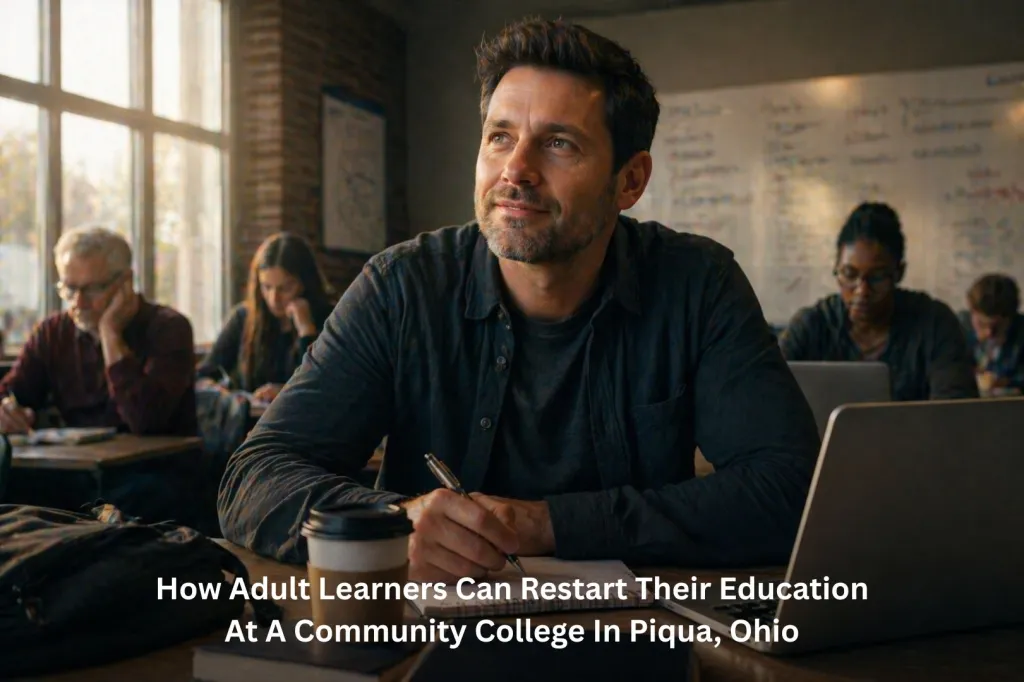
If you’re an adult in the Piqua area wondering whether returning to school makes sense at this stage of life, the answer is straightforward: community colleges offer one of the most practical pathways to career advancement available to working adults today. This blog covers everything prospective adult students need to know about restarting their education in the Piqua region, from career pathways in health care, business, and manufacturing to financial support options and Prior Learning Assessment opportunities that can accelerate your credential completion.
Key Takeaways
- Community colleges in the Piqua area offer evening, weekend, and hybrid courses designed for working adults balancing family responsibilities.
- High-demand programs include physical therapist assistant, medical laboratory technology, social services, agriculture, accounting, and criminal justice.
- Prior Learning Assessment allows returning students to earn college credit for work experience, military service, and professional training.
- Financial aid options and employer partnerships help adult students afford higher education without taking on excessive debt.
- Career pathways in health care, business, information technology, and manufacturing lead directly to employment opportunities with strong salaries.
Why Adult Learners Choose Edison State
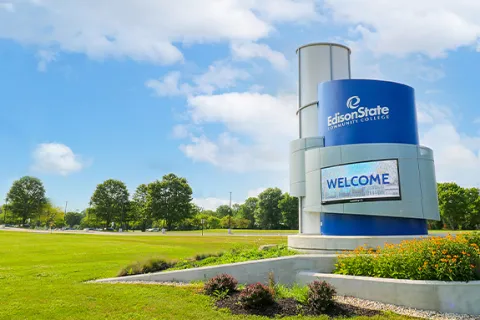
Returning to college as an adult often comes with unique responsibilities, including work schedules, family commitments, and financial considerations. Edison State Community College offers flexible educational pathways designed to help adult learners balance these priorities while working toward their goals.
Students can take advantage of flexible scheduling options, multiple campus locations, Prior Learning Assessment opportunities, academic advising, tutoring, career services, and transfer pathways that support both workforce entry and continued education. Whether pursuing a certificate, associate degree, or transfer-focused program, adult learners can access resources designed to support their success from enrollment through graduation. Those exploring their educational options can also learn more about how long community college programs typically take to choose a timeline that fits their personal and professional commitments.
Support Designed for Adult Learners
Adult learners often balance education with work, family responsibilities, and other commitments. Edison State supports students through academic advising, tutoring, career counseling, accessibility services, and personalized educational planning.
Advisors help students select programs, explore financial aid opportunities, build realistic schedules, and stay on track toward completion. These support services help adult learners navigate the college experience with confidence while balancing multiple responsibilities, and students new to college can also learn what to expect during their first year at a community college to feel better prepared for the transition.
Opportunities for Hands-On Experience and Internships

Community colleges emphasize real-world learning through internships, cooperative education, and workforce partnerships that benefit adult learners. Programs like physical therapist assistant and medical laboratory technology include clinical rotations and practicum experiences with local employers, allowing students to apply classroom knowledge in professional settings. Additionally, partnerships with manufacturing companies provide apprenticeships and on-the-job training opportunities, enabling adult learners to earn college credit while gaining valuable work experience. These hands-on opportunities not only enhance skill development but also improve employability and career advancement prospects for graduates.
High-Demand Career Pathways Available
Edison State Community College in Piqua offers career pathways aligned with regional employer demand across five major sectors:
- Health Sciences Pathway: Our health sciences programs, such as the Physical Therapist Assistant, Medical Laboratory Technology, Registered Nursing, Respiratory Care, and LPN/ADN Transition, prepare students for immediate employment in hospitals, outpatient clinics, and rehabilitation centers. These roles offer median salaries in the low $50,000s with strong long-term growth projections.
- Business Pathway: Accounting and related business programs provide foundations for careers in bookkeeping, financial analysis, and business management. Transfer pathways allow students to start at a community college and complete their bachelor’s degrees at four-year institutions.
- Information Technology Pathway: Technical certificates and associate degrees in IT prepare students for roles in network administration, cybersecurity, and software support, all growing fields in the regional economy.
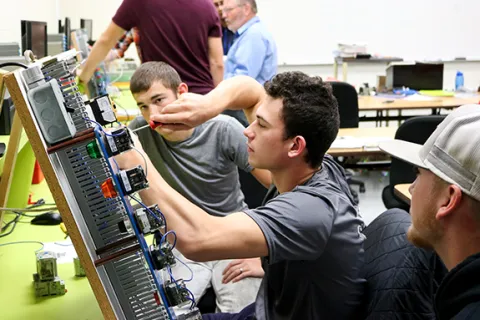
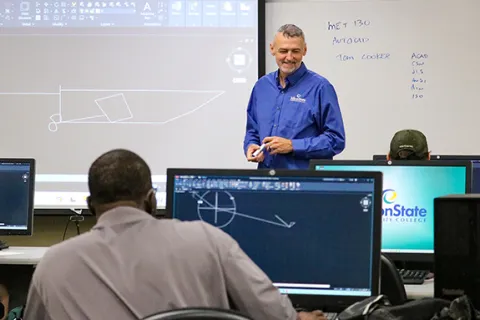
- Engineering & Manufacturing Pathway: Students gain hands-on experience in advanced manufacturing, engineering technology, electronics, HVAC/R, and related technical fields through modern laboratories, internships, and workforce partnerships. The pathway also includes transfer opportunities for select engineering technology programs.
- Social & Public Services Pathway: Programs in Criminal Justice, Social Services, Early Childhood Education, and emergency services prepare students for meaningful careers serving individuals, families, and communities. Students benefit from hands-on learning opportunities, industry partnerships, and pathways to careers in public safety, education, and human services.
- University Transfer Pathway: Students planning to earn a bachelor's degree can complete their first two years at Edison State before transferring to a four-year college or university. Small class sizes, affordable tuition, and established transfer agreements help students save money while staying on track toward their academic goals.
Featured Programs with Strong Employment Outcomes
Edison State Community College offers specific programs that deliver strong career outcomes for adult learners seeking credential completion in high-demand fields.
- Physical Therapist Assistant: Located at the Troy campus, this CAPTE-accredited program includes approximately 20 weeks of clinical rotations, more than many peer programs. Recent cohorts report 100% job placement rates and licensure exam pass rates of around 97%. PTAs work in outpatient clinics, hospitals, and rehabilitation centers serving various populations. This program demonstrates how hands-on experience combined with strong academic preparation leads to immediate employment.
- Medical Laboratory Technology: This 14-month Associate of Applied Science program is accredited by the NAACLS and offers clinical practicum experience with affiliate hospitals and laboratories. Medical laboratory technology prepares students for certification exams and immediate employment in clinical settings. Adult learners with science backgrounds find this accelerated pathway particularly attractive.
- Social Services: Through transfer pathways, students can complete foundational coursework before transferring to four-year social work programs. This pathway serves adult learners interested in community organizations, family services, and human services agencies. Prior Learning Assessment opportunities exist for those with volunteer or professional experience in human services settings.
- Agriculture: The A.A.S. in Agriculture allows students to launch their careers in family farming, agronomist, and more or continue to complete a bachelor’s degree in agribusiness management, crop production, or environmental agriculture.
- Accounting: Business programs prepare students for entry-level accounting positions with pathways to advanced degrees. Adult learners with bookkeeping experience may qualify for Prior Learning Assessment credit, reducing time to completion.
- Criminal Justice: Programs in criminal justice prepare students for careers in law enforcement, corrections, juvenile justice, and security services. Some positions may require additional certification, such as the Ohio Peace Officer Training Academy. PLA opportunities may grant credit for existing Police Academy training.
Common Mistakes to Avoid When Choosing Programs

- Not researching local job market demand: Some programs have stronger employment outcomes than others. Some allow immediate entry into the workforce, while others may require additional credentials or geographic flexibility.
- Overlooking Prior Learning Assessment opportunities: Ohio law defines PLA as a process enabling learners to demonstrate learning acquired outside formal classrooms and translate that into college credit. Work experience, military service, civic engagement, and independent study can all qualify. Missing these opportunities means paying for coursework you’ve already mastered.
- Failing to connect with academic advisors early: Specialized health sciences programs and the Peace Officer Academy require applications during specific windows. Missing these deadlines delays entry by entire semesters.
Financial Support and Practical Considerations
Financial concerns prevent many adult learners from pursuing higher education, which is why recognizing that community college might be the best option is essential. Understanding available financial resources makes returning to school more accessible.
- Financial Aid Options: Adult students may qualify for federal financial aid, including Pell Grants and state grants, through FAFSA applications. Employer tuition assistance programs are increasingly common among manufacturing and health care organizations in the region. These partnerships help students avoid institutional debt while completing degrees.
- Payment Plans and Emergency Aid: Community colleges typically offer payment plans that spread costs across terms. Emergency assistance programs provide financial support for unexpected hardships that might otherwise force students to drop out.
- Balancing Work, Family, and Education: Part-time enrollment roughly doubles the time to complete a certificate or associate degree. A program designed for 14 months full-time (like medical laboratory technology) could take 20 to 24 months part time. Academic advisors help adult learners create realistic schedules that account for work and family commitments.
A Fresh Start Through Lifelong Learning
Restarting your education as an adult can feel challenging, but community colleges make the transition accessible, flexible, and rewarding. With supportive environments, career-focused programs, and adaptable schedules, community colleges help adult learners confidently build new skills, advance their careers, and achieve personal goals while balancing life’s many responsibilities.
Edison State Community College in Piqua offers flexible pathways, helping adult learners take their next step with confidence. We provide programs in business, engineering and manufacturing, health sciences, information technology, and social and public services to meet diverse career goals. Explore your options with us and take the first step toward a brighter future today.
Frequently Asked Questions
What is Prior Learning Assessment, and how can it help me graduate faster?
Prior Learning Assessment allows adult learners to earn college credit for knowledge and skills acquired through work experience, military service, professional training, and independent study. Ohio law specifically defines PLA as a process for demonstrating learning acquired outside formal classrooms. This can significantly reduce both time and costs for returning adult students who have relevant professional experience.
How can I afford to return to school as an adult learner?
Adult students may qualify for financial aid, including Pell Grants and state grants, by completing the FAFSA. Many employers offer tuition assistance programs, particularly in manufacturing and health care sectors. Payment plans spread costs across terms, and emergency assistance programs provide financial support for unexpected hardships.
What support services are available for adult students juggling work and family?
Free tutoring, career counseling, and disability support services are available to help students succeed. Academic advisors work specifically with adult learners to create realistic schedules. Multiple campus locations reduce commute times. Evening and hybrid courses allow attendance around work schedules.
How long does it typically take to complete a program as a part-time adult student?
Part-time enrollment roughly doubles completion time. For example, a 14-month full-time program would take approximately 20 to 24 months part time. Certificate programs designed for one semester full time might take two semesters part time. Academic advisors help adult learners plan schedules based on individual circumstances and career goals.