
The Role of a Paramedic and How to Become One in Piqua, Ohio
Paramedics provide critical emergency care and advanced life support in high-pressure situations. Learn how to become a paramedic through training, certification, and hands-on experience for a rewarding health care career.
April 13, 2026
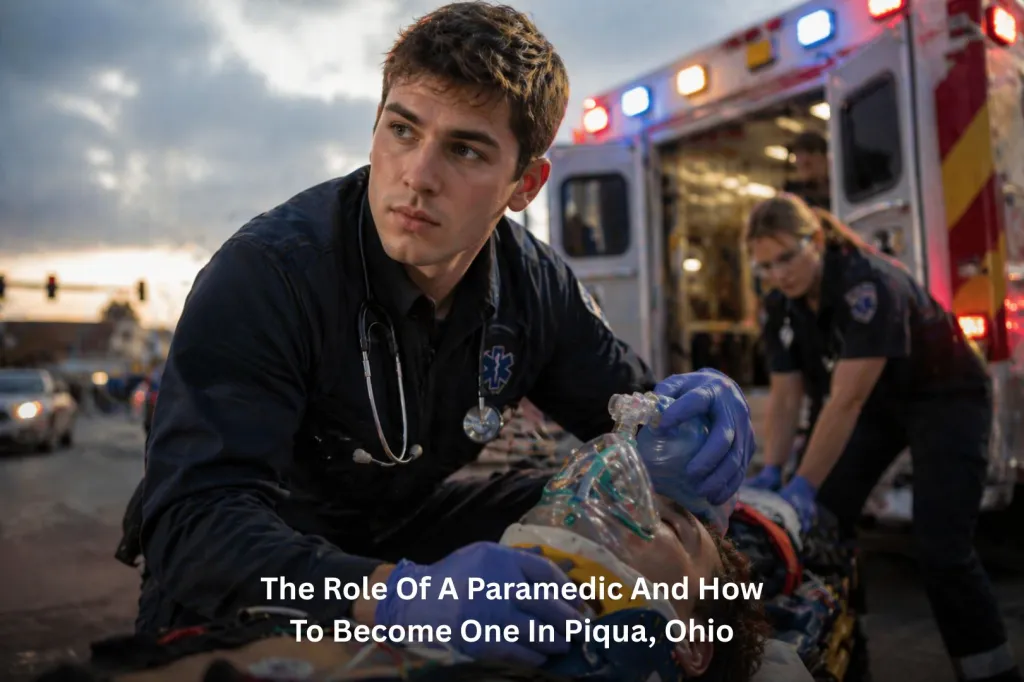
When a car accident occurs or someone experiences a heart attack at home, paramedics are the first health care professionals to arrive and provide life-saving care. Piqua and the surrounding communities depend on these highly trained professionals to deliver advanced emergency medical care when every second counts.
Paramedics represent the highest level of pre-hospital care providers in emergency medical services professions, performing complex medical interventions that save lives. This guide explains exactly what paramedics do, the training required to enter this rewarding career, and the employment opportunities available.
Key Takeaways
- Paramedics provide advanced life support and emergency medical care, including airway management, medication administration, and cardiac interventions.
- Becoming a paramedic requires EMT certification followed by 900 to 1,500 hours of specialized paramedic training.
- Strong job opportunities exist in Piqua, Troy, Greenville, Eaton, and the surrounding communities with fire departments and health care organizations.
- Paramedics earn approximately $52,000 annually in Ohio, depending on experience and employer.
- Prior Learning Assessment credits can help military veterans and health care workers accelerate their path to paramedic certification.
Edison State's Paramedic Pathway
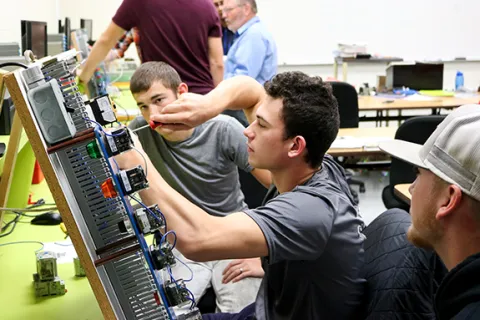
Edison State’s Paramedic program helps students develop the advanced clinical, technical, and decision-making skills needed to provide emergency medical care in high-pressure situations. Building on EMT certification, students receive classroom instruction, laboratory training, clinical experiences, and field internship opportunities that prepare them for paramedic certification and employment in emergency medical services.
Through hands-on training and supervised patient care experiences, students learn advanced assessment techniques, airway management, medication administration, cardiac care, trauma response, and other critical components of emergency medicine. The program is designed to help students prepare for certification, employment, and continued professional growth within emergency medical services and health care.
Understanding the Critical Role of a Paramedic
Paramedics are advanced emergency medical technicians who provide pre-hospital care and emergency medicine to patients experiencing medical emergencies, traumatic injuries, and life-threatening conditions. In Ohio, paramedics work under the State Board of Emergency Medical, Fire, and Transportation Services, operating within a legally defined scope of practice that includes advanced life support procedures.
Paramedics provide advanced life support, assess patients, administer medications, manage emergencies, and help stabilize individuals experiencing serious injuries or medical conditions. They use specialized training and clinical judgment to deliver care while preparing patients for transport to appropriate medical facilities.
Work environments vary significantly. Paramedics work on ambulance units responding to 911 calls, in emergency departments at hospitals, on critical care transport teams moving patients between medical facility locations, and alongside police officers and fire departments at emergency scenes.
Daily Responsibilities and Emergency Procedures
A typical shift for paramedics involves equipment checks, vehicle inspections, and readiness protocols before any calls arrive. When dispatched to emergencies, paramedics rapidly assess patients, determine treatment priorities, and initiate life support interventions based on established protocols approved by their medical director.
Patient care documentation remains essential throughout every call. Paramedics record vital signs, treatments administered, and patient responses, and transport patients to appropriate hospitals while communicating critical information to receiving emergency department staff.
Coordination with other first responders defines much of paramedic work. At a car accident scene, for example, paramedics collaborate with fire departments for vehicle extrication, communicate with dispatch for additional resources, and coordinate with hospital staff for seamless patient handoffs—all while maintaining professional and ethical standards under intense pressure.
Credit for Prior Learning Experience
Prospective students with existing health care experience, military training, or previous college credits may qualify for prior learning experience to accelerate their paramedic education.
Military medics and corpsmen often possess clinical skills and medical knowledge that transfer directly to paramedic training requirements. Registered nurses, respiratory therapists, and other health care workers may receive credit for relevant coursework and clinical competencies.
The Credit for Prior Learning Experience evaluation process involves submitting transcripts, training records, and documentation of relevant experience to the college for review. Clinical directors assess whether prior learning meets program objectives.
Step-by-Step Path to Becoming a Paramedic
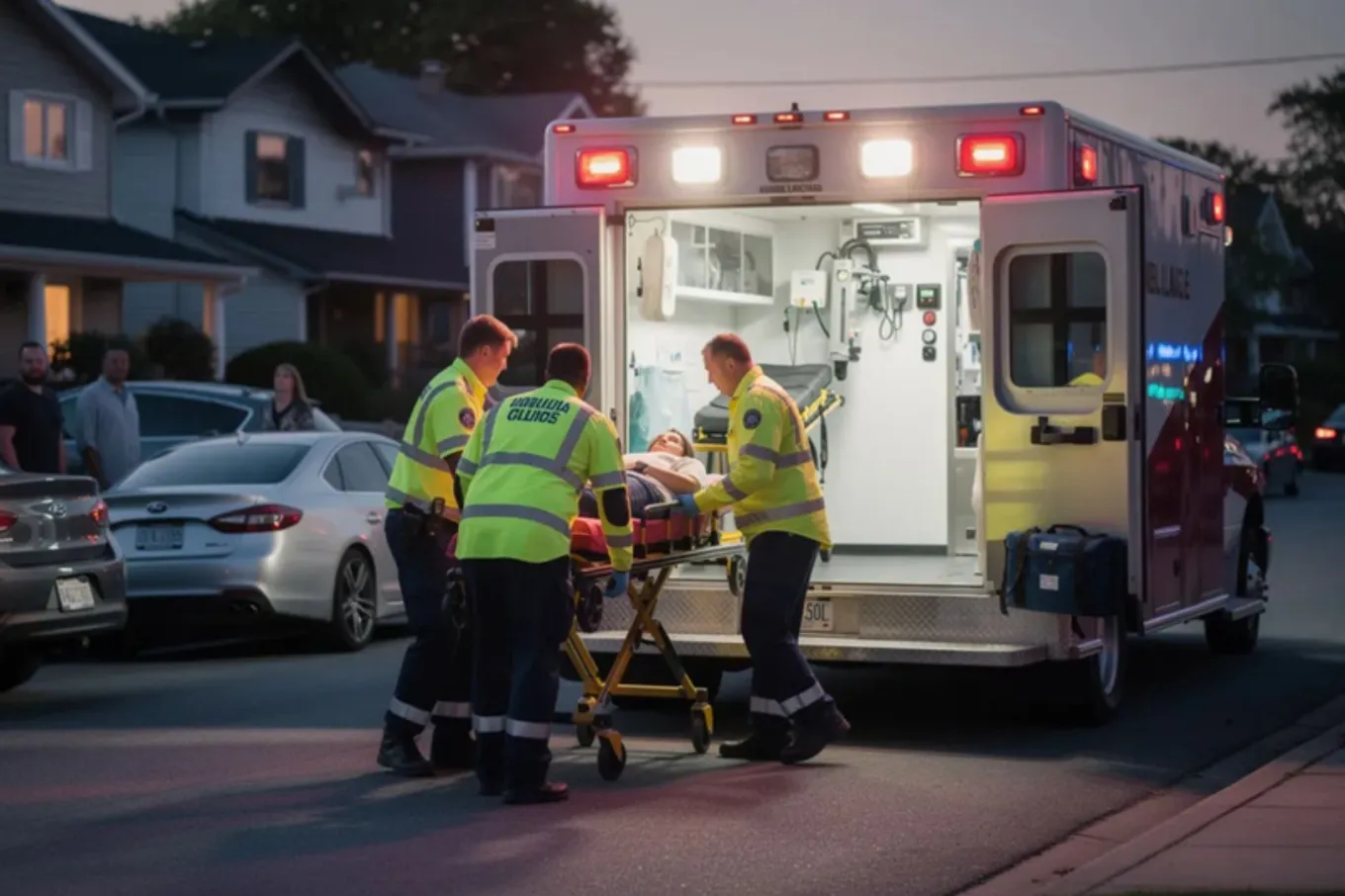
The journey to becoming a paramedic follows a clear educational pathway that builds clinical knowledge and psychomotor skills progressively. Evaluating the benefits of community colleges allows students to align affordability, accessibility, and career-focused programs with their long-term goals.
- Educational Foundation: Start with a high school diploma or GED. Coursework in biology, anatomy and physiology, and life sciences provides valuable preparation. Strong reading comprehension, communication skills, and basic math abilities support success in medical training.
- EMT Training: All paramedics must first become certified emergency medical technicians. EMT training programs typically require 120 to 150 hours of instruction covering basic life support, patient assessment, trauma care, and emergency response procedures. After completing EMT training, candidates must pass the National Registry EMT examination and obtain Ohio certification.
- Paramedic Program Enrollment: With EMT certification and a completed anatomy and physiology course (minimum grade C required), candidates can apply to accredited paramedic training programs. These allied health education programs typically range from 900 to 1,500 total hours, combining classroom instruction, laboratory practice, clinical rotations at hospitals, and field internship hours with working ambulance crews. Gaining clarity on how long community college programs are helps students plan timelines effectively while balancing education with personal and professional commitments.
- Certification and Licensing: After completing an approved paramedic program, candidates must pass the National Registry Paramedic examination. Ohio state certification requires submitting proof of education completion, passing examination scores, a background check, a valid driver’s license, and proof of EMT certification.
- Building Experience: New paramedics gain experience through employment with EMS agencies, fire departments, and hospitals. Additional certification opportunities include Advanced Cardiac Life Support, Pediatric Advanced Life Support, and specialty credentials for critical care transport.
Career Opportunities for Paramedics in the Piqua Region
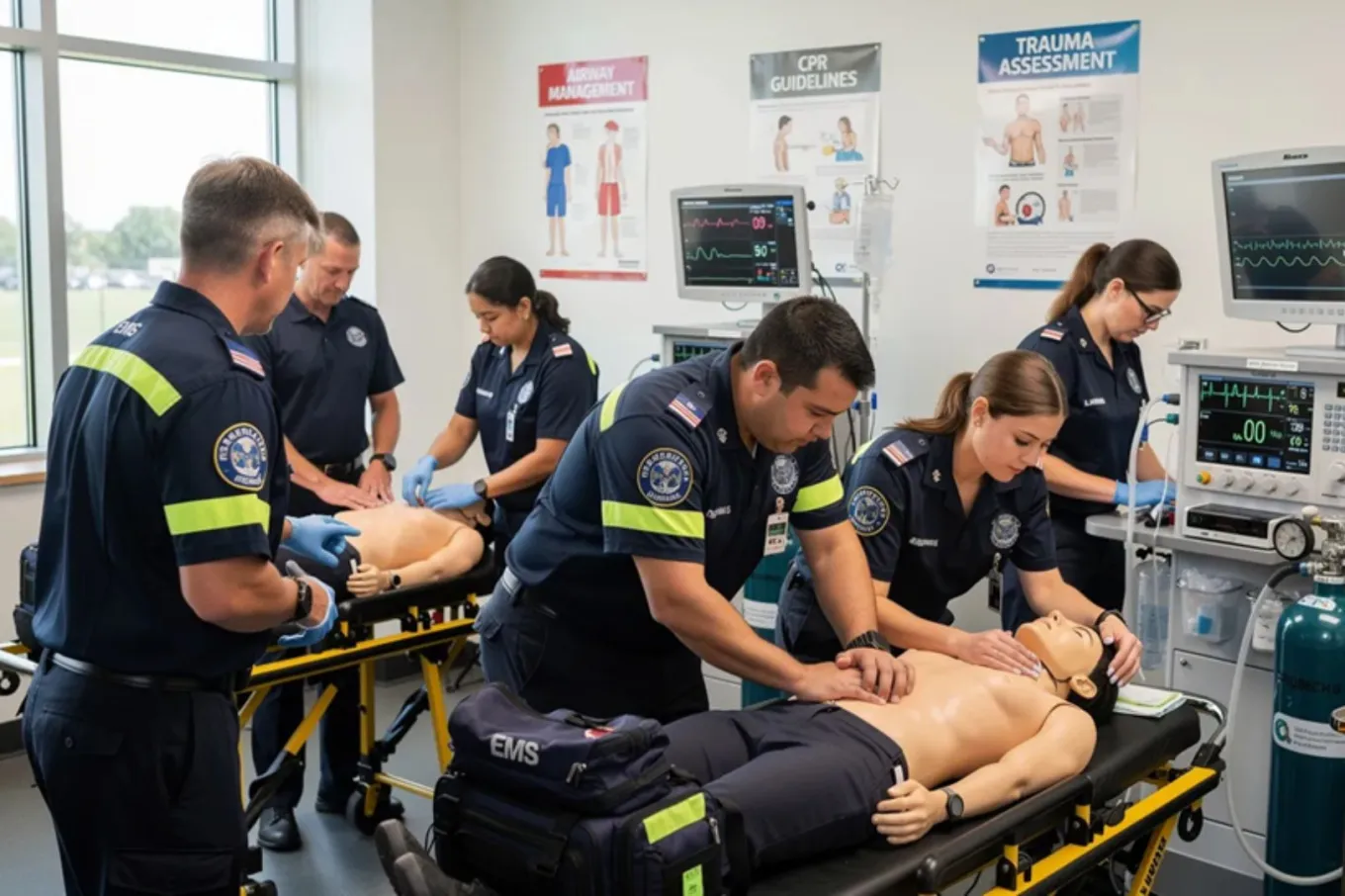
Paramedics in Piqua and the surrounding communities have diverse career opportunities across various settings. Many work with local fire departments and EMS agencies, responding to emergency 911 calls and providing critical pre-hospital care. Hospitals in the region also employ paramedics as emergency technicians, supporting emergency departments with their advanced skills.
Beyond traditional ambulance services, paramedics can pursue roles on medical flight teams, offering critical care transport by helicopter or airplane for patients needing rapid transfer between facilities. Some find employment on cruise ships or at large public events such as music festivals, where immediate medical response is essential.
Specialized positions exist in tactical EMS, supporting law enforcement SWAT teams during high-risk operations. Additionally, paramedics may advance to leadership roles such as EMS supervisors or training officers, guiding new personnel and managing emergency response operations.
Internships and hands-on clinical experiences are commonly integrated into paramedic training programs at local community colleges, providing practical exposure to real-world emergency situations. For those with prior health care or military experience, Prior Learning Assessment options can accelerate entry into these rewarding employment pathways.
The overall employment outlook for paramedic EMTs in the Piqua area is positive, supported by labor statistics projecting steady growth in public safety careers. This demand reflects the critical role paramedics play in complex care and emergency response throughout the region.
Your Path to a Rewarding Career in Emergency Care
Becoming a paramedic offers an opportunity to make a meaningful difference in the lives of others while building a rewarding career in emergency medical services. Through advanced training, clinical experiences, certification preparation, and hands-on learning, students develop the skills needed to respond confidently during medical emergencies.
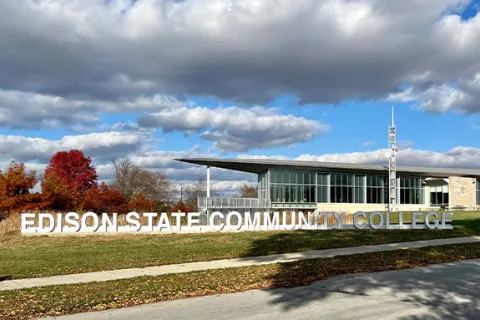
Edison State Community College’s paramedic program provides classroom instruction, laboratory training, clinical experiences, and field internships that prepare students for success in emergency medical services. Students can also explore related pathways such as physical therapist assistant, an Associate of Science, and emergency medical technician, and other health sciences programs while building a strong foundation for long-term career growth
Frequently Asked Questions
How long does it take to become a paramedic in Ohio?
Most individuals complete the full pathway in approximately two to three years. This includes several months for EMT training and certification, completion of prerequisite coursework like anatomy and physiology, and nine to twelve months or longer in a paramedic program, depending on full-time or part-time enrollment.
What is the job outlook for paramedics in the Piqua area?
Employment outlook remains strong throughout the region. Aging population demographics, expanded EMS service expectations, and community growth drive consistent demand for qualified paramedics. Fire departments and private ambulance services in Miami County and the surrounding areas regularly post openings for certified candidates.
Can I use my military or health care experience toward paramedic training?
Yes, many colleges evaluate prior learning for credit toward paramedic program requirements. Military medics, nurses, respiratory therapists, and experienced EMTs may qualify for advanced standing or credit for clinical competencies. Contact specific programs to discuss how your experience applies.
What are the physical and emotional demands of being a paramedic?
Paramedics must be physically fit to lift and transport patients, work in adverse weather conditions, and perform medical procedures in confined spaces. The role involves exposure to traumatic situations, irregular shift schedules including nights and weekends, and high-stress decision-making environments requiring strong emotional resilience.
How much do paramedics earn in Ohio?
Paramedics earn approximately $52,000 annually in Ohio. Critical care transport and flight paramedic specializations command top compensation levels.
What advancement opportunities exist for paramedics?
Career progression includes field training officer, EMS supervisor, operations manager, and EMS chief positions. Specialized roles in flight medicine, critical care transport, and tactical EMS provide advanced training pathways. Many paramedics transition to instructor positions or pursue additional degrees for healthcare leadership careers.
How does Edison State prepare students for paramedic certification?
Edison State's Paramedic program combines classroom instruction, laboratory training, clinical experiences, and field internships to help students build the knowledge, technical skills, and patient-care experience needed for certification and employment in emergency medical services.