



The Complete Student Guide to Choosing the Right Community College in Eaton
Choosing the right community college in Eaton requires evaluating programs, costs, campus resources, and career outcomes. Students can find flexible pathways, supportive learning environments, and practical training to achieve academic and career goals.
April 24, 2026

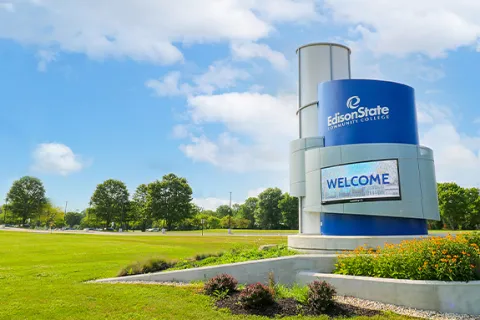
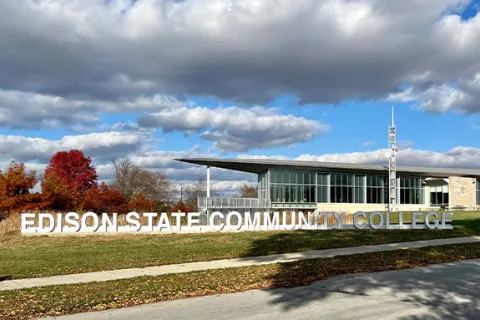
Finding the right community college near Eaton means matching your career goals with programs that actually lead to employment. Students in Eaton and surrounding areas have access to quality education pathways in health care, business, criminal justice, and technical fields that connect directly to regional employers. Edison State Community College serves the Eaton area through its regional location, offering associate degrees, certificates, and transfer opportunities without requiring long commutes to distant institutions.
This blog walks you through evaluating programs, understanding costs, and identifying which community college options align with local job market demands. Whether you’re interested in becoming a physical therapist assistant, pursuing medical laboratory technology, or building skills in accounting or criminal justice, the decisions you make now shape your career trajectory. We’ll cover everything from career pathways and financial considerations to support services and campus visits so you can make an informed choice.
Key Takeaways
- Edison State offers strong programs in physical therapist assistant, medical laboratory technology, and criminal justice with direct pathways to employment.
- Business and Information Technology pathways provide excellent job opportunities throughout the region.
- Agriculture and manufacturing programs connect students to regional industry needs.
- Prior Learning Assessment (PLA) can reduce your time to degree completion by recognizing work experience, military service, and existing certifications.
- Location considerations impact commute time, access to clinical rotations, and internship opportunities with local employers.
Understanding Your Career Goals and Program Options
Choosing the right community college starts with understanding which programs lead to the careers you want. Many community colleges offer associate degrees and certificates designed for immediate workforce entry, making them ideal for students who want to enter the workforce quickly while still receiving hands-on training.
Physical Therapist Assistant
A CAPTE-accredited physical therapist assistant program prepares students for rewarding careers helping patients recover from injuries and manage chronic conditions. The program includes anatomy coursework, therapeutic techniques, and required clinical rotations at rehab facilities, outpatient clinics, and acute care settings. Graduates become eligible to sit for the national licensing exam (NPTE-PTA), which is required for practice in Ohio.
Career outcomes for PTA graduates are strong in the Eaton area, with rehabilitation centers and outpatient facilities throughout Troy, Greenville, and the Eaton region actively hiring.
Medical Laboratory Technology
The medical laboratory technician program offers a fast-track path to a high-demand health care career. This NAACLS-accredited program trains students to collect and analyze biological samples, operate laboratory equipment, and support diagnostic processes. The intensive curriculum combines classroom instruction with clinical practice at partner facilities.
Health sciences careers in laboratory technology are connected to hospitals, diagnostic centers, and physicians’ offices throughout the region. Students completing this program earn credentials recognized by employers across Ohio and nationally, making this an excellent choice for those interested in health care but who prefer laboratory settings over direct patient contact.
Social Services
The Associate of Applied Science in Social Services prepares students for roles as case managers, human services specialists, and child welfare workers. Coursework covers client assessment, community resources, and intervention strategies. Many graduates work with county agencies, nonprofit organizations, and social service providers.
Career paths in social services often require additional certification depending on the specific role, but an associate degree provides a foundation for entry-level positions and opportunities for advancement. Students interested in helping vulnerable populations find meaningful work through this pathway.
Criminal Justice
The criminal justice program prepares students for careers in law enforcement, corrections, probation, and security. Coursework typically includes criminal law, procedures, and practical training components. Some graduates pursue additional certification through the Ohio Peace Officer Training Academy (OPOTA) for law enforcement roles, which is also offered at Edison State.
Local students can find employment with sheriff’s departments, municipal police forces, correctional facilities, and private security firms. The broad range of career options makes this program appealing to those interested in public safety and community protection.
Agriculture
For students in rural areas around Eaton, agriculture programs connect directly to the region’s strong farming and agribusiness sector. Training in crop science, precision agriculture, livestock management, and equipment operation prepares graduates for roles with farms, agricultural suppliers, and food processing operations.
Hands-on training through field experience and industry partnerships gives students practical skills valued by local employers. The agricultural sector continues to offer stable employment opportunities for those with technical training.
Accounting
Accounting and business management programs build foundational skills in financial accounting, bookkeeping, payroll, and business operations. Certificate programs can be completed in four semesters part-time; medical assistant certificates require five semesters part-time, helping students better understand how long community college programs take.
Graduates qualify for positions as accounting clerks, bookkeepers, administrative assistants, and supervisors. These skills transfer across industries, providing flexibility for different career paths and advancement opportunities.
Career Pathway Analysis
Beyond individual programs, understanding broader career pathways helps you plan long-term. Four major pathways serve students in the Eaton area:
- Health Care Pathway: Programs like physical therapist assistant, medical laboratory technology, medical assistant, and medical coder connect to employers of regional hospitals. Health care training offers strong job placement rates and a growing demand due to population aging.
- Business Pathway: Accounting, business management, and general business study programs prepare students for roles in local businesses, manufacturing companies, and service organizations throughout Troy, Greenville, and Eaton.
- Information Technology Pathway: Cybersecurity and graphic design programs support careers in data management and technical support. Many programs offer online components suitable for flexible scheduling.
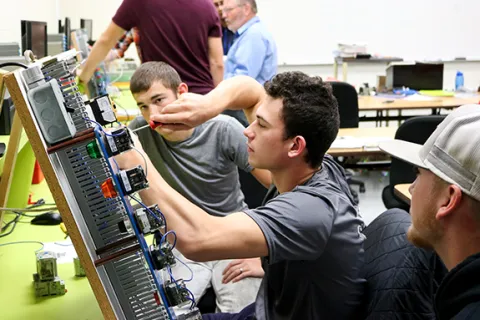
- Manufacturing Pathway: Advanced manufacturing and engineering technologies programs connect to the region’s strong industrial base. Machine shops, automotive suppliers, and food processing facilities hire graduates with technical credentials.
Each pathway offers internship opportunities and connections to local employers who value community college graduates with practical skills.
Evaluating Location and Accessibility Factors

Location matters when choosing a community college. The Eaton location shares facilities providing convenient access to fitness facilities and direct exposure to health care employers. Students can complete general education classes locally, then travel to other campuses for specialized technical courses when necessary.
Community college district considerations include commute times from your home to lecture locations and from there to clinical or internship sites. For health care programs requiring clinical rotations, proximity to partner facilities affects your daily schedule. Physical therapist assistant and medical laboratory technology students should map out travel to both the classroom and clinical sites before enrolling.
Online programs and hybrid course options reduce commute requirements for some coursework, particularly in business and information technology fields, supporting those focused on how to be a successful online college student. Evening courses accommodate working students who cannot attend during traditional daytime hours.
Common Location Mistakes to Avoid
- Choosing based solely on distance without considering program quality: The closest campus may not offer your preferred program or may lack the clinical partnerships that lead to employment. Compare programs across locations before deciding.
- Overlooking campus resources and support services: Regional locations may have limited in-person tutoring, advising, or library access compared to main campuses. Verify what services are available at your intended location.
- Ignoring connections to local employers and industry partnerships: Strong employer relationships lead to internship opportunities and job placement. Programs with established clinical or industry partners provide better employment outcomes.
- Failing to consider future transfer opportunities to four-year institutions: If you plan to continue toward a bachelor’s degree, verify that your credits transfer to your target four-year Ohio’s Transfer Module ensures broad acceptance of associate degree credits at Ohio public universities.
Financial Considerations and Value Assessment
Community college education offers affordable tuition compared to four-year college alternatives, but total costs include more than tuition rates. Budget for books, lab fees, materials, uniforms (particularly for health sciences programs), transportation, and other expenses.
Certificate programs are eligible for financial aid, making them accessible to students who qualify. Business management and medical coder certificates can be completed in four semesters part-time; medical assistant certificates require five semesters part-time.
Financial aid options include federal grants and loans, state aid, and institutional scholarships. Work-study programs may provide income while attending school. Contact the financial aid office early in your planning process to understand your eligibility and application deadlines.
The return on investment varies by program. Health care programs like physical therapist assistant offer strong job placement immediately after graduation, meaning graduates start earning quickly. Business and accounting roles may offer slower initial wages but provide flexibility and advancement opportunities over time.
Prior Learning Assessment (PLA) can significantly reduce your time and costs. Under Ohio policy, students can earn college credit for learning acquired through work experience, military service, certifications, and civic engagement. PLA allows up to 50 percent of total degree credits, though some restrictions apply to technical coursework. Students with relevant experience should inquire about PLA during enrollment to potentially save money and accelerate degree completion.
To save money while earning your two-year degree, consider starting at a community college before transferring to a four-year school, reinforcing the benefits of starting at a community college. This approach reduces overall costs while still leading to a four-year degree.
Support Services and Student Success Resources
Strong support services distinguish the best community college options. Academic advisors help you select courses that align with your career goals and transfer plans, aligning with what to expect during your first year at a community college. Career services connect your educational choices to employment opportunities.
Look for tutoring services, particularly for challenging courses in anatomy, physiology, and mathematics required by health sciences programs. Writing centers, computer labs, and library access support coursework across all programs.
Career and Job Services help graduates transition to employment. Programs with strong employer relationships often facilitate internship placements that lead to hiring. Career Services offices assist with resume preparation, interview skills, and job search strategies.
For working students, flexible scheduling options matter. Evening courses, hybrid formats, and online components allow you to balance work, family, and education. Part-time jobs or existing employment can continue while you pursue your associate degree.
Transfer support matters if you plan to continue toward a bachelor’s degree. Academic advisors familiar with transfer agreements and articulation agreements help you select courses that transfer efficiently. Ohio’s strong transfer programs ensure community college credits count toward four-year degrees at public universities.
Student life opportunities vary by campus. While community colleges typically don’t offer on-campus housing, some provide vibrant campus life through clubs, organizations, and student activities. These connections enrich your college experience and build professional networks.
Making Your Final Decision
Creating a decision-making framework helps you compare programs across different community colleges. List your priorities: program availability, location, cost, support services, and employment outcomes. Weight each factor based on your personal situation.
Visit campuses before enrolling. Campus tour opportunities let you see facilities, meet faculty, and talk with current students. Prepare questions about job placement rates, clinical partnerships, and support services specific to your intended program.
Questions to ask during campus visits:
- What is the job placement rate for program graduates?
- Where do students complete clinical rotations or internships?
- What tutoring and academic support services are available at this location?
- How do scheduling options accommodate working students?
- What transfer agreements exist with four-year universities?
Speaking with current students and alumni provides realistic perspectives on program quality and employment outcomes. Ask about their experiences with faculty, clinical placements, and job searches after graduation.
Admission requirements vary by program. Some health sciences programs have competitive admission with prerequisite courses, while others accept students directly. Understand placement testing requirements and any prerequisite coursework needed before program entry.
Timeline your application and enrollment process. Allow adequate time to complete financial aid applications, gather transcripts, and meet program-specific deadlines. Health sciences programs often have annual cohort starts with application deadlines months in advance.
Making the Right Choice for Your Educational Journey

Choosing the right community college is an important step toward achieving your academic and career goals. By evaluating programs, flexibility, support services, and career outcomes, students can make informed decisions that align with their future plans while balancing personal and professional responsibilities effectively.
Edison State Community College offers a trusted pathway through a leading community college in Eaton, helping students build strong academic and career foundations. We provide programs in accounting, general business studies, Associate of Arts, and Associate of Science to support diverse educational goals. Take the next step with us and start shaping your future today.
Frequently Asked Questions
What are the strongest career programs available to students in the Eaton area?
Physical therapist assistant and medical laboratory technology programs offer excellent career outcomes with strong employer demand in the region. The PTA program maintains high job placement and licensing exam pass rates. Criminal justice and social services programs also connect to employment with local government agencies and nonprofit organizations.
How do I know if Prior Learning Assessment (PLA) can help reduce my degree completion time?
PLA recognizes learning from work experience, military service, certifications, and other non-traditional sources. If you have relevant professional experience, industry certifications, or military training, you may qualify for college credit that reduces your required coursework. Contact your community college’s student affairs office to discuss your background and learn which credits might apply toward your intended program.
Which community college offers the best health care programs near Eaton?
Edison State provides CAPTE-accredited physical therapist assistant and NAACLS-accredited medical laboratory technology programs at its main location in Piqua, serving students in the Eaton area. Through pre-PTA and pre-MLT pathways, students can begin their education in Eaton and transition to Piqua to complete the remaining courses and requirements. Clinical partnerships with regional health care providers, including facilities near Eaton’s campus, support hands-on training and employment connections. Compare programs based on accreditation status, clinical site quality, and job placement outcomes.
What are the job prospects for Agriculture and Manufacturing programs in the Eaton region?
Agriculture is closely tied to the strong farming and agribusiness sector, with opportunities in crop production, livestock operations, equipment maintenance, and food processing. Manufacturing programs align with the region’s industrial base, including machine shops, automotive suppliers, and production facilities. Both sectors offer stable employment for graduates with technical training and hands-on skills.
How can I balance work and school while attending community college near Eaton?
Community colleges offer flexible scheduling options, including evening courses, hybrid formats, and online programs. Certificate programs can be completed part-time over multiple semesters, allowing you to maintain employment while earning credentials. Discuss your work schedule with academic advisors who can help you create a course plan that accommodates your existing commitments while progressing toward your degree.
What financial aid is specifically available for students from the Eaton area?
Federal financial aid (grants and loans) is available to qualifying students pursuing eligible programs. The state of Ohio supplements federal assistance for residents. Institutional scholarships may be available for specific programs or student populations. Complete the FAFSA early to determine your eligibility and maximize available support. Contact the financial aid office to learn about all options, including work study programs that provide income while attending school.