What to Expect During Nursing Clinicals
Learn what to expect during nursing clinicals in Piqua, including how clinical rotations work, common tasks, work settings, and helpful tips for success. Discover how Edison State Community College prepares nursing students for real-world health care through hands-on clinical training and flexible support.
August 7, 2026
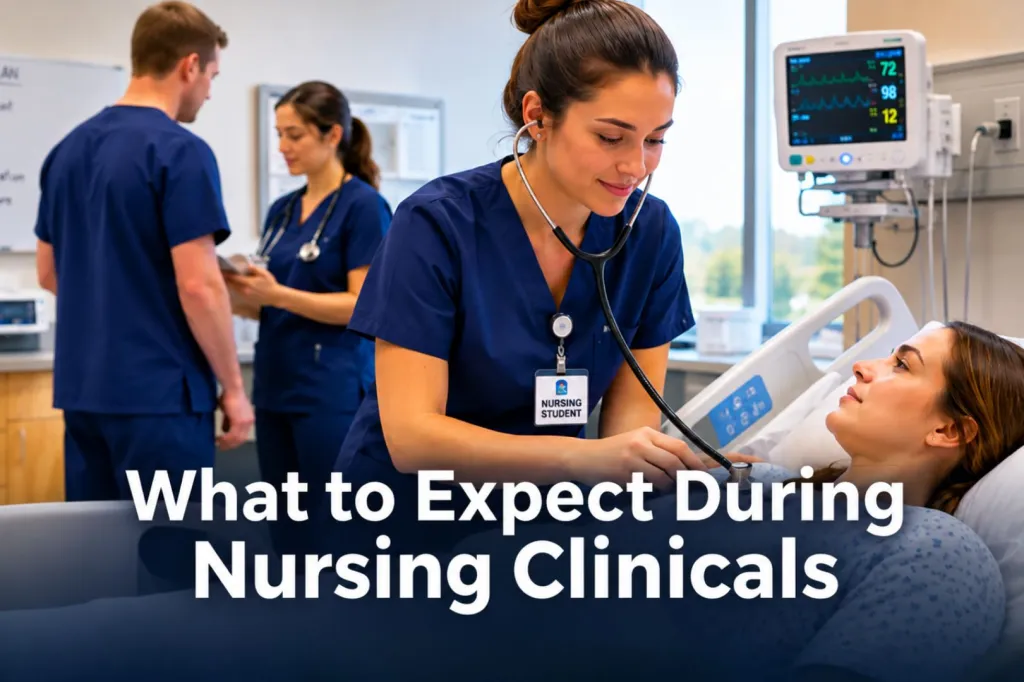
Starting nursing school is exciting, but many future nurses feel unsure about one big step: the clinical experience. If you’re wondering what to expect during nursing clinicals in west-central Ohio, you’re not alone; clinicals are often the part of nursing education that students look forward to most and feel most nervous about. This is where classroom learning meets real patient care and where confidence begins to grow.
This blog explains how nursing clinicals work, what a typical clinical day can look like, the settings where training occurs, and practical tips to help you succeed. It also shows how Edison State Community College supports nursing students in Piqua and the surrounding communities through hands-on clinical training, experienced faculty, and partnerships with area health care providers.
Edison State's Nursing Pathway
Edison State's nursing programs combine classroom instruction, laboratory experiences, and clinical training to help students develop the knowledge and practical skills required for patient care. Through partnerships with local hospitals, community centers, schools, and long-term care facilities, students gain exposure to real-world health care settings while working alongside experienced nursing professionals.
Clinical experiences are integrated throughout the nursing program, helping students build confidence, strengthen clinical judgment, and prepare for licensure and future nursing careers.
Key Takeaways
- Nursing clinicals are supervised, hands-on experiences where students apply classroom knowledge in real health care settings.
- Clinical rotations expose students to different areas of care, patient populations, and health care environments.
- Preparation, communication, and professionalism help students get the most out of every clinical day.
- Edison State partners with area hospitals, community centers, schools, and nursing homes to provide clinical training sites for nursing students.
- Hands-on clinical experience helps students build confidence and prepare for the NCLEX-RN and their nursing careers.
Understanding Nursing Clinicals
Nursing clinicals are supervised learning experiences that take place in real health care settings rather than the classroom. During clinicals, students work under the guidance of nursing faculty and experienced professionals to care for patients, practice essential skills, and see how a health care team functions. For many students, clinicals are the moment when nursing truly comes to life.
Unlike lectures or lab practice, clinicals place students in dynamic environments where every day can be different. Students learn to think on their feet, communicate with patients and providers, and apply what they’ve studied to real situations. This blend of knowledge and hands-on practice is what helps nursing students grow into confident, capable caregivers.
How Nursing Clinicals Work
At Edison State, nursing students complete coursework in classrooms and laboratories before and alongside their clinical experiences. Area hospitals, community centers, schools, and nursing homes serve as clinical training sites, giving students the chance to work in a variety of real health care settings across the region. This structure helps students build foundational skills in a controlled environment before applying them with patients. Nursing students at Edison State gradually progress from practicing skills in laboratory settings to applying those skills during clinical experiences. This step-by-step approach helps students develop confidence before caring for patients in real-world environments.
Clinical rotations are typically scheduled throughout the nursing program, with each rotation focusing on different areas of care. A clinical instructor or assigned professional supervises students closely, offering guidance, feedback, and support. As students progress, they take on more responsibility, gradually building the independence and clinical judgment that nurses rely on every day.
What a Typical Clinical Day May Look Like
While no two clinical days are exactly alike, most follow a general rhythm. Understanding this flow can help ease first-day nerves and set students up for success.
- Arrive early and review patient assignments with the clinical instructor
- Prepare for the day by gathering information and organizing tasks
- Provide patient care such as performing patient assessments, administering medications, and monitoring patient responses to treatments and interventions
- Communicate with the health care team and document care accurately
- Participate in a post-clinical discussion to reflect on the day and share what was learned
Clinical Settings
Students may complete clinical experiences in a variety of health care environments, including:
- Hospitals
- Long-term care facilities
- Skilled nursing facilities
- Community health centers
- Rehabilitation settings
- Ambulatory care environments
- Mental health settings
- Schools
Each setting provides unique learning opportunities and helps students gain experience caring for different patient populations.
What Nursing Clinicals Are Like Day to Day
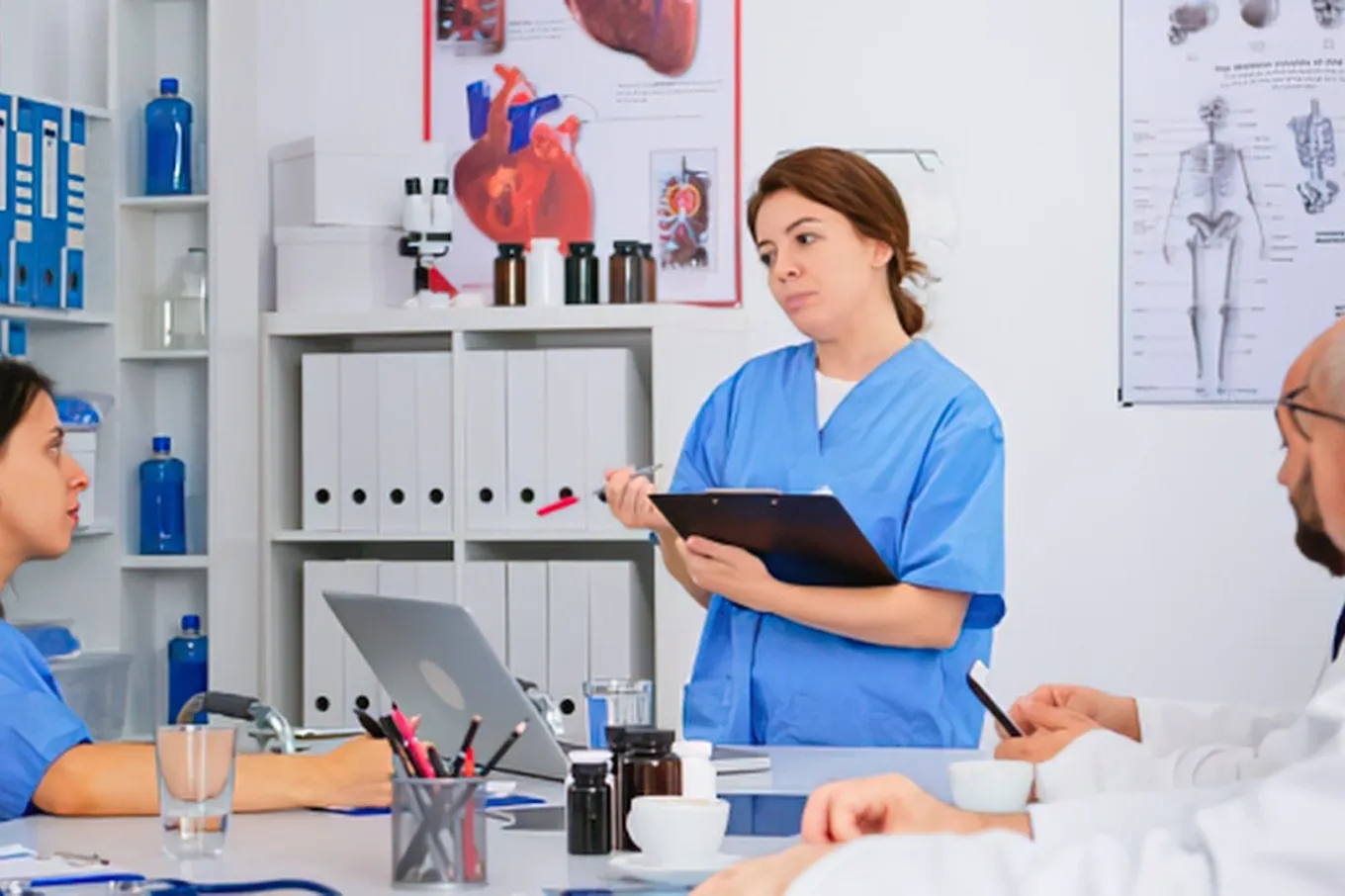
Nursing clinicals give students a firsthand look at the realities of patient care. Students may rotate through different areas of a hospital or health care facility, gaining exposure to a range of patients, conditions, and care settings. This variety helps students discover the areas of nursing that interest them most while building a well-rounded skill set.
Throughout clinicals, students practice both technical and interpersonal skills. On the technical side, they learn to perform assessments, support treatments, and follow safety protocols. On the interpersonal side, they build communication, empathy, and teamwork, skills that are just as essential to quality nursing care. Together, these experiences help students prepare for the everyday demands of the profession.
While responsibilities vary based on the student's level in the program and the clinical setting, each experience reinforces classroom concepts, strengthens patient-care skills, and builds confidence in professional nursing responsibilities.
Tips for Success During Nursing Clinicals
A little preparation goes a long way in making clinicals a positive, rewarding experience. These practical tips can help students feel more confident and get the most out of each rotation.
- Prepare ahead of time: Review assignments, procedures, and relevant material before each clinical day.
- Ask questions: Clinicals are a learning environment, and curiosity helps you grow.
- Stay organized: Keep track of tasks, notes, and patient information carefully and professionally.
- Communicate clearly: Talk openly with instructors, patients, and the care team.
- Practice professionalism: Arrive on time, dress appropriately, and treat every interaction with respect.
- Take care of yourself: Rest well, stay nourished, and manage stress so you can stay focused and present.
Building Confidence Through Clinical Experience
It’s normal for nursing students to feel nervous during their first clinical experiences. Many students enter clinicals unsure of what to expect or how they’ll perform in patient-care environments. Through repeated exposure, hands-on practice, and guidance from instructors, students gradually become more comfortable applying skills, communicating with patients, and working as part of a health care team.
Clinical experiences help transform classroom knowledge into practical nursing competence, allowing students to build confidence one patient interaction at a time.
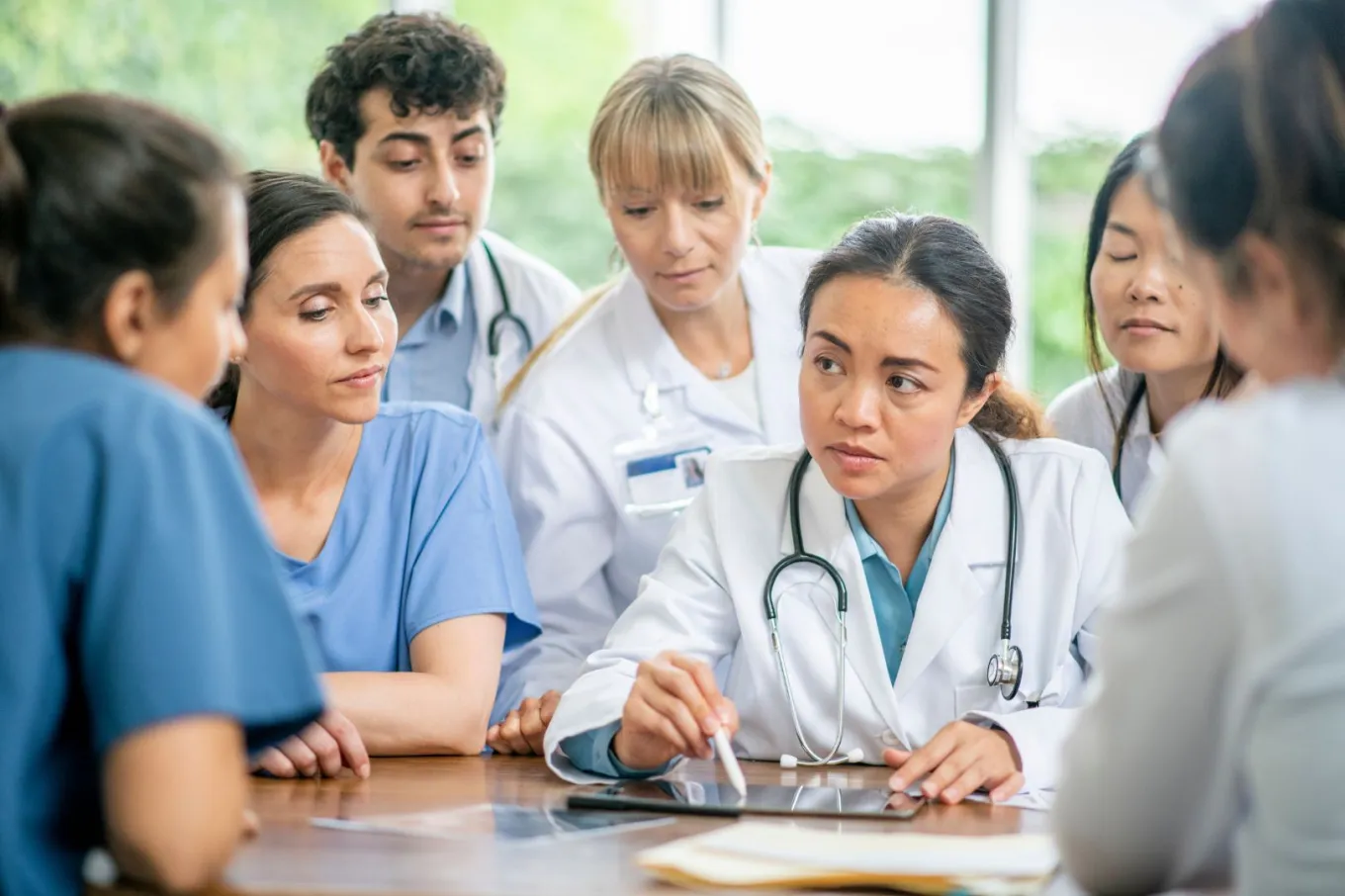
Nursing Students Train Near Piqua
One of the strengths of Edison State's Nursing programs is its connection to the local health care community. The College partners with area providers to offer clinical experiences that allow students to explore various areas of the health sciences field. These partnerships give students at Edison State access to meaningful, real-world training close to home.
Clinical training sites may include area hospitals, community centers, schools, and nursing homes, each offering a different perspective on patient care. Hospitals expose students to fast-paced, acute care environments, while nursing homes and community settings emphasize long-term and community-based care. A school nurse clinical experience provides nursing students with the opportunity to develop assessment, communication, and health promotion skills while caring for children and adolescents in a public setting. Experiencing these different settings helps students understand the full range of career opportunities available to nurses, including roles in hospitals, clinics, physicians' offices, home health, and long-term care.
Edison State's RN Pathway
Edison State offers a career-focused Registered Nursing associate degree program, along with an LPN/ADN Transition program for licensed practical nurses who want to continue their education. The programs prepare students to provide direct care to patients with common short- and long-term illnesses, combining classroom instruction, laboratory practice, and hands-on clinical experience.
These programs offer multiple application periods, giving students the opportunity to enter a nursing program at a time that works for them. This flexibility, paired with strong clinical partnerships, makes Edison State a practical choice for aspiring nurses in Piqua and the surrounding communities of Troy, Greenville, and Eaton.
Graduates are eligible to take the National Council Licensing Examination (NCLEX-RN) for licensure as a registered nurse. Students can also continue their education, supporting longer-term nursing career growth, with an RN to BSN program.
Hours and Expectations
Most nursing students at Edison State complete around 500 clinical hours throughout their program, aligning with state requirements for licensure. Clinical shifts typically range from four to 12 hours, depending on the clinical setting and the specific rotation. These long shifts provide students with realistic exposure to the demands of nursing, including managing multiple patients, prioritizing care, and collaborating with other nurses.
During clinicals, students develop skills such as conducting health assessments, prioritizing clinical concerns, documenting patient data accurately, and evaluating patient outcomes. Clinical paperwork is an important part of the experience, requiring students to maintain accurate information and complete nursing care plans for their assigned patients.
Students often start clinicals in their first semester or shortly thereafter, gradually increasing their responsibilities as they gain experience. The clinical setting varies, including hospitals, nursing homes, schools, and community health centers, offering exposure to diverse patient populations and health care environments. This variety helps students gain experience in different specialties and develop confidence in their nursing abilities.
To manage the physical demands of clinicals, students are encouraged to wear comfortable uniform scrubs and supportive shoes, and many find compression socks helpful during long shifts. Bringing essentials like a refillable water bottle is also recommended to stay hydrated during time-consuming clinical days.
Through these clinical hours, students not only meet educational requirements but also build the practical skills and professional habits necessary for a successful nursing career.
Support and Hands-On Learning at Edison State
Edison State's nursing faculty provide guidance throughout both classroom and clinical learning experiences. Students receive feedback, mentorship, and support as they manage patient care needs and develop communication, critical thinking, and clinical judgment skills.
Hands-on learning remains a central part of the nursing program. Through laboratory instruction, simulation activities, and supervised clinical experiences, students gain practical experience that prepares them for licensure and professional practice. Small, supportive learning environments help students feel comfortable asking questions and building their skills, which can be especially valuable during their first year at a community college.
Beyond nursing, Edison State's broader Health Sciences pathway offers a range of career-focused programs, allowing students to explore related opportunities as their interests grow. For many students in Piqua, clinical experience is not only a requirement but also a steppingstone toward a meaningful, lifelong career in health care.
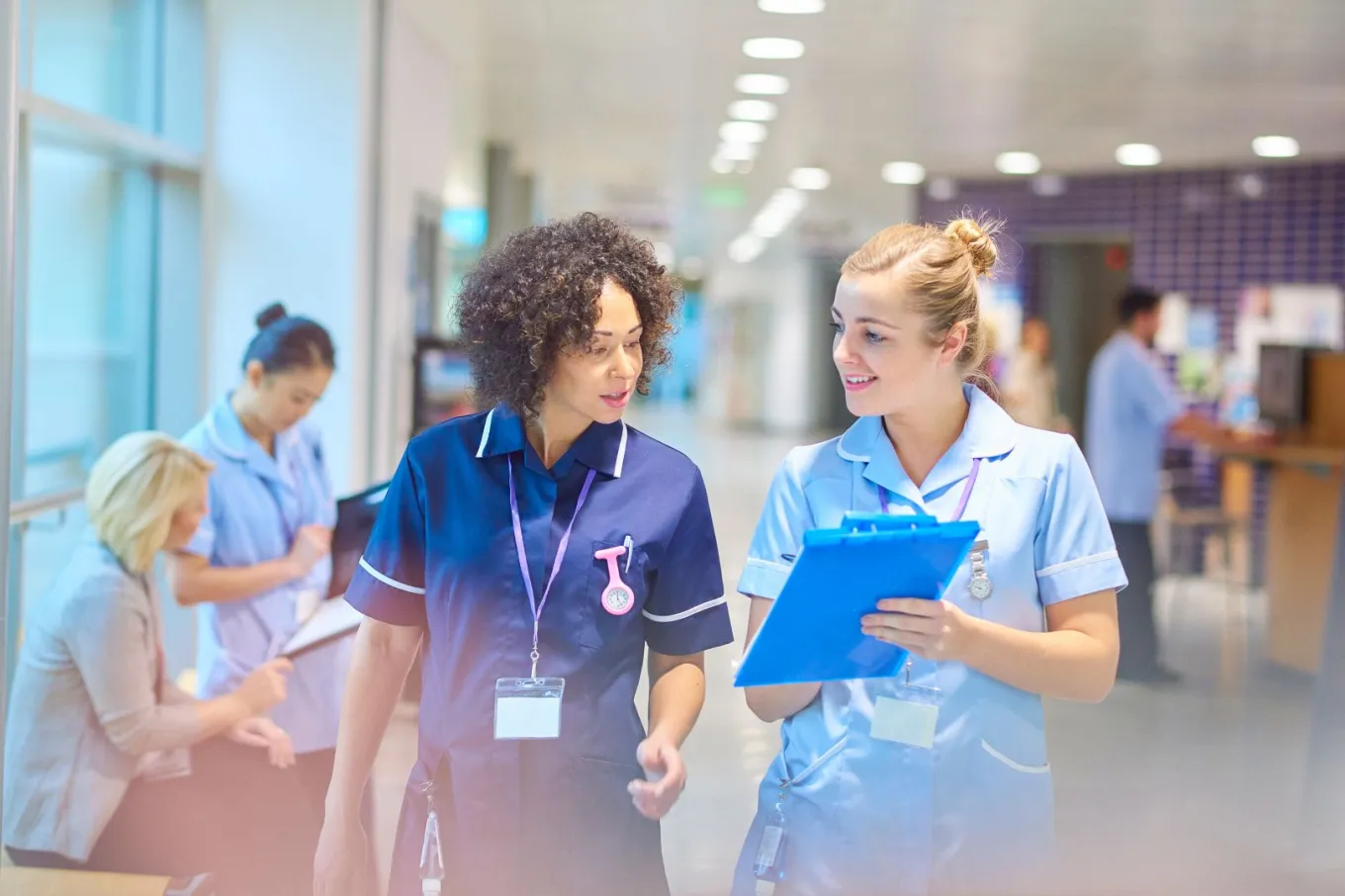
for a Successful Nursing Career
Clinical experiences are one of the most important components of nursing education because they allow students to apply classroom knowledge in real health care environments. Through patient interaction, clinical decision-making, teamwork, and hands-on skill development, students gain practical experience that prepares them for the realities of professional nursing practice.
Edison State's nursing programs provide students with meaningful clinical opportunities, experienced faculty support, and partnerships with local health care providers throughout west-central Ohio. These experiences help students build confidence, prepare for the NCLEX-RN, and develop the skills needed for successful nursing careers.
The College supports students pursuing a registered nurse program in Piqua with career-focused education and opportunities to develop practical nursing skills. We also offer the RN-to-BSN completion program, an Associate of Science, business management, and other programs. Explore our programs and take the next step toward your educational and career goals.
Frequently Asked Questions
What are nursing clinicals like in Piqua?
Nursing clinicals in Piqua are supervised, hands-on experiences where students care for patients in health care settings such as hospitals, community centers, schools, and nursing homes. Under the guidance of clinical instructors, students apply classroom knowledge, practice essential skills, and learn how a health care team works together. Each rotation offers exposure to different areas of care, helping students build confidence and discover their interests.
How do nursing clinicals work at Edison State?
At Edison State, nursing students first build foundational skills through classroom and laboratory instruction, then apply them during clinical rotations at area health care sites. A clinical instructor supervises students closely, providing guidance and feedback as they take on gradually increasing responsibility. This structure helps students transition safely from learning skills to using them with patients.
What happens during nursing school clinicals?
During clinicals, students take vital signs, complete assessments, administer medications, observe and support procedures, communicate with the care team, and document care. Days often begin with reviewing patient assignments and end with a group discussion reflecting on what was learned. These experiences help students develop both technical and interpersonal nursing skills.
Where do Edison State nursing students complete clinicals?
Edison State partners with area hospitals, community centers, schools, and nursing homes to provide clinical training sites for its nursing students. These partnerships give students in Piqua and nearby communities access to a variety of health care settings close to home. Experiencing different environments helps students explore the many career paths available in nursing.
How can I prepare for my first nursing clinical?
Preparing ahead of time can make your first clinical day much smoother. Review your assignments and relevant material, stay organized, arrive early, and be ready to ask questions. Practicing professionalism and taking care of yourself, through rest and stress management, can also help you stay focused and confident throughout the experience.
How many clinical hours do Edison State nursing students complete?
Nursing students at Edison State typically complete approximately 500 clinical hours throughout the program. These experiences take place in a variety of health care settings and help students develop patient-care skills, clinical judgment, communication abilities, and professional confidence before graduation.