



How Long Does It Take to Become an EMT?
Success as an EMT depends on fast decision-making, strong medical skills, and calm professionalism under pressure. Understanding training length, coursework, and certification steps helps learners plan their path toward emergency response careers and long-term growth.
January 9, 2026
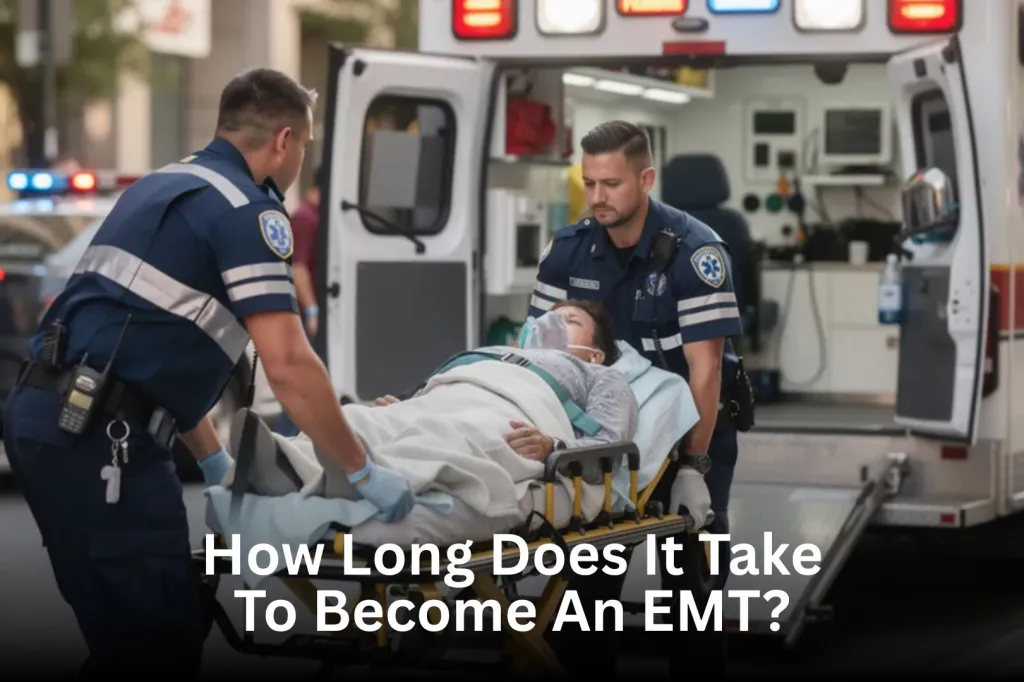
Emergency medical technicians play a vital role in providing rapid care during medical emergencies and accidents. This career path attracts students who want hands-on training and fast entry into health care, where they can provide meaningful community service. The timeline to becoming an EMT can vary based on program format, state requirements, and personal schedule. Understanding each stage of EMT education helps you plan your training and move forward with confidence. In this blog, we’ll break down how long EMT training typically takes and what factors can impact your timeline.
Key Takeaways
- Most people can become work-ready emergency medical technicians in about three to six months, with accelerated programs completing in as little as four to eight weeks and part-time options extending to nine to 12 months.
- EMT courses typically include 120–150 hours of classroom instruction plus 20–40 hours of clinical rotations and field experience before you sit for the National Registry of Emergency Medical Technicians (NREMT) exam.
- After finishing your EMT course, testing, and state certification usually adds another one to two months to your timeline.
- Prerequisites like obtaining your CPR certification, completing background checks, and gathering required documents may add one to four weeks before classes begin.
- Advancing to higher EMT levels, such as Advanced EMT or paramedic, requires an additional six to twenty-four months of training, depending on program intensity.
How Long Does It Take to Become an EMT?
Most new emergency medical technicians go from zero experience to certified in four to nine months. The timeline depends on your program format, schedule availability, and how quickly you complete your state certification exam and paperwork.
Here’s a typical breakdown of the journey:
|
Phase |
Timeframe |
|
Enrollment and prerequisites |
1–4 weeks |
|
EMT training program and clinicals |
2–6 months |
|
Exams and state processing |
2–8 weeks |
|
Total time to employment |
4–9 months |
Most programs require between 120 and 200 hours of supervised training. For example, standard benchmarks include approximately 120 hours of classroom and lab instruction, plus an additional 20–40 hours of clinical rotations and ambulance ride-alongs.
Different schedule formats dramatically affect your timeline:
- Fast-track boot camps: Four to eight weeks of full-time intensive training
- Standard community college semesters: About four months
- Evening and weekend formats: Six to nine months for working adults
What Does an EMT Do?
Emergency medical technicians serve as frontline prehospital care providers who respond to 911 calls and medical emergencies in communities across the country. They’re often the first health care professionals on the scene when someone dials for help.
Core responsibilities include:
- Performing patient assessment to determine illness or injury severity
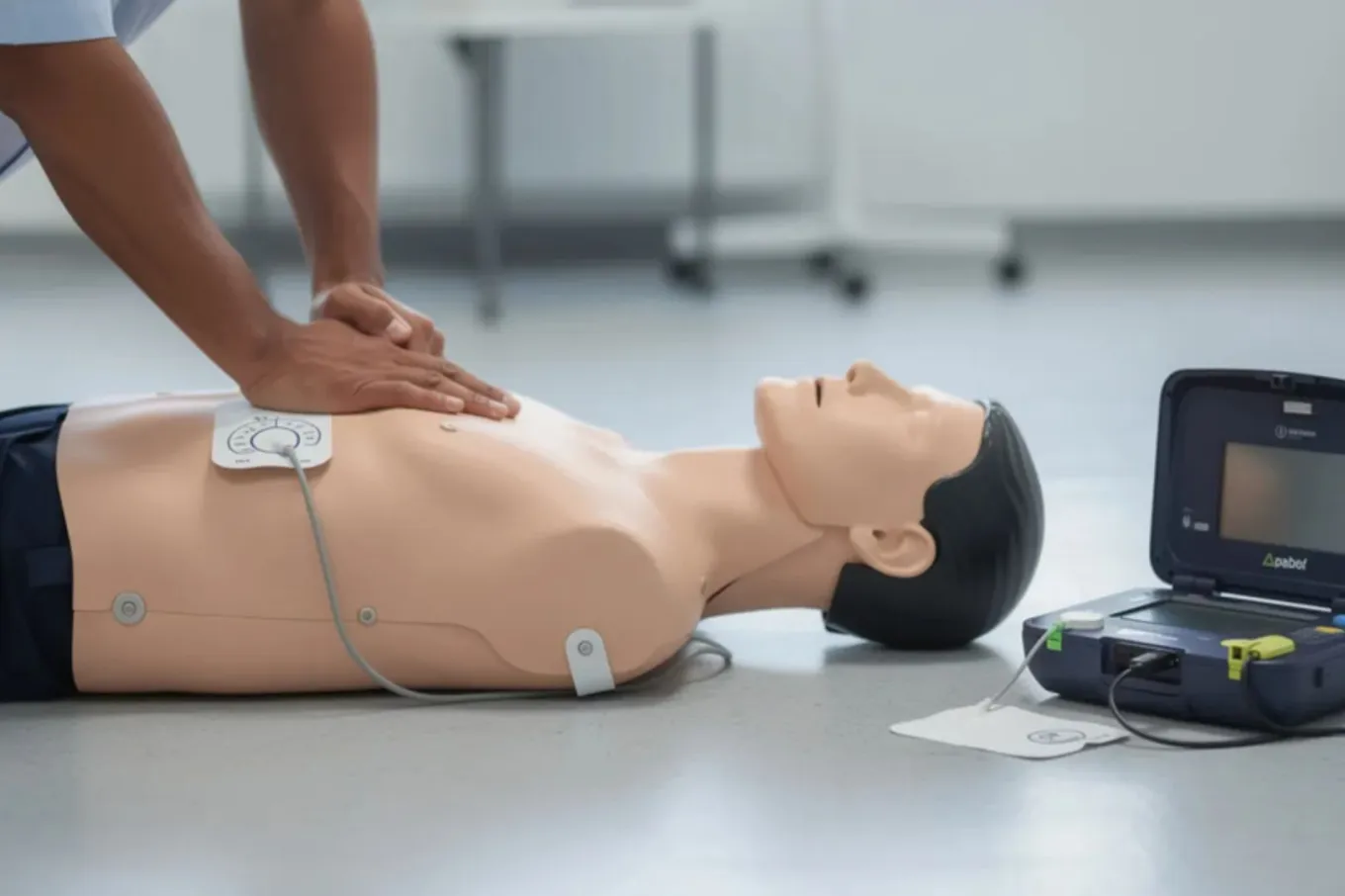
- Providing basic life support, including CPR and using an automated external defibrillator (AED)
- Managing bleeding, shock, and trauma
- Administering oxygen and managing airways with bag-valve masks
- Safely helping transport patients to medical facilities while providing continuing care en route
- Documenting all emergency care provided
EMTs work in various settings, such as:
- Municipal 911 ambulance services
- Private ambulance companies
- Hospital transport teams
- Fire departments
- Event medical services
- Wilderness and industrial settings
Real-world scenarios that EMTs respond to include car crashes, heart attacks, difficulty breathing, overdoses, falls, natural disasters, and mass casualty incidents. Beyond clinical work, EMTs must excel at calming anxious patients and families, coordinating with nurses and physicians, and maintaining clear communication through radio reports and written documentation.
What Are the Basic Requirements to Become an EMT?
Before enrolling in an EMT class, you’ll need to meet certain prerequisites. While exact requirements vary by state EMS office and training provider, most programs share common expectations.
Age and education requirements:
- At least 18 years old by the time of clinical rotations (some programs allow 16 to 17-year-olds to begin classroom training)
- High school diploma or GED (some programs accept students still completing their high school diploma or GED)
Health and safety prerequisites:
- Current vaccinations, including Hepatitis B, MMR (measles, mumps, and rubella), and flu shots
- TB screening
- Physical ability to lift patients and equipment (often 125+ pounds)
Background and eligibility standards:
- Criminal background check
- Drug screening
- Valid driver’s license (required by many employers even if not for the course itself)
What Is the Typical Educational Path for an EMT?
Most people entering the emergency medical services field start at the EMT-Basic level before considering advanced training. The educational background required is minimal, making this an accessible entry point into health care.
Step-by-step path to becoming an EMT:
- Meet prerequisites (age, education, CPR certification, health screenings)
- Enroll in and complete a state-approved EMT course
- Pass the NREMT exam (cognitive and psychomotor components)
- Obtain state certification through your state EMS office
- Apply for employment with ambulance services, fire departments, or medical facilities
Common training options include:
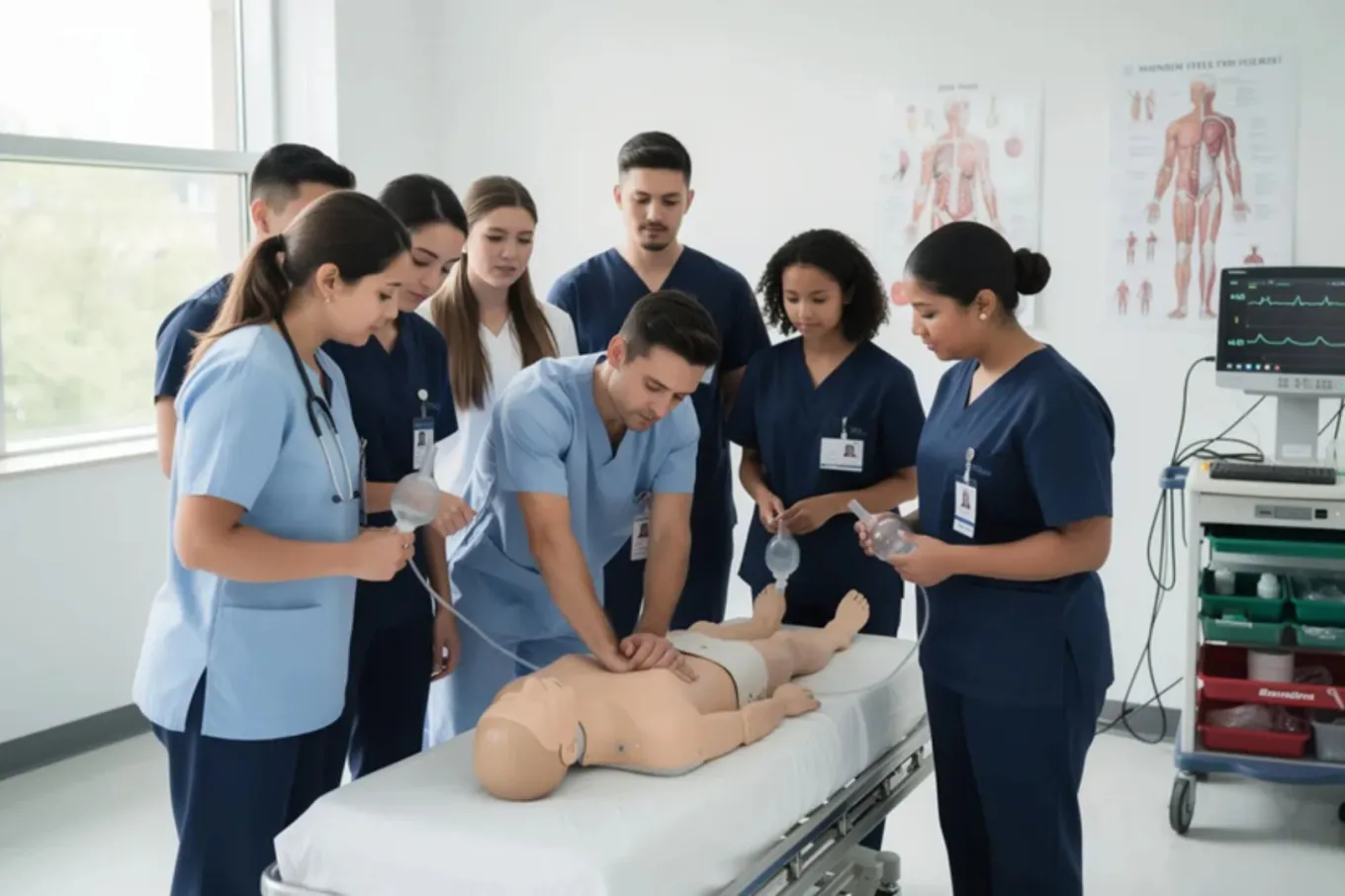
- Community colleges offering credit-bearing programs
- Technical schools with focused curricula
- EMS academies (often affiliated with hospitals or ambulance services)
- Accelerated programs and boot camps
All approved programs must meet state requirements and National EMS Education Standards. Some institutions offer associate degrees in emergency medical services that pair EMT certification with broader college coursework, providing a stronger foundation for career advancement.
Many EMT students use this education as a stepping stone into nursing, physician assistant programs, or medical school. The hands-on training and clinical exposure you gain responding to medical emergencies provide valuable experience that health care graduate programs appreciate.
How Long Are EMT Programs?
EMT programs include the formal course portion of your training and do not include exam scheduling and state licensure processing time. Understanding this distinction helps you plan realistically.
Typical EMT course durations:
|
Program Format |
Duration |
|
Full-time intensive |
6–12 weeks |
|
Part-time (evenings/weekends) |
3–6 months |
|
Semester-based at community colleges |
4–7 months |
|
Extended part-time |
7–9 months |
Schedule format significantly affects how long your training takes. Day-time intensive cohorts might meet 30–40 hours per week, while evening programs typically run two nights plus one weekend day per week at roughly eight to twelve hours total.
A typical program breakdown might look like:
- Eight to twelve hours of interactive lectures and classroom instruction per week
- Scheduled labs for hands-on skills practice
- Clinical shifts at hospitals toward the end of the course
- Ambulance ride-alongs with working EMS crews
Some states or colleges require more than the minimum 120 hours. Local rules and curriculum design can push programs closer to 150–180 hours total, so check with your specific program.
How Do You Get Certified as an EMT?
EMT certification is typically a two-part process: successful completion of an approved EMT training program, followed by passing standardized exams through the National Registry of Emergency Medical Technicians (NREMT).
The NREMT cognitive exam:
- Computer-adaptive test taken at an authorized testing center
- Covers airway management, cardiology, medical and trauma emergencies, and EMS operations
- Evaluates your knowledge of emergency scenarios and clinical decision-making
- First-attempt pass rates hover around 70–75% nationally, with 90% overall success, including retests
The psychomotor exam:
- State-approved hands-on testing of practical skills
- Includes scenarios such as patient assessment, bleeding control, shock management, and airway skills
- Demonstrates you can perform life-saving techniques under pressure
- May be administered by your training program or a state testing agency
After you complete training, most EMT students schedule their NREMT exam within a few weeks. The cognitive test costs approximately $80, while the psychomotor exam runs around $100. If you don’t pass on the first attempt, you have up to three retests within 24 months.
To obtain state certification, check your state EMS office website for any additional requirements beyond NREMT certification. Some states require extra local exams or specific paperwork. NREMT certification is valid for 24 months initially, with the expiration date calculated based on when you complete your training.
Are There Different Types of EMTs?
EMT roles are tiered, with each level requiring more education and providing greater clinical authority. Understanding these levels helps you plan your career path.
EMT (EMT-Basic):
- Entry-level certification focused on basic life support
- Non-invasive treatments and rapid transport
- Training: 120–200 hours over three to six months
- Scope: CPR, AED, bleeding control, splinting, oxygen administration, basic medical care
Advanced EMT (AEMT):
- Intermediate level available in many states
- Additional skills, including starting IVs, limited medication administration, and advanced airway support
- Training: Approximately 350 additional hours beyond EMT-Basic
- Typically adds six to twelve months to your education
Paramedic:
- Highest prehospital care level
- Advanced procedures, including intubation, cardiac monitoring, and a broad medication formulary
- Training: Eight months to two years beyond EMT
- Can administer 30+ medications and provide critical care
The time to advance from an emergency medical technician to an AEMT or paramedic ranges from several additional months to two years. Paramedic training is more intensive and often offered through community colleges as certificate or associate degree programs that prepare students for the most complex pre-hospital care situations.
What Skills Do EMTs Need?
EMTs must blend technical medical abilities with strong interpersonal skills needed to perform effectively under pressure. The EMT course curriculum addresses both areas comprehensively.
Core clinical skills:
- Patient assessment and vital sign measurement
- Cardiopulmonary resuscitation (CPR) and AED operation
- Bleeding control and wound management
- Splinting fractures and stabilizing injuries
- Managing respiratory distress with oxygen and airway devices
- Helping stabilize patients with shock or trauma
Soft skills:
- Calm communication with patients experiencing medical emergencies
- Clear interaction with distressed families
- Teamwork with other emergency responders
- Accurate radio communication and written reporting
- Cultural sensitivity and compassion
Cognitive traits:
- Quick decision-making in emergency situations
- Situational awareness on roadways and at incident scenes
- Ability to prioritize when multiple patients need immediate medical care
- Retention of protocols for life-saving care
How Many Hours Do EMTs Typically Work?
EMT work schedules vary widely by employer, region, and service type. Understanding typical patterns helps you prepare for this career’s demands.
Common scheduling patterns:
|
Schedule Type |
Description |
|
Traditional |
Five 8-hour shifts per week |
|
Compressed |
Four 10-hour shifts per week |
|
Extended |
Three 12-hour shifts per week |
|
24-hour |
24 hours on, 24–72 hours off |
Fire-based and rural emergency medical services often use 24-hour shift models, while urban private ambulance companies and hospital transport teams typically employ eight to twelve-hour shifts. Some agencies use rotating schedules that cycle through day, evening, and night shifts.
Key considerations:
- Nights, weekends, and holidays are frequently required since emergencies occur around the clock
- Overtime is common during staffing shortages
- Some positions require being on-call
- Part-time and per-diem positions offer flexibility for those balancing other commitments
New EMTs should prepare for rotating schedules and the physical demands of working through the night. Many find the schedule variety appealing, as it differs from traditional 9-to-5 work and allows for multiple days off in a row.
What Is the Average EMT Salary and Job Outlook?
Understanding compensation and job outlook helps you evaluate whether this career path aligns with your goals.
|
Factor |
Impact on Pay |
|
Geographic region |
Urban and high-cost-of-living areas typically pay more. |
|
Employer type |
Fire departments often pay more than private ambulances. |
|
Certification level |
Paramedics earn significantly more than EMTs. |
|
Experience |
Pay increases with years of service. |
Common benefits include:
- Health insurance
- Retirement plans
- Overtime pay
- Tuition assistance for paramedic training or other advanced training
- Shift differentials for nights and weekends
EMT experience can significantly improve long-term earning potential by opening doors to higher-paying roles within EMS or broader health care careers. Many use their emergency care experience as a foundation for nursing, physician assistant, or other medical field positions.
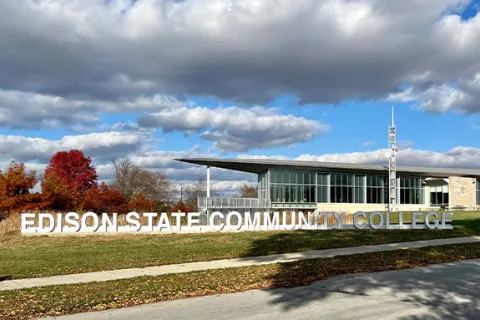
Edison State Community College offers an emergency medical technician program, as well as a paramedic certificate program, which will help you build job-ready skills through structured coursework, hands-on learning, and career-focused preparation. We also offer training opportunities in other health sciences pathways. Request information today and take the next step toward your future in emergency medical services.
Frequently Asked Questions
Can I become an EMT while I’m still in high school?
In some areas, high school seniors may begin EMT coursework at age 17, especially the classroom portion. However, clinical rotations and state certification usually require you to be 18. Many students complete most of their training early and finalize clinical requirements and NREMT testing after turning 18.
Is it possible to complete EMT training while working a full-time job?
Yes, many EMT programs offer flexible evening, weekend, or hybrid schedules designed for working adults. Online lectures can reduce weekday demands, but you’ll still need time for hands-on skills labs, clinical rotations, and exam preparation. Good time management is important for balancing work and training.
Do I need previous medical experience to start an EMT program?
No previous medical experience is required for most EMT programs. These programs build training for beginners and teach essential knowledge from the start, including anatomy basics, patient assessment, and emergency procedures. Having comfort with biology or anatomy may help, but the curriculum covers everything needed to succeed.
Can I complete any part of EMT training entirely online?
Some hybrid programs may offer EMT coursework, such as lectures and written assignments, online. However, you will need to complete hands-on skills labs, clinical hours, and final skills testing in person. EMT certification cannot be earned entirely online because practical competency must be demonstrated.
How often do I have to renew my EMT certification?
EMT certification is generally renewed every two years. Renewal typically requires completing continuing education hours, which may vary by state, and sometimes passing a refresher course or recertification exam. Requirements can differ between state EMS offices and the National Registry, so verify both.