
From RN-to-BSN and Beyond: Flexible RN-to-BSN Pathways for Working Nurses
Discover how advancing from an RN to a BSN can expand your nursing career through leadership roles, specialty practice, advanced degrees, and flexible educational pathways while building the skills needed for long-term professional growth and success.
July 20, 2016
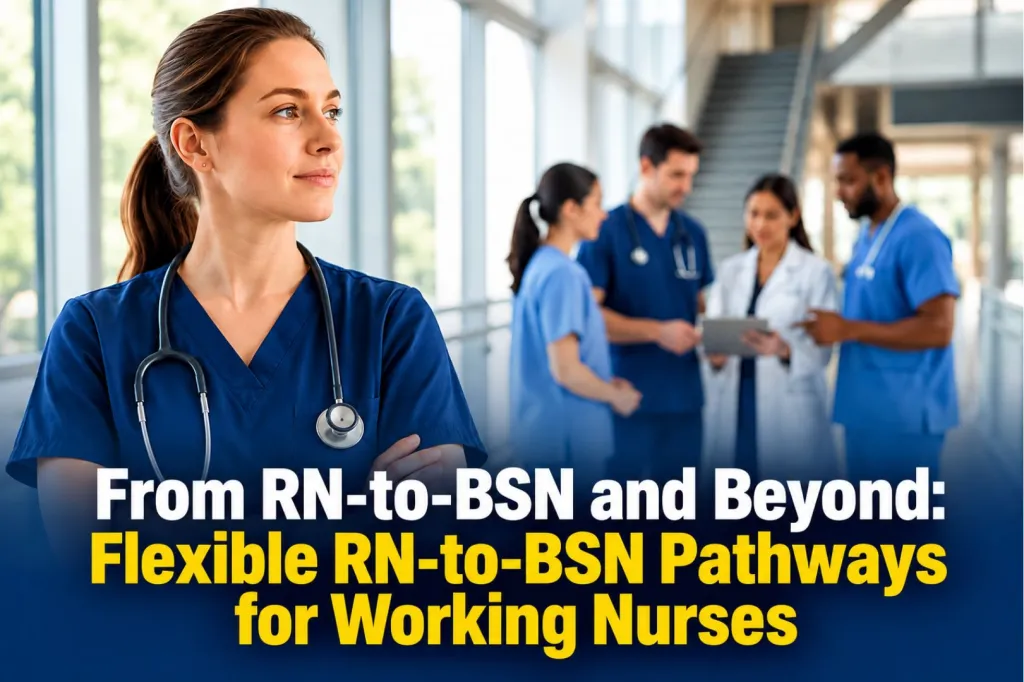
Nursing is one of the most in-demand professions today, and for registered nurses looking to advance their careers, the path from an associate degree in nursing to a Bachelor of Science in Nursing opens a wider range of career possibilities. Health care organizations across the country are actively seeking BSN-prepared nurses to fill leadership positions, specialty roles, and advanced practice openings, making now the ideal time for students to invest in their nursing careers.
Whether you're a working nurse weighing an RN-to-BSN program, considering advanced certifications, or exploring entirely new career paths in the nursing field, the options available to you are both diverse and rewarding. This blog breaks down the RN-to-BSN pathway, highlights career growth opportunities beyond the bachelor's degree, and shows how flexible educational pathways can support your professional growth every step of the way.
Edison State's RN-to-BSN Pathway
Edison State Community College designed its RN-to-BSN completion program for working registered nurses who want to expand their professional opportunities while balancing career and personal responsibilities. The program builds on existing clinical experience while helping students strengthen leadership, evidence-based practice, communication, population health, and professional decision-making skills.
Through flexible learning options, transfer-friendly pathways, Prior Learning Assessment opportunities, and academic support services, Edison State helps nurses continue their education while preparing for long-term career growth.
Key Takeaways
- The RN-to-BSN program opens doors to leadership and specialty nursing roles for registered nurses seeking career advancement, with most programs taking just 12 to 18 months to complete.
- Advanced nursing degrees lead to higher earning potential and diverse career paths well beyond bedside patient care.
- Flexible educational pathways, including online coursework, transfer-friendly options, and Prior Learning Assessment opportunities, can help nurses earn a BSN while balancing work and family responsibilities.
- The health care, business, and technology sectors offer expanding opportunities for nursing professionals with a BSN or higher.
- Career advancement options include management, education, research, specialized clinical roles, and nontraditional positions like legal nurse consultant or nursing informatics specialist.
Understanding the RN-to-BSN Pathway for Students
The RN-to-BSN pathway is designed for registered nurses with an associate degree or nursing diploma who want to earn a bachelor's degree in nursing. This bridge program builds on the clinical expertise you already have and adds coursework in leadership, evidence-based practice, population health, public health, and research skills that most nurses need to advance in today's health care facilities. It also helps sharpen your critical thinking and clinical judgment and expands both clinical and non-clinical career options.
Why is the BSN increasingly important? Approximately 82.1% of employers prefer BSN-prepared nurses, and hospitals pursuing Magnet recognition often target 80% or more of their nursing staff to hold a BSN or higher. Research links BSN education to improved patient outcomes, including lower mortality rates and fewer hospital readmissions. As of 2021, 56% of nurses held a BSN or higher, and that number continues to climb as health care systems raise their standards.
For working nurses, flexibility when pursuing a BSN is a top concern. Many RN-to-BSN programs, including Edison State's, are designed specifically for working adults and offer a predominantly online format that allows students to complete coursework around professional and personal commitments. RN-to-BSN programs typically take 12 to 18 months to complete on a full-time basis, and part-time options can stretch that to two or three years depending on your schedule. Tuition reimbursement is often available for nurses pursuing a BSN from employers, reducing the financial burden.
Flexible Educational Opportunities for Working Nurses
Because many RN-to-BSN students are already working nurses, flexibility is essential. Online coursework and transfer-friendly pathways make it possible to advance your education without stepping away from your career.
Edison State's RN-to-BSN completion program supports working nurses through flexible learning opportunities and academic support services. Students can build on existing nursing education while strengthening skills in leadership, evidence-based practice, population health, and professional communication.
Students may also benefit from Prior Learning Assessment opportunities that recognize approved prior learning experiences, certifications, and professional knowledge. These options can help eligible students avoid repeating material they’ve already mastered and may accelerate degree completion.
Advanced Degree Pathways

For many nurses, a BSN serves as a foundation for graduate education and advanced practice opportunities. Nurses who want to expand their clinical expertise, leadership responsibilities, or educational qualifications may continue into master's or doctoral programs.
- Master of Science in Nursing (MSN) specializations include family nurse practitioner, pediatric NP, adult/gerontology NP, psychiatric mental health NP, nurse educator, and nurse administrator.
- Doctoral programs represent the highest level of nursing education. The Doctor of Nursing Practice (DNP) is a practice-oriented doctorate preparing nurses for advanced clinical leadership, health policy, or executive roles. The PhD in Nursing focuses on research, evidence generation, and academic careers. Several Ohio universities offer BSN to DNP tracks, making these pathways increasingly accessible.
How Edison State Supports Nursing Career Growth
Edison State is a trusted educational resource for nurses seeking professional advancement throughout west-central Ohio. Through the RN-to-BSN completion program, students can strengthen their clinical knowledge while developing leadership, communication, and evidence-based practice skills that support long-term career growth.
Students benefit from:
- A primarily online format designed for working professionals
- Transfer-friendly educational pathways
- Prior Learning Assessment opportunities
- Academic advising and student support services
- Career-focused nursing education
Edison State's commitment to accessible, affordable education helps nurses advance their careers while staying connected to their employers, families, and communities.
Advance Your Nursing Career with Confidence

Advancing from an RN to a BSN creates opportunities for leadership, specialty practice, graduate education, and long-term professional growth. Through expanded coursework in evidence-based practice, population health, communication, and leadership, nurses can strengthen the skills needed to succeed in today's evolving health care environment.
Edison State’s RN-to-BSN completion program offers a flexible, primarily online pathway for working nurses who want to continue their education while balancing professional and personal responsibilities. Students can complete most coursework remotely, making the program accessible regardless of where they live or work.
Through academic support, transfer opportunities, Prior Learning Assessment options, and career-focused instruction, students can prepare for nursing opportunities with confidence. We also offer Associate of Science, Associate of Arts, business management, and engineering & manufacturing programs to support a variety of career interests.
Frequently Asked Questions
How long does it typically take to complete the RN-to-BSN completion program while working full time?
The RN-to-BSN completion program typically takes 12 to 18 months to complete for full-time students. If you're balancing a full-time nursing schedule and family commitments, part-time enrollment can extend completion to two or three years. Edison State’s primarily online RN-to-BSN completion program is designed specifically for working nurses, allowing students to complete most coursework remotely while balancing professional and personal re.
What career opportunities are specifically available for BSN nurses in the west-central Ohio region?
BSN nurses in the west-central Ohio area can pursue positions in hospitals, outpatient clinics, home health agencies, community clinics, public health departments, and long-term care settings. Roles range from specialty clinical nursing in critical care and pediatrics to leadership positions like charge nurse and nurse manager.
What advanced nursing specialties are in the highest demand in Ohio's health care market?
Family nurse practitioner, psychiatric mental health nurse practitioner, and adult/gerontology nurse practitioner are among the most in-demand specializations. Nurse educator and nurse administrator roles are also growing. Ohio's aging population and rural health care needs are driving particular demand for providers who specialize in managing chronic conditions, public health, and outpatient care.
How can Edison State support my nursing career development goals?
Edison State offers an RN-to-BSN completion program, articulation agreements with four-year universities, credit for prior experience, and flexible scheduling designed for working nurses. Its health sciences programs provide hands-on clinical training, and programs in business, technology, and allied health create interdisciplinary career development opportunities.