Exploring the Benefits of a Career in Practical Nursing at Edison State Community College’s Eaton Campus
Practical nursing careers in Ohio offer hands-on patient care experience, strong job demand, and quick entry into health care. Training programs build essential clinical skills, prepare students for licensure, and open career pathways to hospitals, clinics, and long-term care settings.
April 10, 2026
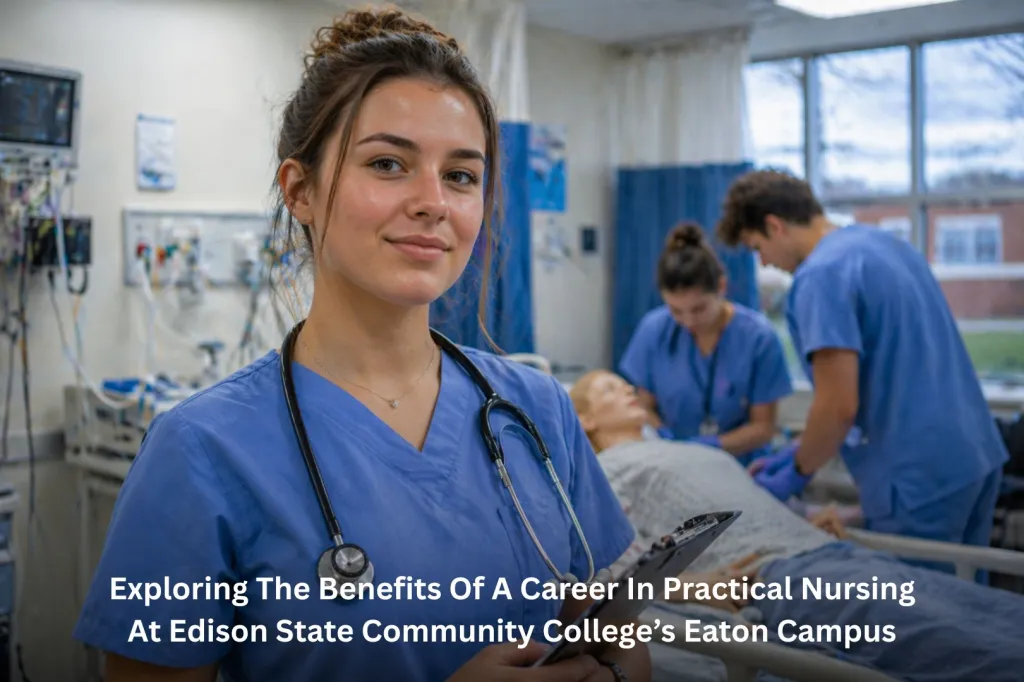
Health care employers across Eaton and neighboring communities like Troy, Greenville, and Piqua are actively seeking licensed practical nurses to fill essential roles in patient care. A practical nursing career offers one of the fastest pathways into the health care industry, allowing students to complete training and enter the workforce in as little as two semesters.
This blog examines the key benefits of pursuing practical nursing in the Eaton area, from strong employment outcomes and competitive salaries to hands-on training opportunities with local health care partners. Whether you’re considering a career change or taking your first steps into the nursing profession, understanding these advantages will help you make an informed decision about your future.
Edison State's Practical Nursing Pathway
Edison State Community College's Practical Nursing program at the Eaton location prepares students for entry into the nursing profession through classroom instruction, laboratory practice, simulation experiences, and supervised clinical training. Students develop foundational nursing knowledge and hands-on patient care skills while preparing for the NCLEX-PN licensure examination and employment in a variety of health care settings.
The program combines academic coursework with real-world clinical experiences that help students build confidence in patient assessment, medication administration, communication, documentation, and nursing care. Students can also explore future educational opportunities through Edison State's LPN-to-ADN Transition and RN-to-BSN Completion pathways.
Key Takeaways
- High demand for licensed practical nurses exists across Eaton and surrounding communities, including Troy, Piqua, and Greenville.
- Accelerated LPN programs provide hands-on experience and clinical rotations with area health care facilities.
- Local LPN salaries average approximately $32 per hour, with opportunities for growth based on experience and specialization.
- Flexible work settings span hospitals, nursing homes, rehabilitation centers, home health agencies, and long-term care facilities.
- Prior Learning Assessment options allow students to maximize existing credits and reduce program duration.
- Clear career advancement pathways lead from LPN to registered nurse through bridge programs.
Strong Job Market and Employment Opportunities in Eaton
The Eaton area presents a robust job market for practical nursing graduates, driven by an aging population and expanding health care services. Ohio employs over 37,000 LPNs statewide, with job openings reflecting consistent demand. This job stability makes practical nursing an in-demand career for individuals seeking reliable employment in healthcare settings.
Local employers offer competitive compensation that rewards skilled nursing professionals. LPNs in Ohio earn an average wage of approximately $27 per hour. Annual salaries for Ohio LPNs are approximately $59,000, offering financial stability in a profession dedicated to compassionate care.
The healthcare industry in this region encompasses diverse facility types, creating varied career opportunities for LPN program graduates. These facilities represent acute care, long-term care facilities, rehabilitation centers, and assisted living environments where LPNs play a vital role in patient recovery.
Real-World Employment Pathways
Health care facilities throughout the Eaton region provide immediate employment pathways for newly licensed practical nurses. Hospitals, nursing homes, and rehabilitation centers actively recruit graduates from accredited programs, offering positions that allow new professionals to gain experience while developing specialized skills. Home healthcare services and physician offices expand these opportunities further, creating flexible options for various career goals.
Career progression typically begins in long-term care facilities or rehabilitation settings, where new LPNs master essential skills in basic patient care, administering medications, and wound care. As nurses gain experience, they often transition into specialized roles in various settings such as hospitals, extended care facilities, nursing homes, rehabilitation units, medical offices, and private or home nursing. Supervisory positions become available to experienced professionals who demonstrate leadership capabilities alongside clinical expertise.
Comprehensive Training and Skill Development Programs
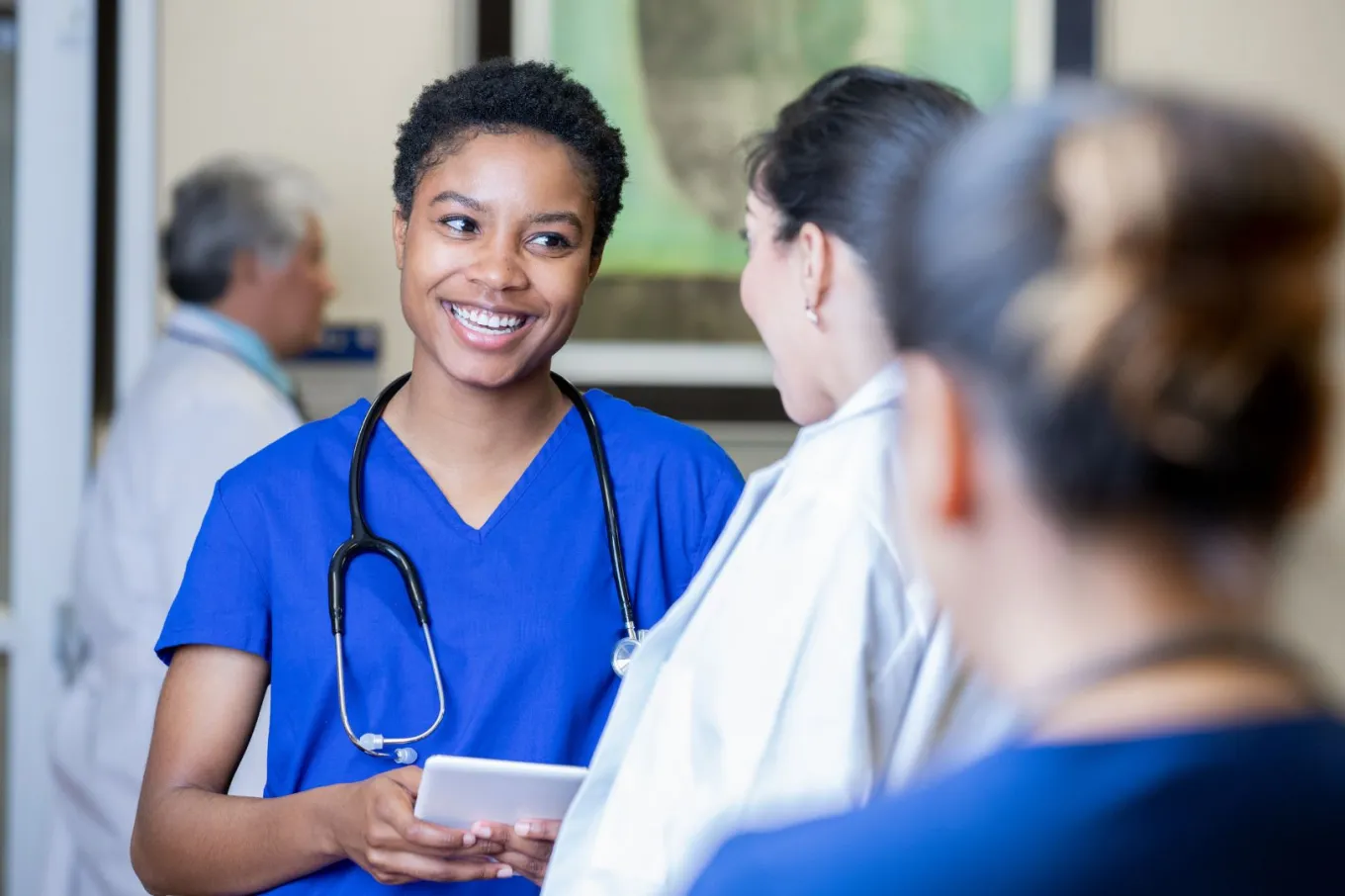
Practical nursing education delivers concentrated preparation for patient care through a curriculum balancing theoretical knowledge with hands-on training. Programs cover anatomy and physiology, pharmacology, nursing fundamentals, nutrition, mental health, and maternal/child care. Clinical experiences complement classroom learning, ensuring graduates possess the skills necessary for immediate employment.
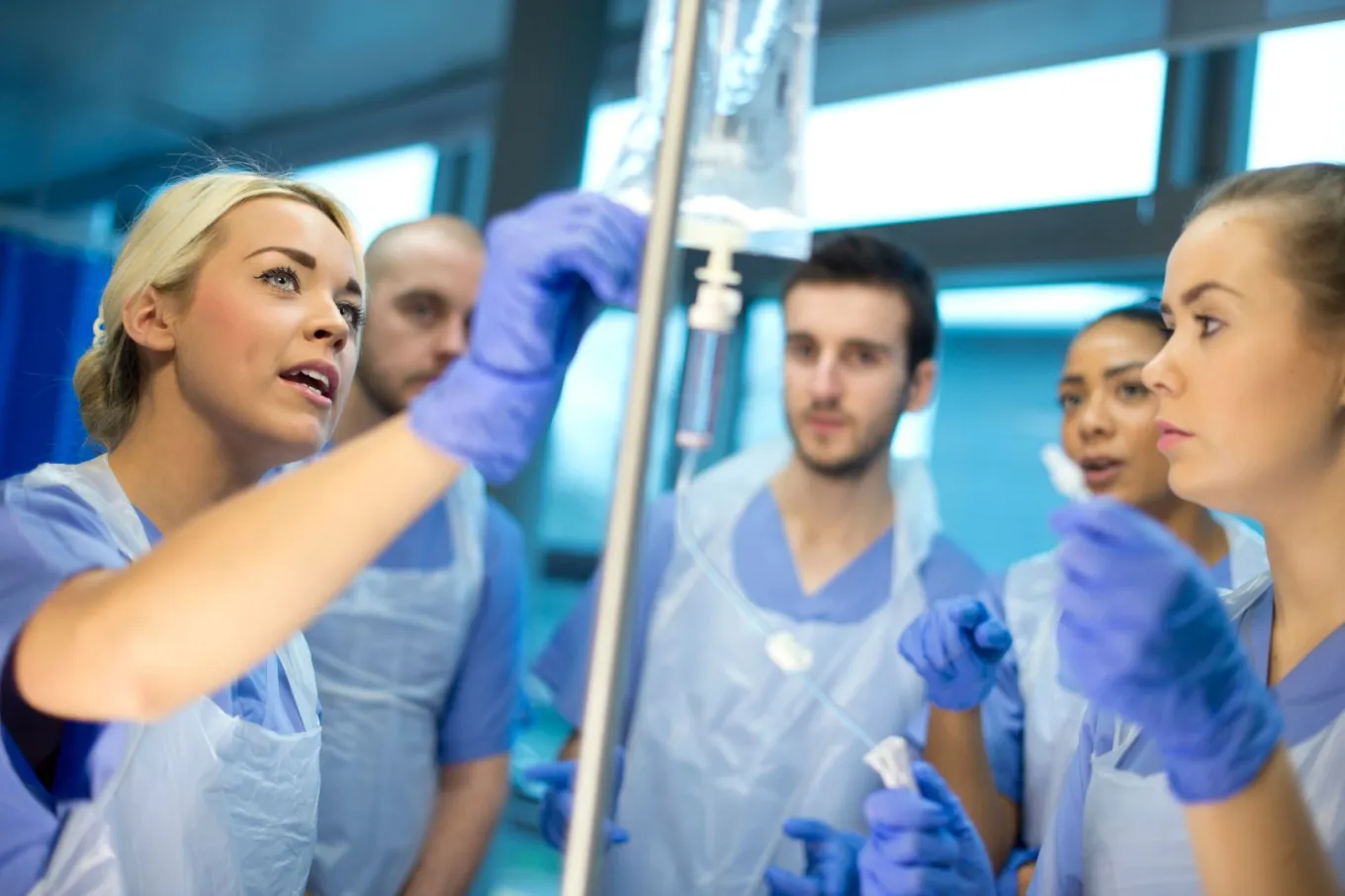
The accelerated timeline of practical nursing education represents one of the biggest advantages over traditional four-year degrees. State-of-the-art simulation labs and skills laboratories prepare students for real-world health care challenges. These facilities allow learners to practice clinical procedures, develop critical thinking abilities, and build confidence before entering actual patient care environments. Modern training methodologies ensure graduates are prepared to provide safe, competent care from their first day of employment.
Maximizing Your Educational Investment
Prior Learning Assessment offers students the opportunity to receive credit for existing education or professional experience, potentially shortening program duration and reducing costs. Students with previous health care exposure, military training, or relevant coursework should inquire about PLA options when exploring LPN programs.
Flexible scheduling accommodates working professionals and non-traditional students pursuing a nursing career, reinforcing the benefits of starting at a community college. Some general education and co-requisite coursework may be completed through flexible scheduling options that help students balance educational and personal responsibilities. This accessibility makes practical nursing an achievable career choice for diverse learners.
Student support services enhance the educational experience through academic advising, career counseling, and job placement assistance. These resources help students navigate program requirements while preparing for the national council licensure examination and subsequent employment opportunities.
Career Advancement and Professional Growth Opportunities
Practical nursing serves as an excellent stepping stone toward advanced nursing roles and an expanded scope of practice. LPN-to-ADN bridge programs provide a structured career path for nurses seeking to become registered nurses, building on existing knowledge and clinical experience.
Specialization opportunities allow experienced LPNs to develop expertise in specific patient populations or care modalities. Geriatrics, pediatrics, wound care, and IV therapy represent common areas where nurses pursue additional certifications and training. These specializations often command higher compensation while providing professional fulfillment through focused patient care.
Leadership roles emerge for LPNs demonstrating clinical excellence and organizational abilities. Long-term care facilities and nursing homes frequently promote experienced nurses to supervisory positions, overseeing care teams and ensuring quality patient outcomes. These advancement opportunities reward dedication while expanding professional responsibilities.
Continuing education requirements maintain licensure while promoting ongoing skill development. Health care professionals must complete regular training to stay current with evolving practices, medications, and technologies. This commitment to continuing education ensures LPNs play an essential role in delivering contemporary, evidence-based care throughout their careers.
Some nurses ultimately pursue a bachelor’s degree or advanced credentials, such as an RN to BSN program. The foundation already established creates a solid base for these extended educational journeys, making the initial LPN credential a strategic first step toward broader career goals.
Building a Rewarding Future in Health Care
Practical nursing offers a stable and meaningful path for individuals passionate about patient care. With strong job demand, hands-on experience, and opportunities for advancement, practical nursing provides a solid foundation for long-term success while allowing individuals to make a real difference in their communities.
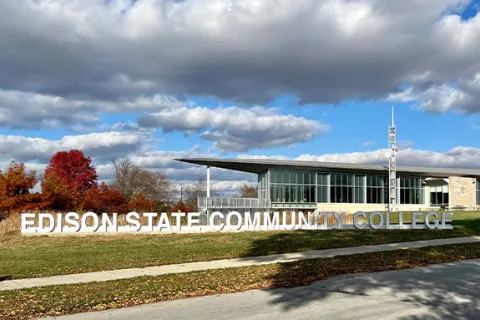
Edison State Community College offers a trusted practical nursing program in Eaton, helping students prepare for in-demand healthcare roles. Through clinical experiences, simulation-based learning, and pathways such as the LPN-to-ADN Transition and RN-to-BSN Completion programs, students can continue to build their skills and expand their career opportunities throughout their professional journey.
Frequently Asked Questions
Can I advance my career after becoming a practical nurse?
Absolutely. Licensed practical nurses can pursue LPN-to-ADN bridge programs to become registered nurses. Specialization certifications, supervisory roles, and continuing education opportunities provide additional advancement options for career-focused professionals.
What hands-on experience will I gain during practical nursing training?
Practical nursing students complete clinical rotations at area health care facilities, gaining experience in administering medications, wound care, vital signs monitoring, and patient assessment. Simulation labs and skills laboratories prepare students for these clinical hours, ensuring graduates are prepared for immediate patient care responsibilities.
What types of work schedules are available for practical nurses?
Practical nurses can choose from a variety of work schedules, including full-time, part-time, day, evening, and night shifts. This flexibility allows nurses to balance their professional and personal lives effectively.
Are there opportunities for practical nurses to gain hands-on work experience during their training?
Yes. Practical nursing programs include practical training through clinical rotations in hospitals, clinics, and long-term care facilities. This hands-on work experience prepares students for real-world nursing responsibilities.
What settings can practical nurses work in besides hospitals?
Practical nurses have diverse employment options, including nursing homes, rehabilitation centers, clinics, private homes, and home healthcare agencies. This variety allows nurses to find environments that align with their interests and career goals.
How does Edison State prepare students for practical nursing careers?
Edison State's Practical Nursing program combines classroom instruction, laboratory experiences, simulation training, and supervised clinical rotations that help students build the knowledge and skills needed for licensure and employment. Students also benefit from career-focused support and opportunities for continued nursing education through advanced nursing pathways.