

Starting at a Community College: A Smart First Step Toward a Four-Year Degree
Learn how starting at a community college can save money, build academic confidence, and create a smooth transfer path to a four-year university and bachelor’s degree.
December 16, 2025
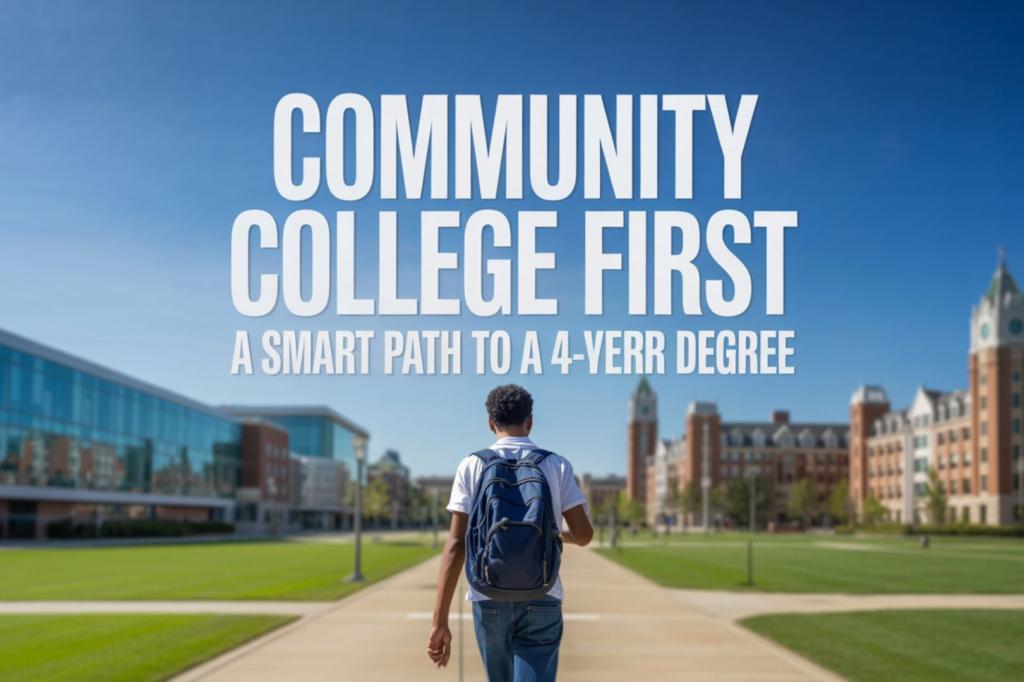
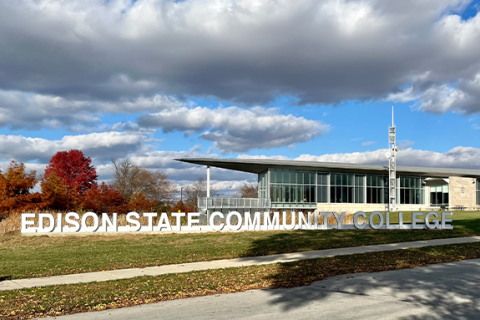
When students in west-central Ohio think about earning a bachelor’s degree, many begin at Edison State Community College before transferring to a four-year university. Rather than choosing community college or university, students often use both to create a strategic, cost-effective pathway to a four-year degree.
At Edison State, starting close to home allows students to complete foundational coursework, build confidence, and prepare academically before transferring to a university to finish their bachelor’s degree.
Across the country, students are using community colleges as a launchpad to four-year universities, graduating with the same bachelor’s degree as their peers while reducing debt, strengthening academic skills, and gaining clarity about their career goals.
The Stepping-Stone Model: How Community College Leads to a Bachelor’s Degree
A common and highly effective path looks like this:
Two years at a community college → Transfer → Two years at a university → Bachelor’s degree
This “2+2” approach combines the advantages of both systems:
- Affordable tuition and flexibility early on
- Academic support that builds strong foundations
- University credentials and expanded career opportunities later
Edison State’s Associate of Arts (A.A.) and Associate of Science (A.S.) degrees help students choose a transfer pathway and work toward their academic and career goals.
Why Starting at a Community College Pays Off
Lower Costs That Create Long-Term Flexibility
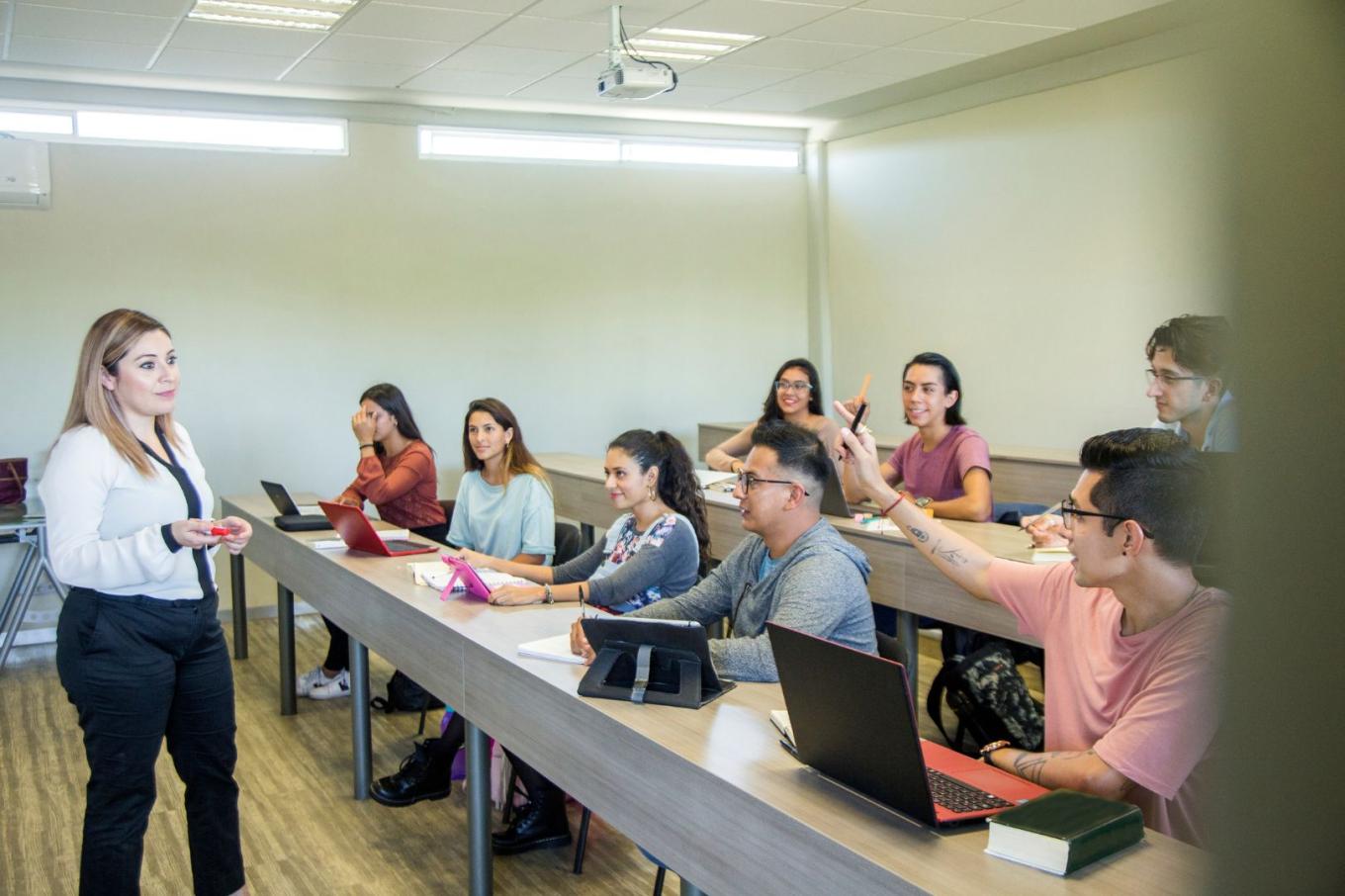
The first two years of college typically focus on general education courses. Completing general education courses at Edison State Community College can significantly reduce the total cost of earning a bachelor’s degree compared to starting at a university.
This financial advantage allows students to:
- Transfer with less student debt
- Take internships that build experience
- Consider graduate school in the future
- Focus on career growth rather than loan repayment early on
Stronger Academic Foundations Before Transferring
Edison State emphasizes teaching and student support, offering smaller class sizes and direct access to instructors to help students build strong academic foundations before transferring.
Students often transfer with:
- Stronger study habits
- Better time management
- Greater academic confidence
- Faculty relationships that lead to recommendations
Time to Explore Majors Without High Costs
Community college gives students space to:
- Explore academic interests affordably
- Take introductory courses in multiple fields
- Clarify career goals before committing to a major
Explore your options with Edison State’s degree and certificate programs designed to support your academic and career goals. Edison State offers Associate of Arts and Associate of Science degree pathways that allow students to complete general education requirements while exploring areas of academic interest before selecting a university major.
Employers Focus on the Final Degree
After transferring, a student’s bachelor’s degree is awarded by the university. Employers typically focus on:
- Your highest degree earned
- Skills and certifications
- Work experience and internships
A Supportive Start for Many Types of Students
At Edison State Community College, students from diverse backgrounds begin their college journey in an environment designed to support academic growth and flexibility. Community colleges provide an environment that helps students adjust to college expectations, particularly those who:
- Are first-generation college students
- Are returning to education after time away
- Are you balancing school with work or family responsibilities
The Outcome: A Bachelor’s Degree with Key Advantages
Students who begin at a community college and transfer often graduate with:
- A four-year degree
- Lower overall student debt
- Strong academic and time-management skills
- Work experience gained during school
- Clearer career goals
Who Should Consider Starting at a Community College?
This pathway can be especially beneficial for students who:
- Plan to earn a bachelor’s degree but want to reduce costs
- Are unsure about their major
- Want a supportive academic environment first
- Need flexibility for work or family responsibilities
Turning a Long-Term Goal into a Smart Plan

Edison State students are encouraged to meet with an Academic Advisor to select a transfer-friendly associate degree pathway and ensure coursework aligns with their intended university.
A smart plan includes:
- Identifying a long-term career goal
- Understanding the bachelor’s degree required
- Choosing a transfer-friendly associate program
- Working with advisors to ensure credits transfer smoothly
Work with a Career Pathways Advisor to select the academic pathway that supports your career goals.
Building the Foundation at Edison State Community College
At Edison State, many students enroll in the Associate of Arts or Associate of Science degree with the goal of transferring to a four-year university. These programs focus on general education and foundational coursework designed to prepare students academically for upper-division study.
By beginning at Edison State, students can complete transferable coursework while staying connected to a local campus community in Piqua and the surrounding areas.
Choosing the Right Educational Path for Your Career
Choosing to begin your education at Edison State Community College can provide a structured, affordable start toward a bachelor’s degree. With transfer-focused Associate of Arts and Associate of Science programs, accessible faculty, and academic advising support, students can build a strong academic foundation before moving on to a four-year institution.
At Edison State Community College, we focus on accessible, career-driven education that supports student success. As a trusted community college, we help students build strong foundations, develop in-demand skills, and confidently move forward toward their professional goals. Programs such as physical therapist assistant, associate science, associate arts, and medical assistant coder certificates provide practical pathways into growing career fields. Reach out to us and start planning your future today.
Frequently Asked Questions
Will starting at a community college hurt my chances of getting into a university?
No. Many universities actively recruit transfer students, and strong grades at a community college demonstrate academic readiness.
Do universities accept community college credits?
Many four-year universities accept transfer credits from Edison State Community College, particularly when students follow structured Associate of Arts or Associate of Science degree pathways.
Will my bachelor’s diploma say I attended a community college?
No. Your bachelor’s diploma is issued by the university where you complete your final degree requirements after transferring from Edison State.
Can I get internships if I start at a community college?
Yes. Edison State students can pursue work experience and internships while completing their associate degree, and after transferring to a university.
Is it harder academically to transfer into a university?
Many transfer students feel well-prepared because they’ve built strong study habits and confidence.
What if I’m unsure about my major?
Community college allows students to explore different subjects at a lower cost before committing.
Can I still have the “college experience” after transferring?
Yes. Many students engage in campus life and organizations after moving to a university.
Is starting at community college only for students who struggled in high school?
No. Many high-achieving students choose this route as a strategic financial and academic decision.
Does starting at a community college delay my career?
For careers requiring a bachelor’s degree, this path typically keeps students on the same timeline, just with lower costs.