

Jobs You Can Get with an Associate of Arts
Students can build transferable skills through an Associate of Arts, combining flexible learning, affordable education, and career-focused opportunities that prepare them for employment, continued education, and success across diverse industries.
June 26, 2026

An Associate of Arts can open doors to career opportunities across business, health care, education, public service, and other growing fields. The degree helps students build valuable skills in communication, critical thinking, problem-solving, and collaboration that employers seek across many industries. For students interested in entering the workforce or continuing their education, an Associate of Arts can provide a flexible pathway toward long-term professional and academic goals.
This blog explores career pathways available to Associate of Arts graduates, opportunities for career advancement, and ways students can strengthen their employment readiness through internships, hands-on learning experiences, transfer pathways, and Prior Learning Assessment (PLA) opportunities.
Edison State’s Associate of Arts Pathway
Edison State Community College's Associate of Arts provides students with a flexible academic foundation that can support both career exploration and future educational opportunities. The degree emphasizes communication, critical thinking, problem-solving, and general education coursework while preparing students to transfer to a four-year institution or pursue professional opportunities.
Students can explore interests in business, education, social sciences, public service, communications, and other fields while working with academic advisors to develop plans that align with their long-term goals. Through transfer pathways, flexible scheduling options, and student support services, the Associate of Arts pathway offers an affordable and adaptable starting point for continued success.
Key Takeaways
- An Associate of Arts helps students develop transferable skills that support opportunities across a wide range of industries and academic disciplines, such as business, education, health care, criminal justice, information technology, and public service.
- Internships, hands-on learning experiences, and Prior Learning Assessment opportunities can help students strengthen career readiness.
- Transfer pathways allow students to continue their education while building a strong academic foundation.
- The Associate of Arts provides a flexible foundation for transfer opportunities, continued education, and exploration of academic and career interests.
Build Transferable Skills for Career and Academic Success

One of the primary advantages of an Associate of Arts is its flexibility. Rather than preparing students for a single occupation, the degree helps students develop transferable skills that are valuable across many industries and academic disciplines.
Through coursework in communication, critical thinking, problem-solving, social sciences, humanities, and general education, students build skills that employers consistently value in today's workplace.
These abilities can support success in business environments, community organizations, education settings, public service roles, customer-facing professions, and many other career pathways.
Students who earn an Associate of Arts often use it as a foundation for future academic and professional opportunities. Some choose to enter the workforce while continuing to build experience, while others transfer to four-year institutions to pursue bachelor's degrees in fields such as business, education, communications, psychology, public administration, and related disciplines.
Career Pathways Across Multiple Industries

Associate of Arts graduates may apply their skills in a variety of professional environments.
Business and Administration
Supporting office operations, customer service, communication, records management, and business support functions.
Education and Public Service
Assisting schools, nonprofit organizations, community agencies, and public service organizations.
Health Care Support
Contributing to administrative and support functions within health care organizations.
Manufacturing and Agriculture
Supporting coordination, communication operations, and organizational functions across regional industries.
Because the Associate of Arts emphasizes communication, adaptability, and critical thinking, graduates can apply those skills across many industries while continuing to explore future educational and career opportunities.
Hands-On Learning and Career Readiness
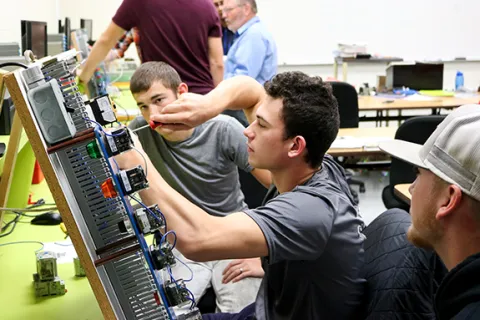
Students can strengthen their career readiness through internships, work-based learning experiences, field placements, and other practical opportunities that connect classroom concepts with real-world applications.
These experiences help students develop communication, teamwork, critical thinking, and problem-solving skills that employers value across many industries.
Students may also benefit from Prior Learning Assessment, which can help eligible individuals receive credit for knowledge gained through professional experience, military service, certifications, or other learning experiences. By building on existing knowledge and skills, students may be able to progress more efficiently toward their educational goals.
Transfer Opportunities and Continued Education
One of the primary benefits of an Associate of Arts is its flexibility. Many students use the degree as a pathway toward a bachelor's program while completing foundational coursework close to home.
Through transfer-focused coursework, academic advising, and transfer pathways, students can explore future studies in business, education, communications, social sciences, psychology, public administration, and many other disciplines.
By starting at Edison State, students can build a strong academic foundation while benefiting from affordable tuition, flexible scheduling options, and personalized support.
Final Thoughts
An Associate of Arts provides students with a flexible foundation for career development, continued education, and professional growth. Through coursework that builds communication, critical thinking, and problem-solving skills, students can prepare for opportunities across a wide range of industries and academic disciplines. Whether entering the workforce or pursuing additional education, graduates can benefit from the versatility and long-term value of an Associate of Arts.
For students seeking a flexible and supportive educational pathway, Edison State Community College offers opportunities to pursue an Associate of Arts in Greenville. Students interested in health-focused careers can also explore pathways in health sciences, including programs such as Physical Therapist Assistant, Practical Nursing, and the RN-to-BSN Completion. Through hands-on learning experiences, internship opportunities, Prior Learning Assessment options, transfer pathways, and career-focused programs, we help students build the knowledge and skills needed for continued education and professional success. Take the first step toward achieving your academic and professional goals. Contact us today to learn more.
Frequently Asked Questions
Can I transfer my A.A. degree to a four-year university?
Yes. Many Associate of Arts (A.A.) programs are designed to support transfer opportunities into four-year degree programs. These programs typically include general education coursework that may apply toward a bachelor’s degree, helping students continue their education and pursue long-term academic goals. Students should work with academic advisors and prospective transfer institutions to understand specific transfer requirements.
How does Prior Learning Assessment work for adults returning to school?
Prior Learning Assessment allows eligible students to receive consideration for knowledge and skills gained through professional experience, military service, industry training, certifications, or previous coursework. This process may help students earn credit for existing knowledge, reducing the need to repeat material they have already mastered and helping them make progress toward their educational goals.
What internship opportunities are available through college programs?
Many academic programs incorporate hands-on learning opportunities that allow students to apply classroom knowledge in real-world settings. Depending on the field of study, students may participate in internships, clinical experiences, field placements, work-based learning opportunities, or other practical experiences that help build workplace skills and prepare them for future career opportunities.
How does Edison State's Associate of Arts pathway prepare students for future success?
Edison State's Associate of Arts helps students build transferable skills in communication, critical thinking, problem-solving, and collaboration while preparing for transfer opportunities and continued education. Through academic advising, transfer planning, hands-on learning opportunities, and student support services, students can build a strong foundation for future academic and professional goals.
About the Reviewer

Dr. Paul Heintz Jr.
Dr. Paul Heintz Jr. is an Edison State alumnus who taught psychology and sociology at several regional colleges and universities, including Edison State, where he was promoted to Professor of Psychology and Sociology in 2016. He currently serves as Dean of Arts & Sciences, bringing more than two decades of experience in higher education as both a faculty member and administrator.