


How to Become a Licensed Practical Nurse (LPN)
Becoming an LPN offers a clear, rewarding health care pathway through focused education, licensure, and hands-on training, leading to stable job opportunities, career advancement, and meaningful patient care in diverse settings.
November 7, 2025
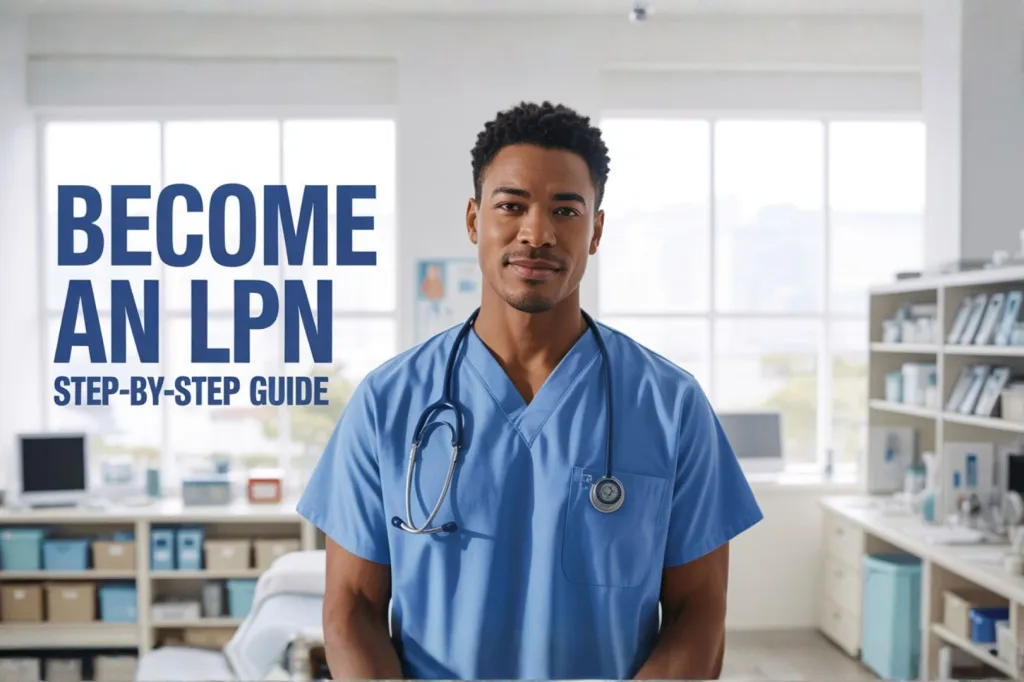
Becoming a licensed practical nurse (LPN) is a rewarding path in the health care field, offering a meaningful way to make a difference in patients’ lives while building a stable and respected career. LPNs play a crucial role in delivering hands-on care, supporting doctors and registered nurses, and ensuring patients receive the attention and compassion they deserve.
This article walks you through every step of the journey to becoming an LPN, from meeting educational requirements and enrolling in an accredited program to passing the NCLEX-PN exam and obtaining state licensure. Whether you’re just beginning to explore a career in nursing or ready to take the next step toward licensure, this comprehensive roadmap will help you understand what it takes to enter the field with confidence and purpose.
Key Takeaways
- Licensed practical nurses are essential in health care, responsible for patient care tasks and working under the supervision of registered nurses and doctors.
- To become an LPN, individuals must complete a state-approved practical nursing program and pass the NCLEX-PN exam, followed by applying for state licensure.
- The job outlook for LPNs is strong, with a projected growth of 3% from 2024 to 2034, driven by an aging population and increasing health care demands.
Understanding the Role of an LPN
Licensed practical nurses are vital members of the health care team, providing essential care to patients and ensuring their comfort and safety as part of a multidisciplinary team. The role of an LPN can encompass a variety of tasks, including:
- Changing bandages
- Taking vital signs
- Administering medications
- Maintaining detailed health records
LPNs work under the supervision of registered nurses (RNs) and doctors, assisting them in patient care and reporting any observations that may affect the patient’s health.
The responsibilities of LPNs are diverse and require a range of skills, such as:
- Interacting closely with patients, their families, and other health care professionals
- Managing multiple patients and tasks efficiently
- Having a tolerance for bodily fluids
In essence, LPNs are the backbone of basic patient care, ensuring patients receive the attention and treatment they need. Their role is not only about performing clinical tasks but also about providing emotional support and building trust with patients and their families. The blend of technical skills and compassionate care makes the role of an LPN both challenging and immensely rewarding.
In addition to its Practical Nursing program, Edison State Community College offers various health sciences programs that prepare learners for various medical careers through hands-on experience and expert-led instruction.
Educational Requirements for Aspiring LPNs

To embark on the journey of becoming an LPN, you must first meet certain educational requirements. Prospective LPNs need to have a high school diploma or a GED as a basic prerequisite. This foundational education sets the stage for further specialized training in practical nursing.
In addition to a high school diploma or GED, aspiring LPNs must complete a state-approved practical nursing program. This program equips students with the necessary skills and knowledge to pass the National Council Licensure Examination for Practical Nurses (NCLEX-PN), a mandatory step to becoming a licensed practical nurse.
Some states may require a criminal background check before you can begin your LPN education and employment.
Enrolling in an Accredited LPN Program
Selecting the right LPN program is crucial for your future career. Accredited LPN programs ensure you receive a quality education that meets industry standards. Community colleges and vocational schools typically offer these programs. Accreditation by organizations such as the Accreditation Commission for Education in Nursing is a key factor to consider when selecting a program.
While some programs might be state approved but not accredited, it’s important to aim for an accredited program to ensure the best educational experience and to meet licensure requirements. An accredited LPN program provides the foundation needed to excel in your nursing career.
Edison State is actively pursuing accreditation from the Accreditation Commission for Education in Nursing (ACEN) for its Practical Nursing Certificate program. While this program is newly established and has not yet received accreditation, all other nursing programs at Edison State have historically maintained full accreditation status.
Duration and Curriculum of LPN Programs
The duration of LPN programs typically ranges from 12 to 18 months, depending on factors such as the pace of completion, credits taken per term, and any leaves of absence. Some programs offer accelerated formats, allowing students to complete their training more quickly. Knowing the expected timeline helps in planning your educational journey effectively.
The curriculum of LPN programs provides a comprehensive education. Key subjects include nursing fundamentals, pharmacology, and additional health-related courses. Students also engage in preclinical experience in nursing skills labs and simulation labs, as well as clinical experiences arranged through local health care facilities. This blend of classroom instruction and hands-on practice prepares students for the diverse responsibilities they will face as practical nurses.
Preparing for the NCLEX-PN Exam

The NCLEX-PN is a critical licensing exam that aspiring LPNs must pass to practice nursing. Preparing for this exam requires a solid study strategy that combines content review with test-taking techniques. It’s advisable to schedule your exam early, as testing spots can fill up quickly. Allowing ample time to study and choosing an exam date that fits your preparation schedule is crucial for success.
The Next Generation NCLEX has introduced new item types and a revised scoring system to better evaluate clinical judgment. The NCLEX-PN exam covers four main categories:
- Physiological Integrity
- Safe and Effective Care Environment
- Health Promotion and Maintenance
- Psychosocial Integrity
- Basic Care
- Physiology II
Familiarizing yourself with these categories and understanding the exam structure can help you focus your study efforts more effectively.
Test takers have a total of five hours to complete the NCLEX-PN, making time management crucial for successful completion. Practice exams and study guides can be invaluable resources to simulate the test environment and improve your confidence.
Students are required to pass a criminal background check both prior to entering the program and again upon completion, before being eligible to sit for the National Council Licensure Examination for Practical Nurses (NCLEX-PN).
Applying for LPN Licensure
After completing your practical nursing program, you must apply for state licensure and pay the required fee. Once your application is approved, you will receive your Authorization to Test (ATT), which allows you to schedule and take the NCLEX-PN exam.
After passing the NCLEX-PN, you will be eligible to receive your state license, allowing you to practice as a licensed practical nurse (LPN). This licensure is your ticket to entering the nursing profession as an LPN.
Work Environment and Job Opportunities
LPNs can work in various health care settings, including hospitals, nursing homes, and private homes. About 37% of LPNs work in nursing and residential care facilities, providing essential care to patients in these environments. Home health environments are another common setting, where LPNs often travel to patients’ residences to provide care.
Most LPNs work full time and often work nights, weekends, and holidays due to the nature of health care services. The job market for LPNs is projected to grow by 3% from 2024 to 2034, indicating steady demand in the field. The aging population will continue to drive the need for LPNs, particularly in residential care facilities and home health environments.
For nurses seeking to elevate their credentials, they can then go on to complete their associate degree in registered nursing, followed by an RN-BSN completion program. Continuing education provides a flexible way to build on existing licensure and advance into higher leadership roles in health care. With diverse work environments and a growing demand for health care services, LPNs can look forward to a stable and rewarding nursing career.
Advancing Your Nursing Career
Transitioning from an LPN to a registered nurse is a common path for career advancement. Bridge programs allow LPNs to transition to RN roles effectively, enhancing their qualifications. These programs often require proof of prior clinical experience, which may count toward course credits.
Graduates of LPN-to-RN programs can experience significant benefits, such as:
- The BSN degree is offered in an online format, providing flexibility for RNs to continue working while pursuing their studies.
- This pathway offers a promising opportunity for career growth and professional development.
Continuing Education and Specializations
Continuing education is crucial for LPNs to maintain their licensure and stay updated with nursing practices. Each state has specific requirements for continuing education credit hours that LPNs must complete every few years. These credits ensure LPNs remain knowledgeable about the latest developments in health care.
Specialty certifications are not mandatory but can enhance professional credibility and increase earning potential. Both continuing education and specialty certifications can significantly contribute to an LPN’s career advancement and knowledge in specific areas. Ongoing education is essential for staying competitive in the nursing profession.
Final Thoughts
Becoming a licensed practical nurse is a meaningful and stable career path that combines compassion, technical skill, and dedication to patient care. This blog explored every stage of the journey, from understanding the LPN role and educational requirements to enrolling in an accredited program, preparing for the NCLEX-PN exam, obtaining state licensure, and exploring advancement opportunities. With a growing demand for health care professionals, strong job stability, and competitive earning potential, pursuing a career as an LPN offers both personal fulfillment and professional growth.
Aspiring nurses can take their first step toward success with Edison State Community College’s comprehensive LPN program in Eaton, which provides hands-on clinical experience and quality instruction from expert faculty. We create a supportive learning environment and commitment to excellence that help students build the confidence, knowledge, and practical skills needed to thrive in today’s health care field.
Frequently Asked Questions
What are the basic educational requirements to become an LPN?
To become an LPN, you must have a high school diploma or GED and complete a state-approved practical nursing program, after which you can take the NCLEX-PN.
How long does it take to complete an LPN program?
An LPN program typically takes 12 to 18 months to complete, influenced by factors like the pace of study and credits taken each term. This ensures that you can enter the nursing field in a timely manner.
Can I advance my career after becoming an LPN?
Yes! Many LPNs continue their education through bridge programs to become registered nurses or pursue specialized certifications. This can increase earning potential and open doors to leadership roles in health care.
What other health care-related careers are available?
While becoming an LPN is a strong entry point into health care, there are several other pathways to consider. For those drawn to laboratory work, the Medical Laboratory Technician program provides training in diagnostic testing and clinical analysis. If you enjoy working directly with patient samples and supporting accurate diagnoses, the Phlebotomy program offers hands-on experience with clinical procedures and technical precision.
For individuals interested in rehabilitation and movement science, the Physical Therapist Assistant program emphasizes techniques for improving mobility and aiding patient recovery. Those passionate about respiratory health may consider the Respiratory Care program, which focuses on therapies, diagnostic procedures, and critical care support.