

Essential Guide to the Benefits of a Phlebotomy Certificate Program
Phlebotomy certificate programs provide fast, affordable entry into health care through focused clinical training and real-world experience. Students gain blood collection expertise, certification preparation, and career pathways in hospitals, laboratories, and clinics.
February 19, 2026
Phlebotomy has become one of the most accessible and rewarding entry points into the health care field, offering hands-on patient experience without years of schooling. This certificate program provides focused training, practical clinical skills, and strong employment opportunities in hospitals, laboratories, and clinics. For students seeking a fast and affordable path into health care, phlebotomy stands out as a smart choice. In this blog, we’ll explore program benefits, structure, career outcomes, and how to choose the right training option.
Key Takeaways
- A phlebotomy certificate is one of the fastest and most affordable ways to enter health care, with programs often completed in a few months to under a year at community colleges.
- Most phlebotomy certificate programs require only a high school diploma for admission, making them accessible for adult learners, career changers, and recent graduates.
- Certified phlebotomists are in steady demand across hospitals, diagnostic laboratories, physician offices, and blood donation centers.
- Completing an accredited phlebotomy program prepares graduates for national certification exams and can serve as a stepping stone into nursing, medical assisting, medical laboratory technology or other allied health degrees.
- Community colleges provide small classes, local clinical placements, and comprehensive support services that help students succeed from the application process through their job search.
What Is Phlebotomy?
Definition of Phlebotomy
Phlebotomy is the medical practice of drawing blood from patients for diagnostic testing, transfusions, research, or blood donation. Blood testing is one of the most common diagnostic tools used in health care. Physicians rely on laboratory results to detect illnesses, monitor chronic conditions, evaluate organ function, and determine appropriate treatments.
Because blood collection is such a routine and essential part of medical care, phlebotomists play a critical role in supporting the health care system. Their work directly impacts the accuracy of laboratory results and, ultimately, patient outcomes.
What Does a Phlebotomist Do?
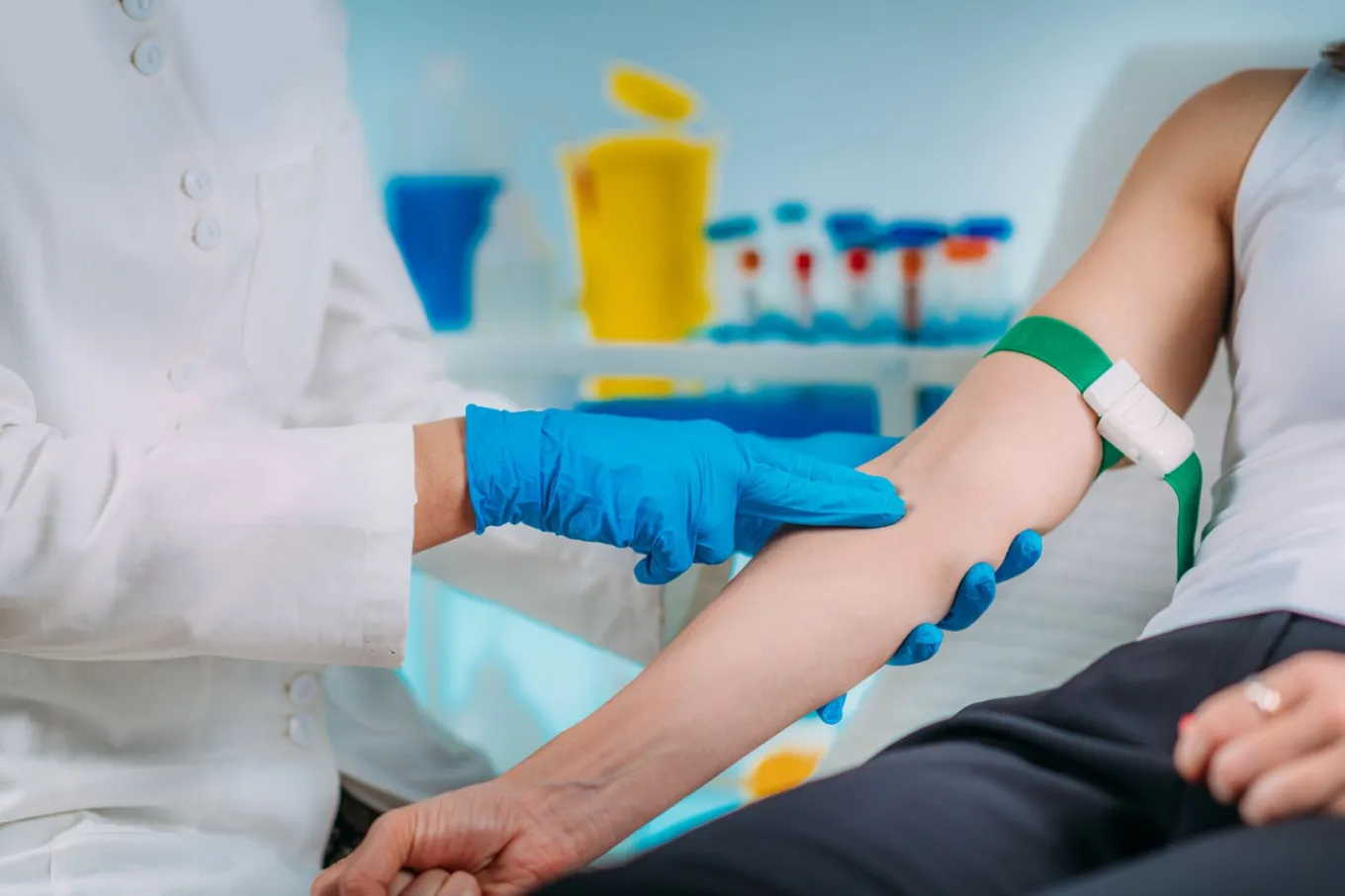
A phlebotomist’s primary responsibility is performing venipunctures and capillary sticks safely and accurately. However, the role involves much more than drawing blood. Phlebotomists verify patient identity, explain procedures clearly, select the correct collection tubes for specific tests, and ensure specimens are labeled and transported properly.
They also follow strict infection control procedures to protect themselves and their patients. Attention to detail is essential, as improperly handled specimens can compromise test results. In addition to technical ability, phlebotomists must demonstrate professionalism, empathy, and strong communication skills. Many patients experience anxiety about needles, so reassurance and clear explanations are key parts of the job.
Essential Guide to a Phlebotomy Certificate
A phlebotomy certificate is specifically designed to teach the technical and professional skills needed for entry-level employment. Unlike broader health care degrees that include general education requirements, certificate programs focus entirely on blood collection procedures, safety standards, specimen handling, and patient care. This targeted training allows students to complete their education in a short period of time while still meeting national certification requirements. The streamlined curriculum ensures graduates are prepared to transition quickly into health care roles.
Why Choose a Career in Phlebotomy?
Growing Demand in Health Care
The demand for trained health care professionals continues to grow due to population increases, longer life expectancy, and expanding diagnostic services. Nearly every patient admitted to a hospital or visiting a clinic requires laboratory testing at some point during their care.
As diagnostic testing becomes more advanced and widely used, the need for skilled phlebotomists remains steady. Hospitals, outpatient labs, physician offices, urgent care centers, and blood donation facilities rely on these professionals daily. This consistent demand provides job stability and long-term career potential.
Quick Entry Into the Medical Field
One of the most attractive features of phlebotomy is the relatively short training period. Many certificate programs can be completed in one academic term or within several months of full-time study. Compared to careers that require two to four years of education, phlebotomy offers a faster route into patient care.
This quick entry makes the field appealing to adult learners seeking career changes, individuals returning to the workforce, or students who want to gain health care experience before pursuing advanced degrees.
Where Phlebotomy Professionals Work
Phlebotomists work in a variety of health care environments. Hospitals employ phlebotomists to support inpatient units, emergency departments, and surgical services. Outpatient laboratories and physician offices require phlebotomists to collect routine blood samples for diagnostic testing. Blood donation centers depend on trained professionals to ensure safe donor collection. Because health care facilities operate around the clock, scheduling flexibility is often available. Some positions offer daytime hours, while others include evening, night, or weekend shifts.
What Is a Phlebotomy Certificate?
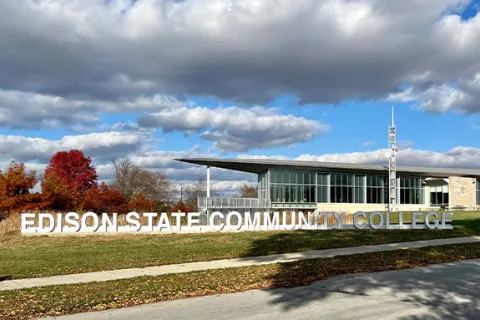
At Edison State Community College, we designed our Phlebotomy Short-Term Technical Certificate to prepare students for entry-level clinical roles in health care. This credential focuses specifically on the technical skills and professional standards required to safely collect blood and other biological specimens for laboratory testing.
Unlike longer academic programs, the certificate is streamlined. It concentrates on the essential competencies needed for employment rather than including general education coursework. This allows students to complete training efficiently while still gaining the knowledge and hands-on experience necessary to meet workforce expectations.
This certificate emphasizes safe blood collection procedures, specimen handling, patient communication, and adherence to health care regulations. Students are trained to work as part of a health care team while maintaining high standards of professionalism and ethical conduct. Because we’ve housed the program within our Health Sciences pathway, it reflects current industry standards and regional health care workforce needs.
Benefits of Completing a Phlebotomy Certificate Program
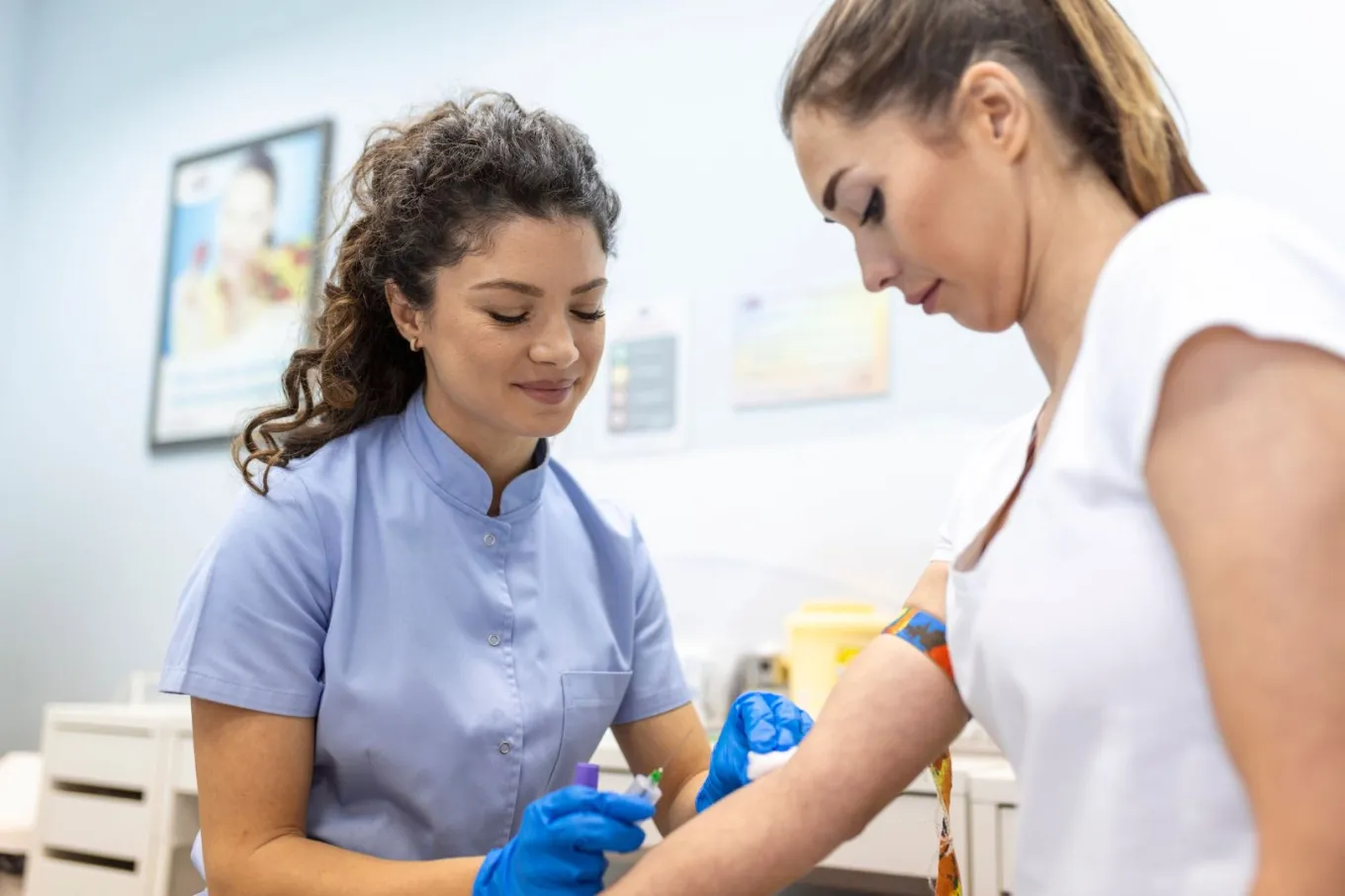
Completing a phlebotomy certificate program at Edison State offers multiple advantages for students seeking both immediate employment and long-term career growth.
Career-Focused Medical Training
Programs build the curriculum specifically around the responsibilities of a practicing phlebotomist. Students develop the precise technical and procedural skills required in hospitals, laboratories, and physician offices. By focusing directly on clinical competencies, the program eliminates unnecessary coursework and prepares graduates for workforce entry in a short timeframe.
Hands-On Skill Development
The program centers on practical training. Students begin in laboratory settings, where they practice venipuncture and capillary collection techniques using proper equipment and procedures. Once students develop foundational skills, they complete supervised clinical experiences in real health care environments. This progression ensures graduates have both technical competence and real-world confidence.
Stepping Stone to Advanced Health Care Careers
Although the certificate prepares students for immediate employment, it also supports future advancement. Many students use phlebotomy as an entry point into health care before continuing into other health sciences programs at Edison State, such as nursing or medical laboratory technology. Clinical experience gained during phlebotomy training strengthens future academic and professional opportunities.
Employer Recognition and Accreditation
Edison State’s phlebotomy program is approved by the National Accrediting Agency for Clinical Laboratory Sciences (NAACLS). This accreditation confirms that the program meets nationally recognized standards for curriculum quality, faculty qualifications, and clinical training. Accreditation enhances graduate credibility and supports eligibility for national certification exams.
Edison State Phlebotomy Program Overview
About the Edison State Phlebotomy Program
Part of Edison State’s health sciences academic offerings, the phlebotomy program is a short-term technical certificate designed to be completed in as little as one semester while still providing comprehensive instruction and supervised clinical training.
The program prepares students to collect blood and other specimens safely and accurately. Students interested in the phlebotomy certificate must meet specific academic and program requirements in addition to the college’s standard admission process. Applicants are required to place into college-level English or successfully complete our Developmental Reading and Writing course, maintain a minimum cumulative 2.0 GPA, and earn at least a “C” grade in all required program courses.
Students also need approval from the Phlebotomy Coordinator before entering the certificate track. Prior to beginning Phlebotomy & Laboratory Techniques, students must complete a successful background check and submit all required health documentation.
It’s important to note that federal financial aid is not available for short-term technical certificate programs, although scholarship opportunities may be offered. Some students may need to meet additional course prerequisites, including placement testing.
Who Should Enroll in the Program
Students who want to begin a health care career quickly may be well-suited for the phlebotomy program. This includes recent high school graduates, adult learners pursuing a career change, and individuals exploring health care before committing to a longer degree program.
Because prior medical experience is not typically required, the program provides an accessible starting point for students new to the health care field. Applicants must meet admissions criteria, including academic readiness and health clearance requirements necessary for clinical participation.
Key Program Features and Training Focus
The program integrates classroom instruction, lab practice, and clinical internships. Students learn foundational health care concepts and medical terminology alongside specialized phlebotomy techniques.
Clinical internships provide supervised, real-world experience in hospitals or other health care facilities. These experiences reinforce technical skills while building professionalism and communication abilities. The program’s focus on both clinical precision and patient interaction prepares students for workplace success.
Phlebotomy Program Curriculum and Training
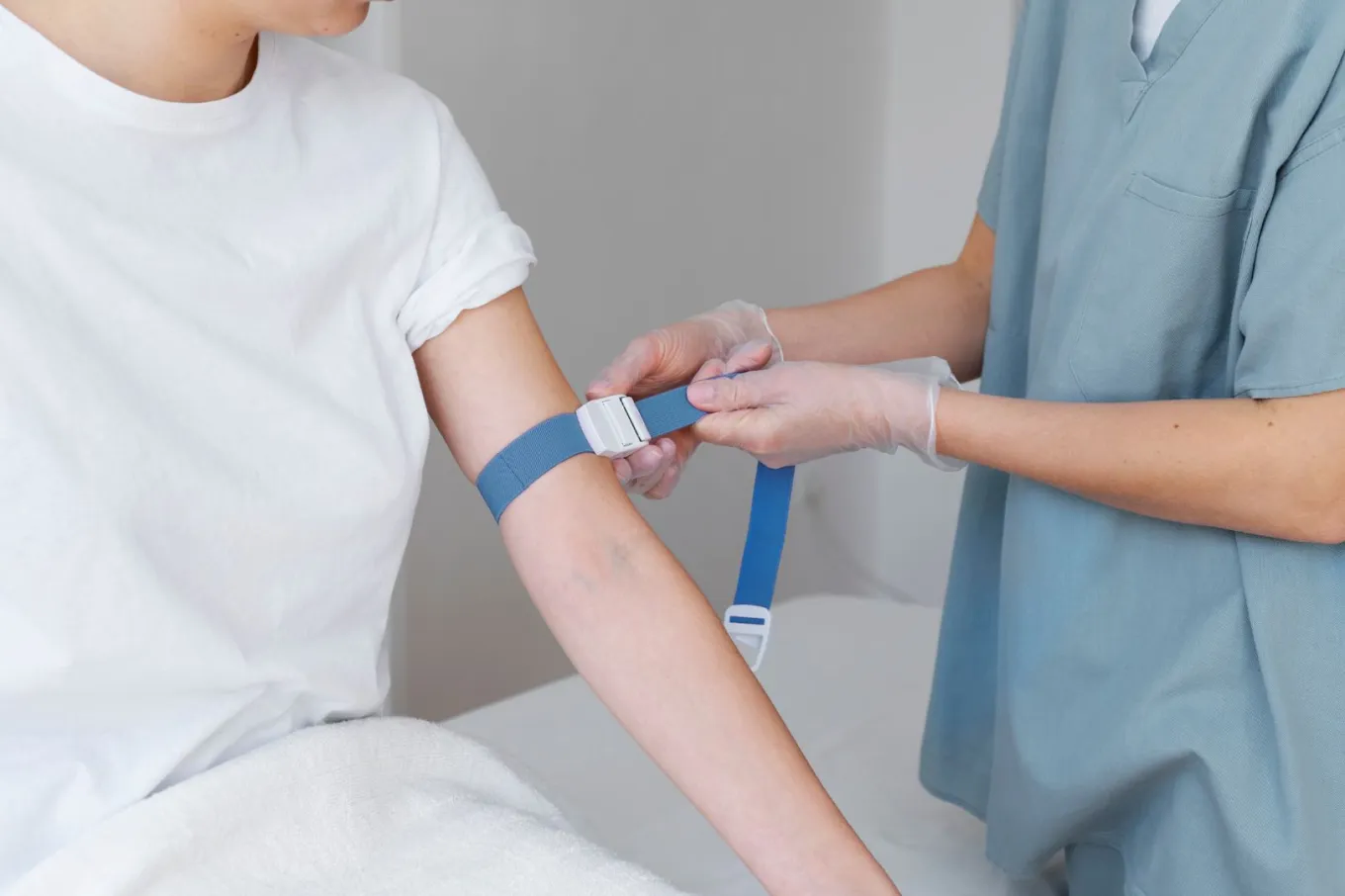
Edison State’s phlebotomy program carefully structures its curriculum to ensure students develop the knowledge, technical skills, and professional behavior expected in clinical settings.
Classroom Instruction Topics
Students complete coursework that introduces the health care environment and the role of phlebotomists within medical teams. Topics include health care systems, ethical practice, patient confidentiality, infection control standards, and medical terminology.
Understanding medical terminology allows students to interpret laboratory orders accurately and communicate effectively with health care professionals. Infection control instruction ensures compliance with safety regulations designed to protect both patients and health care workers.
Lab Training and Blood Collection Skills
Laboratory sessions allow students to practice blood collection procedures in a controlled setting. Under instructor supervision, students learn proper techniques for venipuncture and capillary punctures, equipment preparation, specimen labeling, and sharps disposal.
Students also develop skills in vein selection, proper needle insertion, and managing challenging draws. Repetition and guided feedback help build confidence and technical precision before students enter clinical settings.
Clinical Experience and Practical Learning
Clinical internships are a vital component of the program. Students are placed in affiliated health care facilities where they perform blood collection procedures under supervision. These placements allow students to apply classroom knowledge and lab practice to real patient interactions.
During clinical rotations, students demonstrate professionalism, communication skills, and adherence to safety standards. The experience gained during internships strengthens employment readiness and builds professional networks within the local health care community.
Phlebotomy Certification and Career Readiness
Why Certification Matters
National certification is an important step in establishing professional credibility. While Ohio does not require state licensure for phlebotomists, employers frequently prefer or require candidates who hold national certification.
Certification confirms that a graduate has met standardized educational and clinical requirements and has successfully passed a comprehensive examination assessing knowledge and technical skill.
Edison State’s phlebotomy certificate program includes a focused 10.5-credit curriculum that equips students with the essential knowledge and hands-on skills needed for entry-level employment in health care settings. Students begin with foundational coursework that introduces them to the health care field and medical terminology before progressing into specialized phlebotomy training and real-world clinical experience. The program combines classroom instruction with practical application to ensure graduates are workforce-ready.
Program Courses Include:
- ALH 101S Introduction to Health Care (1 credit): Introductory allied health course covering medical professions, health care teams, communication, ethics, infection control, professionalism, and health care settings.
- ALH 151S Health Care Medical Terminology (3 credits): Covers basic medical terminology, pronunciation, body systems, diseases, diagnostic testing, treatments, and their relationship to organ structures and functions.
- PLB 150S Phlebotomy & Laboratory Techniques (3 credits): Introduction to basic medical laboratory techniques used by phlebotomists. Provides instruction in standard precautions, specimen collection and processing, and diagnostic testing.
- PLB 291L Phlebotomy Internship (1.5 credits): Unpaid 115-hour clinical internship providing supervised phlebotomy experience at affiliated sites; requires prerequisite courses and departmental approval.
- PLB 291R Phlebotomy Internship Seminar (2 credits): Seminar accompanying internship covering progress discussions, theory review, skills practice, venipuncture demonstration, and mock certification exam completion.
Important Requirements:
- Successful completion of a background check prior to entering the program
- Fulfillment of all required health standards
This structured combination of academic coursework and clinical training helps prepare students for safe, professional practice in phlebotomy and laboratory environments.
National Phlebotomy Certification Options
Graduates of accredited programs may pursue certification through recognized organizations that evaluate competency in anatomy, specimen collection procedures, infection control, and professional standards. Earning a certification credential enhances job prospects and demonstrates commitment to professional excellence.
How Training Supports Certification Preparation
Edison State’s NAACLS-approved curriculum aligns with national certification standards. The combination of classroom instruction, laboratory skill development, and clinical experience ensures students meet eligibility requirements for certification examinations. Faculty guidance and structured coursework help prepare students for the content and practical expectations of these exams, increasing confidence and readiness.
Career Opportunities After a Phlebotomy Certificate
Completing the phlebotomy certificate opens the door to various entry-level health care positions.
Common Phlebotomy Job Titles
Graduates may pursue roles such as phlebotomy technician, certified phlebotomy technician, laboratory assistant, or blood collection specialist. These roles focus on specimen collection and patient interaction in clinical environments.
Work Environments and Health Care Settings
Hospitals, outpatient laboratories, physician offices, long-term care facilities, and blood donation centers all employ phlebotomists. These environments provide diverse patient experiences and collaborative work with health care teams.
Because health care services operate continuously, work schedules may vary, offering flexibility for individuals balancing other responsibilities.
Career Growth and Advancement Pathways
Experience gained as a phlebotomist can serve as a stepping stone to broader health care careers. Many professionals continue their education in nursing, medical laboratory technology, or other allied health fields.
Edison State’s health sciences programs provide clear academic pathways for students who wish to build upon their certificate and pursue additional credentials.
Why Choose Edison State for Phlebotomy Training?
Supportive Learning Environment
Edison State offers a student-centered educational experience. Small class sizes allow instructors to provide individualized guidance and hands-on support.
Faculty members are committed to helping students succeed academically and professionally, from the first day of class through clinical placement and graduation.
Career Preparation and Student Resources
Beyond technical training, Edison State provides comprehensive student services. Academic advising assists with course planning and program progression. Career services offer resume development support, interview preparation, and job search guidance.
These resources ensure graduates are prepared not only to pass certification exams but also to transition successfully into employment.
Local Health Care Workforce Advantage
Edison State maintains partnerships with regional health care providers in west-central Ohio. These relationships create quality clinical placement opportunities and support local workforce development.
Training close to home allows students to build professional connections within the communities they serve. Many graduates secure employment in the same health care systems where they complete their clinical internships.
Final Thoughts
A phlebotomy certificate offers one of the fastest, most affordable pathways into the health care field. With focused training in blood collection, infection control, specimen handling, and patient communication, students gain the practical skills employers expect in hospitals, labs, and clinics. Short program timelines, accessible admission requirements, strong job demand, and clear advancement opportunities make phlebotomy an ideal first step for adult learners, recent graduates, and career changers. Whether you plan to enter the workforce quickly or use your experience as a foundation for further education, a phlebotomy certificate delivers both immediate opportunity and long-term career flexibility.
At Edison State Community College, students can begin their journey with a comprehensive phlebotomy program in Piqua designed to meet regional health care workforce needs. As part of our health sciences programs, the phlebotomy certificate provides students with hands-on labs, local clinical placements, and personalized support. Those interested in advancing their careers can continue into programs such as registered nursing, medical laboratory technology, or respiratory care.
Contact us now to learn more about the phlebotomy program, admissions requirements, upcoming start dates, and financial aid options. Our admissions team is here to answer your questions and help you take the first step toward a rewarding future in health care.
Frequently Asked Questions
How long does it take to complete a phlebotomy certificate?
Students can complete most phlebotomy certificate programs in one academic term or within several months of full-time study. Edison State’s short-term technical certificate allows for efficient completion while still including classroom instruction, lab training, and supervised clinical experience.
Do I need prior health care experience to enroll?
No prior health care experience is required to enroll in a phlebotomy certificate program. Students generally need a high school diploma or equivalent, meet placement requirements, and complete health screenings necessary for clinical participation.
Is certification required to work as a phlebotomist in Ohio?
Ohio does not require state licensure for phlebotomists; however, many employers prefer or require national certification. Completing an accredited program like Edison State’s prepares graduates to sit for recognized certification exams and enhances employment opportunities.
Where can I work after earning a phlebotomy certificate?
Graduates may find employment in hospitals, outpatient laboratories, physician offices, long-term care facilities, and blood donation centers. These settings provide hands-on patient interaction and opportunities to work alongside nurses, physicians, and laboratory professionals.
Can a phlebotomy certificate lead to other health care careers?
Yes. Many students use phlebotomy as a stepping stone into advanced health care programs such as nursing, medical laboratory technology, or respiratory care. Clinical experience gained during training strengthens applications and builds valuable patient-care skills.