What Skills Do You Learn in an Emergency Medical Technician Program?
An Emergency Medical Technician program prepares students with essential emergency response, patient assessment, communication, and lifesaving skills. Through hands-on training and real-world experience, graduates gain the knowledge needed for rewarding healthcare careers.
March 6, 2026
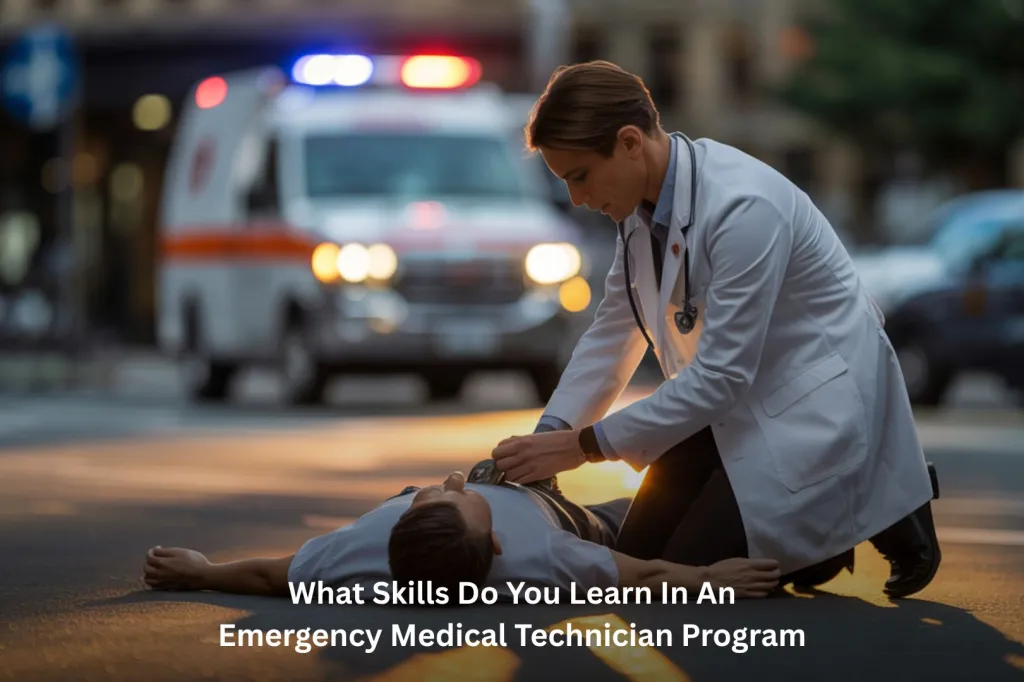
When every second counts during a cardiac arrest or traumatic injury, the skills of an emergency medical technician (EMT) can determine whether a patient survives. EMT programs develop healthcare professionals who can quickly assess life-threatening situations and deliver immediate medical care before patients reach a hospital. Understanding what skills are learned in an emergency medical technician program helps prospective students evaluate whether this career path aligns with their goals.
This blog covers the full spectrum of skill development in EMT training, from foundational clinical knowledge and hands-on emergency procedures to the soft skills that enable effective communication with critical and emergent patients. Whether you’re exploring health sciences pathways or considering how EMT certification connects to broader healthcare careers, you’ll discover exactly what training prepares you for this demanding field.
Key Takeaways
- EMT programs teach five core skill categories: clinical assessment, emergency procedures, patient communication, equipment operation, and professional protocols.
- Students complete 120 to 150 hours of training covering theoretical knowledge and hands-on practice with basic equipment typically found in ambulance settings.
- Programs include clinical rotations in hospitals and field internships for real-world experience with actual patients.
- Graduates are prepared for state certification exams through the National Registry and immediate employment in emergency medical services.
- Many programs offer Prior Learning Assessment (PLA) options for students with relevant healthcare or first responder experience.
Fundamental Clinical Skills You’ll Master
EMT programs build essential skills through structured instruction in patient assessment, basic life support, and medical knowledge that enables accurate assessments in emergency situations.
Patient Assessment Techniques
The ability to quickly assess a patient’s condition forms the foundation of emergency medical care. Students learn primary and secondary survey methods to identify immediate life threats, then perform detailed system-by-system evaluations. Training covers vital sign measurement, heart rate, respiratory rate, blood pressure, temperature, and oxygen saturation, along with gathering medical history and current medications. These assessment skills needed for field work translate directly to patient care documentation required when communicating with hospital staff.
Basic Life Support Procedures
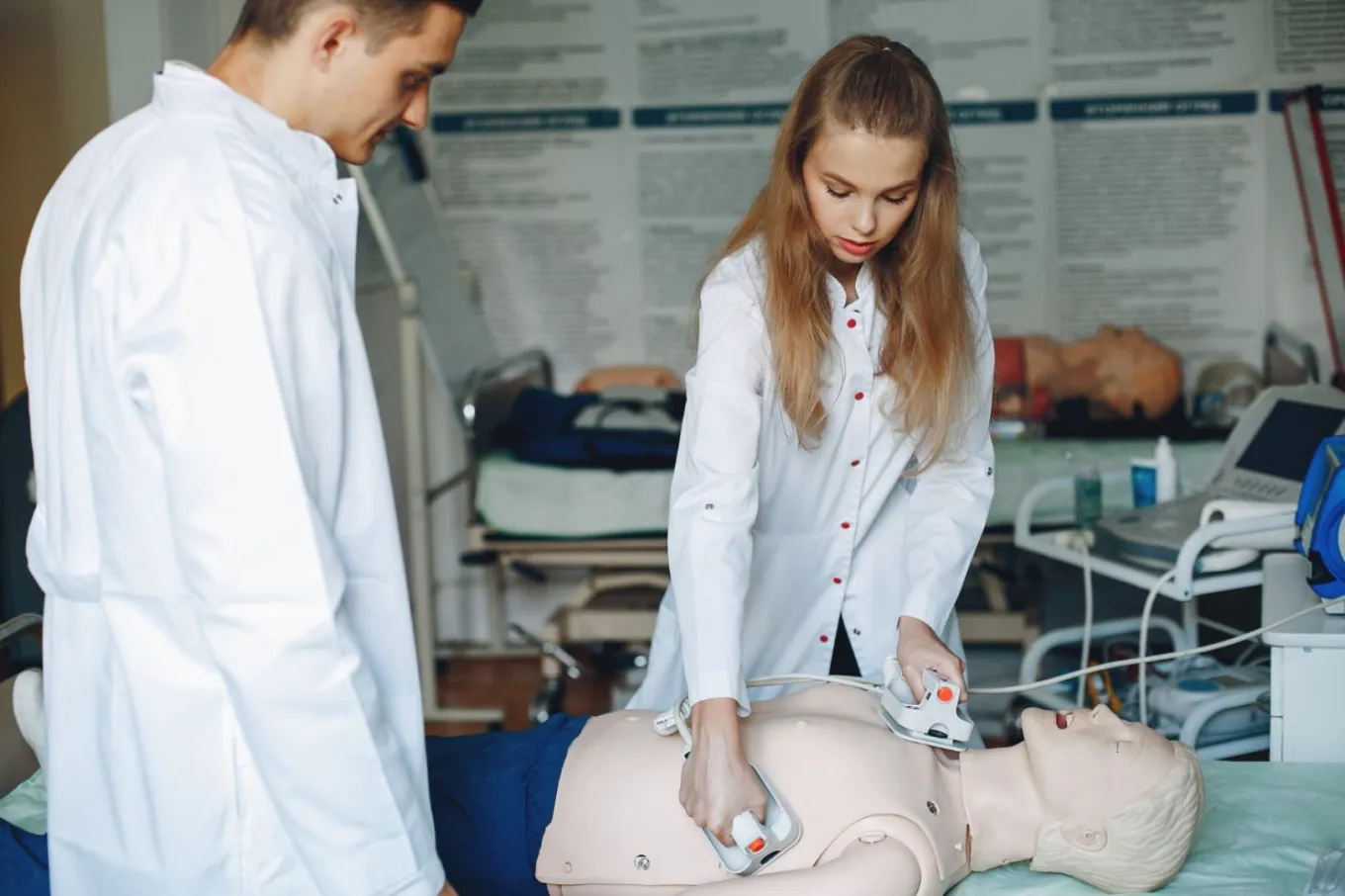
Every EMT must perform CPR effectively and operate automated external defibrillators with confidence. Programs ensure successful completion of the American Heart Association standards for chest compressions, rescue breathing, and defibrillation sequences. Students practice these critical skills repeatedly until muscle memory develops, because in high-pressure situations, hesitation can cost lives.
Anatomical and Pathophysiology Knowledge
Understanding the cardiovascular, respiratory, and nervous systems enables EMTs to recognize why interventions work, not just follow protocols mechanically. This basic knowledge of pathophysiology helps EMTs make informed decisions when patient presentations don’t match textbook scenarios. Medical terminology training ensures concise communication with other healthcare professionals and accurate documentation at every medical facility.
Hands-On Laboratory Training
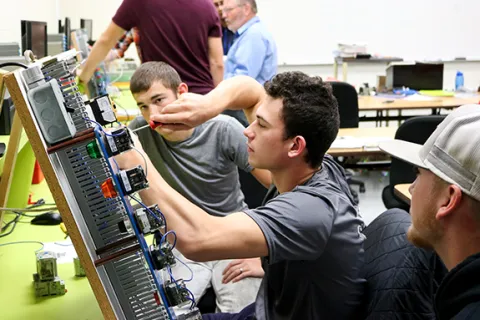
EMT programs prioritize hands-on skills development through supervised laboratory sessions using medical manikins and simulation equipment. Students practice techniques repeatedly at skill stations before progressing to scenario-based learning.
Scenario training covers realistic emergencies: motor vehicle accidents requiring spinal immobilization, cardiac arrest requiring immediate defibrillation, and respiratory distress requiring airway management. These simulations develop decision-making rhythm under pressure. Clinical skills verification through competency testing ensures students demonstrate proficiency before advancing to patient contact during clinical experience rotations.
Emergency Response and Intervention Techniques
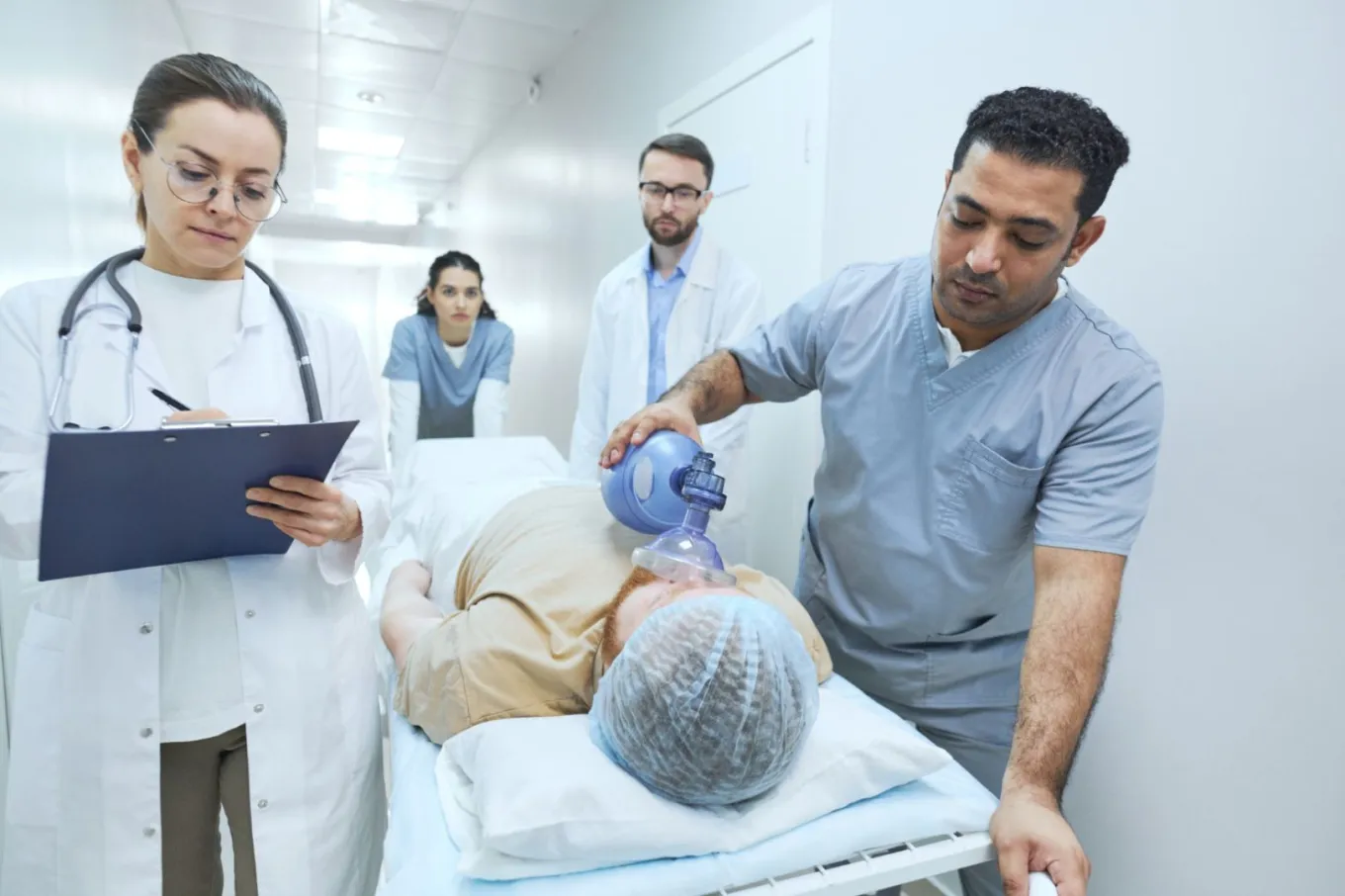
Beyond assessment, EMTs must quickly execute life saving interventions. Training programs develop hard skills across airway management, bleeding control, trauma stabilization, and patient transport.
Airway Management and Breathing Support
Managing a compromised airway represents one of the most critical skills EMTs possess. Programs teach basic airway techniques, including proper positioning, suctioning, and insertion of oropharyngeal and nasopharyngeal airways. Students master bag-valve-mask ventilation and oxygen administration, interventions that maintain life until advanced life support paramedics arrive or patients reach hospital care.
Bleeding Control and Wound Care
Controlling hemorrhaging helps prevent shock and save lives in trauma emergencies. Training covers direct pressure application, wound dressing techniques, and tourniquet use for severe extremity bleeding. Students learn to manage soft tissue injuries through proper bandaging while continuously monitoring for signs of deterioration.
Fracture Stabilization and Patient Movement
Splinting techniques immobilize fractures to prevent further injury and reduce patient pain during transport. Spinal immobilization protocols protect patients with suspected head or spine injuries. Students learn to transport patients safely using proper lifting mechanics and equipment operation, essential for preventing both patient harm and provider injury during demanding fieldwork.
Medication Administration
Within their scope of practice under medical oversight, EMTs assist with specific medications during emergencies. Training covers epinephrine auto-injector administration for severe allergic reactions, aspirin for cardiac events, and assisting patients with prescribed inhalers. Students also learn glucometer operation for diabetic emergencies, interventions that address immediate threats while awaiting paramedic-level care.
Common Training Mistakes to Avoid
Students sometimes rush through hands-on experience without mastering proper technique, a shortcut that creates dangerous habits under real emergency pressure. Memorizing procedures without understanding underlying medical principles leaves EMTs unprepared when situations deviate from standard presentations.
Neglecting communication skills development in favor of only technical training limits career effectiveness. EMTs who cannot communicate effectively with distressed patients, families, and receiving physicians compromise patient outcomes regardless of their procedural competence. Finally, avoiding challenging scenarios during clinical rotations prevents students from building the problem-solving abilities essential for unpredictable field conditions.
Professional Development and Soft Skills
Technical competence alone doesn’t make an effective emergency medical technician. Programs also develop soft skills that enable EMT professionals to function within healthcare teams and serve diverse communities.
Communication Excellence
Effective communication determines how smoothly patient care proceeds from the scene to the hospital. Training emphasizes clear verbal techniques for calming distressed patients, obtaining consent, explaining procedures, and gathering vital information from family members. Written documentation skills ensure accurate patient care reports that legally protect both patients and providers. Students practice handoff communication with hospital staff, delivering concise, complete information that enables seamless care transitions.
Teamwork and Collaboration
EMTs work alongside paramedics, nurses, physicians, firefighters, and law enforcement. During their Programs, students develop collaboration skills that enable smooth coordination during chaotic scenes. Students learn chain-of-command protocols, role clarity, and how to support advanced emergency medical technicians and paramedics during complex interventions.
Stress Management and Emotional Resilience
Emergency work exposes providers to traumatic situations that challenge emotional stability. Training programs increasingly address coping strategies, compassion fatigue recognition, and mental health resources. While less quantifiable than technical competencies, emotional resilience determines long-term career sustainability and personal wellbeing in this demanding field.
Legal, Ethical, and Cultural Considerations
Patient confidentiality under HIPAA, informed consent requirements, scope of practice boundaries, and documentation standards all carry legal implications. Training covers these professional responsibilities thoroughly. Cultural competency instruction prepares EMTs to serve diverse populations respectfully, recognizing how language barriers, religious practices, and community backgrounds influence patient care approaches.
Physical Fitness Requirements
The physical fitness demands of EMS work receive attention during training. Lifting patients, carrying medical equipment, performing CPR, and working in challenging environments all require physical conditioning. Programs address injury prevention strategies that protect providers throughout their careers.
Preparing for a Lifesaving Career
Emergency medical technician training equips individuals with critical skills such as patient assessment, emergency response, communication, and teamwork. These abilities prepare students to handle high-pressure situations with confidence and precision. Overall, this career path offers both personal fulfillment and professional stability while making a direct impact on saving lives.
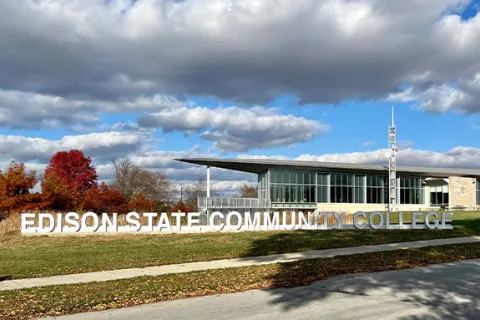
Edison State Community College offers comprehensive training through its emergency medical technician program, helping students build real-world skills for fast-paced healthcare environments. Our health sciences programs also include paramedic and other pathways for broader career opportunities. Take the next step with us and begin your future in emergency care today.
Frequently Asked Questions
How long does it take to learn basic EMT skills in a training program?
Most EMT programs require 120 to 150 hours of instruction completed over three to six months, depending on the scheduling format. Full-time intensive courses compress training into several weeks, while part-time evening and weekend options accommodate working adults. Some programs offer hybrid models combining online didactic instruction with in-person laboratory sessions.
What hands-on skills do you practice during EMT training?
Students practice CPR, AED operation, airway management, splinting, bleeding control, spinal immobilization, and medication assistance in supervised laboratory settings. Skill stations using medical manikins allow repeated practice until competency develops. Scenario-based simulations cover realistic emergencies, including cardiac arrest, respiratory distress, and trauma situations.
Do EMT programs include real-world experience with patients?
Yes, clinical rotations in hospital emergency departments and ambulance ride-alongs are required components of most EMT programs. Students progress from observation to active participation under preceptor supervision, gaining clinical experience with actual patients before certification. This hands-on experience bridges classroom learning and independent field practice.
Can previous healthcare experience count toward EMT training requirements?
Many programs offer Prior Learning Assessment (PLA) options that evaluate existing competencies from military service, first responder certifications, or healthcare employment. Qualified students may receive credit that reduces training time or eliminates redundant instruction. Specific policies vary by institution and state requirements.
What communication skills are emphasized in EMT programs?
Training develops patient interaction techniques for calming distressed individuals, obtaining medical histories, and explaining procedures clearly. Documentation skills ensure accurate written reports for medical and legal purposes. Students practice handoff communication with hospital staff and learn medical terminology that enables precise information exchange with other healthcare professionals.