





What Should You Consider When Choosing a PTA Program?
Students can prepare for rewarding healthcare careers through PTA programs that offer accredited education, hands-on clinical training, flexible learning opportunities, and career-focused pathways, building the skills needed for success in physical therapy settings.
March 27, 2026

Choosing the right physical therapist assistant program determines whether you can sit for licensure, how prepared you are for patient care, and how quickly you launch a successful career in this rewarding field. With the demand for physical therapy services accelerating due to an aging population and expanded rehabilitation needs, prospective students must evaluate PTA programs carefully, not simply pick the closest or cheapest option.
When asking what you should consider when choosing a PTA program, the answer spans accreditation status, curriculum depth, clinical education quality, financial commitment, and support services. Each factor influences your ability to pass the national physical therapy examination, secure employment, and build long-term career success. This blog breaks down the key factors so you can make an informed decision about your physical therapy education.
Key Takeaways
- CAPTE accreditation is mandatory for licensure eligibility and ensures your PTA degree has national credibility.
- Clinical training diversity across healthcare settings directly impacts your job readiness and confidence.
- Program costs vary significantly; Ohio in-district tuition ranges from approximately $8,000 to $14,000, with additional expenses for materials and licensing.
- Graduation rates and NPTE pass rates reveal a program’s effectiveness at preparing students.
- Internships and Prior Learning Assessment options can accelerate your path to graduation while reducing financial burden.
Accreditation and Program Quality Standards
The Commission on Accreditation in Physical Therapy Education (CAPTE) serves as the nationally recognized body accrediting physical therapy programs and physical therapist assistant programs in the United States. Without proper accreditation, graduates cannot take the licensure exam, making every other consideration irrelevant if the program’s accreditation status falls short.
CAPTE-accredited programs must meet rigorous criteria covering faculty expertise, curricular content, clinical education sites, and student outcomes. Programs undergo formal review every 10 years, with continuous reporting requirements annually. This accreditation ensures standardized curriculum content across institutions, meaning students in different programs achieve comparable competency for safe, effective patient care.
Program quality indicators extend beyond accreditation. Look for first-time and ultimate NPTE pass rates; CAPTE requires at least an 85% ultimate pass rate averaged over two years. Graduation rates matter too, particularly the percentage of students completing within 150% of the planned program length. Strong programs like those reporting 85 to 100% graduation rates and 96 to 100% ultimate pass rates demonstrate consistent outcomes that support your future career.
Employment data within one year of graduation reveals whether graduates find employment readily. Programs with 100% employment rates signal strong clinical partnerships and industry recognition that translate directly into job opportunities for you.
Red Flags to Avoid in Program Selection
Programs without full CAPTE accreditation, or those still in candidate status, pose a significant risk. Candidacy does not guarantee final accreditation, and state licensure boards may reject degrees from programs that never achieve full accreditation. Always verify current accreditation status directly through CAPTE’s official directory.
Poor outcome indicators demand attention. Programs with ultimate pass rates significantly below 85% have triggered CAPTE non-compliance actions. Common mistakes include prioritizing convenience or low cost while ignoring educational outcomes, faculty credentials, and licensure success rates. Limited clinical variety or training only in one setting type, leaves graduates unprepared for diverse patient populations. Programs with weak clinical partnerships or overloaded preceptors provide shallow mentorship that undermines your hands-on experience.
Curriculum and Clinical Training Considerations
A comprehensive education in physical therapist assistant programs covers anatomy and physiology, kinesiology, biomechanics, pathology, therapeutic modalities, therapeutic exercises, neurorehabilitation, patient safety, ethics, and communication skills. This scientific foundation enables you to understand physiological responses to treatment, joint mechanics, and nervous system rehabilitation—knowledge essential for helping patients manage pain and restore function.
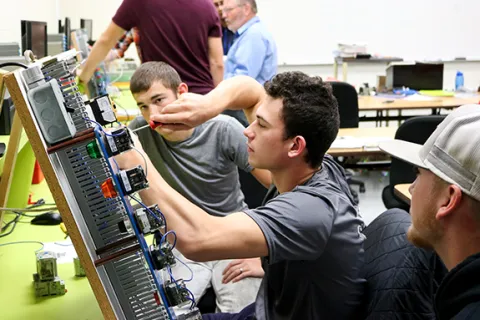
Hands-on lab experience distinguishes adequate programs from excellent ones. Lab work teaches essential manual skills: using goniometers, measuring range of motion, applying manual resistance, and practicing patient positioning. Faculty members with clinical backgrounds provide expert mentorship during these sessions, ensuring you develop technical proficiency before clinical rotations begin.
Clinical rotations should span multiple healthcare settings: acute care hospitals, outpatient clinics, home health, skilled nursing facilities, rehabilitation centers, pediatric settings, and sports medicine clinics. This diversity prepares you for adaptability across employment settings. Programs often structure rotations as inpatient, outpatient, and elective experiences, allowing students to explore personal preferences while gaining comprehensive real-world experience. Internships enhance job placement prospects by providing supervised work experience that employers value.
Clinical Placement Quality and Variety
The quality of clinical sites profoundly affects your learning. High-volume facilities with diverse patient populations and dedicated preceptors produce graduates who feel confident and competent. Weak placements—clinics where supervisors are too busy, or patient variety is limited—restrict your clinical experiences and professional development.
Geographic proximity matters for logistics and cost. Some rotations may require significant travel or overnight stays. Evaluate whether clinical partners are accessible from program locations. Programs with established relationships across multiple facility types near campus simplify your scheduling and reduce transportation expenses.
The timing of clinical placements should align with coursework progression. Early clinical exposure is typically observational, while advanced placements occur after sufficient theoretical preparation. This sequencing ensures you can apply classroom knowledge during patient care, maximizing learning during each rotation.
Location and Support Services

Staying local for your physical therapy education saves on housing, transportation, and cost of living expenses. However, program quality should outweigh proximity; a more distant college with better outcomes may prove worthy of relocation costs.
Campus resources contribute substantially to student success. Academic advising helps you navigate course sequencing and clinical placement timelines. Tutoring services support students struggling with challenging scientific coursework. Simulation labs and skills labs allow practice before clinical rotations, building confidence and competence. Programs offering structured student support consistently achieve better graduation rates and NPTE outcomes.
Career counseling and job placement assistance bridge education and employment. Alumni networks create connections with healthcare employers across Ohio and beyond. Programs maintaining strong relationships with hospitals, nursing homes, outpatient clinics, and rehabilitation centers facilitate employment conversations before graduation. Ask current students and recent graduates about their experiences with career services.
Digital resources and technology support have become increasingly important factors. Hybrid models combining online lectures with in-person labs increase flexibility for working students. However, ensure technology enhancements don’t compromise face-to-face instruction time or the quality of clinical experiences. Reliable learning management systems, simulation tools, and adequate tech access support the educational experience regardless of format.
Financial Aid and Affordability

Understanding financial aid options is crucial when choosing a physical therapist assistant program. Tuition and fees can vary widely, including costs for textbooks, lab materials, background checks, and licensing exam preparation. Many programs, including those at Edison State Community College, offer financial aid options such as scholarships, grants, and student loans to help manage these expenses. Prospective PTA students should explore all available financial aid opportunities early in the application process to reduce their financial burden. Additionally, programs that offer Prior Learning Assessment (PLA) options may allow students to earn credit for previous experience, potentially shortening program length and lowering overall costs. Evaluating the total cost of attendance alongside financial aid options ensures you select the right physical therapy program that aligns with both your career goals and budget.
Making the Right Choice for Your PTA Career
Choosing the right PTA program requires careful consideration of accreditation, hands-on training, clinical opportunities, and career outcomes. A well-structured program not only builds technical skills but also prepares students for real-world healthcare settings, ensuring long-term success and growth in a rewarding and in-demand profession.
Edison State Community College offers comprehensive training through its PTA program, helping students gain practical experience and career-ready skills. Our programs also include other health sciences pathways, an Associate of Science, and an Associate of Arts to support diverse academic goals. Take the next step with us and begin your journey toward a fulfilling healthcare career today.
Frequently Asked Questions
What is the most important factor when choosing a PTA program?
CAPTE accreditation stands as the foundation for all other considerations. Without proper accreditation, you cannot sit for the national physical therapy examination, making licensure impossible regardless of how well the program prepares you. Verify accreditation status directly through CAPTE before evaluating any other program factors.
How long does it take to complete a PTA program?
Most PTA programs require approximately two years for completion, structured as associate degree programs spanning five semesters. Students complete general education coursework alongside technical PTA courses and multiple clinical rotations. Some programs offer accelerated options or Prior Learning Assessment that may shorten this timeline for qualified students.
Can work experience count toward PTA program requirements?
Prior Learning Assessment (PLA) options allow students with relevant healthcare experience, military training, or previous college credits to receive recognition that may reduce program duration and cost. Programs have varying PLA policies; confirm specific requirements and evaluation processes during your program research.
What should I ask when visiting potential PTA programs?
Ask about first-time and ultimate NPTE pass rates over the past two years, graduation rates within 150% of program length, types of clinical rotation settings available, total costs including all fees beyond tuition, student-to-faculty ratios, support resources like tutoring and simulation labs, and graduate employment rates, with information about where recent graduates work.
What career opportunities are available after graduating from a PTA program?
Graduates find employment across diverse healthcare settings: hospitals, outpatient clinics, rehabilitation centers, skilled nursing facilities, home health agencies, schools, and sports medicine practices. Ohio’s PTA job market remains strong due to healthcare demand.