






What Can You Do with a Marketing Degree?
A marketing degree opens the door to diverse, in-demand careers across industries by building skills in creativity, communication, and data analysis. With opportunities ranging from digital marketing to brand management, it’s a strong path for those looking to drive business growth and stay competitive in a dynamic field.
September 22, 2025

In today’s fast-paced business environment, marketing professionals are at the forefront of driving growth, building brand awareness, and connecting companies with their audiences. A marketing degree provides a strong foundation for understanding consumer behavior, crafting effective campaigns, and making data-driven decisions that shape business success.
Explore the wide range of career opportunities available to marketing graduates, from entry-level roles to advanced leadership positions, and discover the key skills developed through a marketing education and how continued learning can help you stay competitive in the ever-evolving marketing landscape.
Is a marketing degree worth it?
Absolutely! A marketing degree equips you with valuable skills and can lead to exciting, high-paying job opportunities.
Key Takeaways
- A marketing degree offers diverse career paths, with job growth in the field projected at 16.3% by 2032.
- Entry-level roles, such as marketing assistants, social media managers, and market research analysts, provide valuable experience and skill development.
- Continuing education and certifications enhance career opportunities for marketing professionals, making them crucial for staying competitive in the evolving job market.
Exploring Career Options with a Marketing Degree
A marketing degree provides a solid foundation for various career paths that cater to different interests and skills. With the marketing landscape rapidly evolving, marketing graduates are in high demand across various sectors.
Marketing graduates can explore a range of entry-level positions, including marketing assistants, social media managers, and market research analysts. These roles offer a stepping stone into the industry, providing valuable experience and the opportunity to develop essential marketing skills. You can expect to engage in digital marketing, advertising campaigns, and content marketing, all of which are crucial in today’s marketing efforts.
To further strengthen your business knowledge, exploring programs like general business studies can enhance your understanding of core business functions and complement your marketing expertise.
From coordinating promotional activities to analyzing market trends, a marketing degree equips you with the knowledge and skills needed to excel in various roles. Let’s take a closer look at some of the key entry-level positions available for marketing graduates.
Marketing Assistant
A marketing assistant supports senior marketing professionals and coordinates promotional activities. Responsibilities include managing communications, using social media, and assisting in marketing campaigns.
Social Media Manager
A social media manager oversees an organization’s social media strategy and develops its online presence. Responsibilities include analyzing results, conducting social media campaigns, and crafting strategies to engage the target audience. Communication, creativity, and tech skills are essential for this dynamic career path.
Market Research Analyst
A market research analyst gathers and analyzes consumer and competitor data to inform marketing strategies, including keyword research. Strong analytical skills are required to interpret data and present findings effectively.
Understanding accounting principles can also be beneficial in this role, as analyzing budgets, financial data, and ROI metrics helps marketing professionals make informed, data-driven decisions.
Advanced Roles in Marketing
Requiring more experience and advanced skills, high-level marketing positions offer greater responsibility and earning potential. These roles involve developing marketing campaigns, overseeing strategies, and leveraging digital platforms for brand development and user acquisition.
A marketing degree fosters competencies in strategic planning and creative thinking, preparing graduates for advanced positions as brand managers, marketing managers, and digital marketing analysts. These roles demand a deep understanding of market trends, customer engagement, and the creation of compelling campaigns.
Let’s explore some of these advanced roles and the skills required to excel in them.
Brand Manager
A brand manager oversees the marketing department process, communicates with different departments, conducts research, and engages in planning and advertising campaigns. Creativity and strategic thinking are essential for maintaining a cohesive brand image.
Marketing Manager
Marketing managers lead marketing campaigns and coordinate with various departments to achieve business goals. This role is crucial for driving strategies and campaigns within an organization.
Professionals can also benefit from studying entrepreneurship, which teaches innovative thinking and business leadership skills. These are valuable assets for marketing managers overseeing brand and product growth.
Digital Marketing Analyst
A digital marketing analyst:
- Analyzes digital marketing efforts to enhance a company’s online presence
- Utilizes tools like Google Analytics and web analytics to track and interpret data
- Optimizes strategies based on data insights
Public Relations and Communication Roles

Marketing graduates can pursue roles in public relations and communication, leveraging their skills to manage public perception and create compelling content. These roles are crucial for enhancing a brand’s reputation and engaging with the media and public.
In the nonprofit sector, marketing professionals raise awareness and generate funds for various causes through targeted campaigns. Managing an organization’s reputation as a public relations specialist or crafting engaging content as a copywriter demands strong communication skills and the ability to resonate with specific audiences.
Let’s delve into the responsibilities and skills required for these roles.
Public Relations Specialist
Public relations specialists manage public perception through media engagement and other activities. Responsibilities include:
- Managing reputation
- Writing press releases
- Engaging with media
- Planning events
- Collaborating with public relations professionals
This role enhances a brand’s reputation and requires strong communication and interpersonal skills.
Copywriter
A copywriter crafts marketing content for various platforms, including social media, brochures, newsletters, and reports. This role focuses on creating compelling messages that resonate with target audiences and is key in content marketing efforts.
Event and Fundraising Management
Event planning and fundraising management utilize marketing skills to organize successful events and attract donors. These roles require strong communication, organizational skills, and interpersonal skills, along with creativity to execute memorable experiences.
Event planners handle the planning and management of events for promotional purposes. Fundraisers focus on raising money for nonprofits and increasing donor awareness. Both roles enhance brand visibility and engagement through strategic marketing efforts.
Let’s take a closer look at the responsibilities and skills required for these roles.
Event Planner
Event planners organize and manage events for promotional purposes. Successful planners require strong communication, organizational, interpersonal, and creativity skills.
Fundraiser
Fundraisers raise money for nonprofits and increase donor awareness. Strong communication skills and the ability to develop compelling campaigns that resonate with potential donors are essential.
Skills Developed Through a Marketing Degree

A marketing degree prepares students to conduct consumer behavior analysis, develop creative campaigns, and engage in strategic planning. Graduates are well-prepared for diverse roles thanks to the comprehensive skill set developed during their studies.
Students also develop key skills, such as analytical, communication, and creative thinking skills. These are crucial for interpreting data, engaging audiences, and crafting innovative marketing strategies.
Analytical Skills
Graduates with a marketing degree can analyze and interpret data, which is essential for making informed decisions. They develop skills in data collection and analysis to identify patterns and trends relevant to marketing strategies.
These analytical skills enable marketing professionals to assess the performance of campaigns using analytics tools and make necessary adjustments.
Communication Skills
Communication skills are crucial in marketing, enabling professionals to convey messages clearly to target audiences. Effective communication techniques engage audiences by tailoring messages to their interests and needs.
These skills are vital for building relationships and driving engagement in various marketing roles.
Creative Thinking
Creative thinking is essential in brand manager and marketing manager roles, where innovative thinking drives brand strategy and business goals. Successful leaders leverage their creativity to devise strategies that stand out in a competitive market.
Creativity is crucial for crafting compelling marketing content that drives engagement and increases conversion rates.
Industries Hiring Marketing Graduates
Various industries seek marketing graduates. These include:
- Retail
- Consumer goods
- Technology
- Nonprofit organizations
In each sector, marketing professionals focus on different roles:
- Retail: brand management, product promotion, and consumer engagement
- Technology and digital services: digital marketing analysts and social media managers are in high demand
- Nonprofit: raise awareness and funds for various causes
Let’s explore these industries in more detail.
Retail and Consumer Goods
Roles in retail focus on brand management, product promotion, and consumer engagement. Marketing professionals enhance product visibility and drive engagement through various promotional strategies and a solid marketing plan.
Understanding market trends and consumer behavior is crucial for success in this industry.
Technology and Digital Services
Digital marketing offers numerous career opportunities catering to technological advancements. Social media managers maintain an organization’s digital presence and craft strategies to engage target audiences. Digital marketing analysts specialize in analyzing online marketing efforts using tools like Google Analytics to optimize digital advertising strategies and improve SEO.
With the growing reliance on technology, there are significant opportunities in technology-focused companies for marketing professionals.
Nonprofits
The nonprofit sector addresses social issues, bringing attention to causes. Fundraisers work with nonprofits to attract donors and sponsors, leveraging marketing strategies to support causes.
Event planners use strategic marketing to organize fundraising events, requiring strong organizational and interpersonal skills. Marketing roles in the nonprofit sector are essential for raising awareness and funds and making a significant impact.
Is a Marketing Degree Right for You?
Deciding whether a marketing degree is right for you involves considering your interests and career goals. A marketing degree opens doors to various career paths, including public relations, brand management, and digital marketing. The skills you develop, such as analytical, communication, and creative thinking skills, are valuable in many roles.
Final Thoughts
A marketing degree offers diverse career opportunities across industries, from entry-level positions like marketing assistants and social media managers to advanced roles such as brand managers and marketing directors. With in-demand skills in communication, creativity, and data analysis, marketing graduates are well-prepared to thrive in today’s fast-paced business world. Continuing education, certifications, and hands-on experience can further boost your professional growth and open doors to exciting, high-paying roles.
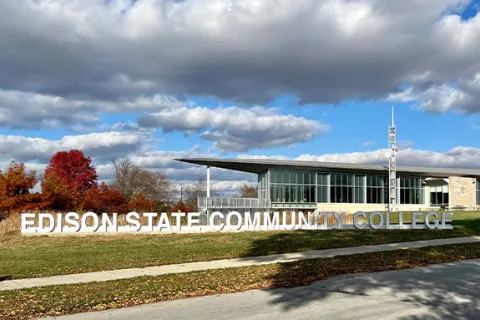
At Edison State Community College, you can earn a marketing degree that provides the knowledge, skills, and practical experience needed to succeed in this dynamic field. With supportive faculty, flexible programs, and a commitment to student success, we’ll help you build a strong foundation for a thriving marketing career. Start your journey today and turn your passion for marketing into a rewarding future. The marketing degree is available entirely online, fully in-person at Edison State in Piqua, or through a blended approach combining online and in-person courses at the Eaton, Greenville, or Troy campuses.
Frequently Asked Questions
What career opportunities are available with a marketing degree?
With a marketing degree, you can explore a variety of exciting roles, such as a marketing manager, social media manager, or market research analyst. The opportunities are vast, so you can find a path that truly fits your interests and skills!
What skills will I develop with a marketing degree?
With a marketing degree, you'll develop analytical, communication, and creative thinking skills that are vital for understanding data, connecting with audiences, and creating effective marketing strategies. It's a great foundation for a successful career in the field!
What industries hire marketing graduates?
Marketing graduates are in demand across a range of industries, including retail, technology, health care, and nonprofits. These sectors appreciate the unique skills marketing professionals offer!
How can I advance my marketing career?
To advance your marketing career, invest in continuing education, such as certifications in Meta marketing analytics or even a graduate degree in marketing. These credentials will boost your skills and open new opportunities.
Is a marketing degree worth it?
Absolutely! A marketing degree equips you with valuable skills and can lead to exciting, high-paying job opportunities.