







The Importance of Agricultural Education
Agricultural education empowers students with practical skills, critical thinking, and sustainability knowledge, connecting classrooms to real-world food systems while preparing future leaders to support communities, innovation, and global food security.
October 6, 2025
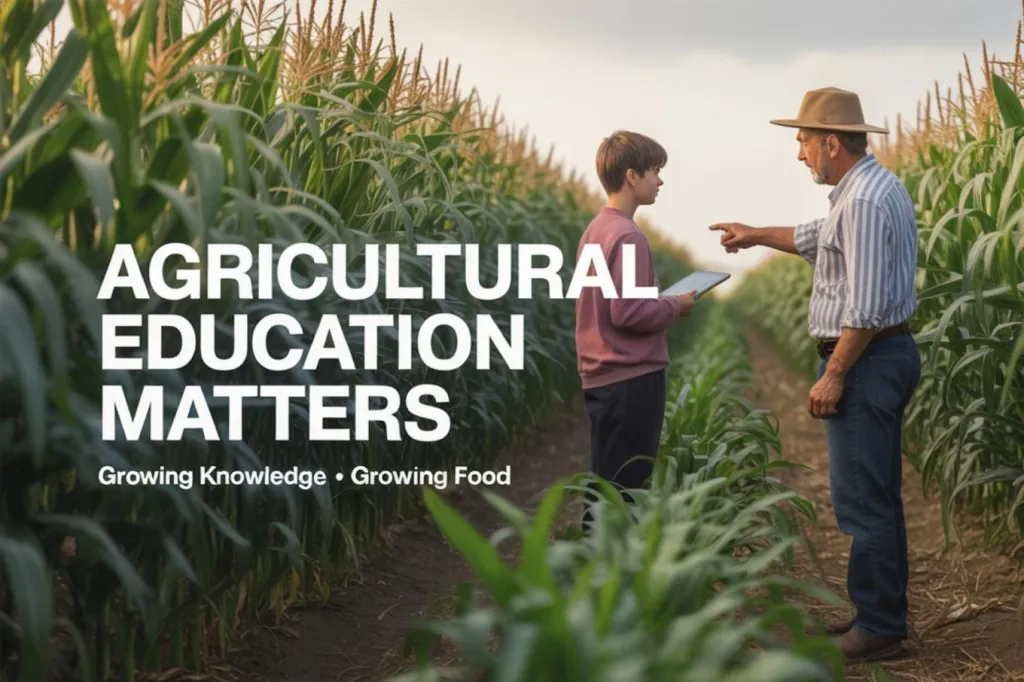
As the world continues to evolve, the importance of understanding where our food comes from and how it is produced has never been greater. Agricultural education serves as the foundation for developing the knowledge, skills, and innovation needed to sustain our planet and feed future generations. It connects students to the land, teaches essential life and leadership skills, and inspires a deeper appreciation for the role agriculture plays in our daily lives.
By exploring the history, benefits, and modern applications of agricultural education, this article highlights how integrating agriculture into learning can empower individuals, strengthen communities, and promote sustainability.
Key Takeaways
- Agricultural education has evolved significantly since the 1800s, with key legislative acts establishing it as a vital component of schooling, particularly through the Morrill Act and the Smith-Hughes Act.
- Integrating agricultural education into school curricula provides students with essential life skills, promotes self-sufficiency, enhances critical thinking, and creates diverse career opportunities in the agriculture sector.
- Colleges and educational institutions play a crucial role in supporting agricultural education by offering tailored programs, hands-on learning opportunities, and fostering industry connections to prepare students for future challenges in agriculture.
The Evolution of Agricultural Education
The roots of agricultural education run deep, tracing back to the 1800s when it was integrated into school curricula. Many students lived on farms and actively participated in farming activities, making agricultural knowledge a necessity. The pivotal moment came with the Morrill Act of 1862, which allowed states to create colleges focused on agriculture and mechanical arts, marking the formal introduction of agriculture into higher education.
The evolution continued with the Smith-Hughes Act of 1917, which was groundbreaking for its provision of federal funding for vocational agriculture education in high schools, firmly integrating agricultural education into public school systems. Despite a decline in focus by the 1920s, some educators continued to advocate for the relevance of agricultural education in schools.
Other key developments in agricultural education include:
- In the 1960s, educational materials were updated to reflect modern practices and knowledge, ensuring students received current and relevant information.
- In 1981, the United States Department of Agriculture began overseeing agricultural education to ensure its alignment with community needs.
- Legislative support, such as the Vocational Education Act of 1963, has continued to enhance curricula by incorporating diverse agricultural topics to meet modern needs.
Benefits of Agricultural Education for Students
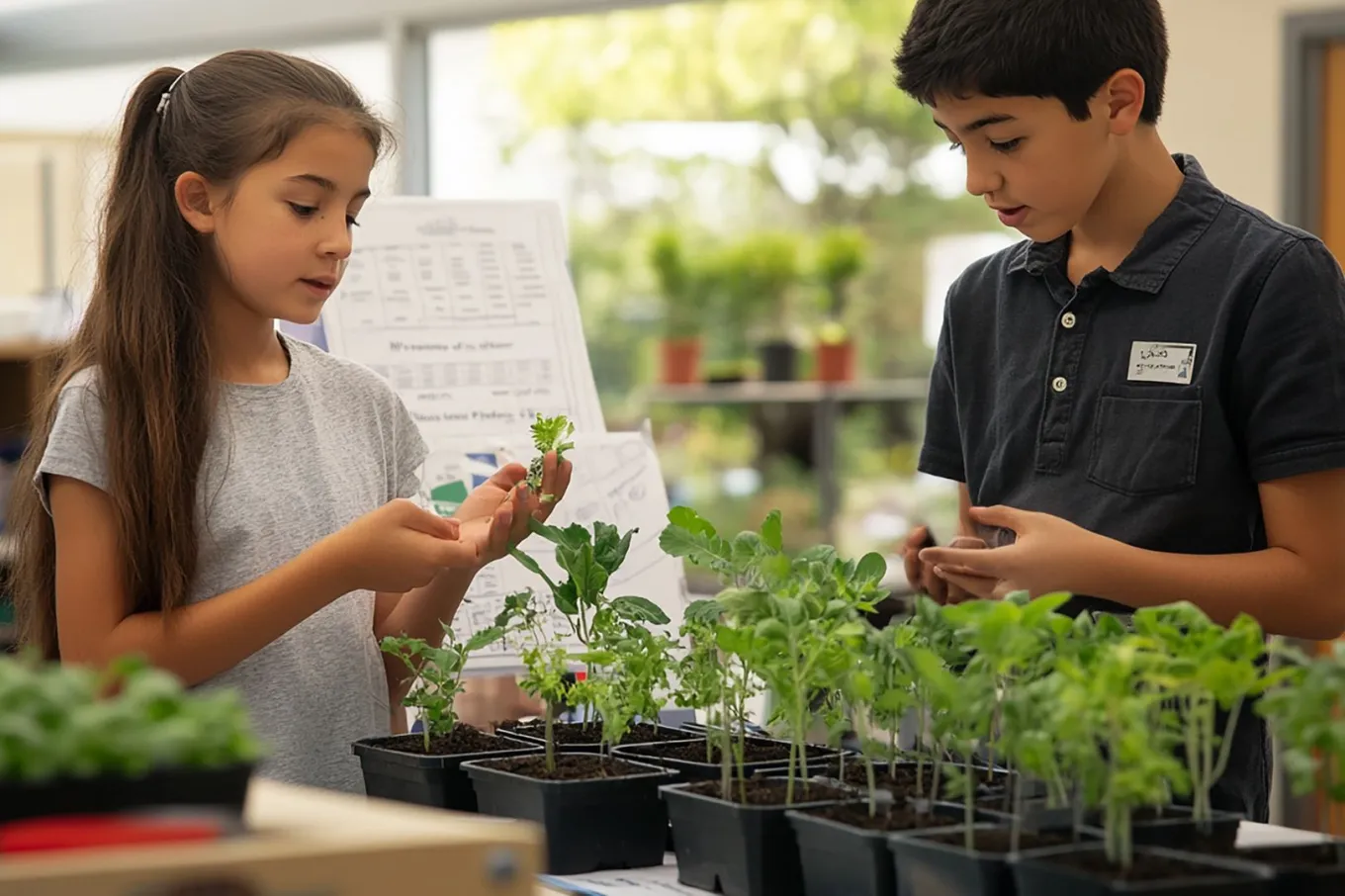
Agricultural education offers a myriad of benefits to students, equipping them with essential life skills, from decision-making and practical problem-solving to fostering local employment and supporting businesses. Integrating agricultural education into school curricula helps students understand the significance of agriculture in daily life.
Subsequent sections explore specific benefits of agricultural education, such as promoting self-sufficiency and food security, enhancing critical thinking skills, and opening career opportunities for students.
Promotes Self-Sufficiency and Food Security
One of the most significant advantages of agricultural education is its promotion of self-sufficiency and food security. Understanding food production equips students to sustain themselves and their communities. This knowledge enables them to produce their own food, enhancing self-sustainability.
Furthermore, learning about food production helps students cultivate self-reliance and contribute to local food systems, which is crucial for community resilience and food security.
Enhances Critical Thinking Skills
Agricultural education fosters critical thinking through practical activities. This hands-on approach allows students to navigate the challenges of modern agriculture and develop essential problem-solving abilities.
These skills are not only valuable for a variety of careers within the agricultural sector but also in everyday life, preparing students for diverse professional paths.
Opens Career Opportunities
Pursuing agricultural education opens a world of career opportunities for students. The field offers diverse career options in sectors such as agribusiness, animal science, and environmental science. Students can explore roles in agronomy, agricultural technology, and food sciences, among others.
Colleges prepare students for diverse careers by offering technical education programs that equip them with essential skills and knowledge of the agricultural sector.
Impact on Community and Economy
Agricultural education has a profound impact on both communities and local economies. It teaches essential skills related to food production and sustainability, which are crucial for individual and community resilience. Promoting community engagement and social responsibility, agricultural education helps build essential networks for local development. Emphasizing the importance of agricultural education in addressing food security and sustainability further strengthens community and economic ties.
Next, we explore how agricultural education strengthens local economies and encourages sustainable practices.
Strengthens Local Economies
Educated farmers play a significant role in boosting local economies by creating almost three times as many jobs through direct marketing compared to wholesale methods. These professionals help create jobs, support local businesses, and stimulate economic activity within their regions by promoting agricultural products.
Their adoption of innovative practices leads to increased productivity and profitability in farming, contributing to the economic stability and growth of communities.
Encourages Sustainable Practices
Agricultural education promotes practices that conserve natural resources and protect the environment, benefiting future generations. It advocates for eco-friendly farming techniques, which are vital for preserving soil health and reducing environmental impact.
Educated agricultural professionals implement best practices that lead to higher yields and better resource management, directly benefiting community economic stability. Understanding global agricultural challenges prepares students to contribute to sustainable food systems.
Integrating Agricultural Education in Schools

Integrating agricultural education in schools is essential for fostering future generations of informed and capable agricultural professionals. Lessons engage students by:
- Introducing agricultural concepts
- Highlighting innovative farming techniques
- Enhancing productivity and sustainability in food production
Incorporating modern tools like drones for monitoring crop health allows students to enhance their farming practices and understanding of crops. This serves as a key solution for improving knowledge in farming and preparing future farmers for the agricultural challenges ahead.
We will now explore classroom learning combined with hands-on experience and the role of organizations like the FFA in agricultural education.
Classroom Learning and Hands-On Experience
Effective agricultural education melds classroom theory with practical experiences to enhance student understanding of agricultural practices. This combination allows students to gain hands-on experience, making the learning process more engaging and impactful.
Students benefit from real-life learning opportunities, internships, and direct connections with industry leaders, further solidifying their understanding and skills in agriculture.
Role of FFA and Other Organizations
The National FFA Organization plays a crucial role in supporting agricultural education and offering leadership opportunities to students pursuing careers in agriculture. Founded in 1928, FFA emphasizes the combination of leadership development with agricultural education.
Educational institutions partner with local agricultural organizations to enhance learning opportunities and provide real-world experience for students.
Preparing for a Growing Population
Agricultural education is pivotal in preparing future generations to address the challenges of feeding a growing global population. With the United Nations currently projecting the global population to be around 10.2 billion by 2100, the demand for food will continue to rise, making agricultural education essential. This education equips students with the knowledge and skills necessary to tackle future challenges.
Next, we discuss the role of technology in food production and the importance of global agricultural literacy in addressing these challenges.
Food Production and Technology
Advancements in agricultural technology and mechanics are critical for enhancing food production efficiency to meet the needs of a larger population. Modern agricultural education incorporates new technologies, such as precision farming and robotics, to enhance crop yields and resource efficiency.
Agricultural education activities foster critical thinking by allowing students to tackle real-world challenges and devise solutions. Innovations in agricultural technology significantly enhance food production efficiency, which is vital for meeting the demands of a growing population.
Global Agricultural Literacy
Understanding global agricultural issues is crucial due to the pressing challenges that arise from population growth and climate change. Current global agricultural challenges include food insecurity, sustainable resource management, and the impact of climate change on farming practices.
Agricultural education equips students with the knowledge and skills necessary to create and implement solutions. Through hands-on learning, students can understand agricultural practices on a deeper level, preparing them to tackle real-world problems and contribute to global food security.
Final Thoughts
Agricultural education plays a vital role in shaping future generations to address global challenges related to food security, sustainability, and economic development. From its deep historical roots to its modern advancements, agricultural education empowers students with essential knowledge and practical skills that strengthen communities and drive innovation. By integrating agriculture into school curricula and fostering hands-on learning experiences, this field ensures students are well-prepared to contribute to a thriving and resilient future.
Edison State Community College stands at the forefront of this mission, offering a comprehensive Agriculture program through Edison State at Greenville that equips students with the tools, experience, and confidence needed to excel in today’s evolving agricultural landscape. Whether you’re pursuing a career in agriculture or looking to enhance your skills, we’re here with the support, resources, and real-world opportunities to help you succeed.
Frequently Asked Questions
What is agricultural education?
Agricultural education is a field of study that teaches students about agriculture, food production, natural resources, and related sciences. It combines classroom learning with hands-on experiences to prepare students for diverse careers in agriculture and environmental sustainability.
Why is agricultural education important for students?
Agricultural education helps students develop critical thinking, leadership, and problem-solving skills while understanding the importance of sustainable food production. It also opens pathways to rewarding careers in agribusiness, food science, animal care, and environmental management.
What skills can students gain from studying agriculture?
Students gain practical skills such as crop and livestock management, agribusiness planning, environmental stewardship, and the use of modern technologies like drones and precision farming tools. These skills are valuable in both agricultural and non-agricultural careers.
How does agricultural education contribute to sustainability?
Agricultural education promotes eco-friendly practices that conserve natural resources, reduce waste, and encourage sustainable farming techniques. It prepares individuals to make informed decisions that positively impact the environment and food systems.
What career opportunities are available with a background in agriculture?
A background in agriculture opens doors to careers in areas such as agribusiness, animal science, horticulture, food technology, environmental science, and agricultural engineering. Graduates can work in education, research, government, or private industries.