






Reasons to Consider Pursuing an Associate Degree in Respiratory Care
An associate degree in respiratory care offers a fast, affordable path into a high-demand health care career, combining hands-on training, strong job stability, and opportunities to make a meaningful impact on patients’ lives.
October 20, 2025
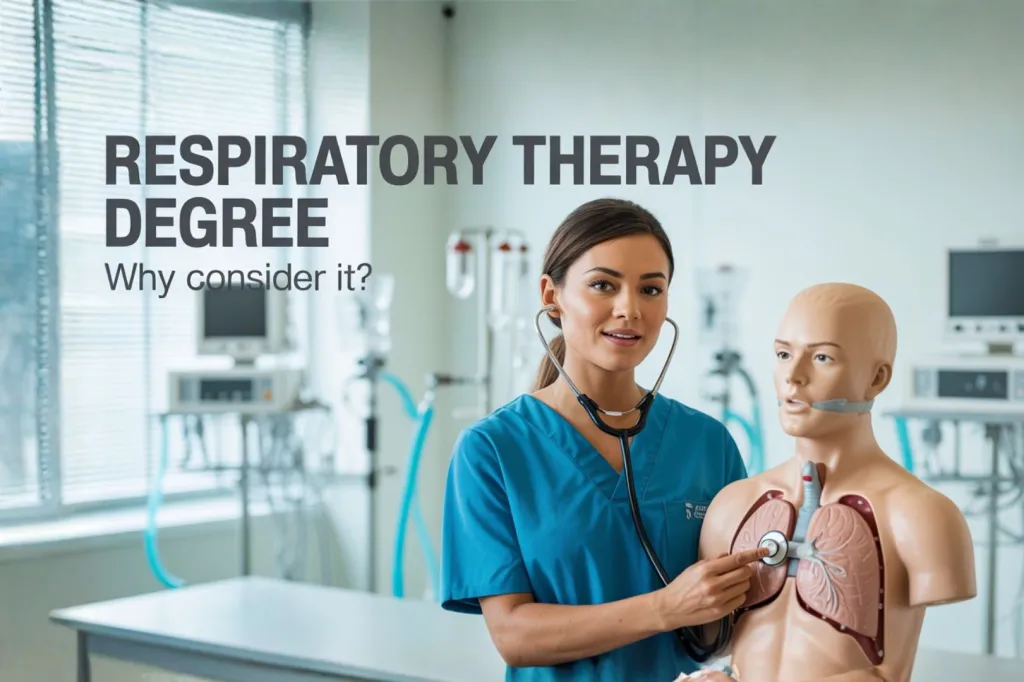
Choosing a career in health care is one of the most rewarding decisions you can make, and pursuing an associate degree in respiratory care is a smart and impactful way to enter this vital field. Respiratory therapists play a crucial role in treating and managing conditions that affect the lungs and airways. With a growing demand for skilled professionals, competitive salaries, and the ability to make a real difference in people’s lives, this degree offers both stability and purpose.
Whether you’re a recent high school graduate or a professional looking to change careers, an associate degree in respiratory therapy provides a fast, affordable, and fulfilling pathway into health care.
Key Takeaways
- With respiratory therapists in high demand, this role offers stability. The Bureau of Labor Statistics projects employment to grow 12% from 2024 to 2034.
- The role offers competitive salaries and opportunities for specialization, thereby enhancing career advancement potential.
- Financial accessibility through financial aid and scholarships, combined with a supportive educational environment, facilitates the pursuit of respiratory therapy, making it a viable career choice for a diverse range of applicants.
High Demand and Job Stability
The health care industry increasingly requires respiratory therapists due to an aging population, heightened patient acuity, and more frequent respiratory illnesses. Labor statistics project a 12% employment growth rate for respiratory therapists by 2034, considerably higher than average. This growth promises job stability and a favorable career outlook.
With an average of 8,800 job openings annually due to workforce transitions like retirements and rising health care needs, job opportunities for respiratory therapists are plentiful. Graduates will be prepared to work in various health care settings, including hospitals, diagnostic labs, and rehabilitation centers.
Employers favor candidates with a strong educational background and relevant certifications, making an associate degree in respiratory care a wise choice for a stable and fulfilling career. Diverse work environments and the high demand for skilled professionals ensure respiratory therapists remain essential in health care.
Similarly, other in-demand health care careers, such as medical laboratory technicians and registered nursing, also provide long-term stability and the chance to make a meaningful impact in patient care, showing how vital health care professionals are across the industry.
Quick Entry into the Workforce
A major appeal of an associate degree in respiratory care is the short program duration, typically around two years for those attending full time. This pathway allows students to start their careers sooner and meet the growing demand for respiratory therapists.
The program is career-focused, equipping students with the skills and knowledge needed to excel. Respiratory therapy programs prepare students to succeed in high-pressure situations, improve patients’ quality of life, and build healthier communities.
Diverse Work Environments

Respiratory therapists can work in various settings, enhancing the profession’s appeal. While most find employment in hospitals, opportunities also exist in nursing care facilities, physician offices, and outpatient care centers. This diversity allows professionals to choose environments that match their interests and career goals, impacts earning potential, enhances job satisfaction, and offers career advancement avenues.
If you are interested in a rewarding career as a traveling respiratory therapist, this unique health care job offers the chance to explore new places while advancing your professional skills. Traveling respiratory therapists can accept 13-week contracts at hospitals across the United States, providing flexibility to renew contracts or move to a new location for the next assignment.
In a similar way, professionals trained in Phlebotomy often enjoy working in a range of settings, from hospitals to research facilities, demonstrating the variety of opportunities available within allied health professions.
Essential Certifications and Licenses
Obtaining necessary certifications and licenses is crucial for practicing as a respiratory therapist. Key requirements to become a respiratory therapist include:
- Except for Alaska, all states require licensure.
- To practice in Ohio, one must be a registered and licensed respiratory therapist. After earning their RRT credential, students must apply for licensure with the Ohio Medical Board.
- The Certified Respiratory Therapist (CRT) credential is mandatory nationwide.
- The CRT serves as a foundational certification.
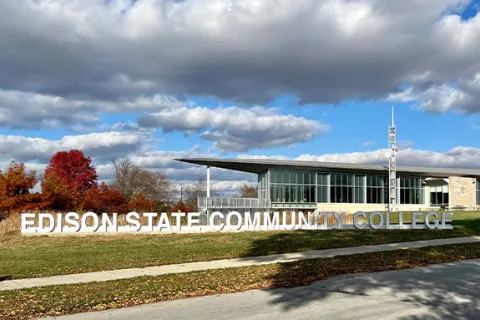
The Edison State Community College, CoARC program number 200667, Associate of Applied Science Degree, Piqua Campus, holds Provisional Accreditation from the Commission on Accreditation for Respiratory Care (www.coarc.com). The National Board for Respiratory Care oversees the credentialing process to ensure quality and credibility. Graduates are prepared to take the CRT and Registered Respiratory Therapist (RRT) certification exam, both of which greatly enhance employability. The RRT, in particular, is becoming a standard requirement nationwide for certified respiratory therapists.
Achieving certification validates competencies and opens doors for career advancement. Many therapists pursue the RRT credential after obtaining their CRT as a step toward further career development. Employers prefer candidates with these certifications, underscoring their importance.
Hands-On Learning and Clinical Rotations
Hands-on training is essential in respiratory care programs, providing students with practical skills for their careers. An accredited program requires at least 450 hours of clinical work, ensuring extensive experience in real-world health care settings. These rotations build confidence and proficiency in equipment handling and patient assessment.
Students must complete clinical experiences in various health care settings, such as hospitals, clinics, and home health services. This exposure prepares them for diverse career challenges. Additionally, programs increasingly use simulation training to enhance clinical skills in a safe environment.
Hands-on learning equips students with essential technical skills and prepares them for national credentialing exams and state licensure. Graduates are ready to enter the workforce as competent and confident respiratory therapists.
Opportunities for Specialization
Respiratory therapy offers numerous opportunities for specialization, allowing professionals to focus on areas of interest and enhance career prospects. Specialization areas include:
- Neonatal intensive care units
- Outpatient Pulmonary Function Testing
- Critical care
- Pediatric respiratory care
- Pulmonary rehabilitation
- Polysomnography
- Home care
Each field offers unique challenges and rewards, contributing to job satisfaction and career advancement.
Pursuing advanced degrees and certifications in specialized fields may require additional training and experience, but the benefits are substantial. Specializing can lead to advanced roles, higher salaries, and greater personal fulfillment. For those looking to expand their expertise and career-focused training opportunities, specialization is a valuable path.
Financial Accessibility
An associate degree in respiratory therapy is financially accessible due to available financial aid options. Students can benefit from scholarships, loans, and federal and state aid. Additionally, many employers offer tuition assistance, making it easier for graduates to pursue advanced degrees.
Compared to a bachelor’s degree, an associate degree program is generally more affordable, providing a cost-effective entry into the health care field. This financial accessibility allows students from diverse backgrounds to pursue their educational and career goals.
Pathway to Further Education and Career Advancement

The job outlook for respiratory therapists is promising, with a projected 12% growth rate from 2024 to 2034, much faster than average. An associate degree serves as a stepping stone for those looking to become respiratory therapists and advance their education and career. Many choose to pursue a bachelor’s degree, leading to higher lifetime earnings and more career opportunities.
Further education is often necessary for administrative roles or specialization in areas like sleep disorders, critical care, and neonatal pediatrics. Employers frequently offer tuition support, facilitating the pursuit of advanced degrees.
Work-Life Balance
Respiratory therapists often enjoy a healthy work-life balance due to flexible scheduling options. Full-time respiratory therapists work a minimum 36-hour weekly schedule, with varied shift patterns available. This flexibility accommodates personal responsibilities and helps maintain a balanced lifestyle.
Some positions offer extended shifts, such as 12-hour days, resulting in fewer workdays each month. These options enable respiratory therapists to balance professional and personal lives effectively, contributing to overall job satisfaction and well-being.
Positive Impact on Patient Lives
Respiratory therapists play a crucial role in patient care, helping individuals with breathing problems manage their respiratory conditions and improve their quality of life. Most respiratory therapists work with patients of all ages, from premature infants with underdeveloped lungs to the elderly, providing essential care for conditions like chronic obstructive pulmonary disease, sleep apnea, and breathing disorders. They work to treat and ensure optimal outcomes for their patients, including with the use of oxygen therapy.
Through patient education and collaboration with other health care professionals, respiratory therapists help patients manage their health effectively. Their work improves patient outcomes and provides a sense of fulfillment.
Supportive Educational Environment
Institutions foster a supportive learning environment that promotes student success. From application to graduation, students receive guidance and resources to achieve their educational goals. Approachable and knowledgeable faculty and staff provide a quality education and a culture of caring. This supportive environment ensures students are well-prepared to enter the workforce as competent and confident respiratory therapists.
Final Thoughts
Pursuing an associate degree in respiratory care opens the door to a career that combines compassion, skill, and stability. This degree offers multiple advantages, including strong job demand, competitive salaries, quick entry into the workforce, and opportunities for specialization in diverse health care environments. With hands-on training, essential certifications, and flexible learning paths, students gain the technical expertise and confidence needed to make a real difference in patients’ lives while enjoying a rewarding and sustainable career.
Aspiring health care professionals can begin their journey with Edison State Community College’s respiratory care program in Piqua, which provides comprehensive education, practical experience, and personalized support. This program equips students with the knowledge and skills required to excel in today’s health care field and prepares them to become competent, compassionate respiratory therapists ready to serve their communities.
Frequently Asked Questions
What is the job outlook for respiratory therapists?
The job outlook for respiratory therapists is promising, with a projected employment growth rate of 12% from 2024 to 2034. This indicates a strong demand for professionals in the field.
How long does it take to complete an associate degree in respiratory care?
An associate degree in respiratory care typically takes around two years to complete, enabling graduates to enter the workforce promptly.
What certifications are required to become a respiratory therapist?
To become a respiratory therapist, it is essential to obtain both the Certified Respiratory Therapist (CRT) and Registered Respiratory Therapist (RRT) certifications to satisfy state licensure requirements and improve job prospects.
What types of financial aid are available for respiratory therapy students?
Various financial aid options for respiratory therapy students include scholarships, loans, federal and state aid, and potential tuition support from employers. These resources can significantly alleviate the financial burden of education.
What are the opportunities for career advancement in respiratory therapy?
Career advancement in respiratory therapy can be achieved through obtaining advanced degrees, specializing in fields like critical care or neonatal pediatrics, and transitioning into administrative positions. These pathways enhance expertise and leadership opportunities within the profession.