






Going the Distance: Why Does Online Learning Work?
Online learning works because it offers flexibility, accessibility, and diverse opportunities that fit modern lifestyles and goals. By building independence, technical skills, and global connections, online education empowers students to succeed academically and professionally, wherever they are.
September 15, 2025

In today’s fast-paced, technology-driven world, education has transformed beyond the traditional classroom. Online learning has emerged as a powerful and flexible alternative, giving students the freedom to learn anytime, anywhere. From working professionals balancing busy schedules to parents managing family commitments, virtual classrooms make quality education more accessible than ever. This evolution isn’t just about convenience; it’s about opportunity, inclusivity, and adaptability. Explore why online learning works so well for today’s students, including flexibility, accessibility, and diverse course options that empower learners to truly go the distance.
Key Takeaways
- Online learning has evolved significantly since its inception in the 1960s, becoming more accessible and inclusive with advancements in technology.
- Many students prefer online classes due to their flexibility, diverse course offerings, and enhanced collaboration opportunities, making education more manageable alongside personal responsibilities.
- Online education fosters essential skills, such as self-discipline, critical thinking, and time management, while also promoting a healthier lifestyle and providing global networking opportunities.
Evolution of Online Learning
Online education started in the 1960s with computer-based training systems like PLATO. These early systems enabled lessons and interactions via mainframe computers, setting the stage for a new learning approach.
With the rise of personal computers and the internet in the 1970s and 1980s, distance learning education programs flourished. These advancements allowed educational institutions to offer courses to students unable to attend traditional classes, breaking geographical barriers and enhancing accessibility.
The 1990s saw the rise of the internet, further revolutionizing online education. Institutions could create and offer online courses via user-friendly platforms, making virtual learning more accessible. This shift led to a more inclusive and flexible learning model that continues to evolve today.
Why Students Prefer Online Classes

Students today are increasingly choosing online classes for their educational benefits. Flexibility, enhanced collaboration through technology, and a wide range of course options catering to diverse interests and career goals are some reasons for this preference.
Flexible Scheduling
A major advantage of online learning is its flexibility. Students can access course materials and lectures anytime, allowing them to learn at their own pace. This setup supports personalized study environments.
A flexible schedule helps students balance academic responsibilities with other commitments, making time management easier. Whether a student completes coursework during a lunch break or late at night, online learning offers the freedom to study when it’s most convenient.
Enhanced Collaboration Through Technology
Online learning platforms have greatly improved collaboration between students and instructors. Virtual classrooms promote interaction, enhancing communication skills and fostering professional relationships. Discussion boards, for instance, enable rich discussions and diverse viewpoints among classmates.
Online education also offers opportunities for virtual group work and meetings, enhancing student collaboration. Recent advancements in remote learning technologies have made these tools easy to use and accessible via smartphones or laptops, making virtual learning more engaging. Online teaching can further enhance these collaborative efforts, creating a richer educational experience.
Wide Range of Courses Available
The wide variety of courses available is another reason students might prefer online classes. Online education offers a vast array of options, including:
- Workshops
- Individual courses
- Microcredentials
- Certificates
- Online degrees
This variety enhances accessibility, providing numerous opportunities to pursue various interests and career goals.
Online learning also eliminates geographical limitations, enabling students to access courses from wherever they are. This expands educational options and allows networking with professionals and peers globally, enriching the learning experience.
Types of Online Courses
Online learning offers various types of courses in an online format to cater to different learning preferences and needs.
Instructor-led virtual setting training, by contrast, allows real-time interaction with instructors and peers, enhancing engagement through discussions and activities. This type of course mimics the traditional classroom setting while offering online learning flexibility.
Webflex learning combines online self-paced courses with live instruction, balancing flexibility with personal interaction. This hybrid approach is popular among students. With various formats available, students can choose the type of online course that best suits their learning style and schedule. In these courses, students typically meet 1 day per week rather than 2, with the remainder delivered online.
Benefits of Online Learning

Online learning offers numerous benefits that cater to today’s students. Beyond flexibility, online courses offer self-paced learning, cost savings from reduced commuting, and improved time management skills. These benefits make online learning a practical choice and contribute to a more effective and enjoyable educational experience.
Cost Savings
A significant benefit of online learning is cost savings. Online education eliminates commuting costs, allowing students to study from anywhere without travel expenses.
Students can also save on textbooks and course materials by using digital resources available in online courses. These savings make online learning a cost-effective alternative to traditional education, helping students reduce various expenses while saving money.
Improved Time Management Skills
Online learning teaches students to manage their time wisely and take responsibility for engaging with the course. Regular assignment deadlines help students plan their time effectively to complete assignments, enhancing organization and academic success.
Using digital planners can help students manage their study schedules and commitments. By proactively planning coursework, students can enhance their time management skills, crucial for balancing academic and personal responsibilities.
How Online Learning Fosters Independence and Motivation
Online learning fosters independence and motivation by requiring students to stick to schedules and manage coursework effectively. For example, earning a degree online demonstrates skills like self-motivation, time management, self-discipline, and self-motivated adaptability, which employers highly value for career advancement.
Studying online lets learners choose their optimal working hours, enhancing focus and productivity. This flexibility helps students balance education with independent study and work responsibilities, further motivating them to succeed.
Enhancing Critical Thinking and Technical Skills
Online education promotes critical thinking skills by encouraging students to actively analyze and evaluate information. The unique challenges of online learning environments develop critical thinking in ways traditional classrooms may not.
Online learning also helps students develop essential new technical skills for the modern workforce. Integrating technology in online courses enhances engagement and prepares students for the professional development and technical demands of their careers.
Environmental and Health Benefits
The shift to online education has notable environmental benefits. Reduced energy consumption and lower carbon emissions from less student travel have positively impacted the environment.
Online learning also supports mental health by alleviating stressors like commuting and social pressure often present in traditional educational settings. This shift encourages a healthier lifestyle, providing more time for activities like cooking and exercising.
Networking Opportunities in Virtual Classrooms
Online learning expands networking opportunities by allowing connections across broader geographic areas. Online classes also break traditional networking limitations by fostering diverse professional relationships.
Online learning platforms often include forums and messaging tools that encourage students to provide peer feedback and networking. Through peer interaction in these environments, students can improve critical thinking, writing skills, and intellectual engagement.
Deciding Whether Online Learning Is Right for You
Deciding whether online learning is right for you involves evaluating its benefits and drawbacks. Understanding these aspects helps students determine whether online education fits their needs and learning style.
Students should assess their ability to focus and avoid distractions when considering online courses. Evaluating technological readiness, like having a reliable internet connection, is also crucial. Combining these evaluations helps students make informed decisions about their educational journey.
Final Thoughts
Online learning has transformed modern education by offering flexibility, accessibility, and diverse course options for learners of all backgrounds. It supports self-paced learning, fosters critical thinking and technical skills, and encourages independence and motivation. From cost savings to improved time management and global networking opportunities, online education provides students with the tools to thrive academically and professionally. Additionally, its environmental and health benefits make it a sustainable and well-balanced approach to learning in today’s connected world.
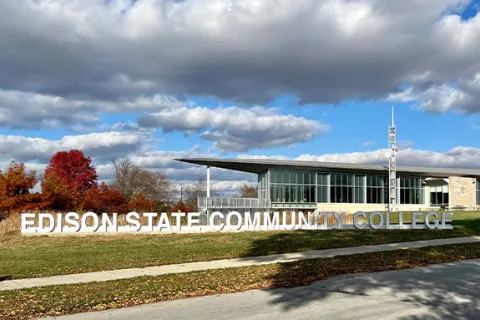
Students can take advantage of a wide range of online learning opportunities available at Edison State Community College, as well as at our Piqua, Greenville, Troy, and Eaton locations. Our flexible courses, scholarship options, and supportive learning environment empower students to pursue their goals while balancing work, family, and personal commitments. Whether you’re beginning your college journey or advancing your career, we’ll help you go the distance.
Frequently Asked Questions
Why do students prefer online classes?
Students prefer online classes because they offer flexibility and a diverse array of courses, allowing for a better fit with their individual schedules and lifestyles. This adaptability enhances their educational experience and collaboration opportunities.
How does online learning foster independence and motivation?
Online learning fosters independence and motivation by requiring students to adhere to schedules and manage their coursework, which cultivates self-discipline and the ability to balance educational responsibilities with personal commitments.
What types of online courses are available?
There are several types of online courses available, including fully online courses and programs as well as webflex courses. This variety ensures that different learning preferences and needs are effectively accommodated.
What are the environmental benefits of online learning?
Online learning significantly benefits the environment by reducing energy consumption and carbon emissions, as it decreases the need for transportation and lowers electricity demand from educational institutions. Embracing this mode of learning can contribute to a more sustainable future.