





Best Career Paths You Can Pursue with a Social Work Degree
A social work degree opens doors to diverse, impactful careers in advocacy, health care, mental health, and community services, offering strong job growth and meaningful opportunities to support individuals and communities.
November 14, 2025

Are you passionate about making a difference in people’s lives and creating positive change in your community? A degree in social work offers countless opportunities to help individuals, families, and groups overcome challenges and build better futures. From advocacy and mental health counseling to health care and education, social work provides diverse and rewarding career paths that combine compassion with meaningful impact.
In this article, we’ll explore career options available for social work graduates, highlighting the unique roles, skills, and opportunities each path offers. Whether you’re just starting your studies or planning your next career move, this blog will help you discover how a social work degree can lead to a fulfilling and purpose-driven profession.
Key Takeaways
- Social work offers diverse career paths, including those in advocacy, health care, aging services, and mental health support, each contributing significantly to societal well-being.
- The job outlook for social work is strong, with a projected growth rate of 13% through 2029 and approximately 74,000 annual openings driven by increasing demand in various service areas.
- Educational programs prepare students for impactful careers in social work through hands-on experience and a strong emphasis on practical learning.
Advocacy & Community Organizing
Advocacy and community organizing are essential pillars of social work, focusing on effecting policy changes and supporting marginalized voices. Social workers in this field often:
- Work with nonprofit organizations and grassroots movements
- Educate the public on critical social issues
- Facilitate community participation
- Engage in campaigning, lobbying, and public education
Through these efforts, many social workers strengthen communities and advocate for social justice.
The work of advocacy and community organizing goes beyond mere awareness; it involves action. Social workers in this area:
- Develop programs that mobilize community resources and foster collective action.
- Work closely with community centers and diverse groups.
- Offer counseling services and support.
Their efforts ensure that the needs of the community are met and work toward systemic change for the betterment of society.
Advocacy and community organizing allow social workers to address legal issues and provide case management for individuals and families in need. This path offers a dynamic and impactful way to make a difference, ensuring everyone’s voice is heard and valued.
Aging & Elder Services
As our population ages, the demand for geriatric-focused social workers continues to grow. These professionals play a critical role in assisting older adults in managing various life challenges and connecting them to necessary services. They must possess an understanding of elder abuse, collaborate with diverse individuals, and have a deep knowledge of available social services.
Working environments for social workers specializing in older populations are diverse, including nursing homes, assisted living facilities, senior centers, hospitals, and even clients’ homes. They help address challenges such as securing health care services, managing finances, and addressing mental health concerns, ensuring older adults receive the support they need to lead fulfilling lives.
Health Care Social Work

Health care social workers are indispensable in helping patients and their families navigate the emotional, financial, and social challenges that accompany illness. Collaborating with a range of health care professionals, including nurses and discharge planners, these social workers ensure comprehensive patient care. Their duties include counseling patients, arranging post-hospital care, and connecting families to vital community resources.
This role is particularly crucial as health care social workers provide emotional support for a myriad of challenges, including mental health, behavioral, and emotional disorders. They typically work in hospitals, clinics, rehabilitation centers, and hospice programs, ensuring patients receive holistic care.
A degree in social work, followed by a master’s degree, is essential for those pursuing advanced practice in this field. Internships totaling 900 hours in medical settings are often necessary, providing practical experience and honing essential skills.
Developmental Disabilities Support
Social workers specializing in developmental disabilities provide invaluable assistance in educational opportunities, health care services, and financial assistance. They play a crucial role in enhancing the quality of life for individuals with developmental disabilities, offering emotional support and helping them achieve greater independence.
These professionals work in various settings, including rehabilitation centers and mental health clinics, where they develop programs tailored to the unique needs of their clients.
Students interested in this field can benefit from a social services program, which emphasizes practical training in human services and community engagement.
Justice & Corrections
Social workers provide essential services within the criminal justice system, including:
- Counseling
- Case management
- Crisis intervention
- Life skills training
- Advocacy
They often collaborate with law enforcement, legal professionals, and other professionals typically employed to enhance rehabilitation outcomes, ensuring individuals receive the support they need to reintegrate into society.
These social workers help develop programs aimed at reducing recidivism and may focus on mental health support for offenders. Crisis intervention and problem-solving are critical skills in this field, enabling social workers to address the immediate needs of individuals in the system. They work in various environments, including correctional facilities, halfway houses, and mental health centers, making a significant impact on the lives of those they serve.
Those drawn to this area may alternatively consider a criminal justice program, which offers valuable insights into law, rehabilitation, and community safety, skills that align closely with the goals of social work in correctional settings.
Clinical Social Work
Clinical social workers help clients improve their quality of life by developing cognitive and emotional skills. Becoming a clinical social worker requires a Master of Social Work with a clinical focus, supervised clinical experience, and a state license.
School Social Work
School social workers play a vital role in supporting students’ social, emotional, and academic success by:
- Providing counseling
- Collaborating with families
- Working with students facing behavioral and mental health challenges to enhance their learning experience
- Offering crisis intervention to address immediate emotional or behavioral issues
Acting as liaisons between home, school, and community, school social workers:
- Facilitate access to necessary community resources
- Assist teachers by providing essential insights into factors that may impact student performance
- Aid in effective classroom management
International Social Work
International social work focuses on global advocacy, humanitarian aid, and community empowerment. Social workers in this field engage in diverse activities, from disaster relief to human rights advocacy. This career path offers the opportunity to work with diverse populations and address global social issues, making a significant impact worldwide.
Mental Health & Substance Abuse Counseling
Social workers specializing in mental health and substance abuse play a critical role in:
- Evaluating, diagnosing, treating, and preventing mental health issues, emotional disturbances, and behavioral problems
- Assessing client needs
- Developing treatment plans
- Counseling clients
- Facilitating group therapy
With an increasing demand for mental health and substance abuse counselors, this field offers promising employment and career opportunities.
Substance abuse counselors specialize in addiction recovery and management, helping clients with addiction conditions, developing recovery plans, and offering group therapy. These professionals provide education about mental health issues and available community resources to promote recovery.
Typical therapeutic approaches used include individual, group, and family therapy. Social workers collaborate with various health care providers to tailor treatment plans that address client needs, working in environments such as private practices, hospitals, and community mental health centers.
Family & Child Welfare Services
Family support workers and child welfare specialists focus on protecting children and supporting families by coordinating services. They specialize in protecting at-risk youth while aiding families in meeting their children’s needs. Professionals in child welfare often engage in both counseling and collaborating with various community resources to assist families.
A primary responsibility of foster care social workers is to ensure the physical and emotional welfare of children. Child welfare specialists are responsible for investigating abuse reports, providing family counseling, and coordinating foster care or adoption. Typically, they work within child protective services and government agencies. They also operate in nonprofit organizations.
Family support workers commonly operate in social service agencies, schools, and nonprofit organizations, aiming to empower families and strengthen community ties.
Community Outreach & Education
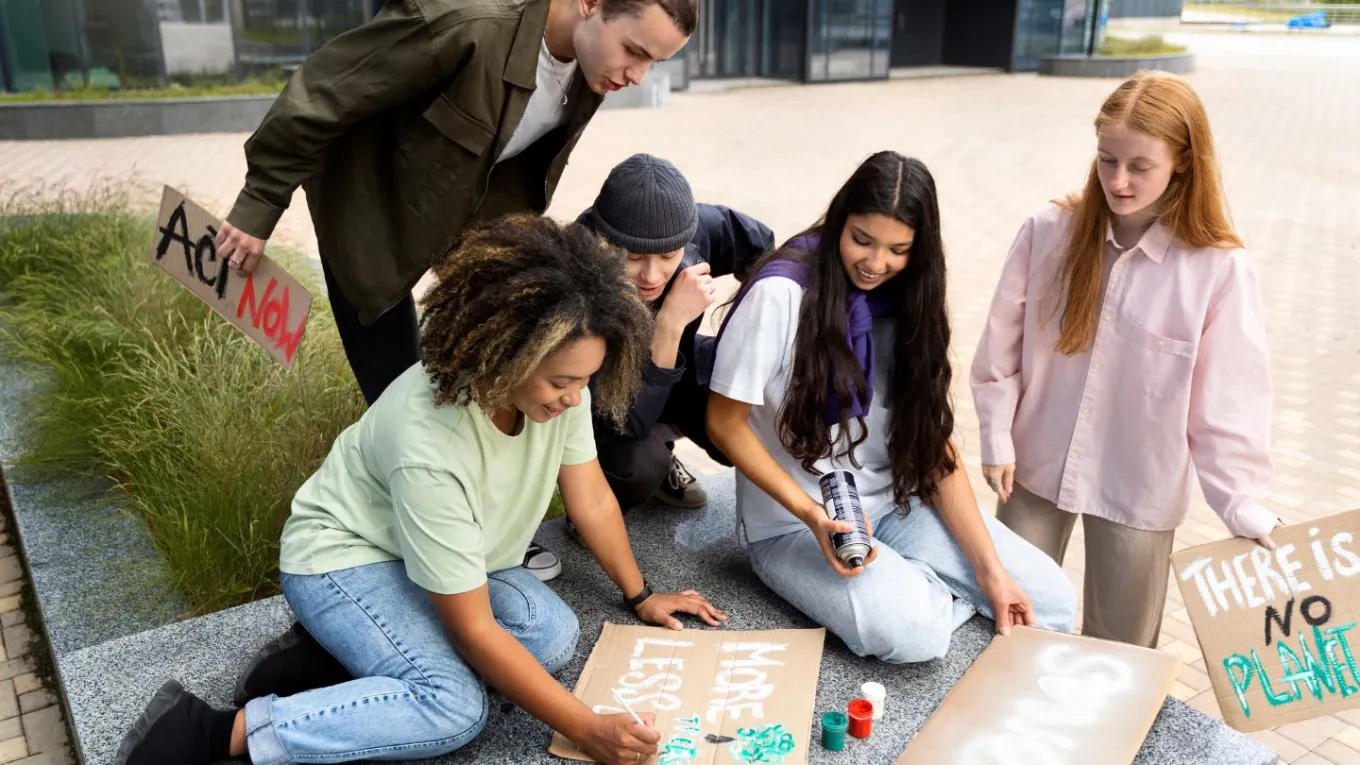
Community outreach workers play a crucial role in improving the lives of community members by:
- Creating events and promoting health care and social services
- Conducting client interviews to identify social issues and provide tailored support, enhancing community well-being
- Leading educational initiatives, including awareness campaigns addressing issues like homelessness and substance abuse, to inform the community
Outreach workers are responsible for:
- Organizing community programs aimed at individuals in need of assistance, such as those facing homelessness
- Helping clients develop life management skills
- Assisting clients in applying for financial assistance to achieve self-sufficiency
Research & Policy Development
Research in social work frequently leads to evidence-based practices that can influence legislative changes. Data analysis skills are crucial for social work researchers to assess the effectiveness of social programs and promote critical thinking. Policy developers in social work aim to create frameworks that enhance community resources and conduct research to address social issues.
Social work professionals in policy development may collaborate with government entities to advocate for vulnerable populations.
Career Outlook & Growth
Job growth for social work positions is projected at 13% through 2029, driven by an aging population and the need for elder services. The demand for mental health and substance abuse counselors is expected to grow significantly, highlighting a positive job outlook. With approximately 74,000 job openings annually over the next decade, the job prospects for social workers are favorable according to labor statistics.
Final Thoughts
A career in social work offers countless opportunities to make a meaningful impact across various sectors, from advocacy and community development to health care, education, and mental health support. Whether you’re drawn to helping families, supporting vulnerable populations, or driving policy change, a social work degree equips you with the compassion, knowledge, and skills to create lasting positive change in society.
At Edison State Community College, we help students pursuing a social work degree in Piqua gain access to comprehensive academic programs, hands-on field experience, and personalized guidance from expert faculty. With locations serving multiple communities, including Greenville, Troy, and Eaton, we ensure students have the flexibility and support to achieve their goals close to home. Through a commitment to practical learning and community impact, we prepare future social workers to succeed in diverse, rewarding roles that truly make a difference in people’s lives.
Frequently Asked Questions
What skills are important for a successful career in social work?
Strong communication, empathy, problem-solving, and critical thinking are essential. Social workers must also demonstrate cultural sensitivity, resilience, and a strong commitment to helping others.
What types of organizations employ social workers?
Social workers can find opportunities in hospitals, schools, government agencies, nonprofit organizations, correctional facilities, and private practices.
Can I work in social work with an associate degree?
Yes, many entry-level positions in social services and community outreach are available with an associate degree in social work. However, advanced roles like clinical social work may require a bachelor’s or master’s degree and licensure.
Is there a demand for social workers in Ohio?
Yes, the demand for qualified social workers continues to grow across Ohio due to expanding health care services, aging populations, and an increased attention to mental health needs.
What makes social work a rewarding career?
Social work allows you to make a meaningful difference in people’s lives every day. The field offers personal fulfillment, job stability, and diverse career options across various settings.