




2026 Best Community Colleges in Ohio
Students can achieve their educational and career goals through Ohio community colleges, gaining affordable access to flexible programs, hands-on training, transfer opportunities, and workforce-focused pathways that prepare them for success in high-demand industries.
March 13, 2026
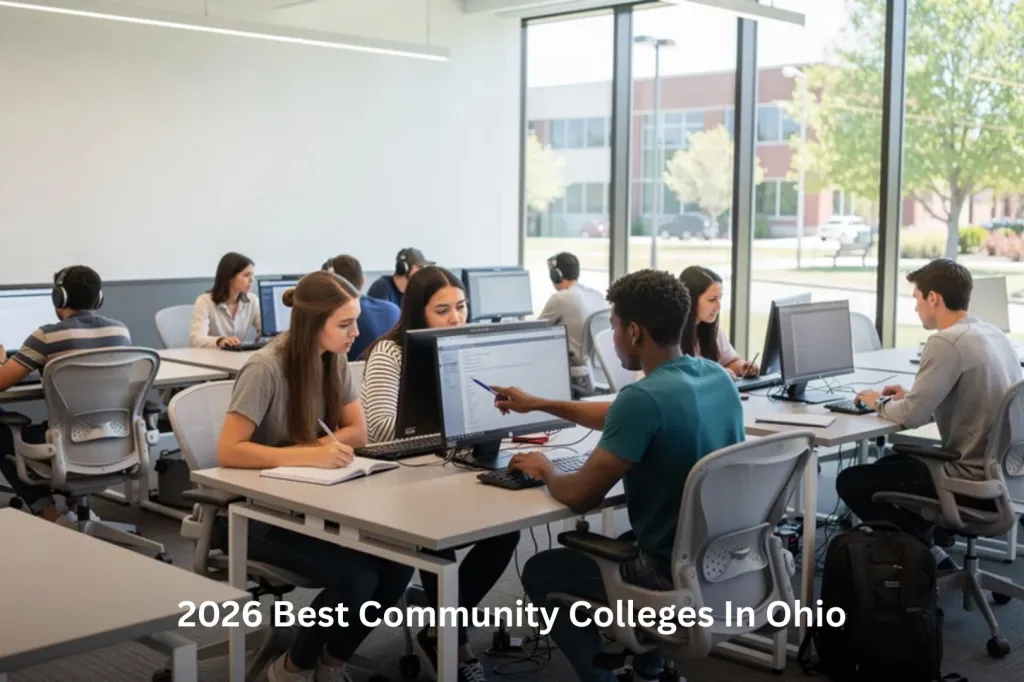
Ohio’s workforce demands are shifting rapidly, and community colleges across the state are stepping up to meet employer needs with affordable, career-focused education. Whether you’re exploring health sciences, business, information technology, or manufacturing pathways, Ohio community colleges offer practical training that leads directly to employment or seamless transfer to a four-year university.
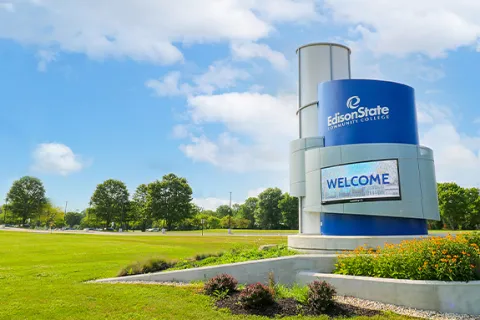
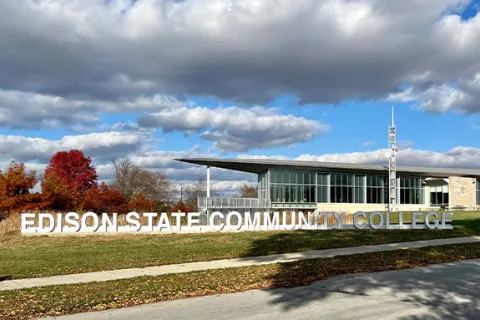
The best community colleges in Ohio combine low in-state tuition with strong career outcomes, hands-on training, and meaningful partnerships with regional employers. For students in west-central Ohio, institutions like Edison State Community College provide accessible campuses in Piqua, Greenville, and Eaton while delivering programs aligned with high-demand careers.
Edison State Community College: Excellence in West-Central Ohio
Google Rating: 4.1
Edison State Community College serves students across Greene, Darke, Preble, and Miami counties through campuses located in Piqua, Greenville, and Eaton. The college’s regional focus means programs align directly with local workforce needs, and students benefit from established relationships with area employers.
Standout Programs at Edison State:
The Physical Therapist Assistant program prepares graduates for careers earning an average of $63,400 annually in Ohio. Applications are accepted through January 31, with clinical training integrated throughout the curriculum.
Medical Laboratory Technology offers an Associate of Applied Science (AAS) degree with hybrid and clinical experiences in diagnostic laboratories. Graduates enter a field with steady demand driven by expanding diagnostic testing needs across hospitals, blood banks, and public health facilities.
The Agriculture program addresses west-central Ohio’s strong agricultural economy, covering farm management, agribusiness, and emerging areas like precision agriculture and automation. Technical roles in modern agriculture increasingly command salaries exceeding $50,000.
Edison State’s Accounting, Criminal Justice, and Social Services programs provide clear career pathways or transfer opportunities to a bachelor’s degree four-year universities across Ohio and the nation..
Key Programs and Academic Offerings:
- Associate degrees and certificate programs
- Career pathways in Business, Health Sciences, IT, Manufacturing, and Social & Public Services
- University transfer programs and partnerships
- Workforce development and apprenticeship opportunities
- Online and hybrid learning options
Why Edison State Stands Out:
Edison State Community College stands out for its strong regional presence, career-focused pathways, and flexible learning options, making it a practical choice for students seeking affordable education with clear pathways to employment or continued academic advancement.
- Prior learning assessment (PLA) options allow students with relevant work experience to earn credits, reducing time and cost to graduation
- Internship opportunities connect students with local employers before graduation
- Multiple campus locations, along with online offerings, make classes accessible throughout the region
- Strong transfer pathways through Ohio Transfer 36 for students pursuing four-year degrees
Other Ohio Community Colleges
Average Rating: 3.8
Ohio is home to many community colleges that provide affordable pathways to career training, associate degrees, workforce credentials, and university transfer opportunities. Across the state, these institutions commonly offer programs in healthcare, business, information technology, manufacturing, skilled trades, and public services, helping students prepare for employment or continue toward a bachelor's degree.
Many Ohio community colleges emphasize:
- Associate degrees and certificate programs
- Workforce development and career training
- Transfer pathways to four-year universities
- Online, hybrid, and flexible scheduling options
- Industry partnerships and hands-on learning experiences
While each institution has its own areas of specialization, Ohio community colleges generally share a commitment to affordability, accessibility, and career-focused education. Students can often find programs aligned with local workforce needs, opportunities for internships and apprenticeships, and support services designed to help them achieve their academic and professional goals.
High-Demand Career Pathways in Ohio Community Colleges
Ohio’s community colleges structure programs around career pathways that align with the state’s economic needs. Understanding these pathways helps students select programs with strong employment prospects.
Business Pathway
Accounting programs prepare students for bookkeeping, taxation, and financial analysis roles. Entry-level positions typically around $35,000 in Ohio, with significant growth potential for those who continue toward CPA certification or transfer to complete a bachelor’s degree. Local businesses consistently need accounting clerks, payroll specialists, and tax preparers.
Health Sciences Pathway
Healthcare and social services sectors will add the most new jobs in Ohio through 2033, making this pathway particularly strong. Community colleges like Columbus State are working to increase graduates in key health professions, including nursing, surgical technology, and respiratory therapy. Edison State’s Physical Therapist Assistant, Registered Nursing, and Medical Laboratory Technology programs feed directly into this growing sector.
Information Technology Pathway
IT programs prepare students for roles in network administration, cybersecurity, and software support. The combination of classroom instruction with hands-on training ensures graduates have the practical skills employers need.
Manufacturing Pathway
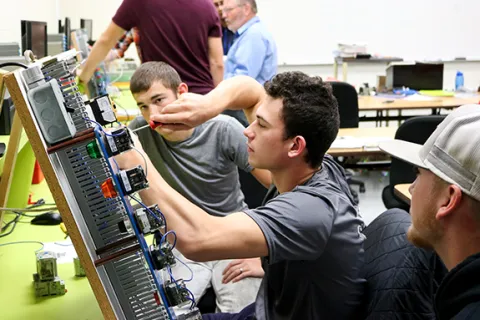
Advanced manufacturing programs incorporate training in robotics and automation. Edison State’s three-county region (Miami, Shelby, and Darke) is among the highest concentrations of manufacturing talent in the United States, positioning the College for exponential growth. Edison State’s established engineering and manufacturing programs help to fulfill the need for skilled workers. Stark State College and Sinclair Community College also offer strong programs in this area.
Social and Public Services
Social Services programs lead to careers in case management, counseling support, and community advocacy. While entry-level average salary is $45,000, demand remains strong due to mental health needs and aging population services.
Criminal Justice programs prepare graduates for law enforcement, corrections, and court system positions. Many graduates transfer to four-year programs in criminology or continue directly into academy training.
Admission Requirements and Financial Aid Options
Most Ohio community colleges maintain open enrollment policies for general admission, making them accessible to students of all ages and backgrounds. However, competitive programs, particularly in health sciences, have additional requirements.
Standard Admission Requirements:
- High school diploma or GED equivalent
- Completed application form
- Official transcripts from previous institutions
- Placement testing in math and English (may be waived based on test scores)
Competitive Program Requirements (Example: Physical Therapist Assistant):
- Minimum GPA of 3.0 in prerequisite courses
- Completion of anatomy and physiology with grades of B or higher
- Application submitted by program deadline (January 31 for Edison State’s PTA program)
- Some programs require TEAS testing or chemistry coursework
Tution & Financial Aid Options:
Ohio’s community colleges participate in federal and state financial aid programs that significantly reduce the cost of attending. The Free Application for Federal Student Aid (FAFSA) is available to all individuals entering college, and they are strongly encouraged to complete it. Federal and State grants are also available to need-based students attending community colleges. The Edison Foundation offers a variety of scholarships to qualified students each year at Edison State. Student education loans and student-worker programs also help students to pay for College.
Community college education costs a fraction of the fees at four-year universities. Edison State Community College offers one of the lowest tuition rates in Ohio. During the 2026-2027 academic year, tuition is only $6,198.60 for 30 credit hours.
Prior Learning Assessment (PLA):
Many Ohio community colleges, including Edison State, offer PLA options that award credits for relevant work experience, military training, or nontraditional learning. This can reduce both time to graduation and total cost, making it particularly valuable for adult learners returning to complete a degree.
Transfer Pathways and Bachelor’s Degree Options
The Ohio Transfer 36 Module guarantees that 36 general education credits earned at any Ohio community college transfer fully to public universities. This creates a clear, affordable pathway to a bachelor’s degree.
How to Maximize Transfer Success:
- Complete the Ohio Transfer 36 Module as part of your associate degree
- Consult with academic advisors about program-specific articulation agreements
- Apply transfer credits strategically to meet major requirements
- Consider institutions like Wright State University, Franklin University, Tiffin University or other state university options with established partnership agreements
Data shows that 75% of students in Ohio’s College Credit Plus program continue to postsecondary education, with 83% of those enrolling at four-year institutions. This demonstrates the effectiveness of Ohio’s transfer system.
Choosing the Right Community College for Your Goals
Selecting the right community college depends on your career objectives, location, and personal circumstances. Consider these factors during your college search:
Program Availability:
Verify that your intended program is offered at campuses convenient to you. For example, Edison State’s agriculture program is located at the Greenville campus, while other programs may have specific location requirements.
Regional Employer Partnerships:
Colleges with strong local employment connections provide better internship opportunities and job placement support. Ask enrolment managers or career pathways advisors about partnerships with specific employers in your field.
Campus Resources:
Evaluate available support services, including tutoring, career counseling, and academic advising. These resources significantly impact student success.
Schedule Flexibility:
Many Ohio community colleges now offer accelerated terms, hybrid classes, and evening options. Edison State is among institutions piloting shortened semesters that allow faster credential completion.
Questions to Ask During Campus Visits:
- What is the job placement rate for graduates of my intended program?
- Which employers regularly hire graduates from this program?
- What internship opportunities are available?
- How does the PLA process work, and what credits might I qualify for?
- What transfer agreements exist with four-year universities in my field?
Choosing the Right College for Your Future
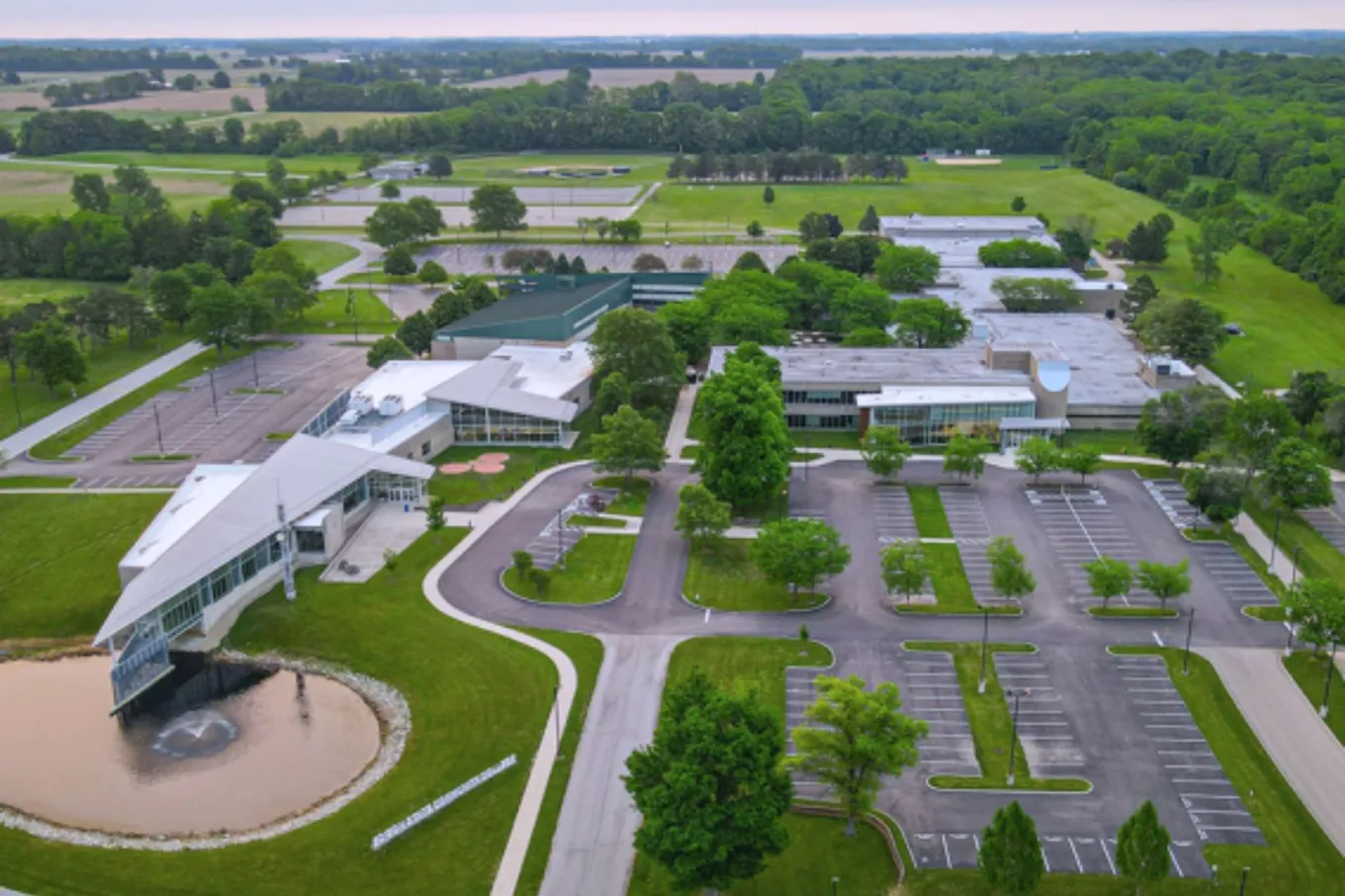
Finding the best community college in Ohio comes down to aligning your goals with the right programs, flexibility, and career opportunities. Each college offers unique strengths, but the ideal choice is one that supports your academic growth while preparing you for long-term success in a competitive and evolving workforce.
Edison State Community College offers a strong academic foundation as a leading community college in Piqua, helping students build skills for in-demand careers. Our locations in Piqua, Greenville, and Eaton provide convenient access to quality education. Take the next step with us and start shaping your future today.
Frequently Asked Questions
What are the most affordable community colleges in Ohio for 2026?
Edison State Community College offers one of the lowest tuition rates in Ohio. During the 2026-2027 academic year, tuition is only $6,198.60 for 30 credit hours. Other affordable options include North Central State College, Terra State Community College, and Hocking College. Compare total cost, including fees, when evaluating affordability.
Which Ohio community college programs have the best job placement rates?
Health Sciences programs, particularly Registered Nursing, Physical Therapist Assistant, and Medical Laboratory Technology, have strong placement rates due to sustained demand in the health care workforce. Manufacturing and advanced robotics programs also demonstrate solid employment outcomes, though a RAND study noted that some manufacturing credential holders find employment in adjacent industries.
How does Prior Learning Assessment (PLA) work at Ohio community colleges?
PLA allows students to earn college credits for knowledge gained through work experience, military training, or other nontraditional learning. Students typically submit portfolios or complete assessments demonstrating competency. The credits awarded reduce the total coursework required, lowering both time and cost to graduation. Contact your college’s admissions office for specific PLA policies.
What are the admission requirements for competitive programs like a Physical Therapist Assistant?
Edison State’s PTA program requires applications by January 31, with prerequisites including anatomy and physiology courses completed with B grades or higher and a minimum GPA of approximately 3.0. Some health sciences programs also require TEAS testing or chemistry coursework. Check specific program requirements during your college search.
What financial aid is available specifically for Ohio community college students?
Ohio students may qualify for state or federal grants, as well as institutional scholarships. Students are encouraged to complete the FAFSA to determine eligibility for all available financial aid options.